The latest example of this Gen-G generation of those born between 1998 and 2012 changing power is Nepal. This generation started a campaign against the widespread corruption, unemployment and unemployment in the country with the hashtag 'Nepokid/Nepobaby' on social media.
We use Google Cloud Translation Services. Google requires we provide the following disclaimer relating to use of this service:
This service may contain translations powered by Google. Google disclaims all warranties related to the translations, expressed or implied, including any warranties of accuracy, reliability, and any implied warranties of merchantability, fitness for a particular purpose, and noninfringement.
Lately, Gen-J generation has been at the peak of discussion worldwide due to its rebellious character. The rebellion of this generation raised in the age of the Internet to change political power has captured the world's attention. The latest example of this Gen-G generation of those born between 1998 and 2012 changing power is Nepal.
This generation started a campaign against the widespread corruption, unemployment, and unemployment in the country with the hashtag 'Nepokid/Nepobaby' on social media. At the same time, the government's decision to ban the use of various social networks, including Facebook, within the country because they are not registered in Nepal, added strength to the campaign. Finally, the revolt of the social network took place.
Gen-G spread the idea of rebellion and information through social media platforms such as TikTok, Reddit and Discord. As a result, the youth of that generation took to the streets on 23 August. Finally, the then Prime Minister KP Sharma Oli's government collapsed.
Gen-G uprising is not only in Nepal. But Nepal held the record of coup in the shortest time. That's why Nepal's Gen-G rebellion managed to catch the attention of the world. In which other countries did Gen-G rebellion happen like in Nepal? Or are they happening and what is the current situation there? This article discusses that.
Madagascar
Another Gen-G rebellion has taken place in Madagascar to topple power like in Nepal. The movement started later in Madagascar than in Nepal. However, some youths have been actively protesting against water and electricity cuts for a long time. After the arrest of peaceful demonstrators on September 19, the nature of the movement changed. After that, the participation of Zen-G youth in the movement increased rapidly. Initially concentrated in the capital Antananarivo, the movement gradually became nationwide. The United Nations has noted that more than 22 people have died and more than 100 people have been injured since the protests began.
State crackdown on demonstrators on 25 September. This made the protestors more angry. President Andriy Rajoelina dissolved the government of then Prime Minister Christian Ntse on 29 September. On 6 October, military general Rufin Zafisambo was appointed as the new prime minister. The people of Madagascar are not satisfied with this decision of the President. As a result, even though the movement has overthrown the government, the situation in Madagascar has not yet returned to normal.
Morocco
The North African country of Morocco is also a country that has been rebelling recently. It started in Morocco on September 27. This movement by the 'Discord' group called 'Zen-G212' is still going on. The youth were protesting against the corruption and unemployment there through social media. The long-standing dissatisfaction of the people in the field of education and health became the main reason for the revolt. The youth took to the streets to protest against the state budget to be spent on health and education in the structure of the World Cup soccer tournament, which is scheduled to be held in 2030. In 'Discord', limited to 3,000 rebel youths were seen in millions when they reached the streets.
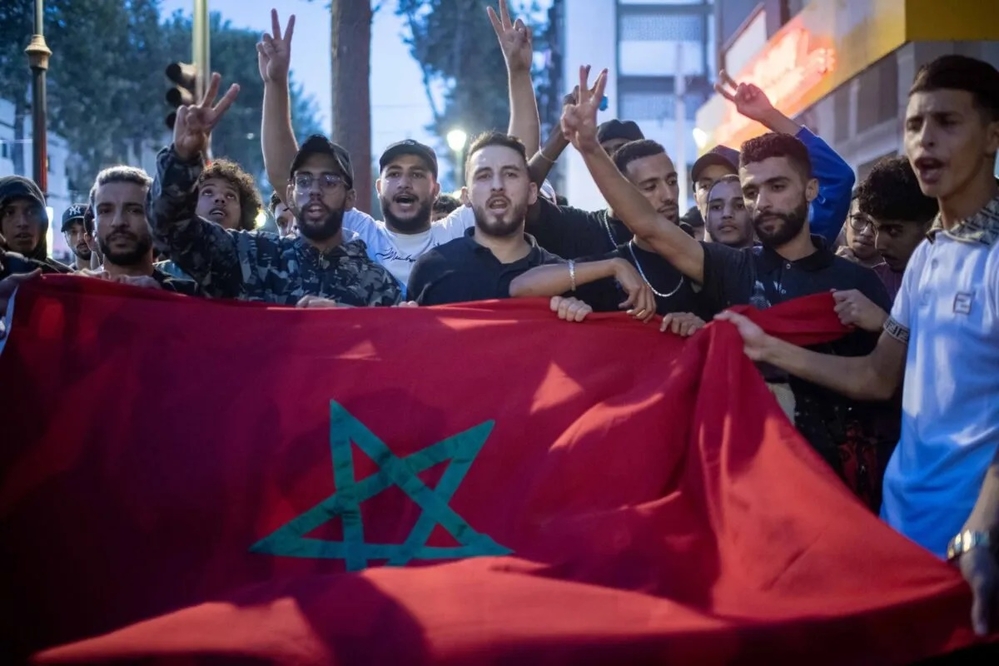
This movement started on 27th September and took a massive form when it reached 2nd October. 2 youths were killed and hundreds were injured after the state cracked down on protesting youths. Neither the state's barbaric repression of the protestors has stopped, nor has the movement stopped. Incidents of clashes along with demonstrations are happening daily in different cities. Although the government has proposed a dialogue, the demands of the youth have not been fully addressed, so there is a possibility that the movement will intensify.
Peru
Some time before Morocco, Gen-Gs had a movement in the Latin American country of Peru. In Peru, the Gen-Gs were angry with the government because of the growing economic inequality and the failure of the government.
On 20 September, the then government passed the Pension Reform Bill, which made it mandatory for young people who turned 18 to deposit a portion of their income into a pension account. In Peru, 60 to 70 percent of youth depend on temporary employment. They find it difficult to contribute towards their pension every month. However, when the state asked those with temporary jobs to make mandatory contributions to the pension, they started protesting.
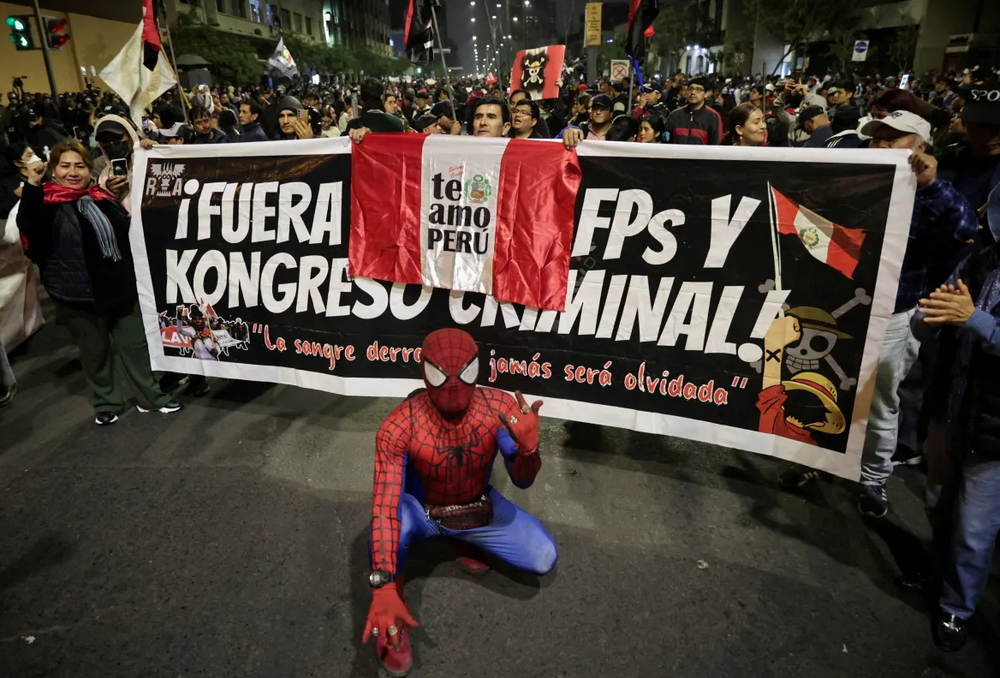
The government's decision on 20 September forced the youth to take to the streets. From 25th September, the movement became violent. Millions of youth took to the streets. Youths who took to the streets in the capital city of Lima and other parts raised loud slogans against President Dina Boluarte. More than two dozen youths were injured in the clash with the police. But this movement could not overthrow the government. However, the voices of opposition have not stopped.
Ladakh (India)
India's Ladakh has been in turmoil since 24 September. The main reason is the Indian government's disregard for Ladakh. In 2019, the Indian government abolished the special status of the state of Jammu and Kashmir and made Ladakh a union territory. That dissatisfaction has gradually turned into a movement. At the center of this movement is activist Sonam Wangchuk, who has been on hunger strike and demonstrations for the past few years demanding special autonomy and separate state status for Ladakh under the Sixth Schedule.
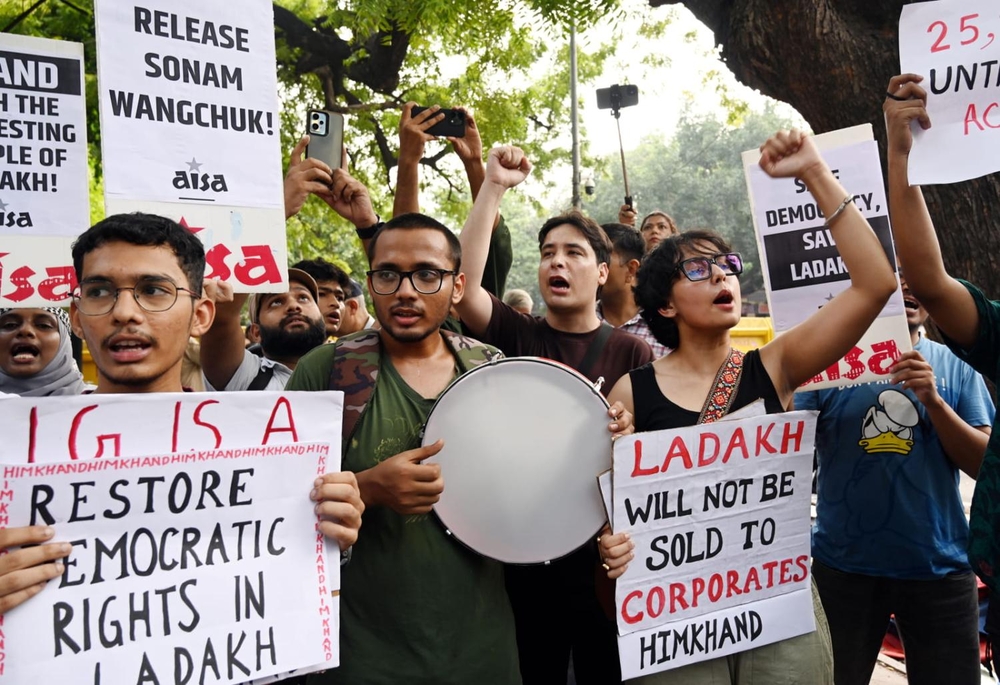
His hunger strike that started on September 10 and the demonstration in support of the local youth could not remain peaceful. Four people were killed and over 150 injured in clashes with security forces in Leh city on 24 September. Wangchuk was arrested on 29 September. He has not yet been released. Ladakh is still dominated by the military. No talks have been held with the protesting parties.
Kenya
In June 2024, thousands of citizens took to the streets in Kenya. They were against the tax hike bill proposed by the government. The bill was intended to increase the tax on essential items for daily consumption, from 'bread', 'diapers' to materials used in toilets. Through social media especially 'X' and 'TikTok', the youth started a protest against the government by informing each other about the provisions of the Finance Bill. This movement was named 'Zen-G Rebellion'.
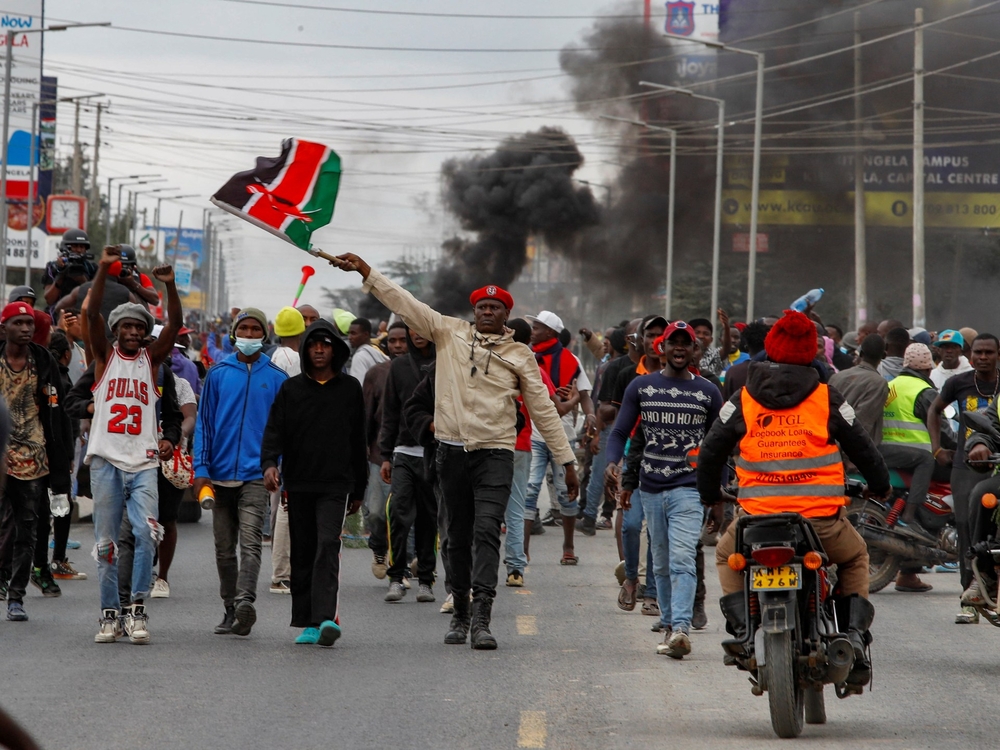
On the afternoon of 25 June 2024, the movement reached a decisive stage. The protestors tried to enter the parliament building. The security forces then repressed the protestors. According to Human Rights Watch, more than 60 young people lost their lives in Kenya in June alone.
President William Ruto then vetoed the bill due to public pressure. But even after years passed, the problems were not resolved. The youth became agitated again due to high prices, unemployment and the impunity of security personnel. After the death of 31-year-old Albert Omondi Ojwang, a social and political activist, in police custody in Nairobi on June 8, Gen-G youths took to the streets again.
According to Kenya's National Human Rights Commission, at least 31 people have died during the protests, while 107 people have been injured in the protests. Similarly, 532 people were arrested. Even with so many human losses, the government there does not seem to have taken any measures to improve.
Philippines
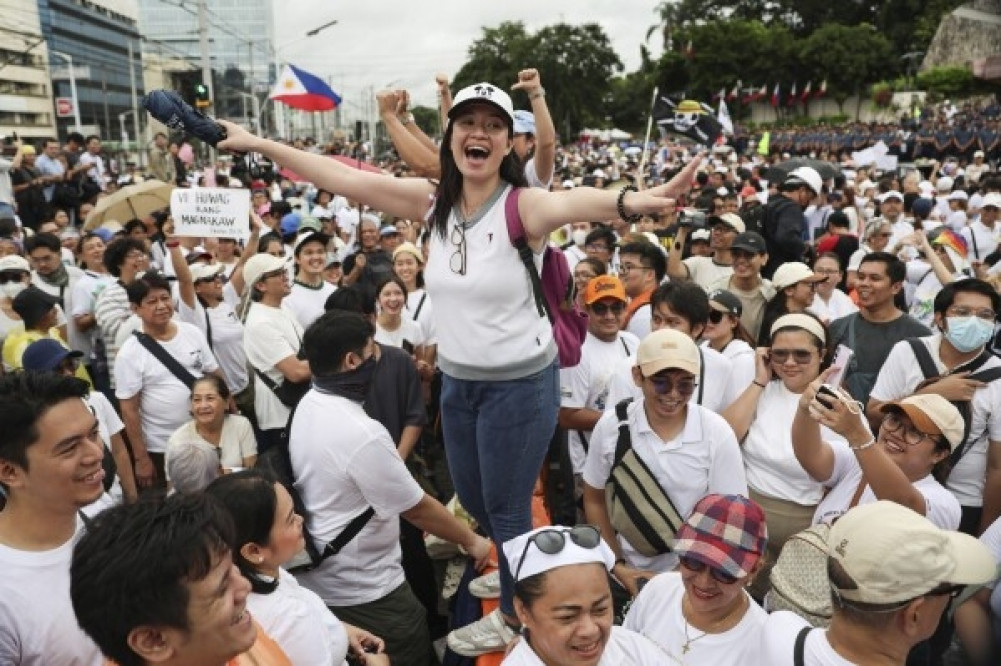
The 'Nepo Kids' trend was also launched in the Philippines. On social media, gen-jis were protesting against the corruption there. But on 21 September, their movement gained momentum. More than 130,000 protesters participated in the "Trillion Peso March" held on September 21 at Rizal Park (Luneta) in Manila and the EDSA People Power Monument in Quezon City. This movement started on 12th September itself. In July 2025, President Ferdinand Marcos Jr. exposed corruption in his national address, the main reason for the coup. During his speech, he said that most of the 9,855 flood control projects (worth more than $9.5 billion) were irregular.
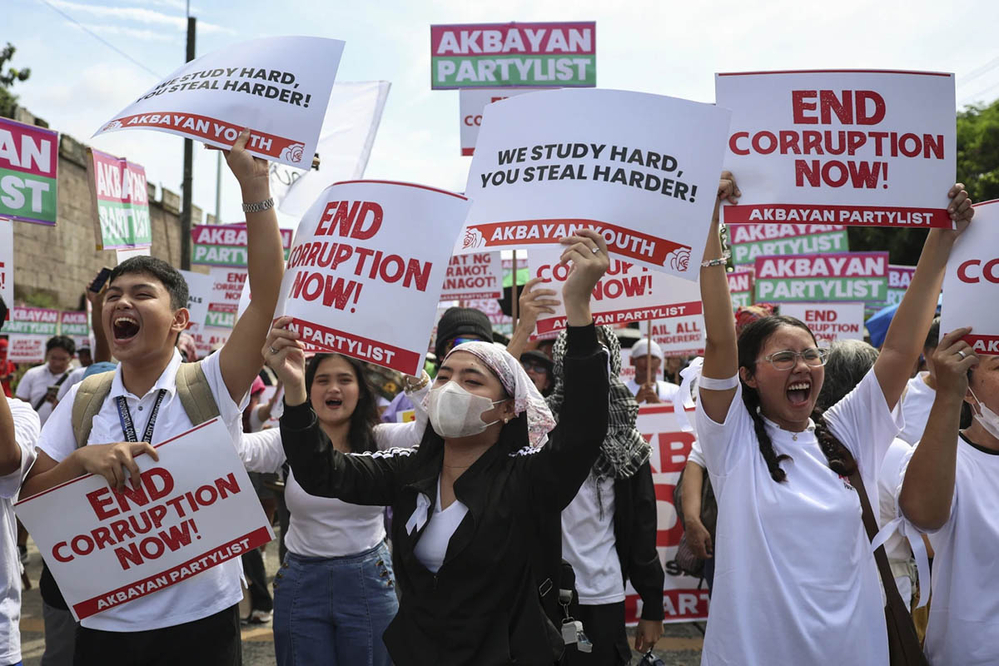
The young people who made a symbol of unity by wearing white clothes protested with the slogan 'No More, Too Much, Jail Them' to search for those involved in corruption. The movement was also supported by the Catholic Church, civil society, labor unions and political alliances. In the clash with the police, 224 people including 20 children were arrested and hundreds were injured. Later, the Speaker of the House of Representatives, Martin Romualdez (Marcos' cousin), who was implicated in corruption, resigned. After he resigned, Boji D was elected as Speaker. The investigation against Romualdez is currently ongoing. Although the movement did not completely overthrow the government, it increased public pressure and criticism. As investigations and public debates on corruption issues continue, the possibility of further protests in the future has increased.
Indonesia
Young people in Indonesia were also outraged by the decision to give a monthly allowance of five million Indonesian rupiah (about three thousand US dollars) to parliamentarians. In protest, the Gen-Gs started a 'Nepokids and Nepobaby' campaign on social media. In which the luxuries of the MPs and the misery of the common people were satirised. Finally, social media protests spilled into the streets from 25 August 2025.
Millions of people supported this movement which started from social media. The movement spread to 32 provinces of the country. During the protest, 11 people were killed and hundreds were injured. But after the pressing movement of the youth, the government was finally forced to cancel the luxurious facilities of the MPs. However, questions of corruption, economic inequality and political accountability still remain, strengthening the potential for future youth protests.
Bangladesh
The 'July revolution' that started in Bangladesh in July 2024 is a vivid example of Gen-G power. The movement started when the High Court ordered 30 percent reservation in civil services for the children of freedom fighters. Students were outraged when the court reinstated the suspended provision in 2018.
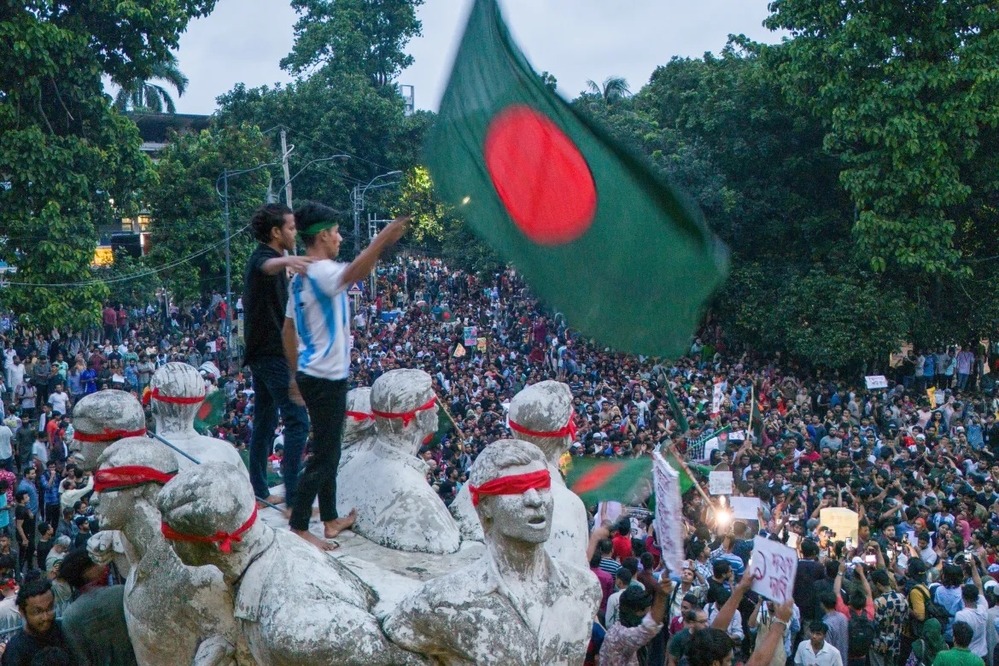
The agitation started by angry students on June 6, 2024 lasted for about two months. The protest started by students against the 'quota' system in government jobs brought the country to a standstill for more than a month. As a result, Prime Minister Sheikh Hasina's government collapsed. An interim government was formed under the leadership of Nobel laureate Muhammad Yunus. But even after a year, political stability has not been established. Bangladesh is still facing political instability and economic challenges.
Sri Lanka
In 2022, Sri Lanka was mired in political and economic crisis. Citizens angry with corruption, nepotism and long-term economic failure chose the path of agitation. This movement was led by students. Which later came to be known as the 'Zen-G movement'. The movement continued for about 113 days. Finally, the power of the Rajapakse family, which had ruled alone for a long time, collapsed and Gotabaya Rajapakse was forced to flee. The movement not only ousted Rajapakse, but also gave birth to a new leadership. Traditional parties and old leaders were defeated in the 2024 general elections.
Anura Kumara Dissanayake, who had been opposing the traditional political and economic elite, won. But Sri Lanka still faces economic challenges and political stability. Although Sri Lanka is currently on the road to economic recovery, challenges such as debt burden, inflation and lack of employment remain.