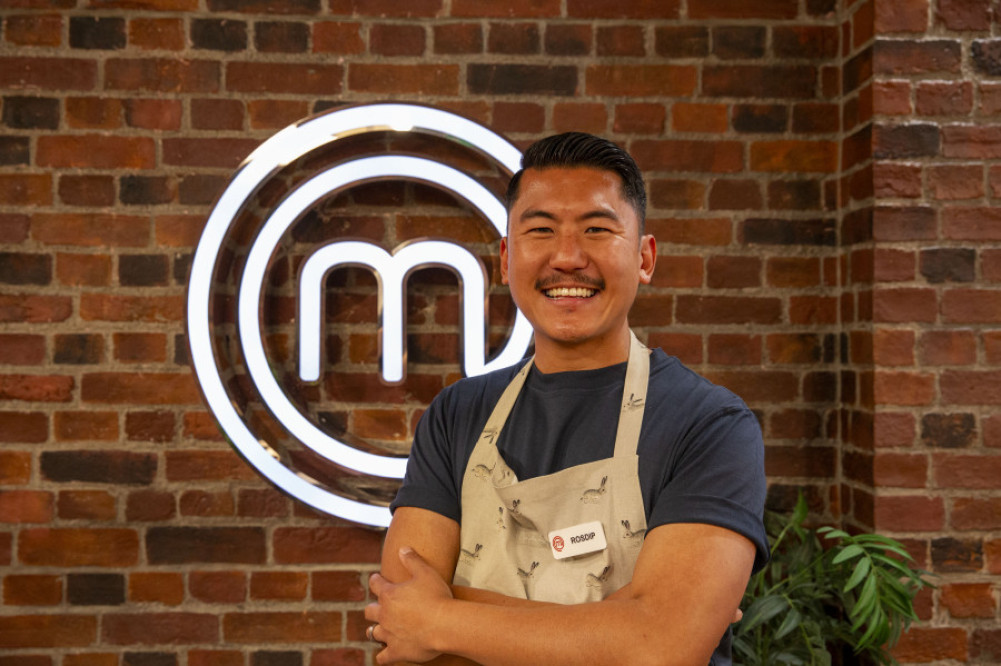
Making fusion food is not just about mixing the flavors of two different cultures, but also about preserving the originality of Nepali flavors and presenting them as new dishes.
We use Google Cloud Translation Services. Google requires we provide the following disclaimer relating to use of this service:
This service may contain translations powered by Google. Google disclaims all warranties related to the translations, expressed or implied, including any warranties of accuracy, reliability, and any implied warranties of merchantability, fitness for a particular purpose, and noninfringement.
Young man Roshdeep Rai, who lives in the UK, is currently in the news on social media. The ‘Pork Momo-Ta-Ko Fusion’ he made is currently going viral. Many people like this dish, which combines the flavors of Mexican Ta-Ko and Nepali Momo. It is attracting the attention of food lovers for giving a Nepali flavor to a modern dish. The audience has liked this dish because it is prepared by frying the traditional Momo mince in a pan instead of cooking it in a pot.
Rai does not only show cooking methods (recipes) on social media. He also tells stories related to it. Which connects Nepali tradition and modern fairy tales. In his videos, you can see everything from childhood, family, living abroad to the recipe of the dish. He mixes the feeling of foreignness and Nepaliness on social media.
He had a passion for food since childhood. He grew up tasting spicy street food, momos and thukpas in Dharan. He turned his passion for food into a career. He said, ‘I was interested in food since childhood, I was interested in trying new dishes. Even when I was doing other things, my attention was always focused on the kitchen.’ He said that he tried to take that interest to the international level. Rai’s other mixed recipes are also equally viral. The ‘risotto’ of jimbu and mushrooms has given a new taste by combining the Himalayan herb jimbu with Italian dishes. ‘Seal Mochi’ has been presented in the homemade taste of Nepali cell roti and the taste of Japanese mochi.
He thinks a lot, makes a plan and only then moves forward before giving the food a new taste. Sometimes he comes up with recipes while walking, and sometimes he does extensive research. Regarding fusion recipes, he said, ‘Ideas for new dishes come not only in the kitchen, but also while walking, walking the dog or going for a long run. I think more about how to combine Nepali dishes with international flavors.’ According to him, making fusion food is not just about mixing the flavors of two different cultures, but also preserving the originality of Nepali flavors and serving them as new dishes. He said, ‘My aim is to preserve Nepali flavors wherever I go.’ 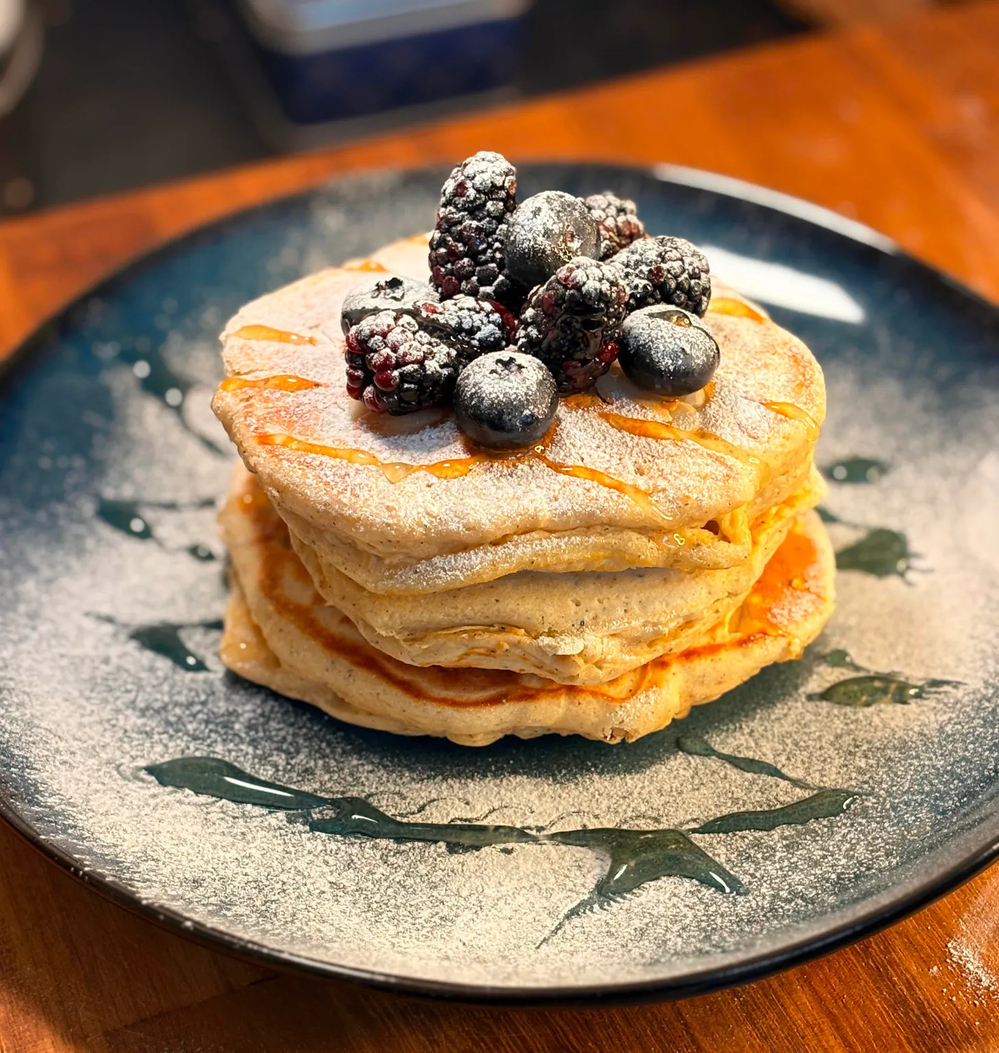
Many of us use the word ‘curry’, like Indian curries, but we can’t say that in our food, right?,’ says Rai. Our dishes use different techniques and flavor combinations, so they have their own identities. He believes in the same thing. The same applies to the ingredients we use in our daily meals.
‘Nepali ingredients are really very unique . For example, Timur, it is similar to Chinese Sichuan pepper. But, it is not the same, is it ? It has a different kind of sour and pungent taste . When we generally understand that Timur is also like Sichuan pepper, that is wrong,’ he says .
In other words, generalizing specific words risks losing the originality that local ingredients have carried for generations .
After watching seasons of MasterChef for years, he wanted to turn his passion for cooking at home into reality . Then he applied and auditioned . Finally, he got the opportunity to present his cooking in a real competition .
Although he creates modern Nepali new dishes in his kitchen, some of the dishes he made on the show were reminiscent of his childhood and delicious local dishes .
In the competition, he prepared everything from spicy Timur pork belly to earthy Jimbu Bodi Dal and Carrot Pulao for the judges, contestants and audience.
‘Nepalese people from all over the world are reaching out and giving great feedback,’ says Rai, ‘which is getting a lot of attention on social media.’ People are commenting like ‘I never imagined that my food would be seen and liked on such an international stage.’ 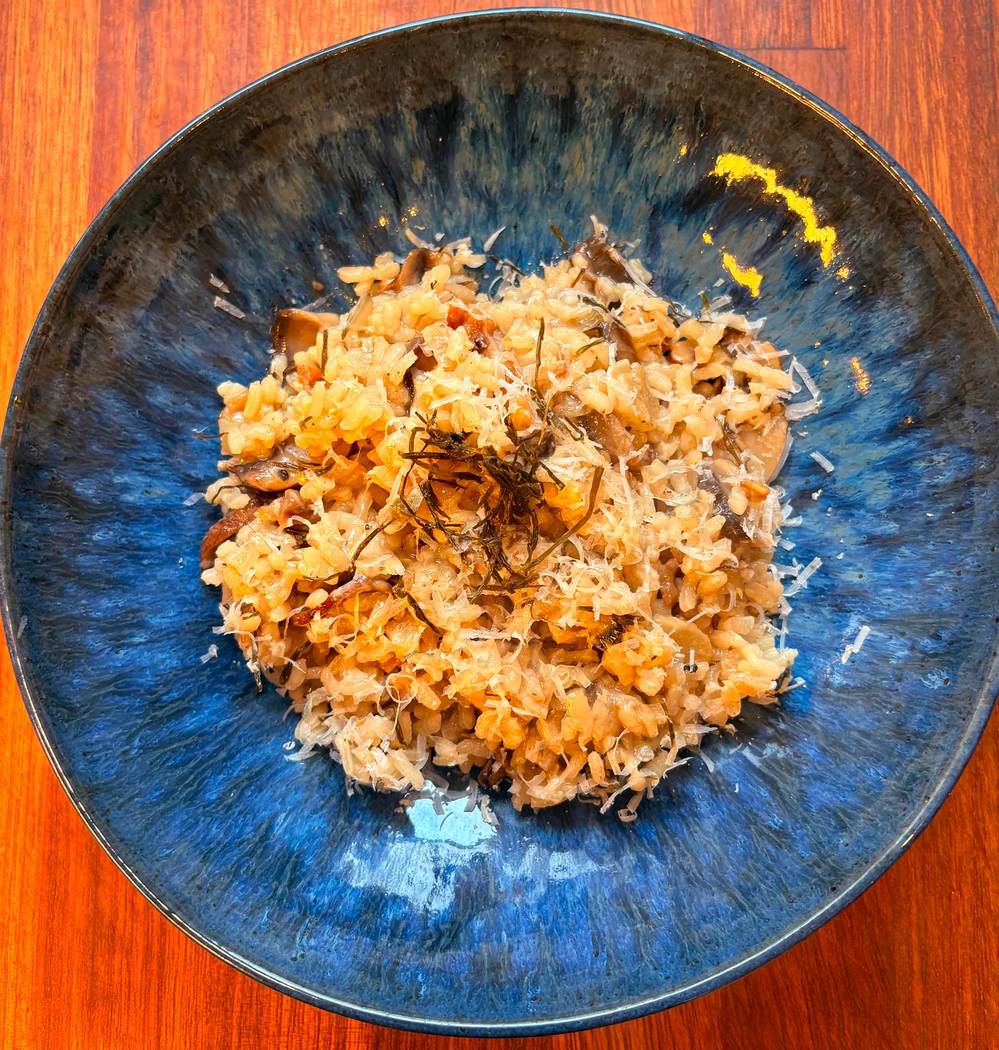
One of the first recipes he tried was Masala Tea American Pancakes. It didn’t go as planned on the show. However, he sees such attempts as learning opportunities rather than failures. He has now refined the recipe. He believes that trial and error is the most important foundation for a cook.
He says there are differences between the way Nepali food is prepared and the British way. Especially in terms of the ingredients used. Rai, a quarter-finalist of MasterChef UK 2026, even used ingredients like jimbu and timur in front of the judges. Which surprised even the judges.
‘The judges have never tasted such spices before. They were surprised when they came up with a new flavor,’ he says.
Inspired by Chef Santosh Shah, Rai wants to represent Nepali food on the world stage. He wants to bring Nepali culinary heritage to an international audience. He says, ‘I want to tell the story of those who grow jimbu in Mustang to those who sell roasted corn through the food I make.’ He thinks that through this culinary art, he will make people travel to Nepal.