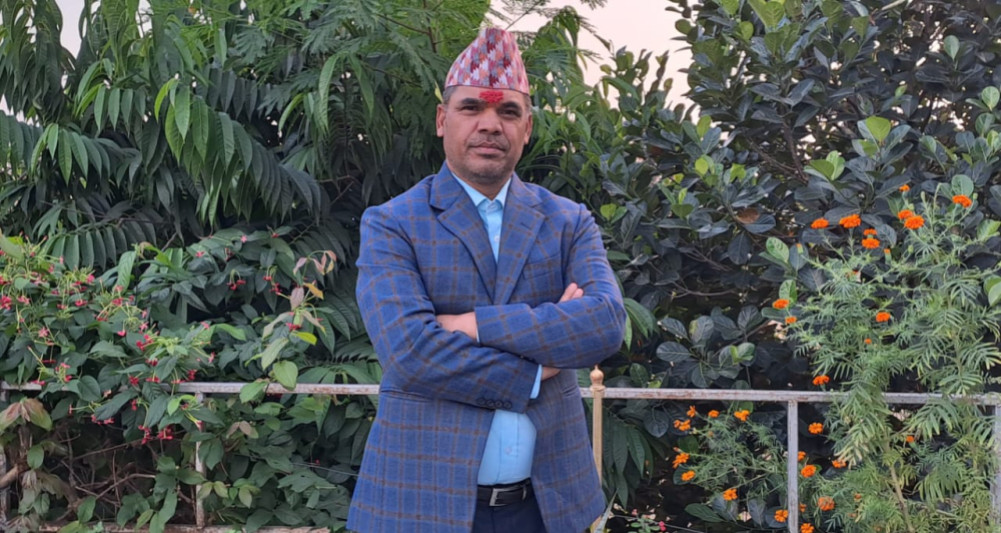
Rajendra Shah, who has been continuously creating Deuda songs for two and a half decades, reflects the originality and culture of the Far West and many dimensions of life and the world.
We use Google Cloud Translation Services. Google requires we provide the following disclaimer relating to use of this service:
This service may contain translations powered by Google. Google disclaims all warranties related to the translations, expressed or implied, including any warranties of accuracy, reliability, and any implied warranties of merchantability, fitness for a particular purpose, and noninfringement.
Deuda music, which faded in the 60s, revived from the 70s. Since then, Deuda, which has gradually become popular, has become the literary and musical artery of Far West and Karnali in recent years. Deuda, which is echoing in the hearts of every people of this region, is creating an attractive culture with love, harmony and brotherhood. The name of the founder dedicated to the practice of Deuda is Rajendra Shah (BP).
Rajendra, who has been creating Aviram Deuda songs for two and a half decades, has written more than a thousand popular Deuda song lyrics so far. Rajendra's word compositions are equally impressive in the creation of Thadivaka and folk double songs for a rich vocal singer. 43-year-old Rajendra, who was born in Olisain, Budhiganga, Bajura, has made Mahendranagar, Kanchanpur, the birthplace of his creations. Skilled in creating words of happiness, love-passion, pain and suffering, Rajendra's creations give an opportunity to be happy while solving the problems of life. His creations reflect not only the originality and culture of the Far West, but many dimensions of life and the world.
In the journey since Rajendra started writing songs, Deuda music has also gone through many ups and downs. The tradition of going to festivals and fairs has been going on since before. With the development of technology, he is in the first line of originators of the music video Deuda song, which has been in vogue since the days of cassettes and tape recorders through VCD. Rajendra, who was interested in writing and literature since his childhood, published a collection of poems named Aethit Vyatha in 055. After Dheet did not die, he reached Kathmandu in 056 and released the first cassette of folk songs. The songs of the album 'Aansu' with the voices of Hark Khadayat, Ramanand Joshi, Lakshmi Neupane and Durga Gurung were composed by Rajendra.
Rajendra was also the composer of the songs in the Deuda song cassette album 'Siru' released in 057 from Attaria's Rima recording. Then in 058 he composed a cassette album of Deuda song 'Kalirat' covering the crisis period of that time, the violent conflict being waged by the Maoists and the disastrous events happening all over the country including Sanfe-Mangalsen. Featuring the voices of singers Rajaram Bhat, Harishchandra Kadayat, Harina Saud, Basanti Bhattarai and Harak Khadayat, Kaliraat won the hearts of the audience and became a huge hit. The
'Kalirat' album established Rajendra among the general audience for the creation of Deuda songs. "That composition gave not only a name, but also a price," said Rajendra, "I got a lot of satisfaction from it." After that, I dedicated my whole life to the creation of Deuda songs.'' From 1963, he started collaborating with Deuda singers from the Far West such as Sangeeta Shahi, Prakash Thapa, Vinod Bajurali, Lal Bahadur Dhami, Bhim Thapa and others. "After that, my creative journey took a new turn," he said. Then Banulya Khutko, Janjalya Pirati, Nizhchulika Damphya, Jug Janyan Pirti, Hepeka Cheli, House of Two Wives, Raibar Chekhnya Dando, Himal with good snow, Chithi Patra Lekhi, Deepail's Gadhi, Patal Palaya Rainaan, Paddy Kati Kunian, Faraway Village, Democracy and Peace , Samudhur Jakkan and dozens of famous Deuda songs he wrote.
After 065-066, the practice of making music videos of songs and selling them on CDs began. At that time when VCDs of Deuda songs did not take commercial form, he brought a music video of Deuda song called Deuda Sanskriti to the market. "At that time, I remember spending lakhs of rupees and taking technology and manpower from Kathmandu to Bajura to shoot Deuda songs," said Rajendra, "Later on, I created the words in dozens of songs, including Deuda Culture Part 2 and 3." At a time when the market for
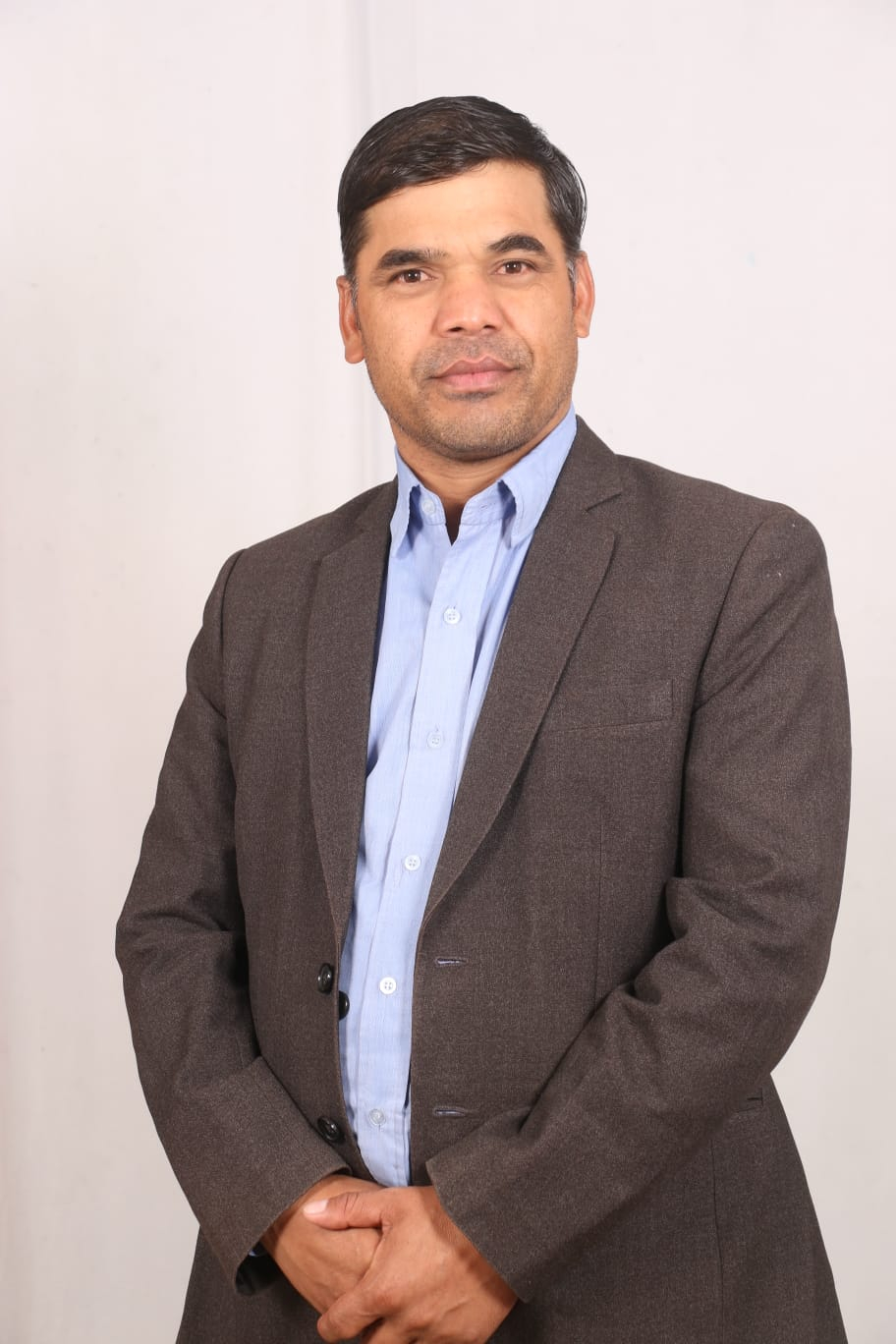
cassettes was over and the virtual market was no longer running, he wrote Basanpuri Dhan, Dafya Himalaima, Bas Basanti Nyaula, Seti Mahakali, Dhalkyo Jowan, Hiralal Jokhouki, Meri Nyunti Dhungi, Parelimai Let Me Dry My Tears, Aman Parani, Ananteka Mela, Charan Bakhri Gai, Created dozens of popular songs such as country status. With the end of the VCD era from around 070, some old and new artists fled from this area.
Tallin Rajendra composed the song 'Yo Achami Baddo' in 073 to revive the market of Deuda songs and bring back the old atmosphere. Lately, the popular Deuda singers Lal Bahadur Dhami and Tika Pun's vocal compositions have boosted the market of Deuda songs. Deuda is a changing music. The dimensions changed. But Rajendra Shah BP did not leave the field of Deuda song creation and transformed himself," says Deuda singer Lal Bahadur Dhami (Achhami Baddo), "Now Deuda is an area of interest for audiences of any age group. He has an important contribution in making this place of Deuda.'
In his compositions during this period, Dhwaja Mahara sang 'Gaija Doti Gaija' and 'Doti Gounda', Tek Bogti sang 'Ranile Nuwaiingai' and 'Ta Chuter Rani', Prakash Thapa sang 'Relgadi Late Gayo'. Likewise, 'Bato Lamu Rara' and 'Baas Basanti Nyaula' by Vinod Bajurali remained popular among the audience. Those Deuda songs are echoing forever in Far West and Karnali region. Rajendra has also created many vertical verses. There is a difference between Deuda and Thadi language. Deuda is a genre of solo, duet or group singing with rhythm. Thaadi is a unique original song genre. Songs of sorrow are sung alone in the forests or in deserted places with a long verse.
Rajendra, who has created words in more than a hundred famous Thadi Bhakas, has composed songs promoting culture, history and tourism, including 'Bajura Vaikunth Raich', 'Seti Mahakali', 'Samriddha Sanskriti'. Similarly, 'Manchcheko Parani', 'Khaon Bhanya Moi Chani', 'Deepail's Gadi', 'Kwai Neta Chin Lagya', 'Kai Pulti Marrya Haum', 'Kan Layo Aag' and other works are the words that resonate forever in the forests and fairs of the Far West.  ; He has not spared himself in writing
folk songs. He has written folk songs such as 'Sumdhur Yakkan' in the voice of Purushottam Neupane and Vishnu Majhi, 'Let the tears dry in Parelimai' in the voice of Khuman Adhikari and Vishnu Majhi, and 'Sunma Sugandh' in the voice of Prakash Thapa and Sangeeta Shah. Deuda singer Prakash Thapa says, "Rajendra Shah, BP Deuda's originator, can use a timely pen." They can capture the art and culture of the village. Rajendra is a talented writer who can create with vision from many angles.'