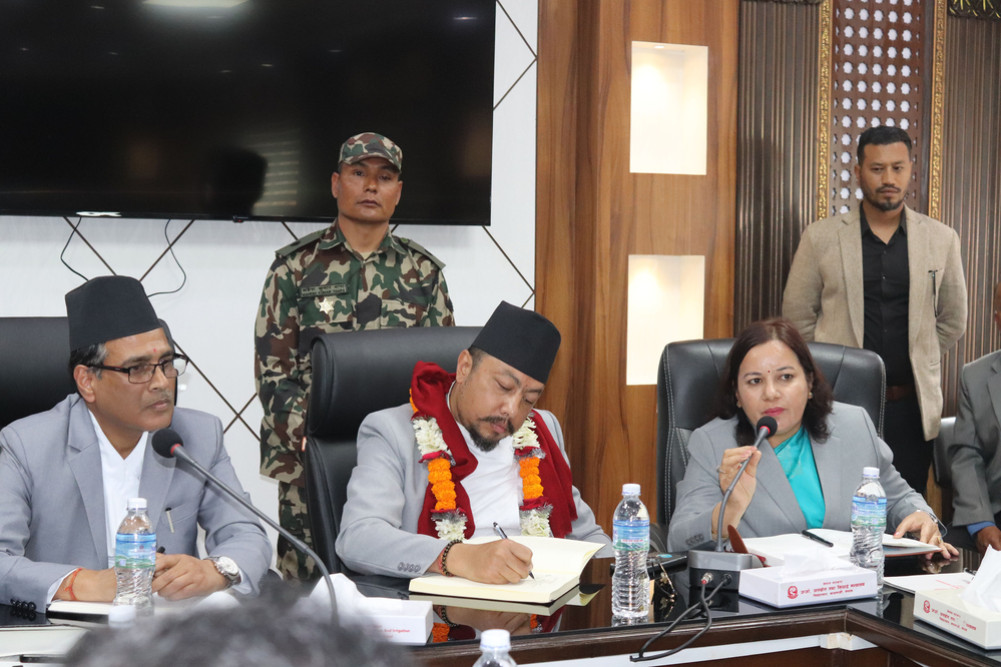
Newly appointed Energy Minister Shrestha will have to deal with old problems such as pressure from the private sector to open up electricity trade and PPAs, and delays in national pride projects related to irrigation.
We use Google Cloud Translation Services. Google requires we provide the following disclaimer relating to use of this service:
This service may contain translations powered by Google. Google disclaims all warranties related to the translations, expressed or implied, including any warranties of accuracy, reliability, and any implied warranties of merchantability, fitness for a particular purpose, and noninfringement.
Biraj Bhakta Shrestha has become the Minister of Energy, Water Resources and Irrigation amidst dozens of challenges, including opening new PPAs, conducting PPAs for stalled riverine projects, moving forward reservoir projects, securing source approval for irrigation projects, and ensuring quality electricity for electrical equipment. He was elected from Kathmandu-8 in the House of Representatives elections held last Falgun with 24,592 votes.
Shrestha was elected from the same constituency in the 2079 elections. Shrestha, who was also the Minister of Youth and Sports at that time, is now the Minister of Energy. Shrestha, who has been actively involved in social issues, was the leader of the Bibeksheel Sajha Party before becoming a candidate from the Rashtriya Swayamsevak Sangh (RSS). He also became a member of the Bagmati Province parliament from Bibeksheel. Inspired by the founding leader of Bibeksheel, the late Ujjwal Thapa, he got involved in political campaigns and was actively involved in relief and rescue campaigns after the 2072 BS earthquake. The then president of Bibeksheel Sajha, Rabindra Mishra, left the party after bringing documents advocating for the monarchy.
Then, in the 2079 BS general elections, he became a candidate from the Ghanti election. Later, he also became a central member of the RSS and deputy leader of the parliamentary party. When he was the Sports Minister, he appointed officials to the ‘Anti-Doping’ agency to keep the sports sector clean and made it fully active. He gave priority to e-sports. He also made public the integrated annual schedule of competitions organized by the National Sports Council and associations. Shrestha, a native of Indrachowk, has completed his graduation in ‘Business Administration’. After his studies, he ran hotels and restaurants to remain financially viable.
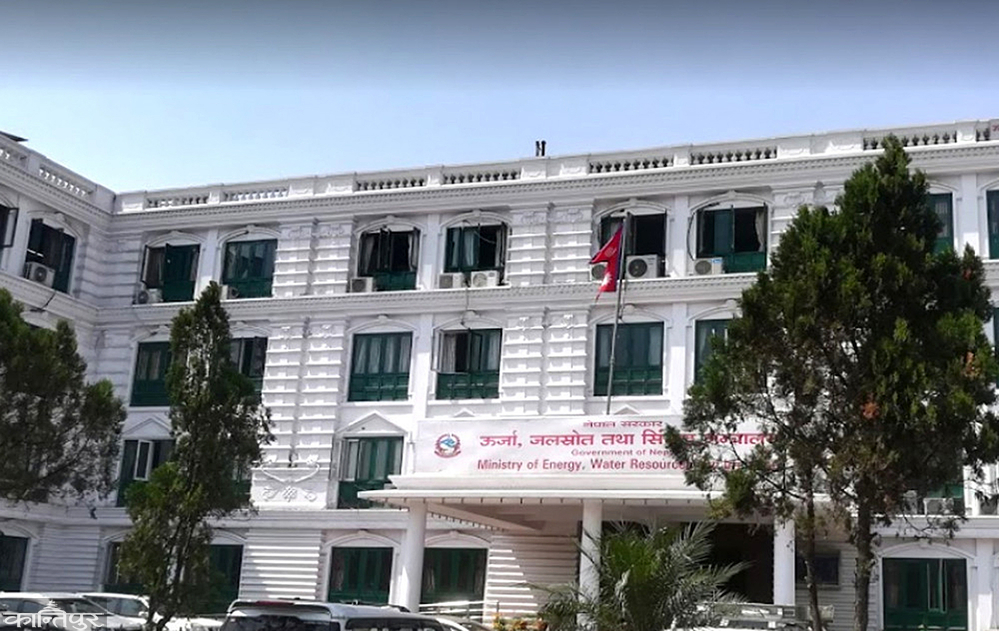
Shrestha, who comes from a business background, is now faced with the decision of whether to open the way for electricity trade, which the private sector has been demanding for a long time, or to keep it as it is. In the context of Nepal, the Nepal Electricity Authority has had a monopoly on the transmission and distribution of electricity. There has been a demand to open up the electricity trade and give it to the private sector. Experts in the field say that Shrestha will face a lot of pressure from the private sector on this issue, and it will be challenging for him to facilitate it.
The Power Purchase Agreement (PPA) has been stopped in accordance with the ‘Take and Pay’ concept introduced in the budget of the current fiscal year. In this regard, the Ministry of Finance has already sent a letter to the Ministry of Energy and the NEA stating that a PPA can be made as per the prevailing law based on the analysis of demand, export and existing PPAs. The Ministry of Energy has also sent a similar letter to the Electricity Authority, but the PPA has not been opened yet. The Rashtriya Swayamsevak Sangh (RSS) has set a target of achieving 30,000 MW of installed capacity in the coming decade in its pledge. To achieve that, a PPA will have to be opened first.
Ganesh Karki, Chairman of the Independent Power Producers Association of Nepal (IPPAN), says that a Power Purchase Agreement (PPA) should be signed immediately to meet the government's target. He says that the future Energy Minister should be politically, managerially and diplomatically qualified.
The government has already issued the Energy Development Roadmap 2081 and set a target of reaching 28,500 MW by 2035. But energy entrepreneurs say that the process has not been taken forward so far.
The main challenge of the newly appointed Energy Minister is to resolve the dedicated and trunkline arrears dispute. Even though load shedding has ended, the dedicated and trunkline arrears dispute from that time has not been resolved yet. 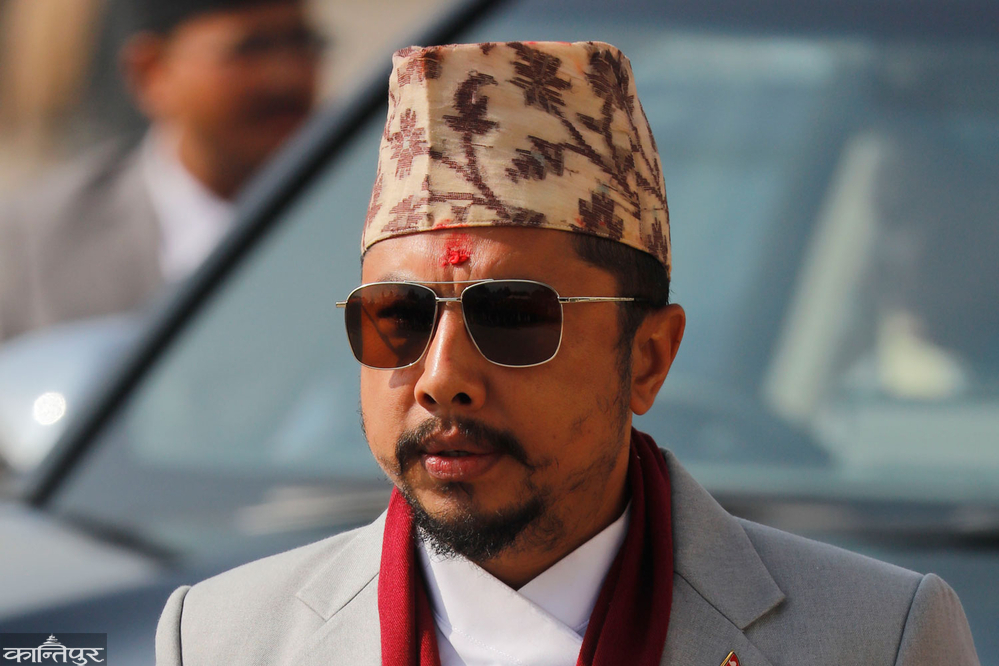
Earlier, the Girish Chandra Lal Commission formed by the government had stated that the amount will not have to be collected for the period from 2072 Shrawan to 2072 Pus when electricity tariffs have not been determined. The commission has suggested that the arrears cannot be collected for the third period, i.e. from 2075 Jestha to 2077 Ashar, since load shedding has ended.
The commission had suggested collecting the arrears from 2072 Magh to 2075 Baisakh. The Authority claims that the additional tariff for that period is Rs 6.6 billion. The Authority says that since 60 days have elapsed as per the rules, 25 percent additional fee will also have to be paid. The NEA has repeatedly cut off the lines of industries to collect arrears. Even though some industrialists have gone for the installment facility provided by the NEA, the dispute has not been resolved.
per capita electricity consumption has reached 465 kilowatt hours by 2025. The Rashtriya Swayamsevak Sangh (RSS) has set a target of increasing the annual per capita electricity consumption to 1,500 kilowatt hours by 2035. Accordingly, since adding 1,035 kilowatt hours in the next decade is ambitious in itself, stakeholders point out that it will be a challenge for Energy Minister Shrestha to work according to his own party's promise.
consumption will increase only if the government increases investment in transmission lines and distribution lines and provides quality and reliable electricity. Even now, the government has been providing customs exemption on the import of electric stoves, concessions on the import of electric vehicles, and concessions on the construction of charging stations to increase electricity consumption, but it has not been able to increase.
By Mangsir 2082, it has reached 3687 MW. But during the dry season, electricity has to be imported from India and the electricity generated during the rainy season is wasted. For this, the government will have to move forward with reservoir-based projects.
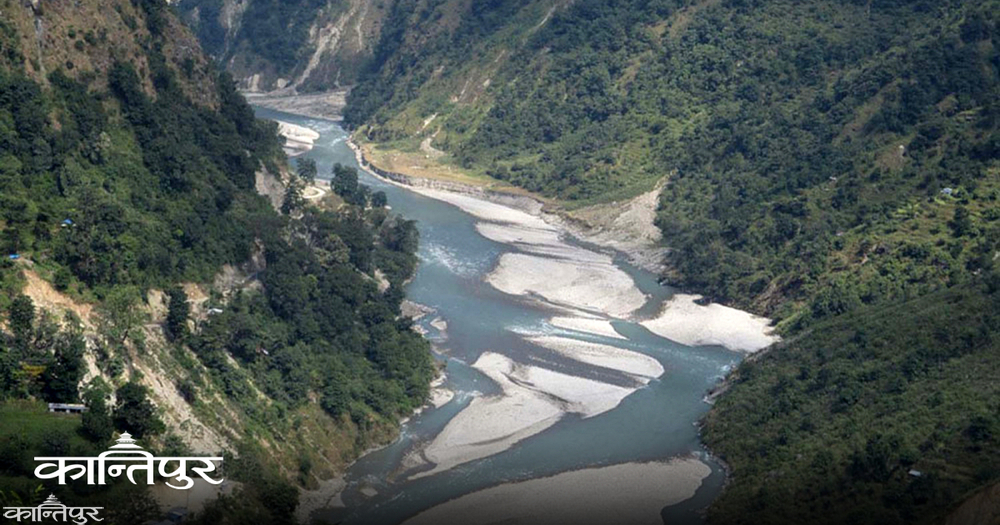
The investment modality of the 12 MW Budhi Gandaki Hydropower Project, which the government had put forward as a national pride project in 2069/70, has finally been approved by the Council of Ministers. The government should move forward with large reservoir and semi-reservoir projects, including the 1902 MW Mugu Karnali and the 454 MW Kimathanka Arun projects. Since the cost of such projects, which require billions of rupees, is not very interesting for the private sector, ensuring resources and markets is an additional challenge for the Energy Minister.
Although the license period in the Electricity Act 2049 is 50 years, the government has not It is only giving 35 years. IPPAN Chairman Karki says that it should be made mandatory for 50 years. He says that the commercial production date (RCOD) of the projects should be increased. No new act has been introduced in the country since the Electricity Act 2049. Entrepreneurs have been protesting that the proposed electricity bill does not give importance to the private sector in Nepal and is backward compared to the 2049 Act. Stakeholders are interested in how the newly appointed Energy Minister will address this protest.
The government has put forward the Sunkoshi Marine Diversion Multipurpose Project, Babai Irrigation Project, Sikta Irrigation Project, Mahakali Irrigation Project, Rani Jamara Kulariya Irrigation Project and Bheri Babai Diversion Multipurpose Project under the projects of national pride.
Despite being pride projects, new contracts have not been awarded in these projects due to lack of resource consent in the current fiscal year. As a result, the Department of Water Resources and Irrigation has stated that the risk of the construction of the entire project being pushed back by a year has increased. Therefore, the government should emphasize on giving resource consent to advance projects of national pride.
Despite the allocation of resources in the annual budget, irrigation projects have been suffering from delays for years due to the government's failure to provide resource consent on time. It seems that the new leadership will need effective inter-ministerial coordination to advance projects of pride at a rapid pace.