The match between the two footballing superpowers in 21 years has caught everyone's attention. It is said that Atlanta will witness it.
We use Google Cloud Translation Services. Google requires we provide the following disclaimer relating to use of this service:
This service may contain translations powered by Google. Google disclaims all warranties related to the translations, expressed or implied, including any warranties of accuracy, reliability, and any implied warranties of merchantability, fitness for a particular purpose, and noninfringement.
England and Argentina renew their centuries-old football rivalry on Thursday. The occasion is the 2026 World Cup semi-final. There is no other match in World Cup history that has carried so much meaning, written in blood and filled with ups and downs. There are no more bitter rivals in football than these two, as the six-decade-long on-field battle has drama, controversy and magic all in store.
So the match between the two footballing superpowers in 21 years has caught everyone's attention. It is said that Atlanta will witness it. Lionel Messi was just 18 when England and Argentina last played in 2005. England won that friendly match 3-2 in Geneva. The reason Messi did not get to play that match was because he was sent off on his debut match just before that.
The football relationship between the two countries is truly as old as a century. The first documented match in Argentine football history is believed to have taken place in 1867. The team that played in it was English railway workers. Two famous clubs in Argentina are Newell's Old Boys and Rosario Central. These two clubs were founded by the same Englishmen who made Argentina their home.
Newell's Old Boys was founded by Claudio Newell, and in the process, he named the club after his son Isaac Newell. Isaac had gone to Argentina from England in 1869. Similarly, Rosario Central was founded by 70 English workers who had arrived in Argentina. The initial goal of the club was to play football and cricket together.
Similarly, the names of two other clubs like River Plate and Boca Juniors also originated from the English language. The famous Ria de la Plata in Argentina was called River Plate in English. The club was founded with this name. Coincidentally, Boca Juniors was not founded by the English, but by workers who came from Italy. Boca referred to the place where the club was founded.
Why was the English word junior added after that? It was the Italian workers who were involved, which gave the name a modern feel. Even more incredible is that the second match of the fully internationally recognized English team was against Argentina, in 1951. Argentina was the first team to face England at Wembley after Scotland. Later, these two teams emerged as real enemies on the football field.
England and Argentina met for the first time in the 1966 World Cup. Four years earlier, in the World Cup held in Chile, England had advanced from the group stage to the quarterfinals, replacing Argentina, based on goal difference. England won the match at Wembley against the same backdrop, 1-0. It is still called the match of the century. What is the Argentine's allegation that everything was done to make England win this match.
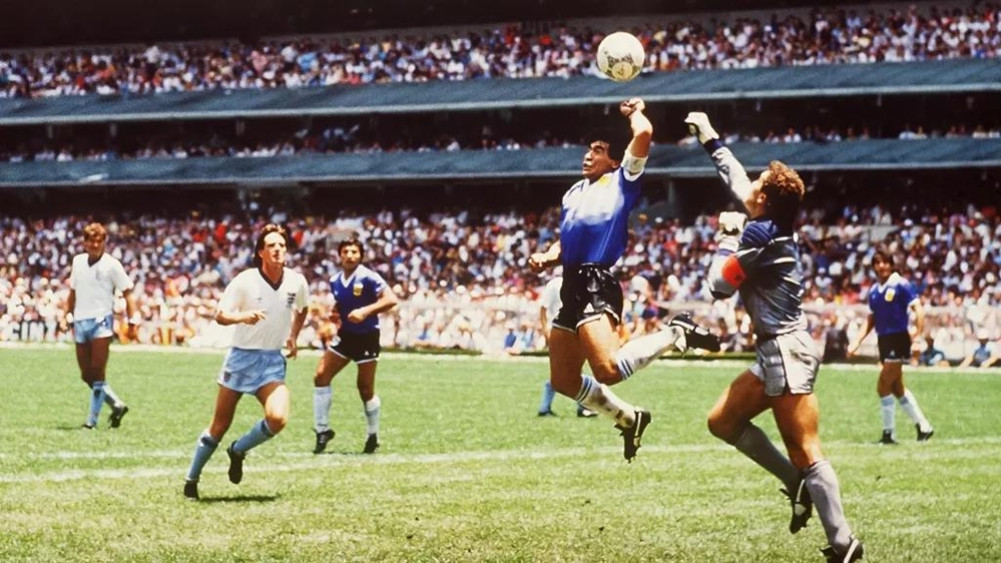
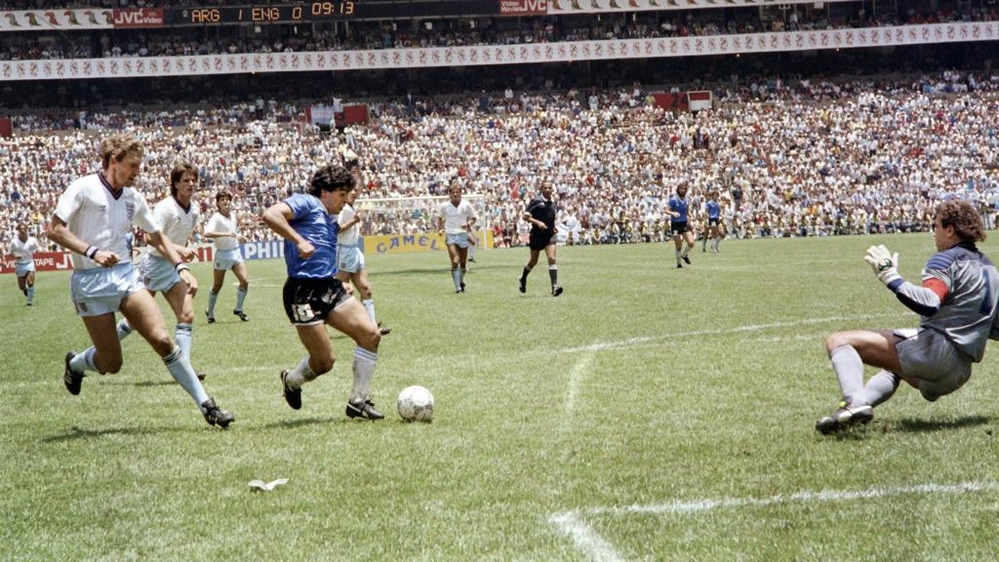
Then comes the famous match of 1986, in which Argentina defeated England 2-1. Both goals were scored by Diego Maradona. He scored the first with his hand, and later scored one of the best goals in world football.
In the 1998 World Cup, Argentina defeated England in a penalty shootout. The previous match had ended in a 2-2 draw. In that match, David Beckham was shown a red card. England managed to take revenge for that in the 2002 World Cup with a 1-0 victory. The player who scored the goal from the penalty spot was the same Beckham. With this defeat, Argentina was forced to return home from the group stage.