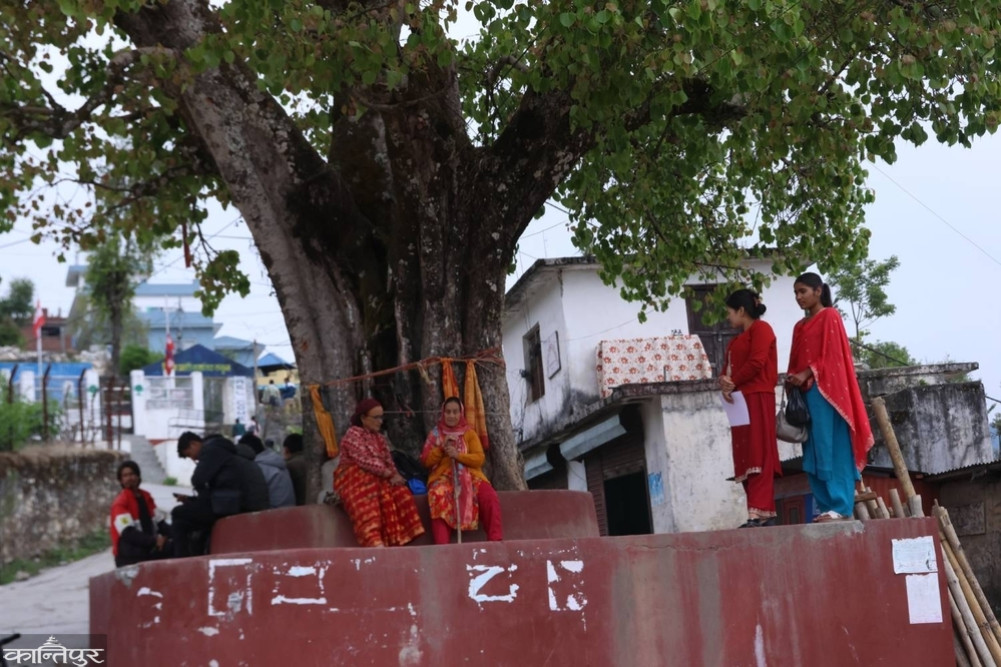
At one time, such squares were bustling with herders calling their livestock, passersby waiting with their friends behind them, farmers returning from fairs, and people waiting for their brides.
We use Google Cloud Translation Services. Google requires we provide the following disclaimer relating to use of this service:
This service may contain translations powered by Google. Google disclaims all warranties related to the translations, expressed or implied, including any warranties of accuracy, reliability, and any implied warranties of merchantability, fitness for a particular purpose, and noninfringement.
Nadu Khatri of Machhimi, Musikot Municipality-13, still has many memories of resting at the Chautari of Barpipal while crossing the lake and sharing his joys and sorrows. But with the development of time, as the paths were destroyed and roads were built, the Chautari that relieved fatigue has also disappeared.
Khatri says that at one time there were 9 Chautari within a distance of about 5 kilometers from Machhimi to Khalanga. ‘At that time, we had to cross the lake and the valley a lot. We usually stayed at the lake (Musikot-6, Pokhara). We used to carry the maize from the Aul (Machhimi) and the rice from the Aul to the lake. We used to rest at the Chautari in between,’ he said, recalling the past. ‘Someone or the other would become friends at the Chautari. That way, even if we met a stranger, we would become acquaintances.’ And the fatigue of carrying heavy loads would be relieved.’
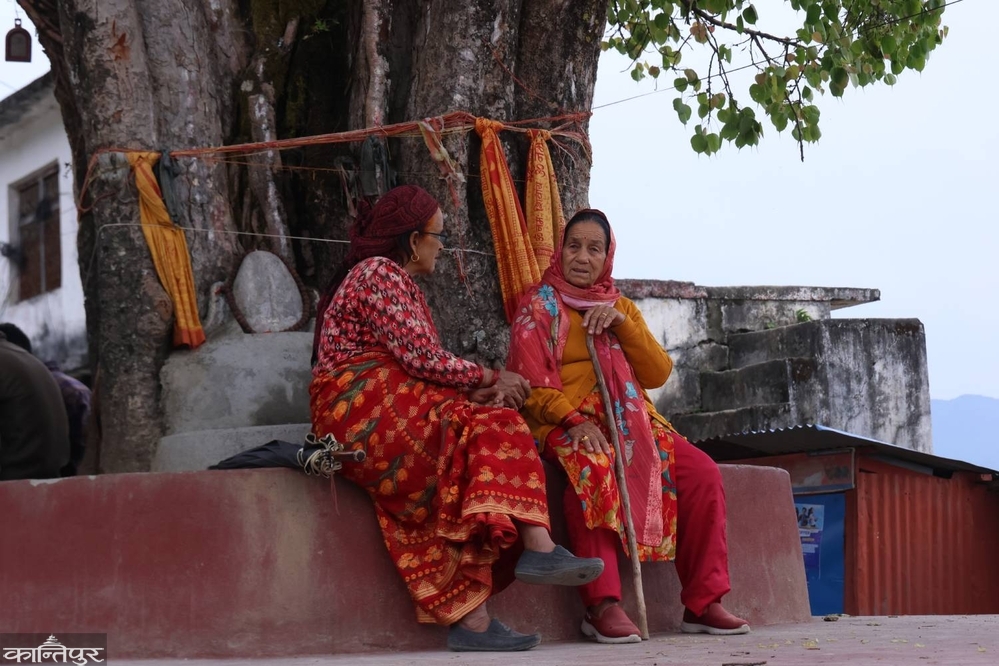
Out of these 9, barely half of the existing Chautari are gone now. ‘When we went from the village to the district headquarters to sell milk, vegetables and grains, these Chautari would not be empty from the time the sun rose in the morning until the evening darkness fell. But where are those Chautari now? Where is the path for us to walk!’ Jaya Bahadur Khatri of Rukumkot, Sisne Rural Municipality-5, Rukumpur, is not happy that the old tradition of identifying Chautari on the ups and downs of the village is disappearing. ‘In the past, it was customary to plant Chautari in memory of deceased relatives. And the villagers would also plant Chautari by donating grass (shramdan). But now all this is disappearing.’
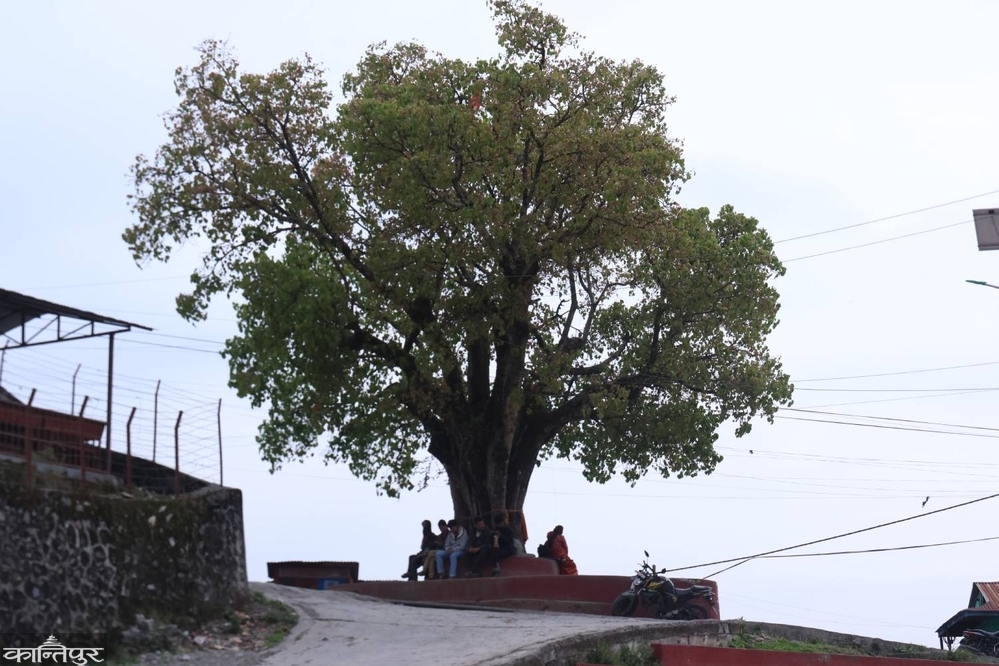
Whether it is to rest while walking up and down or to rest during fairs, such chautaris have been an integral part of our rural life. But with the changes in our lifestyle in the last few years, the chautaris are starting to disappear, especially the older generation.
Jaya Bahadur is sad that the new generation has not adopted the old custom of planting Bar-Pipal saplings in any public place, corner of the village or any place suitable for resting. He remembers that there were more than a dozen Bar-Pipal saplings in his own village Rukumkot.
‘When you reach from Sherakhet to Rumalbara, there were 10-12 chautari saplings. Some people would sit and rest in all these throughout the day. But now those bisawinis are no longer bisawinis, nor are there people living there, enjoying themselves,’ Jaya Bahadur adds, ‘Everyone has started getting into motor vehicles, who has the time to sit and relax in the chautari? In our time, these bisawinis were the meeting place for people from behind the house. So many things were done sitting here. From settling disputes like in the villages, small justice was done. Now all that is just a memory.’
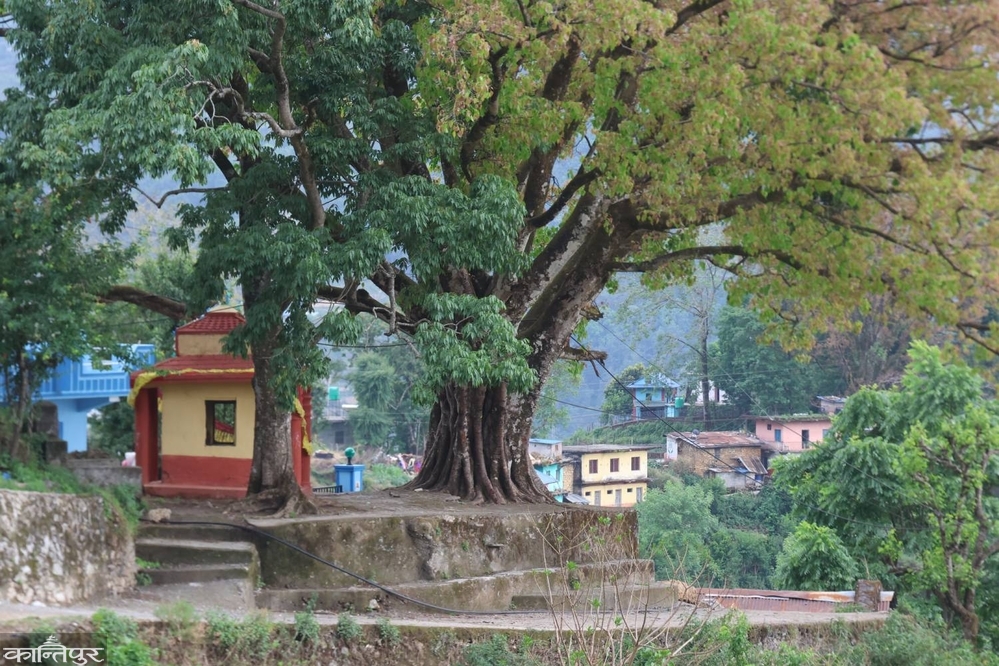
Such chautaris used to be bustling with herders calling their cattle, passersby waiting with their friends behind, farmers returning from fairs, and people waiting for their weddings. But now, many of the existing ones have started to disappear, and the existing chautaris have not received any care.
‘Some destroyed the squares on the pretext of building roads, some on the pretext of building houses. Some of the squares that exist are not covered with mud like before, they are made of cement, which does not look good,’ Hemraj Shrestha of Musikot-1 expresses his sorrow.
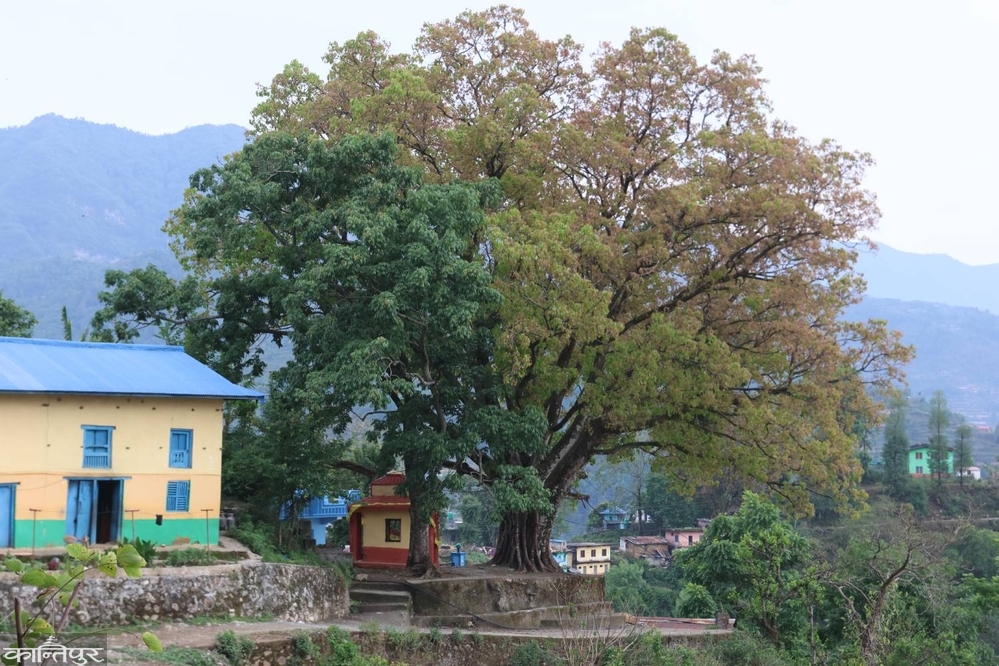
Shrestha is worried that the original appearance and beauty of the squares that exist now are also being destroyed. Although the squares could have been kept as they were before, he is upset that the government did not do so and installed cement. He says, ‘Times have changed, but we can protect our squares as they were before! After covering them with mud, old memories remain.’ After applying cement and painting like this, it may look shiny, but the old memories will not be there.'
In this regard, Musikot Municipality Mayor Mahendra KC has said that the municipality is working on a program to preserve such Chautari and Bisaunas. 'We are doing something to preserve the old Chautari every year.' He says, 'We are starting to develop and expand it in new places from repairing the existing Chautari.'
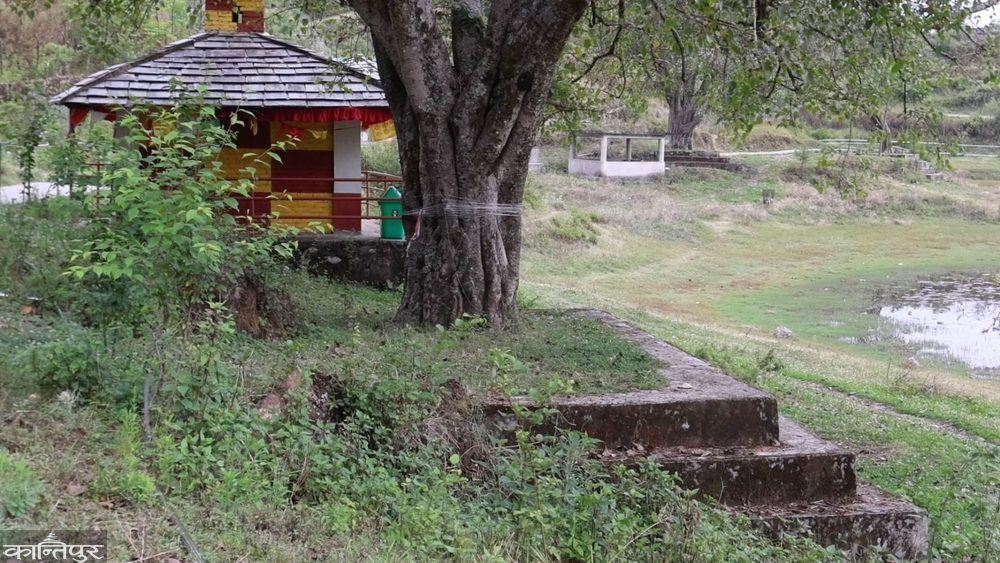
But he has admitted that they have failed to give the Chautari its original appearance. He says that the work of applying cement and painting was done with everyone's convenience in mind, which has affected its originality. 'We have failed in this. But considering the current situation and convenience, this is the right thing to do. From now on, we will also think about preserving the originality of the Chautari,' Mayor KC promised.
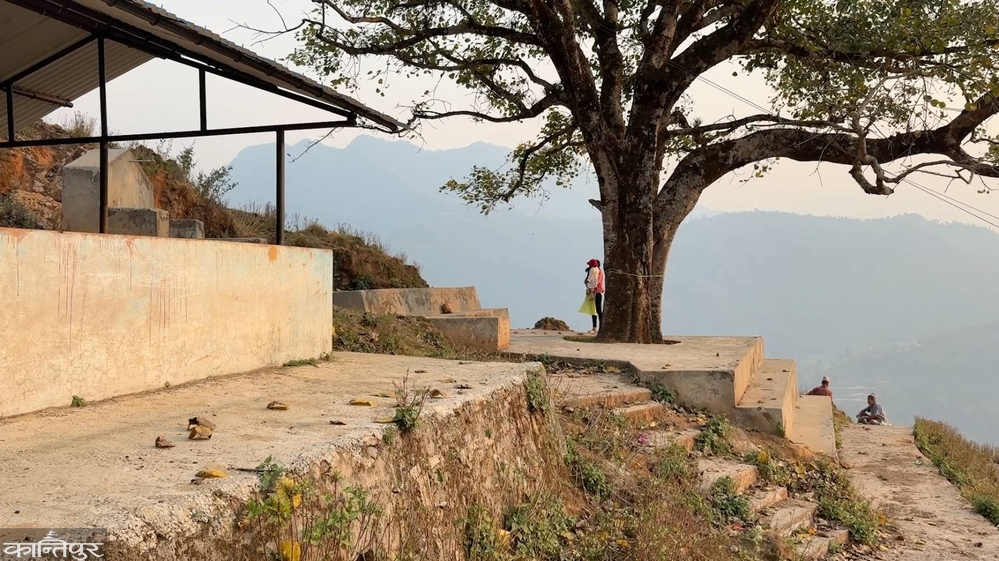
Gauri Devkota of Rukum West Bafikot says that the activities that used to take place in the Chautara have now shifted to social media. ‘Earlier, the Chautara was a place where we could meet friends, a place to hang out after leaving the house, and a place to gather and lighten our minds in times of joy and sorrow. Now it has become Facebook-TikTok for everyone!’ She says, ‘If we can meet relatives from all over the country and abroad to our neighbors here (social media), who would bother going to the Chautara?’
But Devkota also says that the joy of sitting in the Chautara and looking at the village and the road where friends are coming is not available in today’s technology. ‘The fun of glancing at the road ahead of time and seeing it and jumping with joy when you see it is not available on today’s mobile phones,’ she adds, ‘Where is the twang of this mobile phone and where is the meeting of the cool Chautari . There is no comparison, right? .’