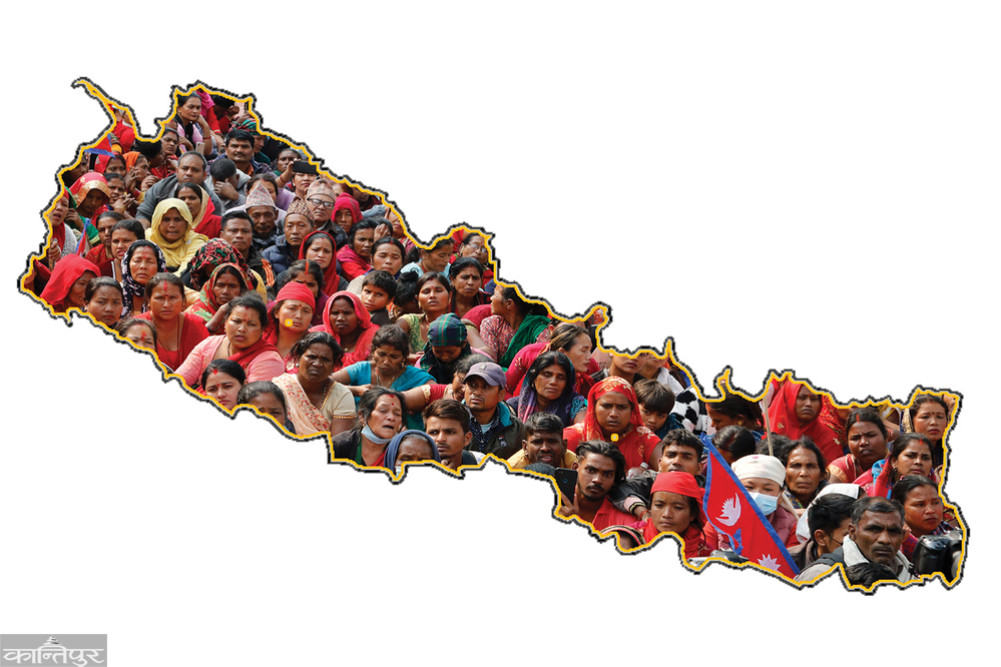
Now, hospitals have reached every local level. Emphasis has been placed on free basic health services. Highly specialized treatment of diseases including eye, heart, kidney, nerve, bone and joint, organ transplantation, plastic surgery, cancer and others has become possible within the country.
We use Google Cloud Translation Services. Google requires we provide the following disclaimer relating to use of this service:
This service may contain translations powered by Google. Google disclaims all warranties related to the translations, expressed or implied, including any warranties of accuracy, reliability, and any implied warranties of merchantability, fitness for a particular purpose, and noninfringement.
In 2048 BS, there was one hospital for 168,000 people. There was one doctor for 92,000 people. Infectious diseases such as kala-azar, elephantiasis, malaria, tuberculosis, HIV, measles, whooping cough, diarrhea, and typhoid were the main health problems.
The situation has changed a lot in the 35 years since then. Now, there is access to one hospital for less than 35,000 people. There is one doctor for less than 1,000 people. The average life expectancy has also increased. The average life expectancy of a Nepali citizen, which was 58 years in 1990, has now reached 71. At that time, the maternal mortality rate was 539 per 100,000 births. Since 2022, the maternal mortality rate has been less than 151. In the fiscal year 2053/54, 75 people died per 1,000 births, while now only 21 people die.
As mentioned here, progress has not only been made in the health sector in the past three decades. There has also been improvement in the human development index and economic indicators. Nepal's level is improving in the human development index, which shows a long and healthy life, access to knowledge, and a decent standard of living. Nepal ranks 145th out of 193 countries in the world in the United Nations Development Program's Human Development Report, 2025.
Despite improvements in the Human Development Index in recent years, the inequality between the rich and the poor has increased. However, the government's working style during this period of more than three decades has not been able to meet all the needs and expectations of the citizens. Political instability, lack of good governance, and increasing corruption have increased dissatisfaction among the citizens.
Has Nepal been deteriorating or developing in the last three decades? What do the statistics say, what do the citizens' perceptions say? This has been a subject of debate. The answer to which can only be obtained through logic, statistics, and perceptions.
Kantipur has tried to analyze the state of the Human Development Index and the economic index in the last three decades. For this, a comparison has been made between the data from the Ninth Five-Year Plan year 2053/54 to the beginning of the 16th Plan year 2079/80.
There are three aspects of human development – a long and healthy life, access to knowledge and skills, and a decent standard of living. All of these require a source of income. Human potential is developed through training, education, access to health services, and nutrition. Similarly, employment, self-employment, entrepreneurship, and innovation create opportunities to utilize potential. Anthropologists say that if such an environment is not achieved, human potential will be wasted and frustration will increase, adding to the challenge to the peace and order of society.
Kapilbabu Dahal, Associate Professor of Anthropology at Tribhuvan University, said that significant changes have occurred in the social sectors including education, health, and employment in the past three decades. ‘Nepal has made many changes in terms of numbers, participation, and inclusiveness,’ he said. ‘The narrative that it has deteriorated and collapsed by overshadowing the whole and highlighting only a few parts has been created.’ Because of this, it may seem like nothing has happened.'
He understands that the issues of positive change have been overshadowed due to political parties, leaders, the education system, and the media. He says, 'When political parties are in power, they say everything is good or happening. When the same party goes to the opposition, they say nothing has happened. Leaders also show the same double character. Because of this, good deeds are being covered up. Small bad deeds are being publicized.'
He says that the portrayal of the country itself is wrong. 'Only the broken and deteriorated is not the true picture. If you just change your perspective, the situation is different,' he said, 'If you look at the number of Dalits, women, and tribals in higher education, you see a tempting picture that can give you great hope. The level of education and health has changed. Where have the data on average life expectancy, maternal mortality rate, and infant mortality rates gone from? Nepal is a country that is progressing well and rapidly.'
After the political change of 2046, the then government took the view that 'our entire economic activity, especially the activities of the industry and trade sector, should be transparent and open in line with the new liberal and free environment.' That made it possible to make a qualitative leap in many areas.
After the change after 2046, primary health services were expanded to the villages. Sub-health posts, area health posts and primary health centers were established in the then Village Development Committees (VDCs). The health policy of 2048 BS states, 'To provide health services to the villages, a major objective will be to establish a sub-health post in each VDC within the next 5 years and to provide integrated health services from that sub-health post. The existing health posts in 205 electoral districts will be gradually upgraded and converted into primary health centers.'
Now hospitals have reached every local level. Emphasis has been placed on free basic health services. Highly specialized treatment of diseases including eyes, heart, kidneys, nerves, bones and joints, organ transplants, plastic surgery, cancer and other diseases has become possible in the country. Infectious diseases such as kala-azar, elephantiasis, malaria, tuberculosis, HIV, measles, whooping cough, diphtheria, diarrhea, and typhoid, which are major health problems, are under control.
Improvement in education
In 2007, only about 2 percent of citizens could read simple texts. In 2047, 36 percent of citizens could read simple texts. The number of people who can read has now reached 76 percent. 23.77 million 980 people above the age of five can both read and write. According to the National Census 2078, the literacy rate of men has reached 83.6 percent and that of women has reached 69.4 percent.
However, despite the government's repeated announcements to eradicate illiteracy since 2046, it has failed. Due to poverty, low income levels, 770,000 children from remote regions and marginalized communities remain out of school. This data shows that 10 percent of school-age children are out of the classroom. Despite increased access to education, the data shows that challenges remain.
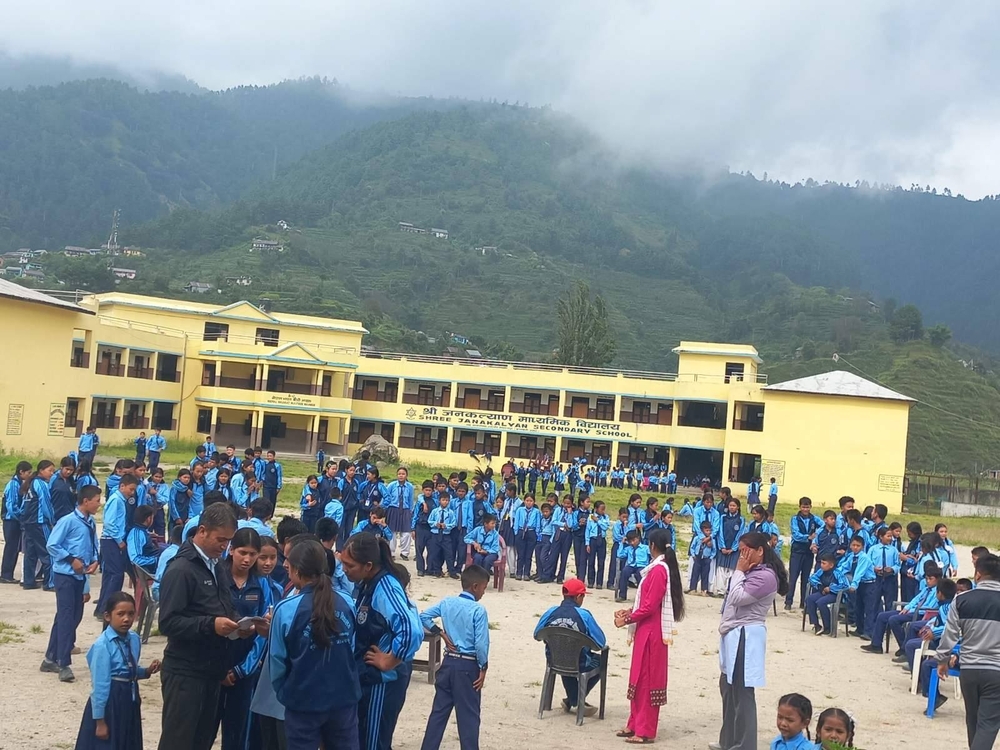 According to the National Education Commission report, 2049, only 62 percent of primary school-age children were enrolled in school at that time. Now 96 percent of children are enrolled in school. At that time, only 27 percent of those enrolled completed primary education. By 2081, 86 percent of those enrolled completed basic education (grade 8).
According to educational data as of 2047, there were 3,964 lower secondary and 1,954 secondary schools across the country. The report mentions that at that time, there were 40 to 200 students studying in secondary schools. Now, the number of secondary schools has reached only 11,000. Of these, 4,000 are private secondary schools. There are 27,298 community schools across the country.
Before the 1950s, even for general higher education, one had to go to the capital or big cities. Now, around 1,500 campuses have spread across the country. Universities have reached all seven provinces, including Sudurpaschim and Karnali, for higher education.
CTEVT has been established for technical education and schools have been operated at most local levels. In 2050/51, the government decided to establish the BP Koirala Medical Institute in Dharan in the Eastern Development Region to expand medical education outside Kathmandu. Currently, two dozen medical colleges, both government and private, are operating across the country. The compulsion to go abroad to study medical education has been removed, and an environment is also being created for foreign students to study medical education in Nepal.
Once upon a time, technical training for skills was available only in limited places like Jiri in Dolakha, Balaju in Kathmandu, and Jumla. Now, more than a thousand institutions conduct training for skills. Although educational institutions have expanded rapidly, there are also questions about the quality of learning and skills.
Economic growth
The first government formed after the political change implemented comprehensive economic reforms. The government formed after the drafting of the new constitution quickly implemented reform policies that would have far-reaching effects in all sectors. An Administration Reform Commission was formed to reform public administration, and based on its suggestions, administrative mechanisms and procedures were improved.
Many policies for reforming the economic sector were implemented between 2048 and 2051. The essence of these reforms was the dissolution of the mixed economy that the country had been adopting until then and the beginning of a liberal and market-oriented economy.
In the same vein, international trade was opened up. The import system based on the permit system was removed. The private sector was also made easier to enter sectors that were not open to investment, such as air services, mass communications, hydropower development, insurance, banking, etc. Interest rates and foreign exchange rates were left to the open market. In line with the policy of using public investment to build human capital, rural development, infrastructure development, and leaving the market to do what the market could do, privatization of government-owned enterprises began.
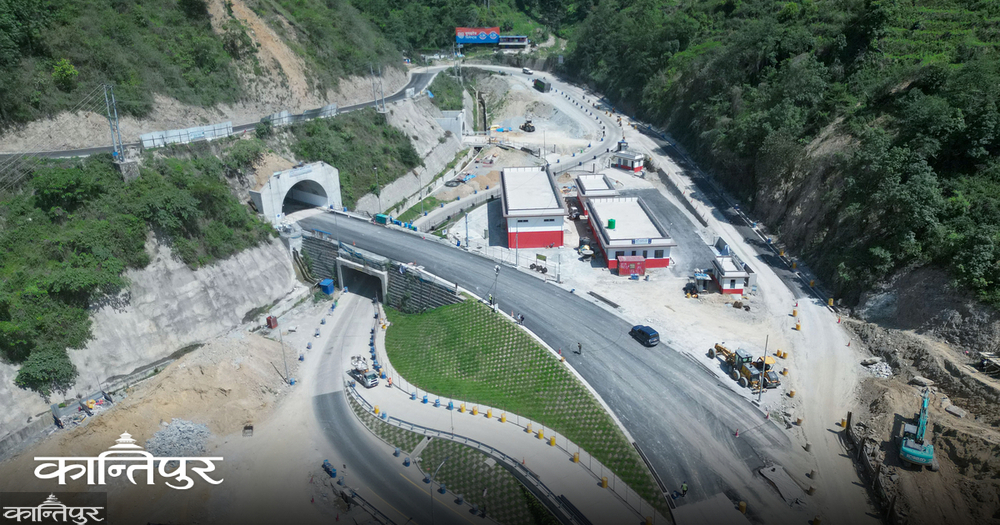 Foreign investment was opened up to many industries and businesses, except for a limited number. Due to changes in the allocation of public expenditure, the ability to increase government spending on health, education, rural development, and social security was created. That reform led to high economic growth in the five years after 2048. Exports increased and the trade deficit decreased. Although there was no overall systemic reform like in 2048 BS, efforts to reform the economy in a sectoral manner have been made during the reign of each government, but the expected development has not been achieved.
Former Vice Chairman of the National Planning Commission Min Bahadur Shrestha said that despite the fact that Nepal has not been able to achieve the expected economic growth in the last three and a half decades, it has made good progress in the social sector. He also said that Nepal has been awarded for developing the social sector well along with economic development compared to some other countries. ‘Economic equality, women empowerment, and empowerment of marginalized communities are among the aspects of social development.’ He said that many countries have a problem with good economic development but not good social development accordingly, ‘Nepal has made good development in the social sector even though it has not been able to achieve the expected economic growth for many years.’
Vice Chairman Shrestha said that Nepal’s achievements in poverty alleviation are also considered good. But he admitted that the expected results have not been achieved according to capacity and potential. After 2047 BS, 32 governments have been formed in the 35 years. Political instability has led to policy instability. The liberalization policy of the Congress government and the social security policy and social empowerment of the UML government seem to have had a positive impact on the country's economy, social security and equality.
There was a possibility of achieving many achievements in the past 35 years. Vice President Shrestha analyzes that if any party, regardless of this or that party, had run the government well for five years, the expected achievements would have been achieved and the state of Nepal's economy would have reached a much higher level than it is now. He says that the reasons for not achieving the expected goals in the past 35 years are political instability, increasing corruption, the judiciary, bureaucracy and, more recently, distortions in the private sector.
In the past, the private sector was encouraged through privatization. Former Vice President Shrestha said that due to this, the private sector has turned into syndicates and middlemen instead of competing. 'The middlemen have become a nuisance instead of a national capitalist.' He claims that if it cannot be controlled even now, the situation will not change and the expected economic improvement will not occur, no matter which government comes in power.
Improvement in the financial sector
There has been extensive improvement in the development and regulation of banks and the financial sector since 2058 BS. The government-owned Rastriya Banijya Bank and the Agricultural Development Bank were in financial trouble. Nepal Industrial Development Corporation was on the verge of bankruptcy. Nepal Bank was also in a weak position. In 2059 BS, a foreign company/individual was given a management contract to improve the financial management of Rastriya Banijya Bank and Nepal Bank Limited.
The Financial Sector Reform Program helped to make the bank's regulatory system effective. In the meantime, many rules and laws in the financial sector have been improved. As a result, there has been extensive improvement not only in the regulation of banks and financial institutions but also in payments, electronic transaction settlement and clearing. There has been a significant improvement not only in domestic but also in international electronic payments.
Capital market
Nepal's organized securities market began with the establishment of the Securities Buying and Selling Center in 2033 BS to trade government bonds. In 2040 BS, the Securities Trading Act was issued, and secondary market trading of shares also started through this center in 2041 BS. The capital market is considered to have started trading regularly from 2050 with the formal establishment of the Stock Exchange and the Nepal Securities Board. From 2050 to 2064, shares were traded through 'open out cry'. From 2064 BS, the electronic trading system was started, which helped securities trading formally move outside the confines of Kathmandu. Full demat (dematerialized) share trading started from 2072 BS. Full online trading started from 2075 BS.
यसरी प्रविधिको प्रयोग हुँदै जाँदा लगानीकर्ताको संख्या, बजार पहुँच र बजारको आकार बढे पनि २०४१ मा जस्तै अहिलेसम्म पनि बजारमा केही सीमित मात्रामा ऋणपत्रको कारोबारबाहेक पूर्ण रूपमा सेयरको मात्र कारोबार हुन्छ । कानुनले बाध्य परेकोबाहेक केही सीमित कम्पनी मात्र बजारमा आएका छन् । स्वतन्त्र रूपमा बजारमा आएका कतिपय कम्पनीहरूको वित्तीय अवस्था कमजोर देखिन्छ । देशको अर्थतन्त्रलाई सकारात्मक असर पर्ने र राम्रो व्यवस्थापन र नाफामा सञ्चालन भएका धेरै कम्पनीहरू अझै बजारमा आउन चाहँदैनन् ।
बजार मुख्य रूपमा सट्टेबाजीमा रमाएको छ । ९० प्रतिशतभन्दा बढी कारोबार व्यक्तिगत लगानीकर्ताले धानेका छन्, संस्थागत लगानीकर्ताको संख्या अत्यन्तै सीमित छ, विदेशी लगानीकर्तालाई अझै बजार खुला छैन, बजारको जोखिम व्यवस्थापनका लागि आवश्यक उपकरण र त्यससँग सम्बन्धित मध्यस्थ कम्पनीहरू बजारमा छैनन् । प्रविधिको प्रयोगबाट प्राप्त हुनुपर्ने कतिपय सहजता अझै पर छ । सबैभन्दा ठूलो कुरो पुँजीसँग सम्बन्धित जोखिमसहितको यस बजारमा आवश्यक मात्रामा वित्तीय र प्राविधिक ज्ञान भएका लगानीकर्ताको खाँचो छ ।
सडक र सञ्चार
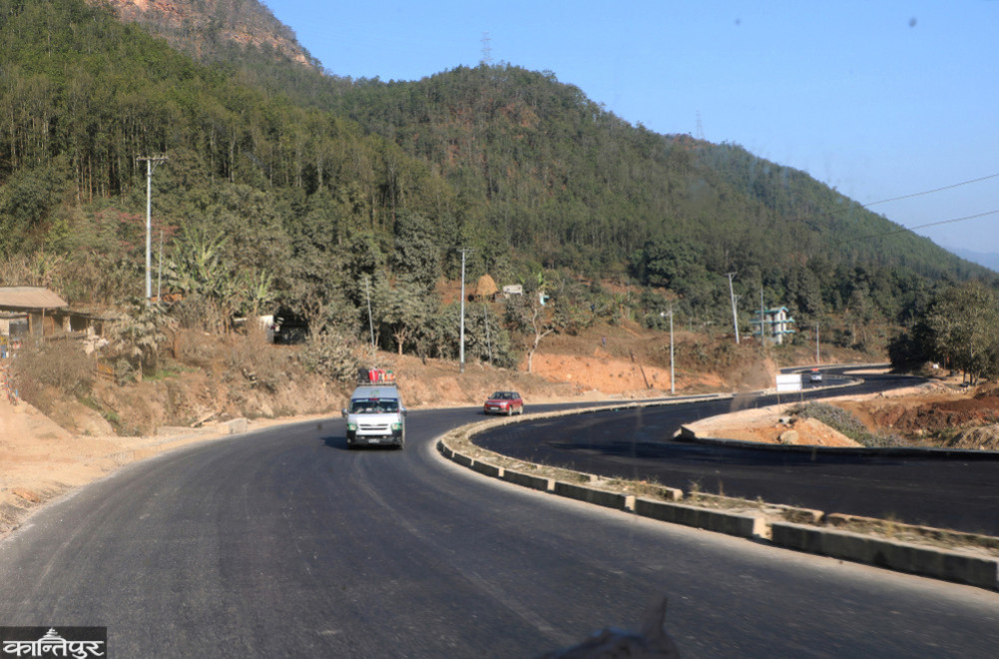
राणाकालीन समय नेपालमा सडक विस्तार हुन थाले पनि २०४६ पछिको राजनीतिक परिवर्तनपछि तीव्रता पाएको र २०६२ यता सडक सञ्चालनले बिजुली क्रान्ति नै भएको देखिन्छ । ७७ जिल्लाका सदरमुकाम सडक सञ्जालले जोडिएका छन् भने ७२ जिल्लामा कालोपत्रे सडक पुगिसकेको सडक विभागको तथ्यांक छ । २००७ सालसम्म ५ किलोमिटर मात्रै कालोपत्रे सडक थियो । ८३ किलोमिटर ग्राभेल र २ सय ८८ किलोमिटर सडकको ट्र्याक खुलेको थियो ।
२०६२/६३ सम्म मुलुकभर १७ हजार ६ सय ९ किलोमिटर सडक विस्तार भयो । अहिले संघीय, प्रादेशिक र स्थानीय गरी १ लाख किलोमिटरभन्दा बढी सडक विस्तार भइसकेको छ । आर्थिक सर्वेक्षण २०८१ मा राष्ट्रिय राजमार्ग मात्र ३४ हजार २ सय ६ किलोमिटर रहेको उल्लेख छ । सडकका ट्र्याक मात्र खुलेका होइनन्, चार लेनका सडक विस्तार हुन थालेका छन् । काठमाडौं उपत्यकामा १९९८ मा पहिलो पटक गाडी आएको थियो । त्यो गाडी मकवानपुरको भीमफेदीबाट मानिसहरूले बोकेर ल्याएका थिए । अहिले निजी तथा सार्वजनिक यातायातहरूको चाप छ ।
आर्थिक वर्ष २०४९/५० मा सरकारले नेपाल अधिराज्यका प्रत्येक जिल्ला सदरमुकाममा टेलिफोन सेवा उपलब्ध गराउँदै जाने नीति अघि सारेको थियो । त्यतिबेलाको बजेट वक्तव्यमा भनिएको छ, ‘विभिन्न जिल्लाका महत्त्वपूर्ण इलाकाहरूमा र हालसम्म टेलिफोन सेवा उपलब्ध नभएका केही दुर्गम जिल्लाका सदरमुकामहरूमा समेत टेलिफोन सेवा उपलब्ध गराउनेतर्फ प्रारम्भिक कार्य सुरु गरिनेछ ।’
 त्यसयताको ३०/३२ वर्षमा सञ्चार क्षेत्र विस्तारको गति तीव्र देखिन्छ । अहिले २ करोड ९८ लाख ८८ हजार २ सय २५ जनाले मोबाइल फोन प्रयोग गरेको तथ्यांक छ । १९९४ मा नेपालमा पहिलो पटक इन्टरनेट सेवाको थालनी भएको छ । २०६० सालमा आइपुग्दा इन्टरनेट प्रयोगकर्ता ३० हजारमा सीमित थिए । यतिबेला करिब शतप्रतिशत नेपाली इन्टरनेटको पहुँचमा रहेको प्राधिकरणले जनाएको छ ।
लोडसेडिङदेखि उज्यालो नेपालसम्म
वि.सं. १९६८ मा ५०० किलोवाटबाट सुरु भएको जलविद्युत् उत्पादनको क्षमता त्यसको एक शताब्दीपश्चात् वि.सं. २०६८ सम्म आउँदा ६६५ मेगावाट पुगेको थियो । निजी क्षेत्रको उत्साहजनक सहभागिताकै कारण वि.सं. २०७८ सम्म जलविद्युत्तर्फ कुल जडित क्षमता २०३३ मेगावाट र वि.सं. २०८२ मंसिरसम्म ३६८७ मेगावाट पुगेको छ । विद्युत् प्रसारण र व्यापारमा समेत निजी क्षेत्रको स्थान स्थापित गर्न सकेमा विद्युत् उत्पादनमार्फत देशको आर्थिक समृद्धि साकार पार्ने उद्देश्य हासिल गर्न सहज हुनेछ । विद्युत् क्षेत्रको विकास र विस्तारमार्फत स्वच्छ ऊर्जाको उत्पादन तथा खपत गर्ने र ऊर्जा उत्पादनबाटै आर्थिक समृद्धि हासिल गर्ने नेपालको लक्ष्य पूरा गर्न सकिने विद्युत् विकास विभागकी महानिर्देशक मनदेवी श्रेष्ठले बताइन् ।
नेपालले पनि आफ्नो आर्थिक समुन्नतिको यात्रामा ऊर्जा क्षेत्रको विकास र प्रवर्द्धनलाई उचित महत्त्व र स्थान दिँदै आएको छ । जलस्रोतको प्रचुर उपलब्धतासँगै प्राकृतिक भूगोलको संयोजनले नेपाललाई स्वच्छ ऊर्जातर्फ जलविद्युत् उत्पादन गर्न सक्ने ठूलो सम्भावना भएको राष्ट्रका रूपमा स्थापित गरेको छ । यो सम्भावनालाई आर्थिक उन्नतिका निमित्त एउटा साधनका रूपमा स्थापित गर्दै नेपालले वि.सं. २०४९ पश्चात् जलविद्युत् क्षेत्रको विकास र प्रवर्द्धनमा महत्त्वपूर्ण पाइला चालेको उनको भनाइ छ ।
विद्युत् उत्पादनमा निजी क्षेत्रको उल्लेख्य सहभागिता सुनिश्चित एवं प्रवर्द्धन गर्न राज्यले नियमित रूपमा लिएका नीतिहरूको ठूलो भूमिका रहँदै आएको छ । जलविद्युत् आयोजनाहरूले उत्पादन गर्ने विद्युत्लाई विद्युत् खरिदबिक्री सम्झौतामार्फत नेपाल विद्युत् प्राधिकरणले खरिद गर्ने प्रबन्ध गर्दै बजारको जोखिम लिने नीति लिएको छ । सोही नीतिका कारण विद्युत् उत्पादनका आयोजनाहरूको विकास निर्माणमा प्रवर्द्धक, बैंक तथा वित्तीय संस्थाहरूले लगानी गर्ने वातावरण सिर्जना भएको छ । विद्युत्को आन्तरिक खपत न्यून रहे पनि निर्यातको सम्भावना एवं आन्तरिक खपत विस्तार गर्ने उद्देश्यका साथ नेपाल विद्युत् प्राधिकरणले करिब ११ हजार ४ सय मेगावाट जडित क्षमताको विद्युत् खरिदको सम्झौता गरी बजारको जोखिम लिइसकेको छ ।
नेपालको सन्दर्भमा विद्युत्को प्रसारण र वितरणमा लगभग नेपाल विद्युत् प्राधिकरणको एकाधिकार छ । विद्युत् उत्पादनका आयोजनाको विकास र विस्तारसँगै नेपाल विद्युत् प्राधिकरणले समेत नेपाल सरकार र अन्य विभिन्न बहुराष्ट्रिय दातृ निकायहरूको स्रोत परिचालन गर्दै प्रसारण तथा वितरणका पूर्वाधारको विकास एवं विस्तार गर्दै आएको छ । यसैको फलस्वरूप वि.सं. २०८२ सम्म आइपुग्दा नेपालमा विद्युतीकरण ९८ प्रतिशतभन्दा बढी भइसकेको छ ।
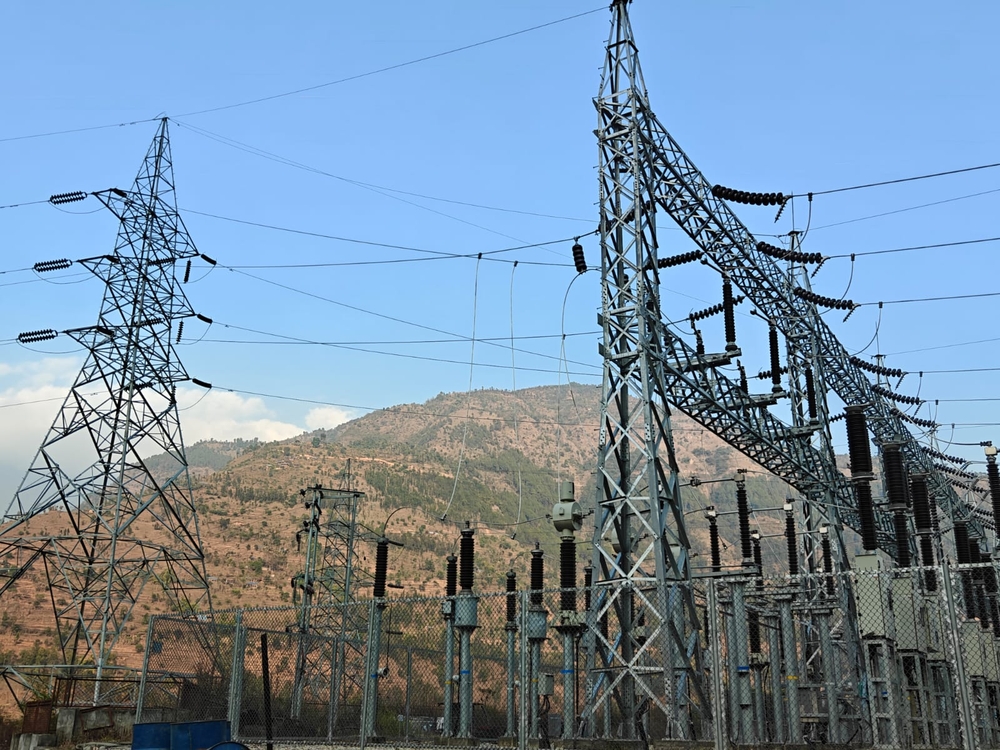 अझै पनि केही स्थानीय तहहरूको केही स्थानहरूमा राष्ट्रिय ग्रिडमार्फत विद्युतीकरण सम्पन्न नभए पनि अफ–ग्रिड विद्युत् आयोजनाहरूमार्फत विद्युत्को पहुँच पुर्याइएको अवस्था छ । ३३ केभीदेखि २२० केभीसम्मका प्रसारण लाइनहरूमार्फत विद्युत् प्रसारण गरिरहेको नेपाल विद्युत् प्राधिकरणले पछिल्लो समय विद्युत् उत्पादनमा गर्दै गरेको वृद्धि र भविष्यमा विद्युत् प्रसारण गर्न आवश्यक हुने प्रसारण लाइनहरू पहिचान गरी २२० केभी र ४०० केभी क्षमताका विभिन्न नदी करिडोर एवं अन्य स्थानमा प्रसारण आयोजनाहरूको निर्माण कार्य तीव्र रूपमा अगाडि बढाएको छ ।
ऊर्जा विकास मार्गचित्र २०८१ अनुसार ७ सय ५३ स्थानीय तहमा राष्ट्रिय प्र्रणालीको पहुँच पुगेको छ । पहुँच नपुगेका स्थानमा वैकल्पिक ऊर्जा प्रवर्द्धन केन्द्रबाट विद्युतीकरण भइरहेको छ । हाल नेपालको प्रतिव्यक्ति विद्युत् खपत करिब ४ सय युनिट रहेको छ । यसलाई ५ वर्षभित्र प्रतिव्यक्ति ७ सय युनिट पुर्याउने लक्ष्य लिइएको छ ।
गरिबी अझै २० प्रतिशत
२०४९ साल असार २६ गते अर्थ राज्यमन्त्री महेश आचार्यले संसद्मा बजेट वक्तव्य प्रस्तुत गर्दै भनेका थिए, ‘हाम्रो मूल समस्या गरिबी र पछौटेपन हो । यही समस्याको निराकरण नै हाम्रा सम्पूर्ण आर्थिक क्रियाकलाप र प्रस्तुत बजेटको केन्द्रबिन्दु हो । तर ध्यान दिनुपर्ने कुरा के छ भने एकातिर हाम्रो गरिबी व्यापक र कहालीलाग्दो छ । अर्कोतर्फ त्यससँग जुध्ने हामीसँग साधन र स्रोत मात्र हैन, उत्पादनका सम्भावनाहरूसमेत सीमित छन् । सरकार आर्थिक क्रान्ति ल्याउने प्रयासमा लागेको छ ।’
तर मुलुकमा २०.३ प्रतिशतभन्दा बढी जनसंख्या अझै गरिबीको रेखामुनि रहेको तथ्यांक छ । बेरोजगारी र न्यून आयका कारण मानिसहरू निम्न जीवनस्तर जिउन बाध्य छन् । श्रम शक्ति सर्वेक्षण २०७४/७५ अनुसार १५ वर्ष वा सोभन्दा बढी उमेर समूहका जनसंख्यामध्ये ९ लाख बेरोजगार छन् । जसमा पाँच लाख पुरुष र चार लाख महिला छन् । बेरोजगारी र स्वरोजगारीको अभावमा नै नेपालीहरू वैदेशिक रोजगारीमा जाने गरेका छन् ।
गरिब र धनीबीचको आर्थिक असमानता घटाउँदै गरिबीको रेखामुनि रहेको जनसंख्यालाई एकल अंकमा ल्याउने सरकारको लक्ष्य भए पनि कुल जनसंख्यामध्ये ५९ लाख ६० हजार जनसंख्या गरिबीको रेखामुनि रहेको नेपाल जीवनस्तर सर्वेक्षण प्रतिवेदनले देखाएको हो । अर्थात् ती मानिसले न्यूनतम आधारभूत आवश्यकता (गाँस, बास, कपास, शिक्षा, स्वास्थ्य आदि) पूरा गर्न सकेका छैनन् । सरकारले १५औं पञ्चवर्षीय योजनामा आर्थिक वर्ष ०८०/८१ सम्ममा नेपालको गरिबी एकल अंकमा झार्ने लक्ष्य राखेको थियो । हाल सञ्चालनमा रहेको १६औं योजनाले आर्थिक वर्ष २०८५/८६ मा गरिबी १२ प्रतिशतमा झार्ने लक्ष्य तय गरेको छ ।
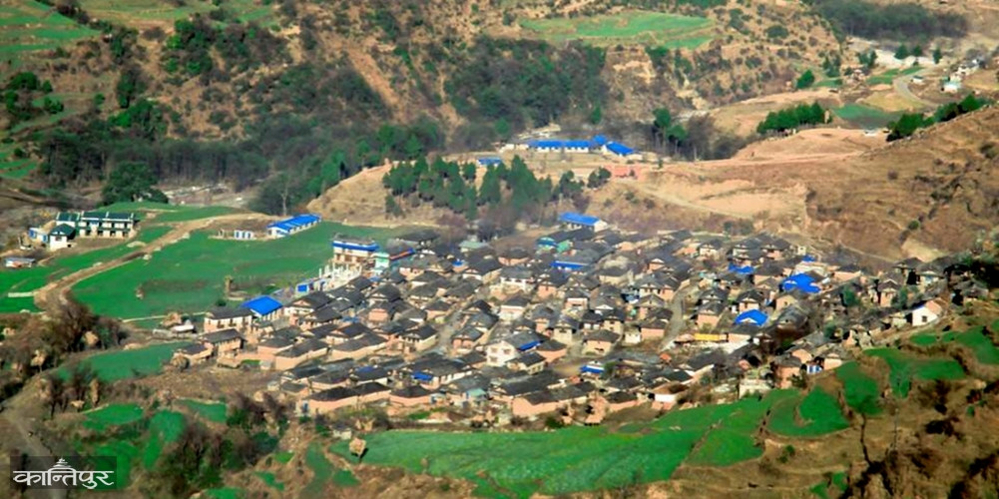
नेपालले ३५ वर्षको अवधिमा मानव विकास सूचकांकमा करिब ५५ प्रतिशतले वृद्धि गरेको भए पनि अन्य राष्ट्रहरूको तुलनामा पर्याप्त नभएको अर्थशास्त्री कल्पना खनाल बताउँछिन् । शिक्षा, स्वास्थ्य, सामाजिक सुरक्षालगायत क्षेत्रमा राज्यस्तरबाट धेरै लगानी भएकाले सुधार पनि देखिएको छ । तर, त्यो विकास पर्याप्त होइन । यो बीचमा खासगरी स्वास्थ्य क्षेत्रमा विदेशी सहयोग अनुदान पनि खर्च भएको छ भने शिक्षा, सामाजिक सुरक्षालगायतमा राज्यले पनि ठूलो सहयोग गरेको छ ।
जीडीपी पनि केही बढेको हो । तर, हाम्रो आवश्यकता र छिमेकी राष्ट्रहरूको तुलनामा आर्थिक वृद्धिदर पनि कम हो । जीडीपीको अनुपातमा रेमिट्यान्स करिब २६ प्रतिशत छ । यसले आयात बढाएको छ । बितेका ३ दशकमा मानव विकास सूचकांकमा सुधार देखिए पनि आर्थिक उन्नतिका हिसाबले अपेक्षित प्रगति भएको छैन । तर, विगत र अहिलेका आफ्नै सूचकहरूसँग विश्लेषण गर्दा केही सकारात्मक प्रगति देखिएको छ र त्यसैमा सन्तोष मान्नुपर्ने अवस्था नरहेको खनालको भनाइ छ ।