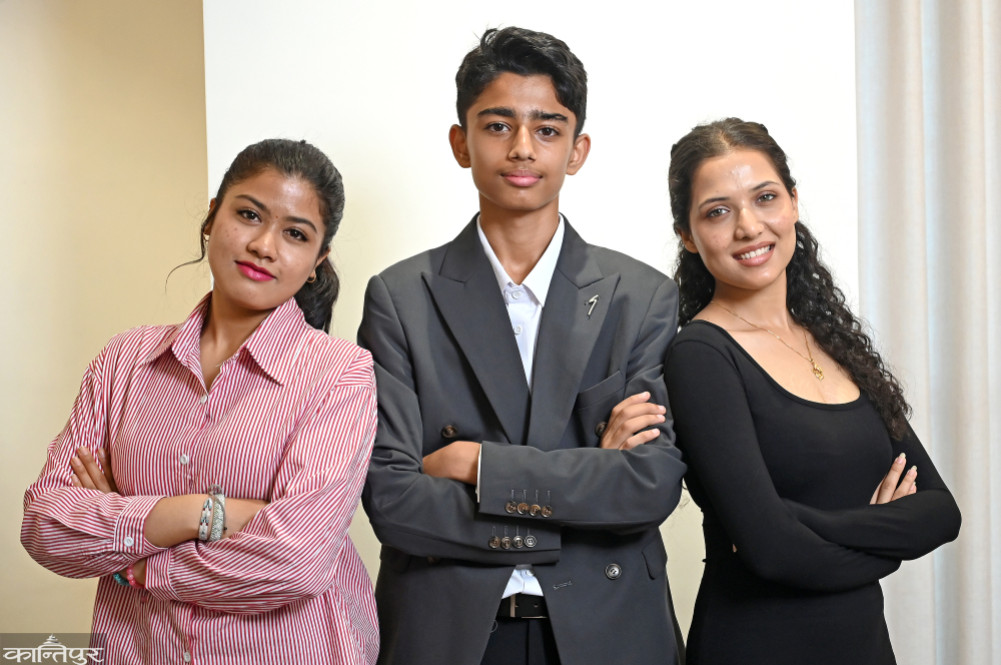
”Zen-G” has started to consider Instagram as more convenient than Facebook, because everyone from family and relatives are there, they don't want to use Facebook, they think Facebook is unsafe.
We use Google Cloud Translation Services. Google requires we provide the following disclaimer relating to use of this service:
This service may contain translations powered by Google. Google disclaims all warranties related to the translations, expressed or implied, including any warranties of accuracy, reliability, and any implied warranties of merchantability, fitness for a particular purpose, and noninfringement.
The 'Gen-G' generation, who grew up with social media, are not so active on Facebook lately. Even though they use Facebook, they don't share their photos and thoughts and reactions. Neither do they 'react' on Facebook statuses of family or relatives. Instead, they watch and enjoy memes in their limited circle of friends.
That is why they are also called Mim generation. The way of thinking and working style of the 'Gen-G' generation, who are connected to the world because of social media, is also different. An example of this difference is their choice of social media. The 'Gen-G' generation feels more comfortable on Instagram.
15-year-old Shivan Sharma, studying in Class 10 at Akshara School, says, "Most of my friends of my age don't have a Facebook account. Everyone is on Instagram, that's why I opened Instagram. Even though he did not have that passion for social media, the fear of 'being left behind' forced him to open Instagram. "I started Instagram to make communication easier," he says, "but I don't post my stuff that much."
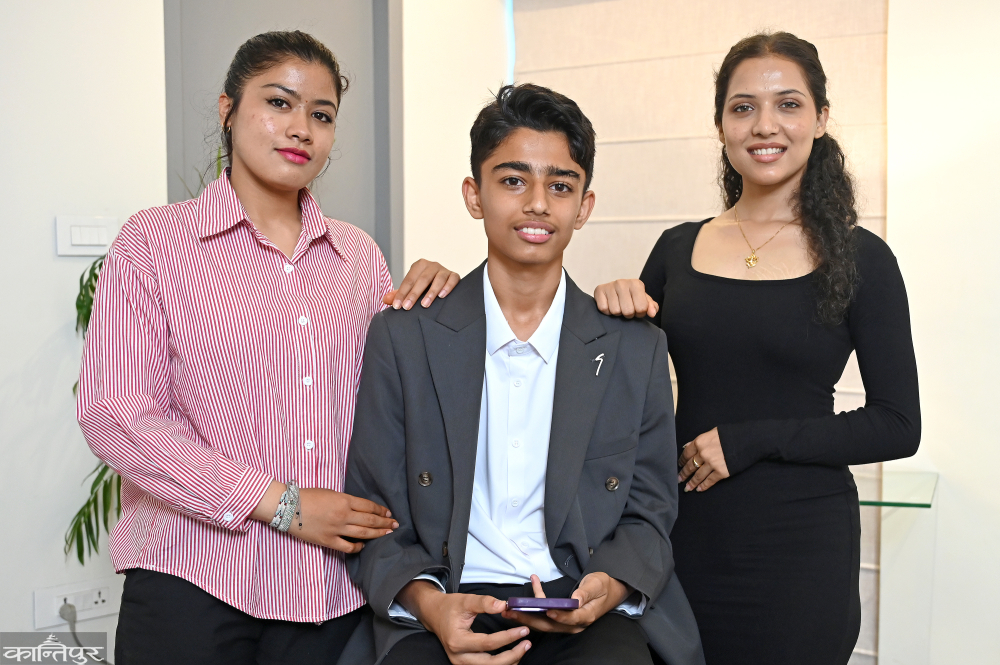 The widespread use of the Internet and social media among the younger generation in recent times is classified into four generations. Those born between 1965 and 1979 are called Generation X, those born between 1980 and 1994 are called Generation Millennials, those born between 1995 and 2012 are called Generation Z (Gen-G) and those born after 2013 are called Generation Alpha. Gen-G appears to be more aware and alert than the Millennial generation. They do not post randomly on social media for fear of personal insecurity. In Facebook, which is joined by almost every generation, the Gen-G generation seems to have stopped showing interest due to insecurity. Most of them are not even aware of its regulation and safety methods. That's why things like cyber bullying and trolls happen more through Facebook. According to the study of
Cyber Bullying Research Center, most bullying is done through Facebook among the social media platforms. From the Gen-G generation, words like cyber bullying, troll, viral, and trending became more popular. 19-year-old Arju Koirala is studying in KMC College. She also created a Facebook account when she was studying in class 10, as the teachers used to create messenger groups and post notes in them. Since there are many fake accounts on Facebook, she later experienced random bullying on it. Arju says, "Some of my friends have come to the comment section and put obscene things."
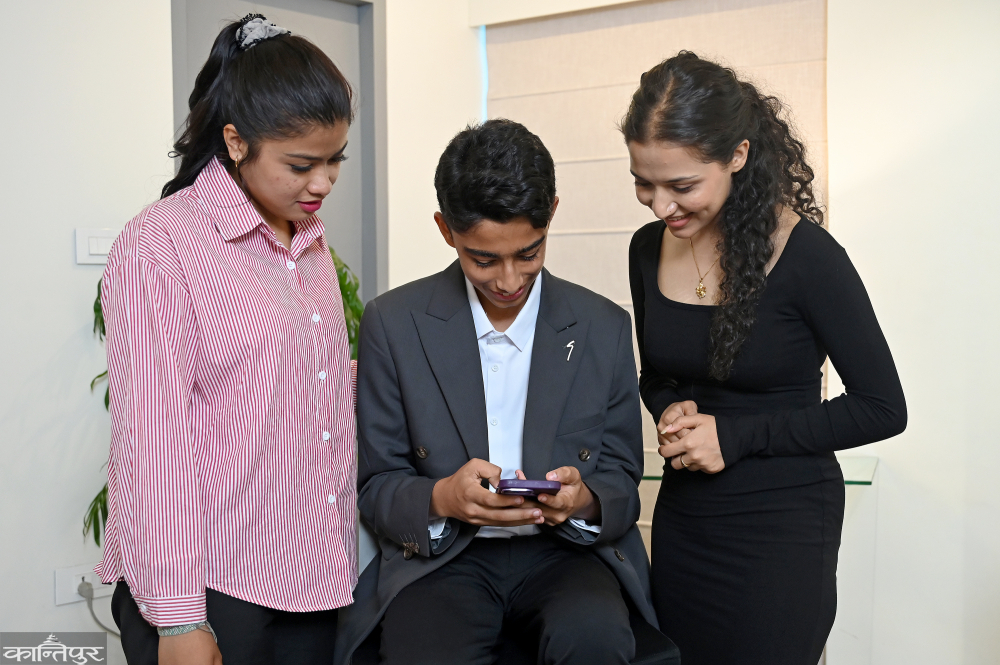 Many people post their photos after opening a Facebook account. Then there is more interest in the likes and comments on that photo. But some people also write obscene things through fake accounts. Arju says that there is a widespread trend of commenting on her clothes, pose and facial expressions, especially after posting photos on Facebook.
Aarushi Rana, a 19-year-old BALLB first-year student from Kathmandu School of Law, has a Facebook account but does not post her private things on it. She says about the reason, "When I post that I went to this place, ate like this, wore such clothes, the people who see it may get bored. I think it's not good to show everything to others like that.'
His only purpose of opening a Facebook account is to chat with friends. "I'm more interested in Instagram than Facebook," she says. There are three main reasons why the Gen-G generation finds Instagram easier than Facebook. First, they consider Facebook to be insecure. Second, their parents or several relatives are on Facebook, from which they want to be separated. Third, Friends who match their psychology and interests are found on Instagram. So they find Instagram easy.
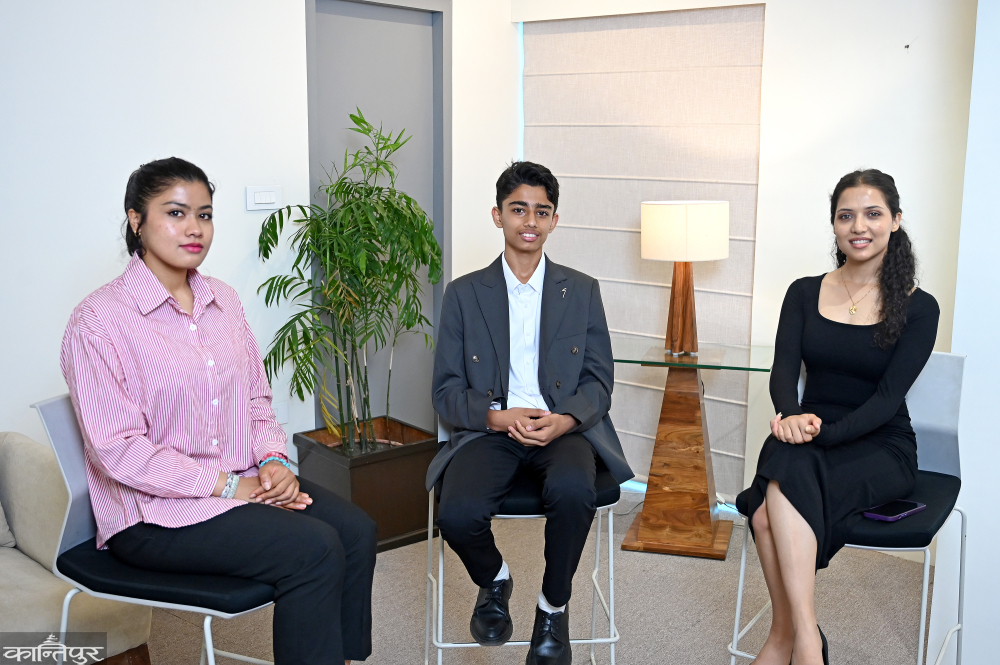 'Mamu is not that active on Instagram,' says Arju, 'but she posts my photos on Facebook, sometimes college photos, sometimes what she is doing with a song in the background.' She tells, "I tell Mamu not to put my photos and videos on Facebook like that, but he does." "Some people post photos of where they went for a visit today, where they went for a visit tomorrow, where they got to and what they ate, and the next day they post a photo of where they are having fun," he says, "especially the content posted on Facebook tends to be more showy."
The Gen-G generation doesn't present themselves as openly on Facebook as the Millennial generation does. Millennials keep their daily lives on Facebook as much as possible. They post whatever comes to their mind on Facebook without leaving anything behind. They feel free to post things on Facebook, from quarrels in their homes to others taking loans and not paying. Not only that, videos of someone's quarrels, accidents, insults are also being posted randomly on Facebook. But the Gen-G generation is not so careless about such things.
As much as possible, they don't easily share other people's photos, videos or their personal stuff on Facebook. Shivan says, "If someone else's face is visible, I will not post it without permission. Because it's their privacy.'' He thinks that it is not necessary to put everything that is in his heart or what he has seen and experienced on Facebook. Rather, he believes that if there are any such important moments, they can be shared. They say that one should be careful when running a platform that is easily accessible to everyone like
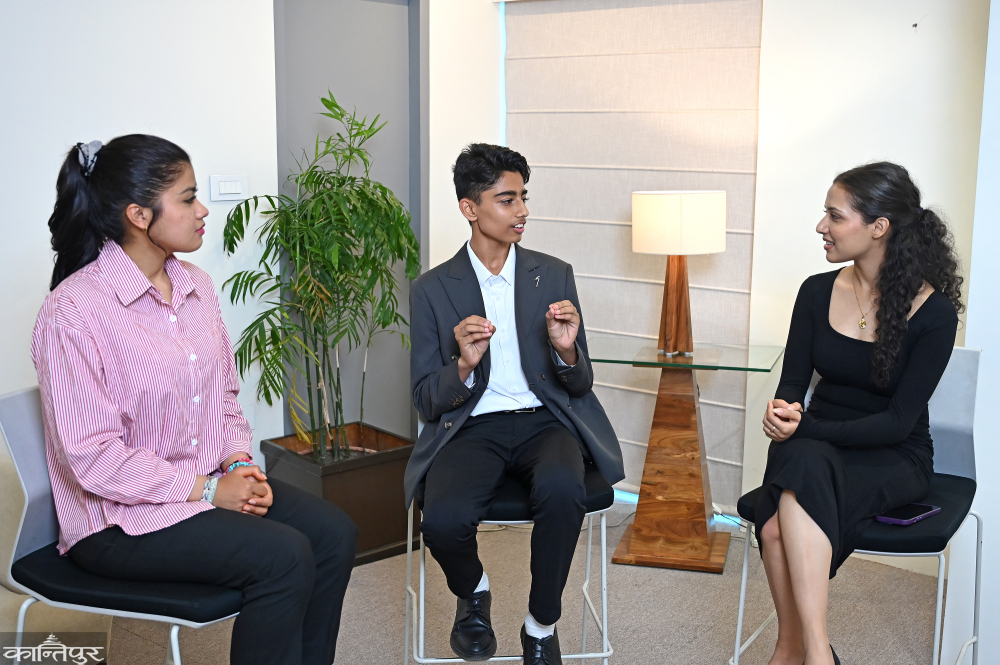 Facebook. "There is not only bullying but also the risk of hacking," says Shivan, "I have experienced such a thing myself." One day suddenly I get millions of messages. Opened it and made a crypto millionaire. After that, I deleted the account.'' However, the way to adopt security methods in social networks is also suggested.
It would be a waste of time to post things on social media and see the reaction, says Aarushi. "If you start looking at each other or not, you won't know the time has passed," she says, "so I also deactivated Insta." Shivan's phone has a 'parental control' setting. He says, “It can limit the time. As long as the time is set, only that period can be used. Then everything locks itself.'