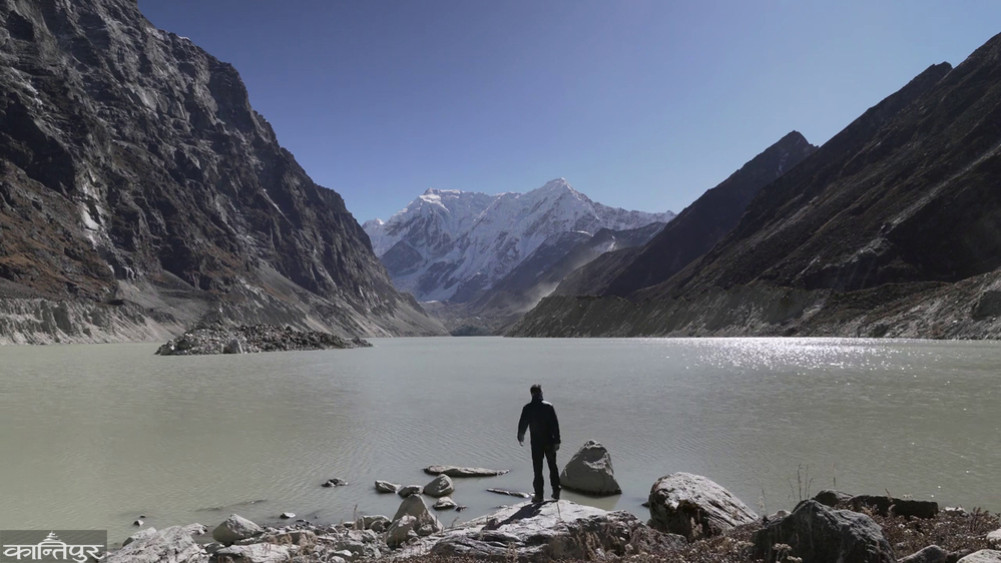
During the five-day trek, tourists can not only enjoy the beauty of the Chho-Rolpa Himalayan Lake in the Rolwaling Valley, but also experience the life of the Sherpa community and the Beding and Na villages, known as the villages of climbers, along the trekking route.
We use Google Cloud Translation Services. Google requires we provide the following disclaimer relating to use of this service:
This service may contain translations powered by Google. Google disclaims all warranties related to the translations, expressed or implied, including any warranties of accuracy, reliability, and any implied warranties of merchantability, fitness for a particular purpose, and noninfringement.
Chho-Rolpa is in the news as an attractive tourist destination. Hundreds of trekkers reach Chho-Rolpa every year. Located at an altitude of 4,580 meters in Gaurishankar Rural Municipality-9, Rolwaling Valley, this glacial lake is a favorite among tourists.
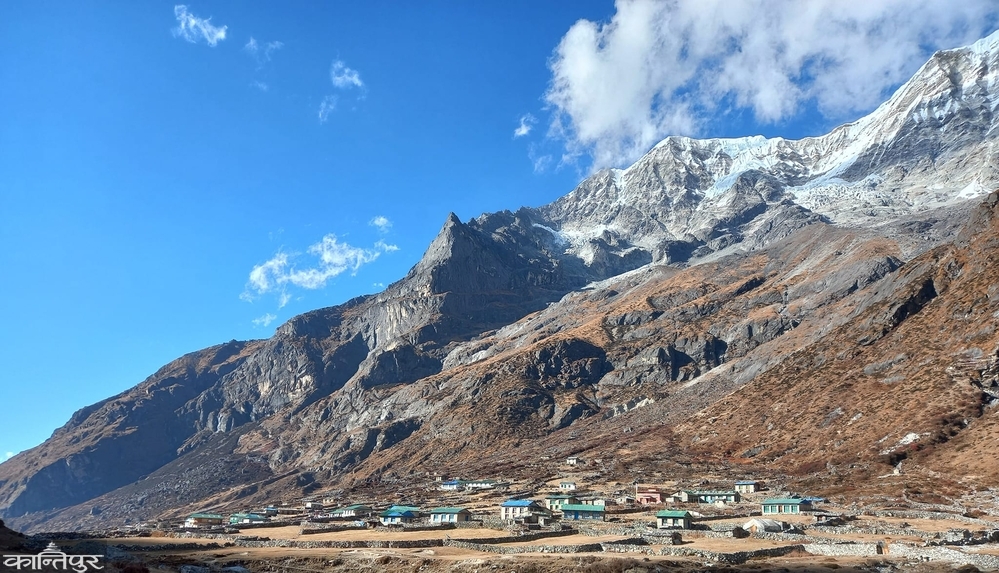
The Rolwaling Valley itself is extraordinary. Beding, known as the village of climbers at an altitude of 3,721 meters, is located here. More than 70 people here have climbed Mount Everest.
Most of the houses in Beding, which is inhabited by the Sherpa community, have been expanded as hotels. For about 80 years, foreign tourists have been going to the base camp of Everest through the Rolwaling Valley. After a 3-day journey from Beding and Na village in the Rolwaling Valley, just below the Chho-Rolpa glacier, the Tasilapcha Pass is reached.
From Tasilapcha, trekkers reach the base camp of Everest from Lukla via the tourist village of Khumbu in Solukhumbu. In autumn, most tourists trek for two weeks through this trail to the Everest region. Therefore, this trail is also known as the shortest Himalayan route to Everest. It is estimated that more than 300 tourists go to Everest from Tasilapcha every year.
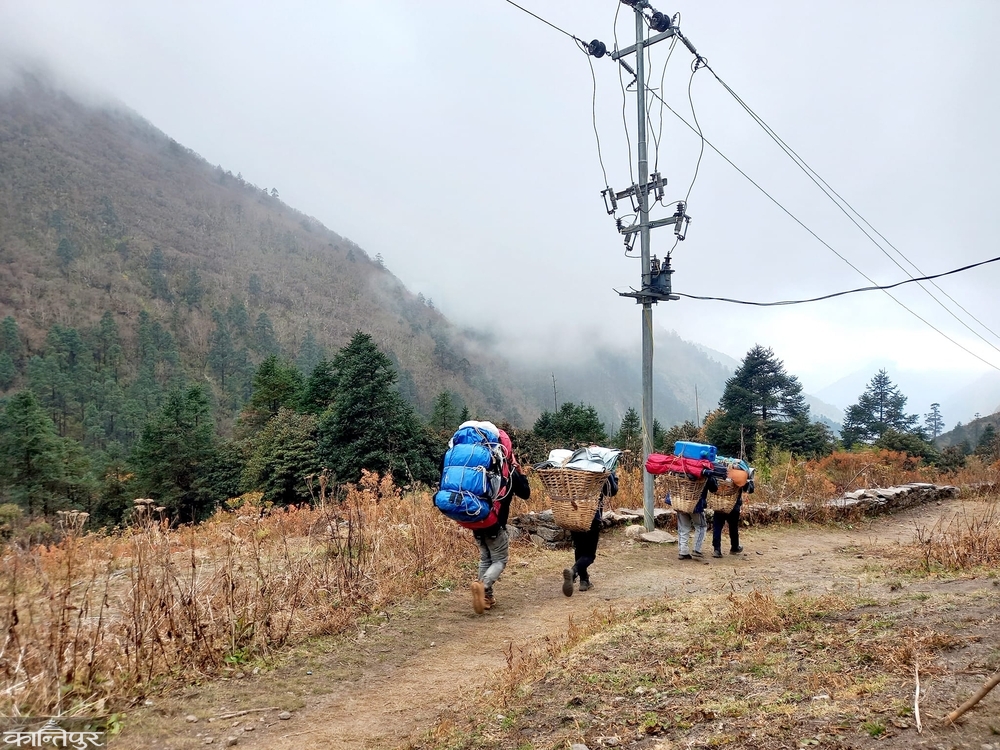
Rolwaling Valley is also a center for small mountain climbing. Another beautiful village at the highest point in the Rolwaling Valley is Na. Na, the last village below the Chho-Rolpa glacier, is at an altitude of 4,200 meters. According to the statistics of the Gaurishankar Conservation Area, more than 2,000 foreign trekkers have reached the Rolwaling trek every year.
How to go? How many days does it take?
There is road facility from Kathmandu to Chyochyot, Bigu Rural Municipality-1. Chyochyot is reached by road after a 7-hour public transport journey from Kathmandu on the first day. Then, after crossing the Tamakoshi River, the Rolwaling trekking route begins. After about 2 hours of uphill travel, Simigaun is reached on the first day by walking. If there is time, you can stay in Dogang for an additional 2 to 3 hours. There are more than a dozen hotels and homestays in Simigaun.
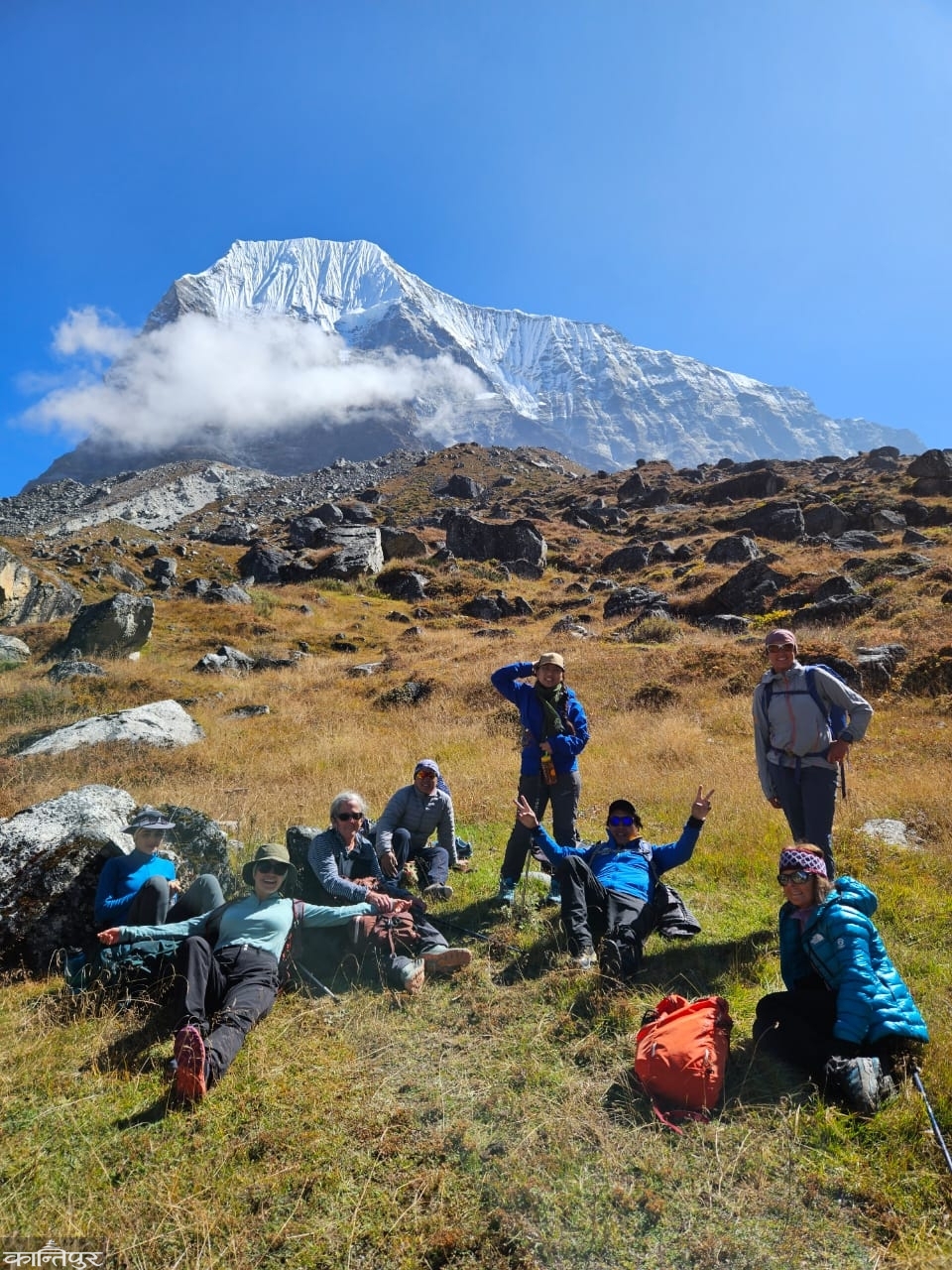
On the second day, you reach Beding via Kyalche and Thangding. There are about a dozen small and large hotels targeting tourists in Beding. On the third day, you can visit Chho-Rolpa and stay in Na village. Some tourists stay in Na village on the third day and enjoy the beauty of the Rolwaling Valley and reach Chho-Rolpa in the morning on the fourth day. From Chho-Rolpa, you can reach Dudhkund by walking for about 1 hour and then descend to Beding on the same day.
On the fifth day, from Beding, you can again take the road from Chho-Rolpa to Chho-Chyot and stay in Charikot. The second option is to reach Lamabagar in Bigu-1 via the road and take the attractive path built on the new footpath, Riku village in Gaurishankar Rural Municipality-9. There are half a dozen homestays and hotels in Riku.
How much does it cost?
The Rolwaling footpath is not expensive for domestic tourists. The homestays built along the trail offer accommodation for up to Rs 1,500 per person. The prices of all homestays and hotels are the same. In Beding, a simple meal for breakfast and dinner and accommodation cost Rs 2,000 per person.
Fish and meat are banned in the Beding area. The prices of food and accommodation in Na village and Beding are also similar. There are a dozen homestays and hotels in Na village, which is at the highest point in the Rolwaling Valley. Accommodation for up to Rs 2,000 per person. If you do not spend unnecessarily on the seven-day Rolwaling trail, you can explore the Rolwaling Valley for Rs 12,000 to 15,000.
What to bring? What not to bring?
Since it is a mountainous area, it is mandatory to carry trekking shoes, hiking boots, and thick clothes because it is cold. Since both Beding and Na villages have electricity, telecom, and internet services, carry a mobile phone and charger. Since it is a mountainous area, it is effective to carry a power bank because the weather can disrupt electricity service. Carrying snacks on the way makes the journey easier.
Alcohol and smoking materials can also be harmful to breathing. Since it is a mountainous region, if you have trouble breathing, you should go down to the lowest area as soon as possible. If you tell the locals in that area about your problem, they will immediately rescue you. Since it is a trek, you may get wounds and leg problems on the way. It is mandatory to carry a first aid kit.
In which season to go?
Recently, domestic tourists have also been visiting the Rolwaling area. The younger generation who enjoy trekking have been visiting this area. The younger generation who are old enough to make blogs have started taking advantage of the Chho-Rolpa glacier. The suitable season to visit the Rolwaling area is autumn. From the first week of Asoj to the last week of Kartik, you can go trekking in Chho-Rolpa and the Rolwaling Valley. Similarly, from Chaitra to the end of Jestha in the spring season, it is suitable to go trekking.