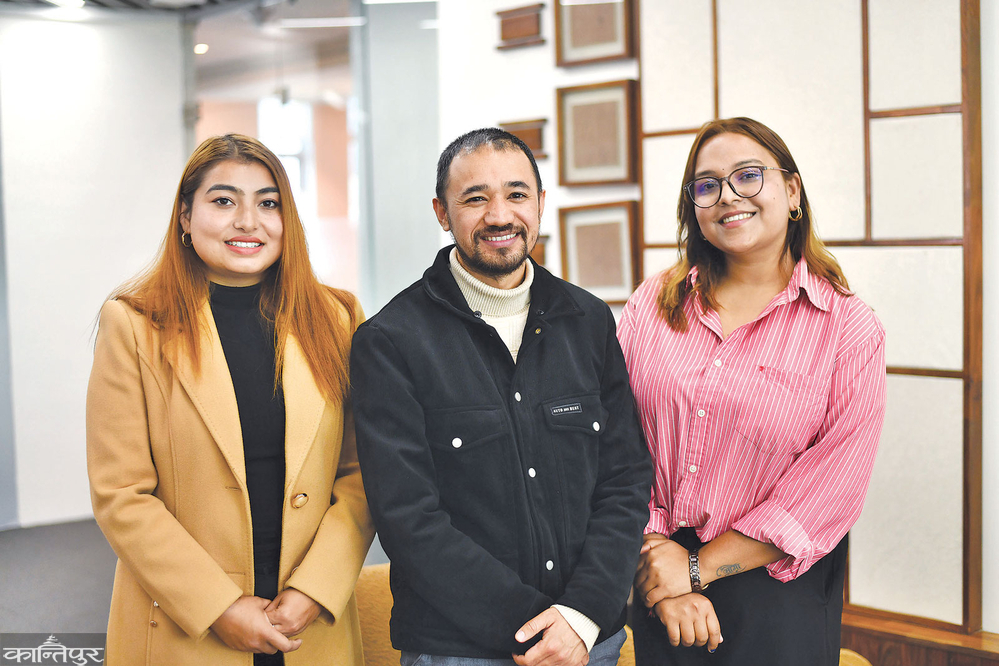
Karuna, Sushmita and Sanjog, who are doing masters in 'Gender Studies', say that even in the advanced society of science and technology, women and gender minorities face discrimination. He says, ”Theoretical and practical knowledge is necessary to change the discriminatory thinking.”
We use Google Cloud Translation Services. Google requires we provide the following disclaimer relating to use of this service:
This service may contain translations powered by Google. Google disclaims all warranties related to the translations, expressed or implied, including any warranties of accuracy, reliability, and any implied warranties of merchantability, fitness for a particular purpose, and noninfringement.
"It is not good if a daughter lives", "The fate of a daughter is in the kitchen", "Add property for the son, dowry for the daughter". Such proverbs, popular in dialect, expose the gender discrimination that exists deeply in the society. Such statements limit women to traditional roles and reinforce male-dominated thinking. However, the new generation has started to challenge these mindsets.
Karuna Adhikari, who is doing her master's degree in 'Gender Studies' from Tribhuvan Vidyalaya, experienced gender discrimination from her childhood. “I loved to play basketball but I was forced to dance. Society tends to confine women to traditional roles. Both my father and mother used to go to the office, but when they came home, father used to rest, mother used to do housework,'' she adds, 'difference is also rooted in religion. In Swasthani Vrat Katha, women are shown as subordinate and men as powerful. To change such education, it is necessary to improve the curriculum itself.'
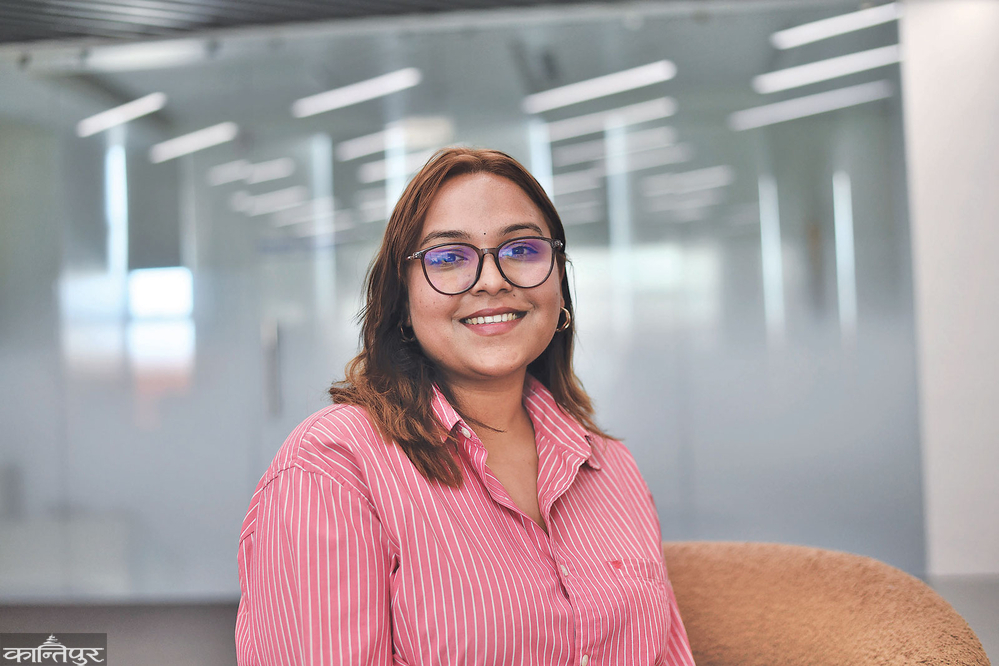
Sushmita, who is pursuing her master's degree in 'Gender Studies' from the University, also feels that gender discrimination is deeply rooted in religion, culture and dialect. She says, "Such proverbs raise questions about women's decision-making ability and rights." She said that she experienced gender discrimination even more deeply in her professional life.
Even though I was in a higher position, there was a huge disparity in my work and salary. Male colleagues were paid more than me for the same work. Questioning about that showed my lack of experience,” she said.
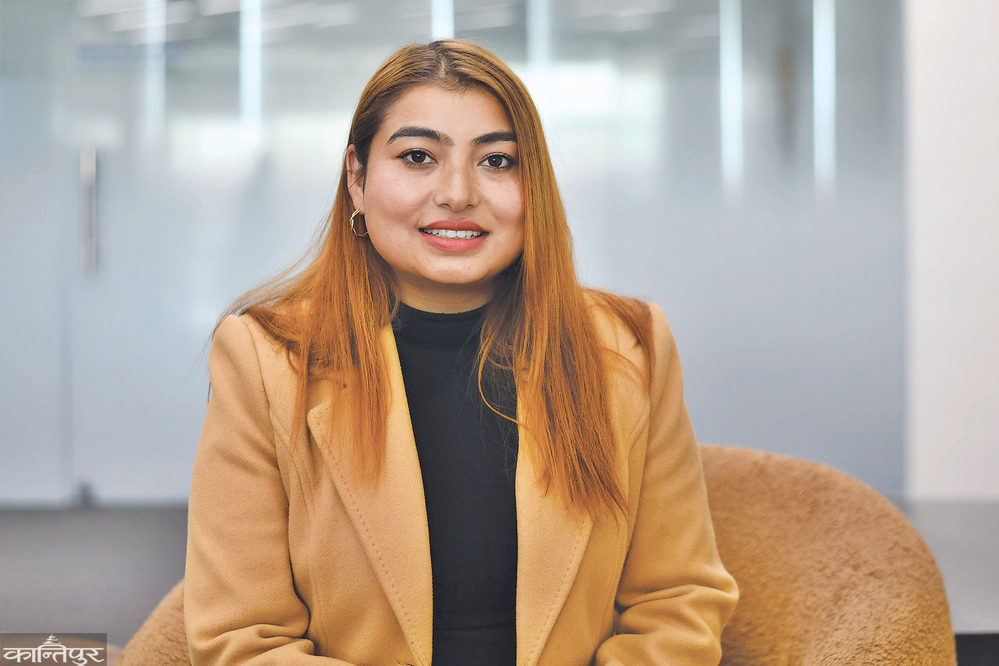
Sanjog Thakuri, another postgraduate student in Gender Studies from Tertiary University, adds, "The main deity of all religions is male." It makes me wonder what society must have been like at that time when men were so powerful. It is believed that the female goddess should be fair, beautiful and dressed in make-up. Only the image of the same goddess Kali is different, but she is also associated with ghosts.''
"I was reminded of my childhood when I saw everyone clapping after the newly appointed American president made the statement that the president in America is either a woman or a man," he adds, "We were taught that we should earn money by studying." But earning money and increasing knowledge are different things. Reading broadens the scope of knowledge and raises the level of consciousness. Such an expression of the President can also affect Nepal, especially in the matter of funding.
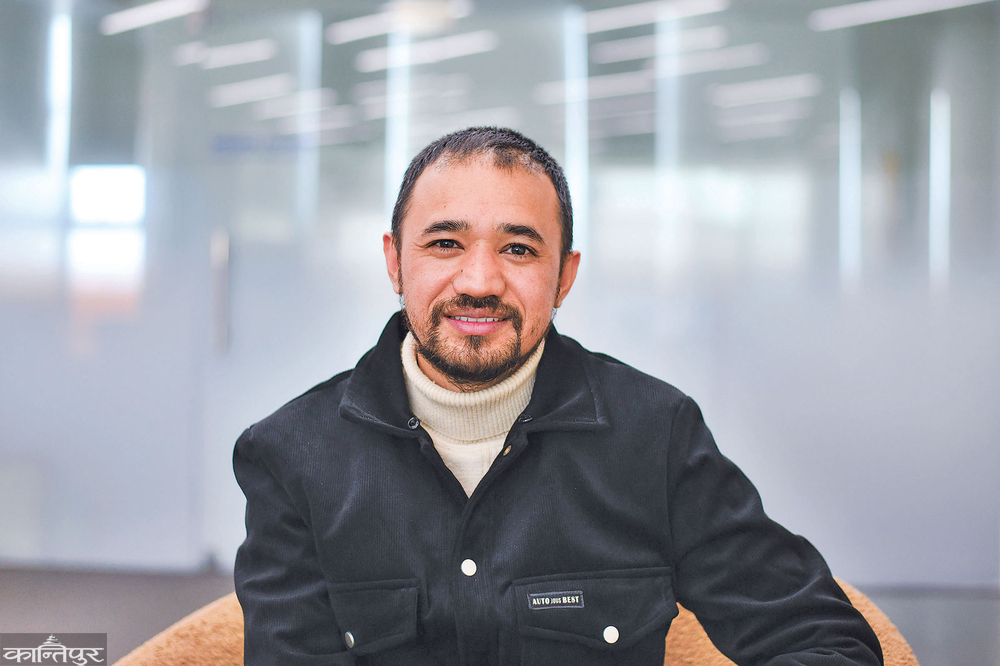
Karuna has taken this Trump's statement as a serious problem. "The said expression completely ignores the LGBTQ+ community. It is very ironic that such an expression comes from a person of this stature. When such thinking is included in policy making, it affects countries like Nepal as well,” she said. She argues that the definition of a male-only society is false. She believes that such expressions try to negate the existence and identity of other communities in the society.
Sushmita also expressed deep dissatisfaction with Trump's statement. The words of the US President have personally affected many. But what is even more surprising is that everyone present was clapping after hearing such a discriminatory expression. This situation makes you think about what is happening,” she said. She said such an idea would have a global impact. It has a discriminatory effect not only on the LGBTQ community, but on societies around the world. Even in countries like Nepal, this thinking leads to discriminatory tendencies,' said Sushmita.
According to Karuna, there are still examples like 'Dad came from office, Mummy is cooking' in our curriculum. He insists that this needs to change. Insisting that awareness of gender equality should be included in the education system, she says, "It is mentioned in the curriculum that education should be given against gender discrimination, but this is not seen in practice." Teachers themselves do not seem to be aware of this issue. Karuna insists that it is not enough just to teach in the curriculum, but how to teach and apply it in practice is equally important.
Women's reservation can open doors of opportunity but for long-term change, women need to be empowered. Karuna says, “Most women find it very difficult to read and move on. The quota system has provided opportunities to these women.'' She notes that although reservation has provided opportunities to some women, it is not a permanent solution.
"At first, I used to get angry about reservation for women," says Sanjog, "but later I gradually started to understand its social and gender significance." If there is no reservation for women from public transportation to government offices or if there is no provision that two out of five women must be mandatory in ward level elections, women will not be able to reach these places easily.
The new generation is playing an important role in spreading awareness against gender discrimination and changing traditional thinking. But they feel there is a need for curriculum reform, social awareness and inclusiveness in religious traditions. These representative characters of 'Gender Studies' say that both theoretical knowledge and practical implementation are necessary to bring profound changes in society.

