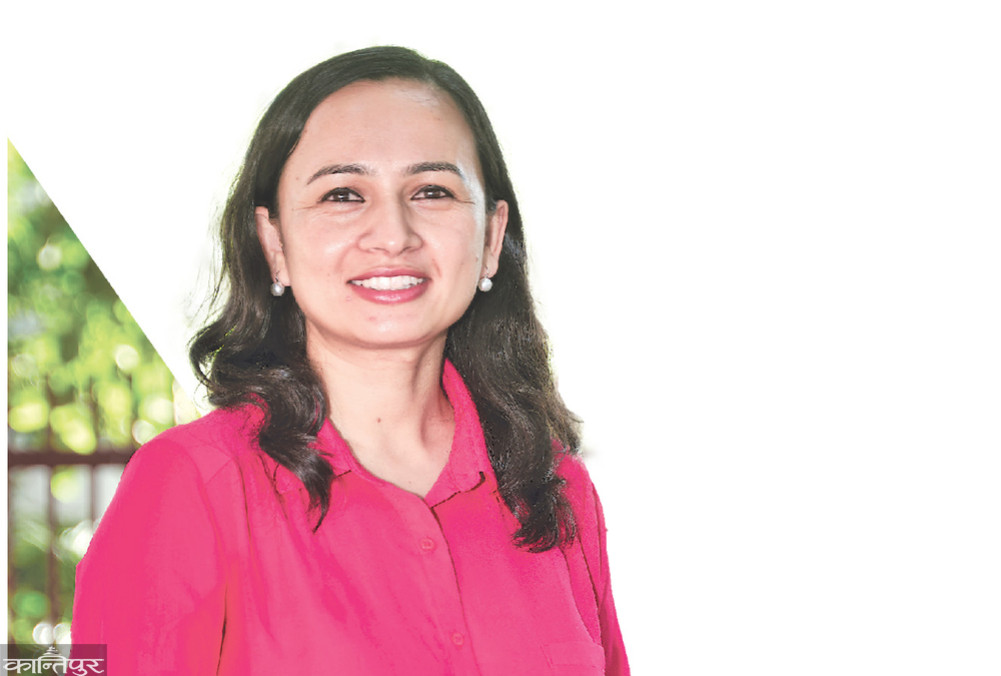
She has collected about 16,000 tons of waste by opening a plastic recycling collection center for three years and is also involved in the cleanliness campaign in the Himalayan region.
We use Google Cloud Translation Services. Google requires we provide the following disclaimer relating to use of this service:
This service may contain translations powered by Google. Google disclaims all warranties related to the translations, expressed or implied, including any warranties of accuracy, reliability, and any implied warranties of merchantability, fitness for a particular purpose, and noninfringement.
Nepalese environmental entrepreneur Silsila Acharya has also been selected in the list of 100 inspiring and influential women in the world in 2024 published by the BBC.
After being selected in the public list on Tuesday, she said in response, "This is very unexpected news for me." After being selected among the 100 most influential women in the world, she said, "Dirty work has given me a clean name."
Silsila, a Nepalese sustainable development entrepreneur active in the environmental sector, commented that being on the BBC's list along with other women in the world was an honorable recognition for her work.
said, 'This achievement has made Nepal known again on the world stage, and I feel that the work I have been doing has also earned me respect.' The women of the region are shortlisted. The list ranges from Nobel Peace Prize winner Nadia Murad to New Zealand Aboriginal MP Hana-Rawhiti Meipi-Clark.
Similarly, Pooja Sharma, social activist Aruna Roy and wrestler Vinesh Phogat, who are active in cremating abandoned dead bodies in India, are also included in the list.
Silsila knew about being selected in the BBC's list a month ago. But he was finding it hard to believe until the name was revealed. Silsila has been running Avni Vengers in Tokha, Kathmandu. She is the co-founder and director of the company.
In 2021, she started a plastic recycling collection center on 6 ropani land with an investment of about one and a half million rupees. Where the waste coming through 26 waste collection centers across the country is re-processed. Where four hundred people have also got employment.
"We collect 5,000 tons of garbage a year, so far we have collected about 16,000 tons of garbage," she said. Evaluating the work here, BBC has chosen her in the list of 100 influential women.
Born in Baglung, Silsila graduated from Bergen University in Norway in 2011 with a master's degree in environment. During his studies, he developed a desire to work in the field of environment. "I wanted to work on how to reduce the global climate change," said Silsila while telling the story of her journey, "I thought that I could contribute to it by reprocessing plastic, and I worked on it continuously." The result of which is in front of everyone today.
is not only processing waste, but also looking at the social, economic and environmental aspects connected with it. Silsila, who has an inquisitive nature of how to solve the problem, added, 'There is a habit of going towards how to solve the seen problem. That's why I came here. But despite being fed up with the various obstacles that come in the course of working, this kind of recognition adds energy again. She has a seven-year-old daughter and a husband. She said that her latest achievement has brought happiness to her family as well.
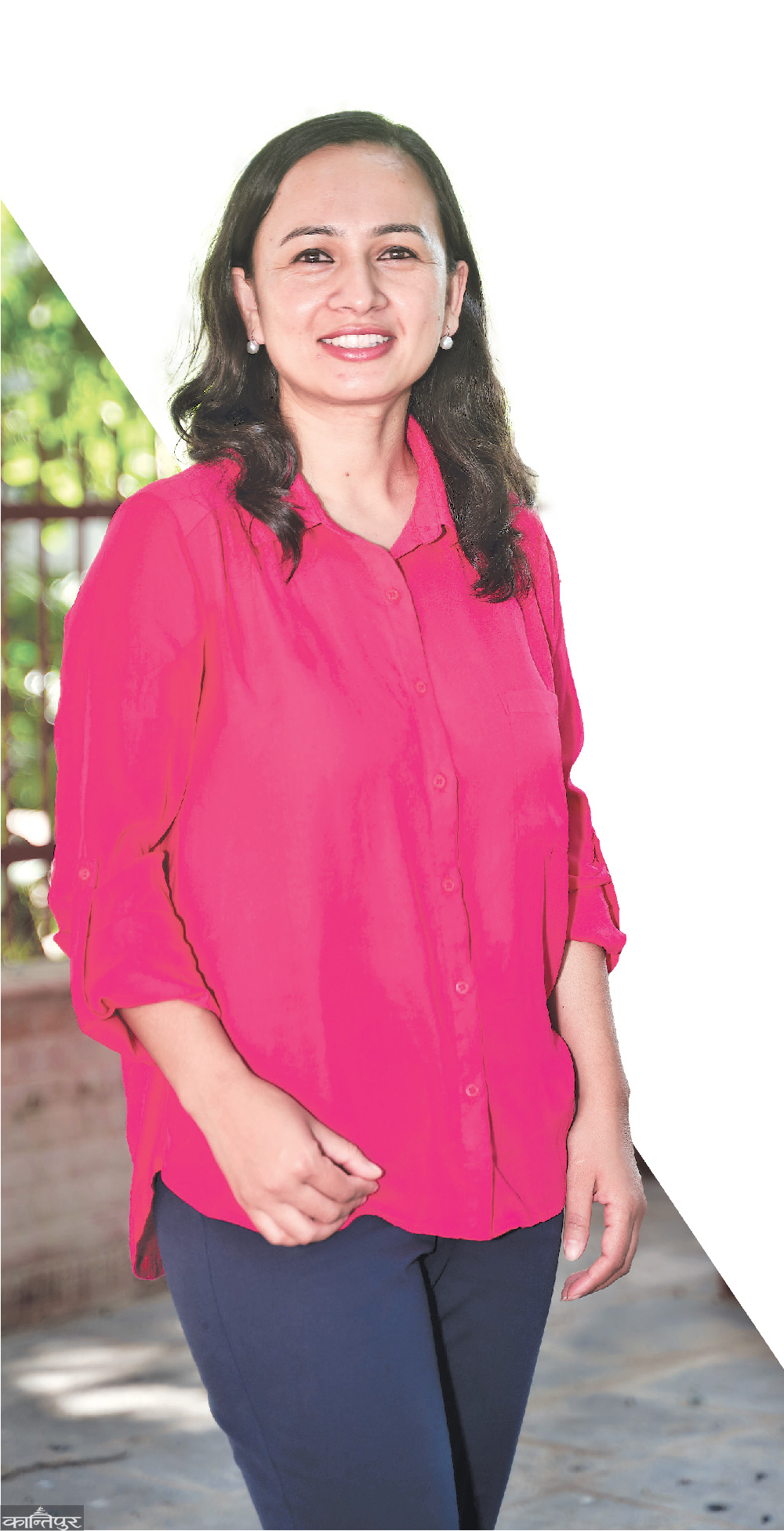
She believes that the local level should be actively involved in the proper management of waste, Silsila. In his opinion, waste is not a problem in itself, but if it is not properly managed, it causes problems.
Now the problem of garbage is increasing day by day. There aren't many who work on it. The government has also given low priority to the issue of the environment," she added, "collecting garbage and taking it to the dumping site is not the only solution. This is also affecting the environment. For this, if the local level separates the biodegradable and non-biodegradable waste from house to house before collecting the waste, 90% of the problem can be solved easily. The journey of the
series is not going to stop there. She has thought of how to solve the problem of waste management through policy and how to implement it in the future. For the past two months, the government has been studying the quantity and management of plastic in the country. Silsila is working under the leadership of the study team.
How much plastic is there in the country? The government does not have any data on how much is being produced,' she said, 'I am busy studying and researching it. Why is it not being managed? And, we are conducting a technical study to see how it can be done.

She told that the purpose of the study is to find a solution for waste management. Similarly, they have been cooperating with the Nepali Army in the Himalayan area sanitation campaign.