He is engaged in the revival of Gurung art and culture through Gurung language songs and film production, directing and acting
We use Google Cloud Translation Services. Google requires we provide the following disclaimer relating to use of this service:
This service may contain translations powered by Google. Google disclaims all warranties related to the translations, expressed or implied, including any warranties of accuracy, reliability, and any implied warranties of merchantability, fitness for a particular purpose, and noninfringement.
In Gurung art and culture, 29-year-old Kamal Bahadur Gurung composed the Gurung language song 'Galbandi Chino' by including the culture and legendary art-tradition of historical Ghalegaon and Bhujung. The song, which was uploaded on YouTube two months ago, has been viewed 280,000 times. Kamal, who composed the lyrics and music for the song, has also acted in the video of this song.
The girls of Ghalegaon come to Bhujung's barn to eat kheer. Kamal has made a song about the girl's necktie given to her by Mayaprem when she came to the same barn. Chino is called sega in Gurung language. After giving and receiving sega, if you like each other, you will be in love. "After love comes marriage and marriage," says Kamal, "For us, this is a very attractive culture." In the music video, the son, who has returned from Lahore, says to leave the old galbandi and wear a new galbandi. Kamal does not agree. He returns to the past. Zamanama tells the story of the collar given to him by his girlfriend when he comes to eat kheer at the barn. This song is now played in every dance program of Gurung.
Kamal, who was born in Kholasothar Rural Municipality-4, Bhujung, known as Kumari Village, is now the director of Gurung Films. Just 28 years old, he is also a busy artist and director of native Gurung songs/music. He came to Besi Sahar for higher education in 2068, joined the Navjyoti Cultural Art Center there, started dancing in fairs and festivals. They danced in village events, Baisakh Purnima, Dasaintihar, Lhosar, Shivratri, weddings, Putpute, Bhojbhater and fairs. After the
, he went to Pokhara. Bhujung Yumpo Tamu Society joined Pokhara. In Lhosar 2072, Bhujung Yumpo Tamu led by him won first place in the open group dance competition organized by Tamu Pye Lhu Sangh Central Youth Committee. His group scored a hat-trick, becoming the first for 3 years in a row. Not only that, from 2073 to 2075, he also won the competition for 3 years in a row at the famous Sikless Mela in this region. His beauty is that he can dance by himself and not want others to be like him. He weaves stories in dance, which is judged the best in the dance competition. "This victory changed my career," he said. Mero Angan Bhujung Ta Chhange hai.' It is his beauty to reach the audience by putting an awareness message in the song.
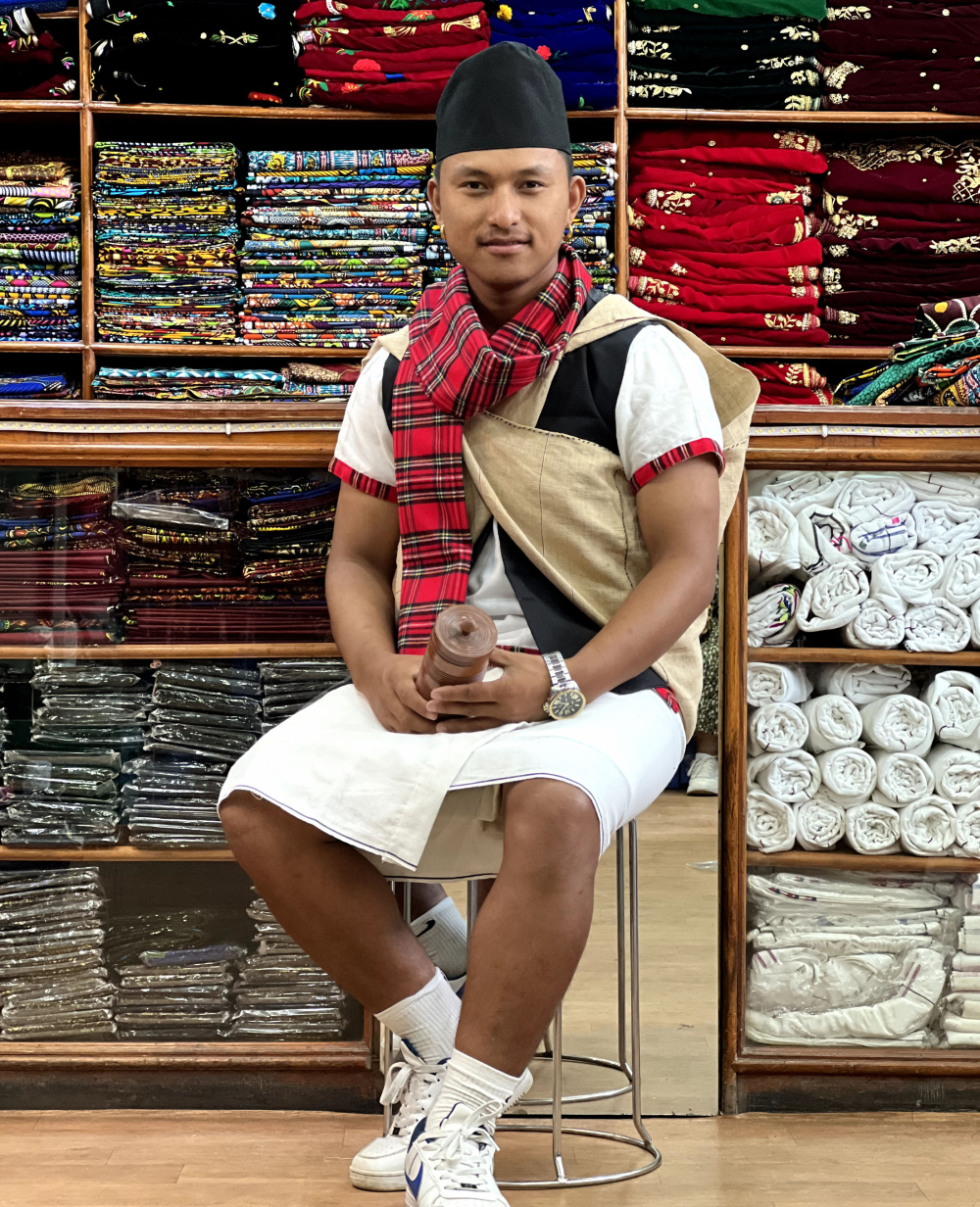 In 2073, he remembers that he was liked and appreciated by many people after making a cover music video on the song 'Surke Thali Khai' and posting it on Facebook. After that, on Shivratri of 2074, the cover music video of Bhujung village Chinari was shot by mobile. He put it on YouTube. He joined Tamu Pye Lhu Sanghar in ancient Nepal. Later, he joined the Tareli cultural family and moved on. Since then he has been active in music video production and direction.
In October 2068, he joined the films 'Marayat' (Golden Flower) and 'Marakyu' (Golden Water) produced in Bhujung. After teaming up with Manoj Gurung and Mao Zedong in the film Gurung, he got a chance to understand more about the field.
Gurung began to understand society, community, behavior, lifestyle, Chard Parv, culture well. "In the field of art, I have the experience of sleeping on thousands of luxury beds from cold floors, life has taught me many lessons," he says. Recently, he has been winning awards for dance direction.
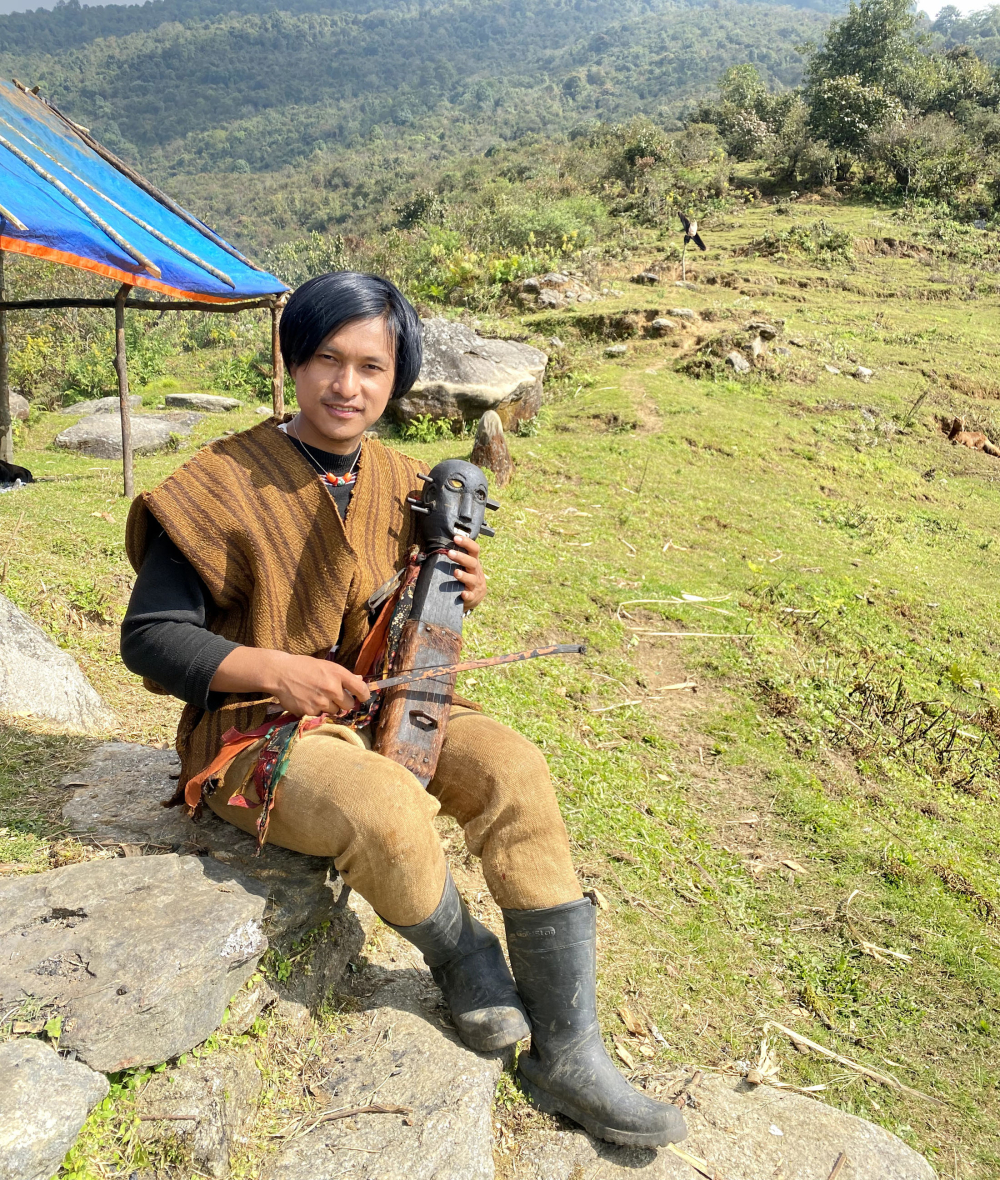 Kamal, who has been hailed as the famous young artist of Gandaki province by the public, has also helped in the promotion of tourism by directing Chinaari music videos of many villages. He directed the Gurung film 'Ngolsyo Rani' (Soltini Rani) this year alone. In the meantime, he has produced many music videos and village Chinari song music videos.
He has made Pavitra, an artist from the film industry, his life partner and says that it is easy for him to move forward in this field. Lately, he has been active in songwriting, and the Gurung language, art and culture have gained more ground. He is well versed in Nepali language and has gone ahead to do something in these three fields of music video, film and stage.

