The report recommends that then Prime Minister KP Sharma Oli, Home Minister Ramesh Lekhak, and IGP Chandrakuber Khapung be investigated for criminal offenses.
We use Google Cloud Translation Services. Google requires we provide the following disclaimer relating to use of this service:
This service may contain translations powered by Google. Google disclaims all warranties related to the translations, expressed or implied, including any warranties of accuracy, reliability, and any implied warranties of merchantability, fitness for a particular purpose, and noninfringement.
The study report of the inquiry commission led by former judge Gauri Bahadur Karki on the Gen-G movement of 23 Bhadra and the demonstration of 24 Bhadra was made public on Wednesday. The report recommends that the then Prime Minister KP Sharma Oli, Home Minister Ramesh Lekhak, and IGP Chandrakuber Khapung be investigated for criminal offenses. Armed Police Chief Raju Aryal and National Investigation Department Chief Hutraj
Thapa have also been recommended for action. The commission has also recommended that the current IGP Dan Bahadur Karki be given a beheading. Edited excerpts of statements given by leaders and officials to the commission:
'The Prime Minister does not have the authority to order shooting': KP Sharma Oli, the then Prime Minister
An unimaginable and barbaric incident that has never happened before took place on 23 and 24 Bhadra. The incidents that occurred during the Gen-G movement on 23 Bhadra are not a matter for the Prime Minister to be informed directly. The Prime Minister does not give orders to the police, for this the Home Ministry remains a departmental ministry. Logically, the Prime Minister is not responsible for this matter.
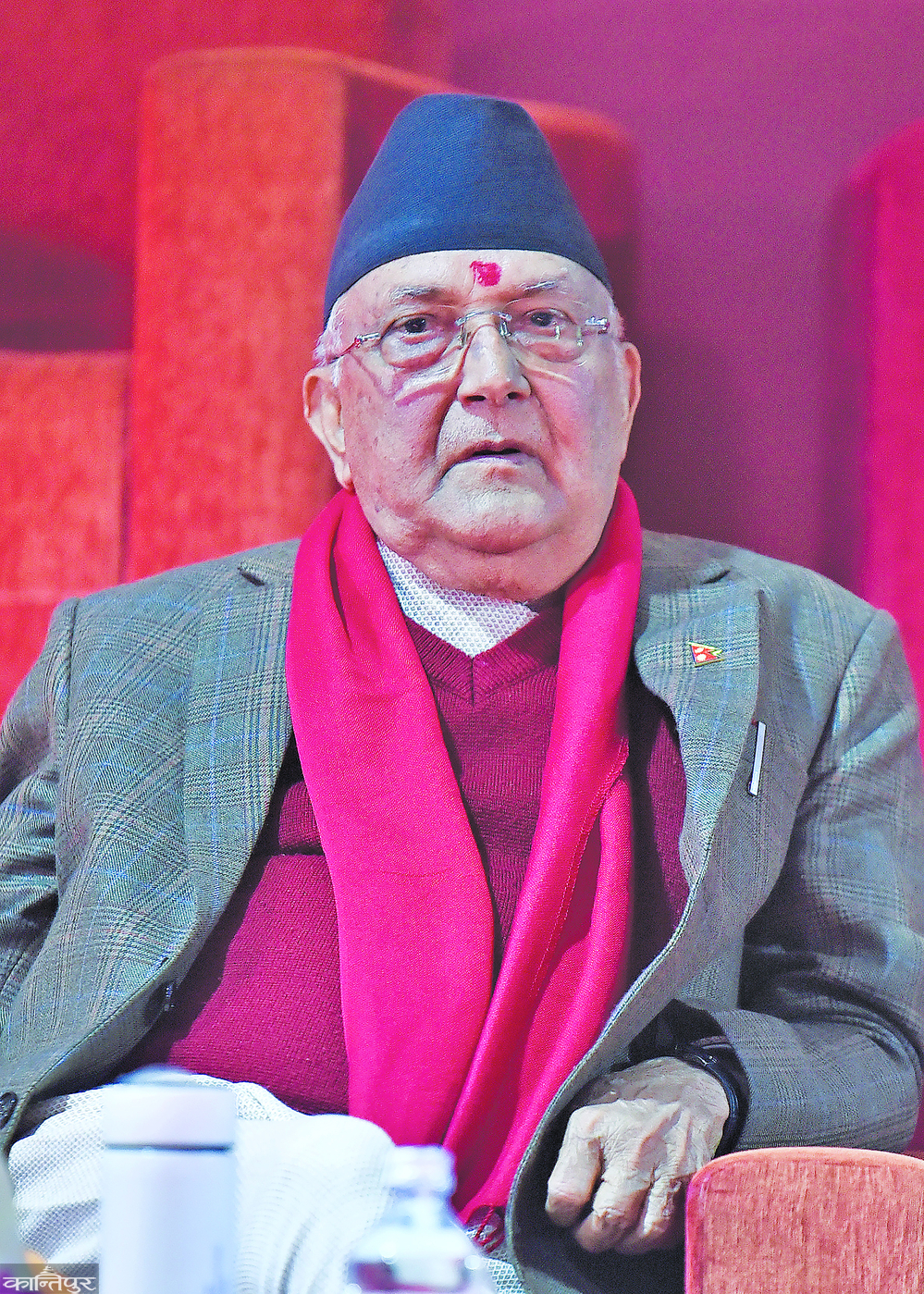
On the night of 22 Bhadra, discussions were held with the chief of the security forces, and the security forces told 6-7 thousand Jan-Ji to be peaceful. I had instructed them not to cause any casualties. However, all my property was burned. My house was the only one that caught fire in Tehrathum district. The act of attacking security personnel, taking away their uniforms and guns and taking selfies was definitely not done by the Jan-Ji who announced the movement, but by an infiltrating group taking advantage of the movement. Jan-Ji said that their demands were 'hijacked', that was not our intention, that it was a peaceful movement.
There was an attempt to burn the Parliament building on 23 Bhadra. On that day, the group that put the youth at the forefront of the movement to achieve its objective systematically created a situation where there were casualties. The arson and attack on all three government bodies was a planned incident. The place where the sovereign people are represented, the Parliament building, the administrative center of the country, Singha Durbar, and the place of justice, the Supreme Court, were searched and searched for missiles and data were searched and burned.
As the chairman of the National Security Council, there was a situation where he could hold a meeting and give instructions, but the government wanted to use minimal weapons and avoid human casualties. Since the government had no intention of mobilizing the army, that was not done. The Nepali Army's suggestion was also in line with the same. On the night of 22 Bhadra, discussions were held with the chief of the security forces, and the security forces said that 6-7 thousand gen-ji would be peaceful. I had given instructions not to cause casualties. However, all my property was burned. My house in Tehrathum district was the only one that caught fire.
Didn't burning industries burn the country's economy? It was an attack on social order, an attack on economic order, and the destruction of our culture, destroying the country. Can investment be promoted like this? The Prime Minister does not have the right to order the police to shoot. After the incident of 23 Bhadra, a government meeting was held in the evening and it was decided to form a judicial commission for an impartial investigation into the incident, provide effective treatment to the injured, provide relief to the families of the deceased, and lift the ban on social media as demanded by the Gen-G generation. I resigned on 24 Bhadra. If there had been a movement because I was an obstacle, everything should have been fine after my resignation, but didn't it? The government decided on the regulation of social media. Should social media be regulated, and not be held accountable?
00
'The money burned in my house was made by AI': Sher Bahadur Deuba, former Nepali Congress president
On 23 Bhadra, I was at my residence in Budhanilkantha. That evening, in Baluwatar, the then Prime Minister lifted the ban on social media after I requested it. But I did not attend any formal meeting. At 10 am on Bhadra 24, protesters gathered at my private residence and chanted slogans, and security personnel stopped and assaulted us.
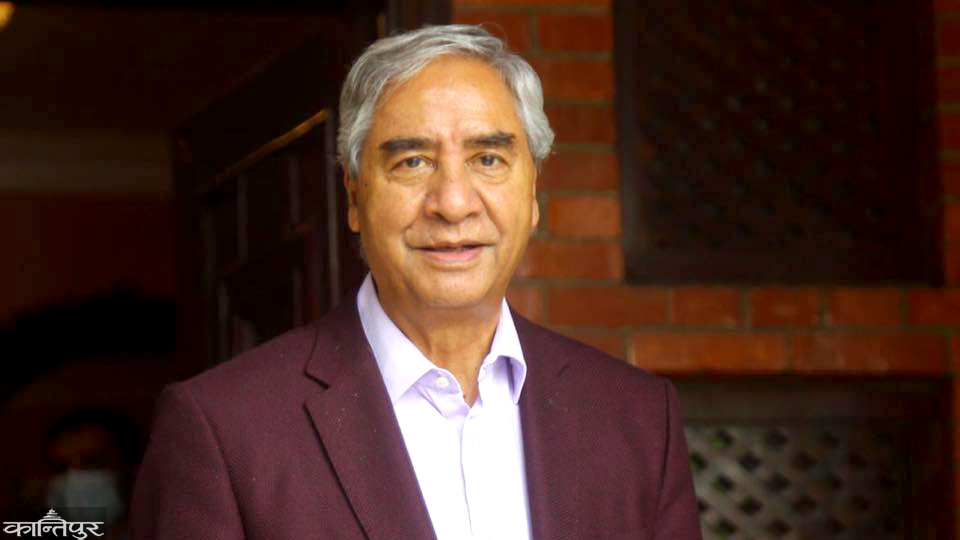
Some Gen-G youths saved us. We reached a safe place only around 10 pm. The police report in the presence of the ward chairman mentions the amount of money found in my residence. It was not a large amount. The things that came out on social media must have been created by AI.
This is a complete conspiracy, but it is not known who did it. The police had taken a report with all the details regarding the vandalism, arson, and looting at my residence. However, there is no information about any action being taken on it. I do not agree that there is political interference in the police's failure to assess the incident of Bhadra 23-24.
Trade unions are a right in democracy and should be used for practical rights and interests. Student organizations should also be active for the greater good. Non-political organizations or mechanisms should not be politicized. Anyone who vandalizes, loots, or sets fire should be brought to justice.
‘I was of the opinion that the Parliament building should be protected’: Ramesh Lekhak, then Home Minister
As the Home Minister, I had the constitutional and legal responsibility to maintain overall peace and security regarding the uncomfortable situation seen in the Kathmandu Valley on 23 and 24 Bhadra, especially. Before the events began, information was received through security agencies that dissatisfaction and anger were increasing through social media and other means. On that basis, the Ministry of Home Affairs was continuously coordinating with the Nepal Police, Armed Police Force, and the National Investigation Department and monitoring the situation.
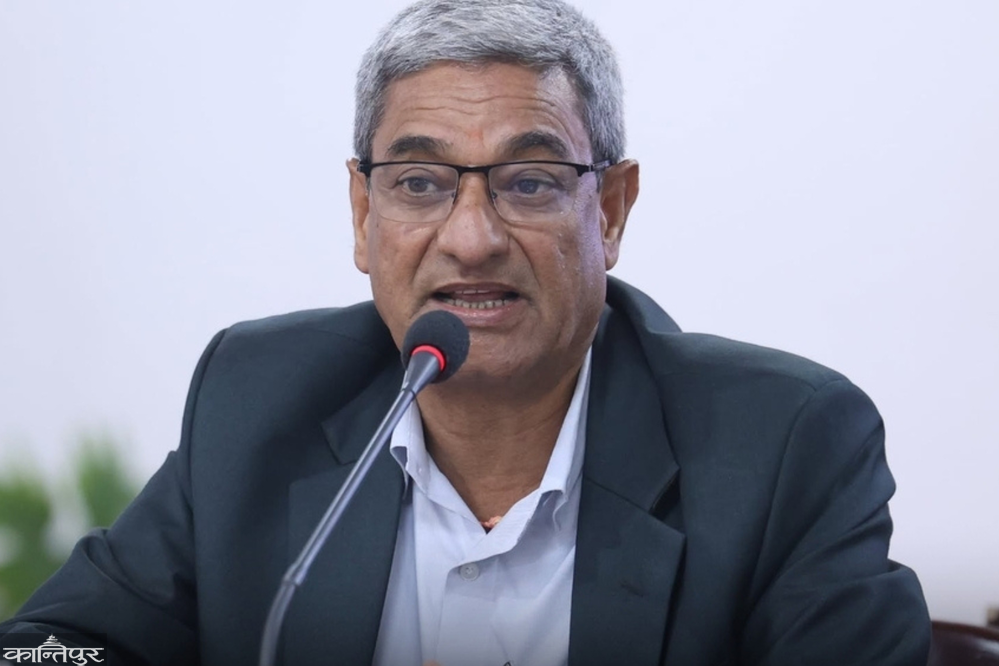
After receiving news of casualties due to gunfire, discussions were held immediately with the ministry officials and security agencies to ensure the safety of citizens and prevent casualties. My responsibility was not to give direct orders in the ‘field’ but to provide policy-level guidance, coordination, and necessary facilitation from the political level. Reporting and instructions between the Home Minister, the administrative bodies of the ministry, and the police administration also operated in accordance with the law, and sometimes there was direct contact as needed. A meeting of the National Security Council was held in Baluwatar on the evening of 22 Bhadra.
There, information was given by all security agencies including the National Investigation Department, Nepal Police, and others that Gen-G youth would demonstrate peacefully on 23 Bhadra. No concrete information was received about possible violence. As the Home Minister, I had instructed the Home Secretary and the heads of security agencies to coordinate and ensure that there were no casualties or deaths during the demonstration, to ensure that there were no political group demonstrations, to ensure that there were no casualties, to ensure that there were no leadership-less risks, and to be vigilant against possible infiltration.
When the protesters and the police were clashing outside the Parliament Building on 23 Bhadra, I was of the opinion that the Federal Parliament Building should be kept safe at all costs. But I did not order the use of final force, that is, to open fire. The use of force is a matter for the officers deployed on the ground to decide. There is no practice of the Home Minister giving direct orders on such matters.
After receiving news of casualties due to gunfire, immediate discussions were held with the officials of the ministry and security agencies to ensure the safety of citizens and prevent casualties. On 23 Bhadra, I resigned from the post of Home Minister, taking immediate moral responsibility for the tragic and unimaginable incident. I have publicly stated that the demands raised by the Gen-G on 23 Bhadra were basically correct. However, the statements of the Gen-G leaders have confirmed the fact that the demonstration was infiltrated. The incident of 24 Bhadra should be viewed separately and anyone involved in criminal acts should be prosecuted according to the law.
'Police deployed in the field have the right to fire according to the law': Chandrakuber Khapung, then Inspector General of Police
Initial information was that the Gen-G youth demonstration was held with the approval of a peaceful program. Although it was estimated that the situation could become provocative due to the infiltration of some unruly people. However, the level of vandalism and arson in the Federal Parliament Building was not analyzed. Information was received from the Police Headquarters Department of Operations and Cyber Bureau that discussions and preparations for the demonstration were being made on platforms like Discord. And, the matter was presented in a meeting of the heads of security agencies.
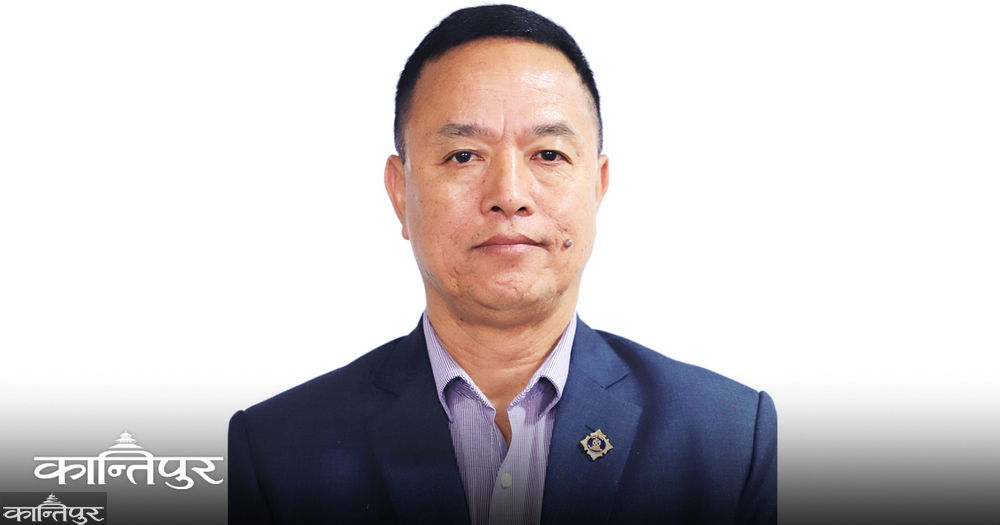
After receiving the report that the procession was breaking the prohibited area and moving towards the Federal Parliament Building, I had directed to coordinate with the Chief District Officer and make necessary arrangements. I had asked to ventilate the procession and keep the situation under control.
After receiving information that the protesters had entered the Parliament premises by breaking the security personnel's cordon, I instructed to mobilize the police with restraint in accordance with the Local Administration Act. Since the District Administration Office, Kathmandu, has its own method and process for implementing the curfew order, the Inspector General of Police has no direct role in it.
It is reported that about 21 people died on 23 Bhadra. Details of injuries to protesters and police personnel were received through regular reporting. The use of firearms is not a normal situation. The police deployed in the field have the right to open fire according to the law if the situation demands it, and there is no legal obligation to obtain prior approval from the center every time. The Inspector General of Police does not have the authority to prohibit the use of firearms or issue special orders to stop operations. In the context of security of important establishments, self-defense, and implementation of curfew, there is a provision to use weapons within the scope of the Local Administration Act according to the situation on the field.
I understand that the field officers must have felt the risk of losing security control after breaking down the walls of the Parliament Building, setting fire to the gates on the west and south sides, entering the premises, setting fire to the security posts and pelting stones and attempting to snatch the weapons of the deployed security personnel. I believe that if the last force had not been used in that situation, further damage to the Parliament Building would have been certain.
It is reported that about 21 people died on 23 Bhadra. Details of injuries to protesters and police personnel were received through regular reporting. The use of firearms is not a normal situation. In the complex situation of the crowd running, thousands of rounds of fire, and hundreds of injuries, unfortunately, some protesters may have died from bullets in sensitive areas such as the chest, head, face, neck, and stomach.
Since the incident was extremely tragic, I had briefed all the provincial police chiefs in the evening and instructed them to manage security with restraint, anticipating that its impact would be felt across the country. I was asked to assess local security by assessing the potential for possible attacks, public property, and threats to the political leadership.
I deny the accusation that the incident occurred due to my order. The incident should be evaluated in light of the risk to the field and the safety of the police. I did not intentionally give any illegal order. From the District Security Committee to the Central Security Committee, inter-agency coordination was active, however, the effectiveness varied depending on the situation.
‘It is not true that the army did not reach on time when requesting assistance’: Ashok Raj Sigdel, Chief of Army Staff
In the Central Security Committee meeting on 22 Bhadra, information was received from the National Investigation Department and other security agencies that the Gen-G movement could be widespread. However, since the formal meeting of the National Security Council was not held, special strategic discussions could not be held.
On 23 Bhadra, when the security situation in the Parliament building area became complicated, I had directed to make necessary security preparations in coordination with other security agencies. And, at the request of the local administration, I had alerted my subordinates to be ready for the implementation of curfew. The army was not mobilized that day and security arrangements were implemented under the leadership of the Ministry of Home Affairs.
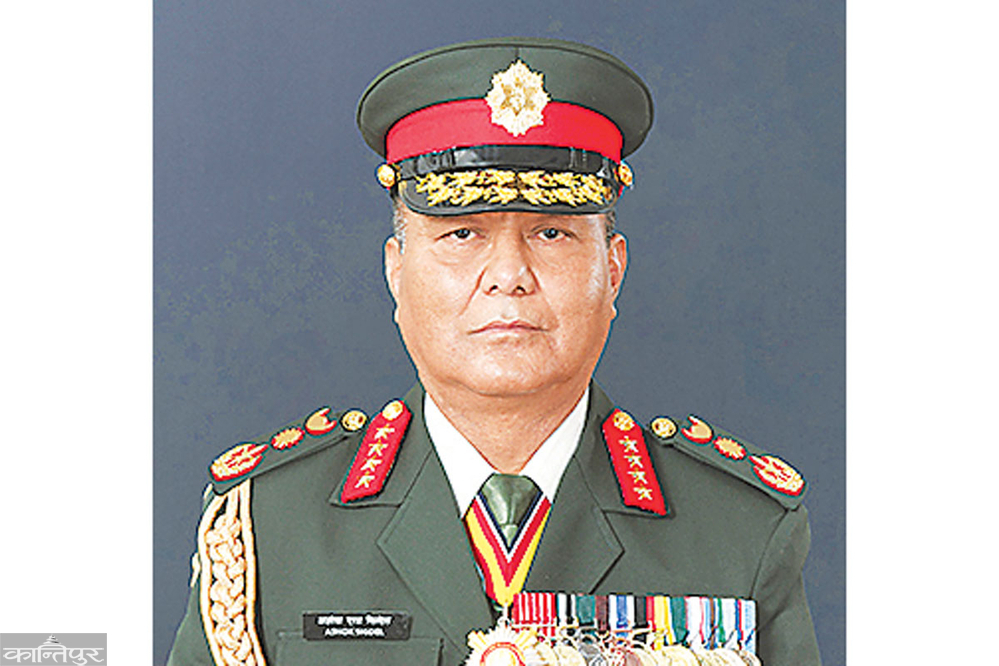
On 23 Bhadra, a meeting of the National Security Council was held in Baluwatar at around 8 pm. By the time the meeting was held, the Home Minister had resigned and the restrictions on blocked social media had been lifted, so it was estimated that the demands of the protesters would be addressed. तर, २४ भदौमा विषम परिस्थिति उत्पन्न हुन सक्ने ठोस अनुमान नगरिएको हुँदा सेना परिचालनबारे कुनै निर्णय वा छलफल भएन ।
२४ भदौमा बालुवाटारमा भएको छलफलमा प्रधानमन्त्रीले सुझाव माग्नुभयो । मैले दुई विकल्प प्रस्तुत गरें– पहिलो, उहाँकै दलका वरिष्ठ पदाधिकारीले राजीनामा दिन सुझाव दिएकाले थप मानवीय क्षति रोक्न राजीनामा उपयुक्त हुन सक्ने, दोस्रो, संवैधानिक रूपमा सिफारिस भएमा परिस्थिति नियन्त्रणका लागि सेना पूर्ण रूपमा तयार रहेको जनाएँ । तर, प्रधानमन्त्रीले राजीनामा दिएपछि सुरक्षा अवस्था झन् अराजक बन्दै गयो र सेनाले विज्ञप्ति जारी गर्दै अपिल गर्यो तथा राति १० बजेदेखि पूर्ण रूपमा तैनाथ भएर शान्ति–सुव्यवस्था बहाल गर्न सक्रिय भूमिका निर्वाह गर्यो ।
सुरक्षा निकायहरूबीच समन्वयको अभाव रहेको आरोपलाई अस्वीकार गर्दछु । तीनै सुरक्षा निकायका प्रमुखहरू निरन्तर सम्पर्क र संयुक्त छलफलमा थियौं र जोखिमपूर्ण अवस्थामा समेत नेपाली सेनाले अन्य सुरक्षा निकायका सदस्यहरूको सुरक्षा तथा उद्धार गरेको छ । सिंहदरबार, राष्ट्रपति निवास, प्रधानमन्त्री निवास, विमानस्थल, इन्धन डिपो, कारागार तथा अन्य संरचनाहरू जोगाउन सेनाले अग्रसर भूमिका खेलेको थियो । मानवीय क्षति न्यून राख्न अत्यन्त संयमता अपनाइएको थियो । २४ भदौमा नेपाली सेनालाई सहयोगका लागि अनुरोध गर्दा समयमा पुगेन भन्ने यथार्थ होइन ।
‘मलाई जबर्जस्ती कारागार बाहिर पठाइयो’ : रवि लामिछाने, रास्वपा सभापति
२४ भदौको दिउँसो साढे १२ बजे कारागारका नाइकेहरूले मलाई कार्यालयमा बोलाई सुरक्षा निकायका प्रतिनिधिहरूले कारागार बाहिर असामान्य अवस्था सिर्जना भएको, ठूलो भीड जम्मा भएको र मलाई परिवार तथा पार्टीको जिम्मा लगाई बाहिर पठाउनुपर्ने अवस्था आएको जानकारी गराए । मैले अदालतको आदेशबिना कारागारबाट बाहिर निस्कन अस्वीकार गरें । तथापि, जेल प्रशासनले भीडलाई म स्वयंले सम्झाउन सक्ने भन्दै पटक–पटक आग्रह गरेपछि म कारागार प्रांगणमै रहेर भीडलाई सम्बोधन गर्न तयार भएँ ।
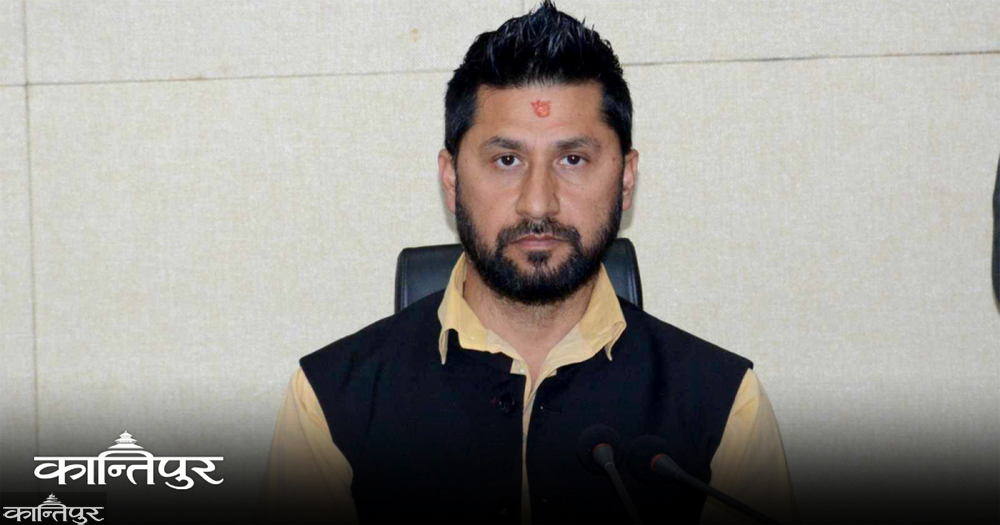
२४ भदौको घटनामा मेरो र मेरो पार्टीको संलग्नता नरहेको स्पष्ट पार्दै मैले र राष्ट्रिय स्वतन्त्र पार्टीले कुनै पनि हिंसात्मक क्रियाकलापमा प्रत्यक्ष वा अप्रत्यक्ष भूमिका नखेलेको जनाएका छौं । प्रहरी आत्तिएको अवस्थामा भीडले मलाई धकेल्दै कारागार बाहिर पुर्यायो । त्यसपछि म कारागार छेउको रेस्टुरेन्टको बार्दलीमा चढी भीडलाई शान्ति, संयमता अपनाउन र सार्वजनिक सम्पत्तिको संरक्षण गर्न अपिल गर्दै सम्बोधन गरें । कारागार प्रशासनले मलाई औपचारिक रूपमा थुनामुक्त गर्ने पत्र दिने तयारी गरेको रहेछ तर पत्र तयार नहुँदै भीडले बाहिर लगे ।
पछि मैले कारागारबाट पत्र आएको जानकारी पाएँ तर त्यसमा हस्ताक्षर गर्ने वा लेखन प्रक्रियामा मेरो कुनै सहभागिता थिएन । त्यसैले सो पत्रको सम्बन्धमा जेल प्रशासन स्वयं जवाफदेही हुनुपर्छ भन्ने मेरो धारणा हो । वास्तवमा मलाई कारागार प्रशासनकै निर्देशनमा भीडको जिम्मा लगाइयो र निस्किन नचाहँदा–नचाहँदै जबर्जस्ती बाहिर पठाइयो ।
२४ भदौको घटनामा मेरो र मेरो पार्टीको संलग्नता नरहेको स्पष्ट पार्दै मैले र राष्ट्रिय स्वतन्त्र पार्टीले कुनै पनि हिंसात्मक क्रियाकलापमा प्रत्यक्ष वा अप्रत्यक्ष भूमिका नखेलेको जनाएका छौं । यदि कोही संलग्न भेटिए कडा कारबाही गरिनेछ भन्ने प्रतिबद्धता व्यक्त गरिएको छ । कारागारबाट बाहिरिएपछि शुभेच्छुकहरूको सहयोगमा
कलाकार रामकृष्ण ढकालको गाडीमार्फत म सुरक्षित स्थानमा पुगें । र, तत्क्षण नेपाल प्रहरी, सशस्त्र प्रहरी तथा सेना प्रमुखलाई अवस्थाबारे जानकारी गराएँ । सोही साँझ भिडियो सन्देशमार्फत पनि जनतालाई ‘म सुरक्षित छु र अदालतमा पुनः उपस्थित हुनेछु’ भन्ने जानकारी दिएको थिएँ । २८ भदौमा सुरक्षाको प्रत्याभूतिपछि पुनः नख्खु कारागार फर्किएँ ।
सरकारको आतंकवादी शैलीले घटना भयो’ : बालेन्द्र शाह, काठमाडौं महानगरका तत्कालीन मेयर
२३ र २४ भदौमा म लैनचौरस्थित सरकारी निवासमा थिएँ । २३ भदौको शान्तिपूर्ण र्यालीमा मेरो समर्थन थियो । तर, आन्दोलनमा भने थिइनँ । व्यवसायी र रेस्टुरेन्टहरूले आग्रह गरेपछि महानगर प्रहरीले पानी वितरण गरेको हो । स्थिति तनावपूर्ण हुँदै गएको बेलुका सञ्चारमाध्यमबाट थाहा पाएँ । सामाजिक सञ्जालको मेरो अभिव्यक्तिले अनियन्त्रित आन्दोलनलाई शान्त पार्न मद्दत गर्यो । जनधनको रक्षाका लागि सामाजिक सञ्जालमार्फत संयमता अपनाउन अपिल गरेको थिएँ ।
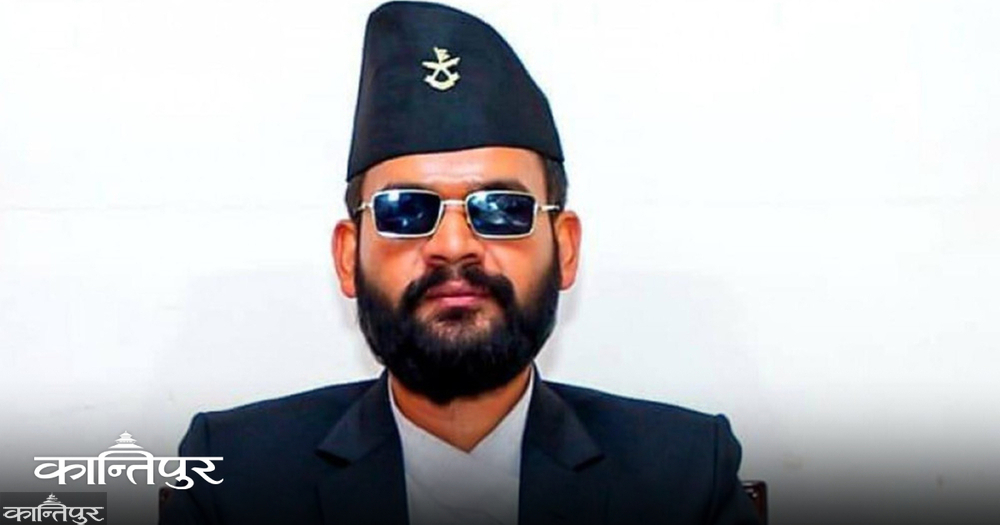
घटनापश्चात् महानगर प्रहरी बललगायत अन्य विभागहरूसँग समन्वय गरी घाइते र मृतकहरूको परिवारलाई तत्काल आवश्यक सहयोग प्रदान गरिएको हो । २४ भदौको घटना दुःखद् थियो । त्यो २३ भदौमा सरकारको अत्यधिक बल प्रयोग र आतंकवादी शैलीको परिणाम हुन सक्छ । २४ भदौमा महानगरले समयमै दमकल पठाएको थियो र महानगरभित्रका संरचनामा लागेको आगो महानगरकै दमकलले नियन्त्रणमा लिएको हो । राष्ट्रपति र सेनापतिको आग्रहमा मेरो आन्दोलनलाई शान्त पार्ने भूमिका रहेको थियो । तत्कालीन सरकारले अपराध तथा आतंकवादी क्रियाकलाप गरेको हो र सम्पूर्ण क्षतिको जिम्मा तत्कालीन सरकार एवं सहभागी दलले लिनुपर्छ । महानगरको फोहोर बोक्ने गाडी बन्चरेडाँडा जाँदै गर्दा अनावश्यक रोकेपछि विरोधस्वरूप सांकेतिक अर्थमा फेसबुकमा दिएको अभिव्यक्तिमा ‘जलाई दिन्छु’ भन्ने शब्द प्रयोग भएको थिएन ।
‘अन्तिम विकल्पमा घुँडाभन्दा तल रबरको गोली चलाउने आदेश दिएको थिएँ’ : छविलाल रिजाल, तत्कालीन काठमाडौं सीडीओ
माइतीघर मण्डला क्षेत्रमा २३ भदौमा शान्तिपूर्ण प्रदर्शन गर्न पाउँ भनी सबल गौतम, पुरुषोत्तम यादव र ‘हामी नेपाल’ नामक संस्थाका सुधन गुरुङ, अंकित मल्ल तथा खेमराज साउदको नामबाट संयुक्त रूपमा तीन निवेदन प्राप्त भएका थिए । उनीहरूसँगको छलफलमा निषेधित क्षेत्रबाहेकका स्थानमा मात्र प्रदर्शन गर्ने र शान्तिपूर्ण रूपमा कार्यक्रम सञ्चालन गर्ने मौखिक सहमति भएको थियो ।
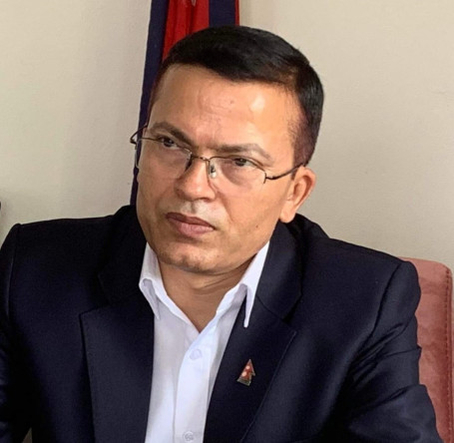
त्यसपछि तीनकुनेमा जस्तो सुरक्षा त्रुटि नदोहोरियोस् भन्ने उद्देश्यले सुरक्षा व्यवस्था थप मजबुत बनाउन र आवश्यक परे थप फौज परिचालनका लागि आ–आफ्ना तालुक निकायसँग समयमै समन्वय गर्न निर्देशन दिएको थिएँ ।
२२ भदौ साँझ करिब ६ बजे गृह मन्त्रालयमा बसेको सुरक्षा प्रमुखहरूसहितको केन्द्रीय सुरक्षा समितिको बैठकमा नेपाल प्रहरीका महानिरीक्षकले २३ को प्रदर्शनमा कथंकदाचित बल प्रयोग गर्नुपर्ने स्थिति आयो भने के गर्ने भन्नेबारेमा प्रस्ट हुनुपर्छ भनी निर्देशन माग्दा, बल प्रयोगको सिद्धान्तअनुसार सिलसिलेवार रूपमा न्यूनतम बल प्रयोग गर्दै स्थिति नियन्त्रणमा लिने, तर त्यसबाट पनि स्थिति नियन्त्रणमा नआएर निषेधित क्षेत्र उल्लंघन, हुलदंगा, तोडफोड र आगजनी जस्ता उच्छृंखल गतिविधि भएमा सावधानीपूर्वक आवश्यक बल प्रयोग गरी स्थिति नियन्त्रणमा लिनु भन्ने निर्देशन प्राप्त भएको थियो । २३ भदौमा घुँडाभन्दा तल लक्षित गरी रबरको गोली चलाउने मौखिक आदेश दिएको भए पनि अन्तिम बल अर्थात् सिधै गोली चलाउने आदेश दिएको थिइनँ ।

