The youth of Janakpur involved in the Genji movement say that there can be no compromise on federalism, democracy, republicanism and inclusiveness.
We use Google Cloud Translation Services. Google requires we provide the following disclaimer relating to use of this service:
This service may contain translations powered by Google. Google disclaims all warranties related to the translations, expressed or implied, including any warranties of accuracy, reliability, and any implied warranties of merchantability, fitness for a particular purpose, and noninfringement.
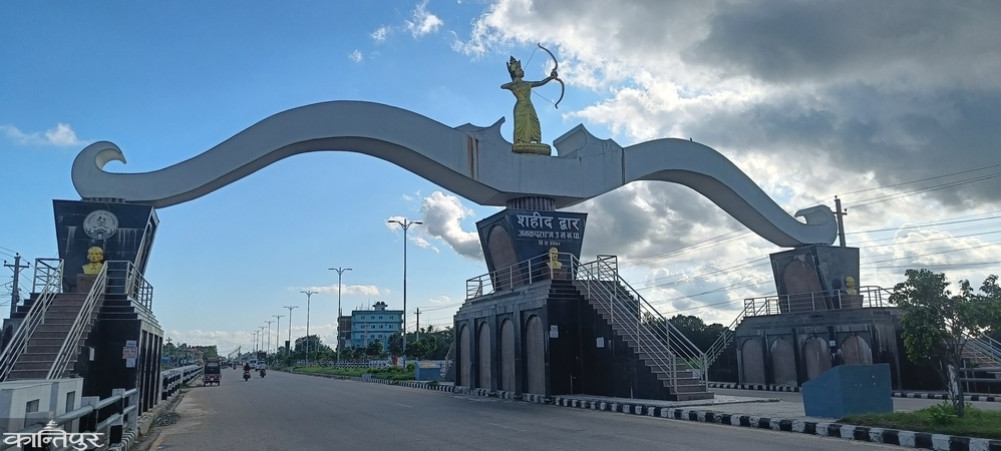
A bow-shaped martyr gate has been built at Mugelia, the entry point of Janakpur, the capital of Madhesh province. The Martyr Gate was built in memory of those who lost their lives fighting for rights in the Madhesh movement that happened time and time again.
The issue of federalism and the abolition of the provincial government, achieved through the support given by the Madhesh movement, is not the demand of the Gen-G movement, it cannot be accepted under any circumstances. - Anand Kumar Sahni, a youth involved in the Gen-G movement. After changing the centralized state system, the country has entered the federal state system. The constitution released on 3 October 2072 has given a federal democratic republican governance system. The structure of the state is union, state and local three levels . The distribution of state power has also been done at three levels. All three structures are in practice after the 2074 elections. Among them, the newest and youngest structure is the state government. It has been 8 years since the country practiced federalism through seven provincial governments. Along with the statue of Ram, the statue of those who were martyred in Janakpur during the Madhesh movement is kept at Sahidgate. On both sides of the gate, separate inscriptions with the names and details of 116 martyrs of Madhesh province have been placed during the wave movement. They gave their lives for rights, identity and federalism. Janakpur's Martyrs' Gate reminds us of the protests that took place in Madhesh from 2063 until the constitution was promulgated in 2072.
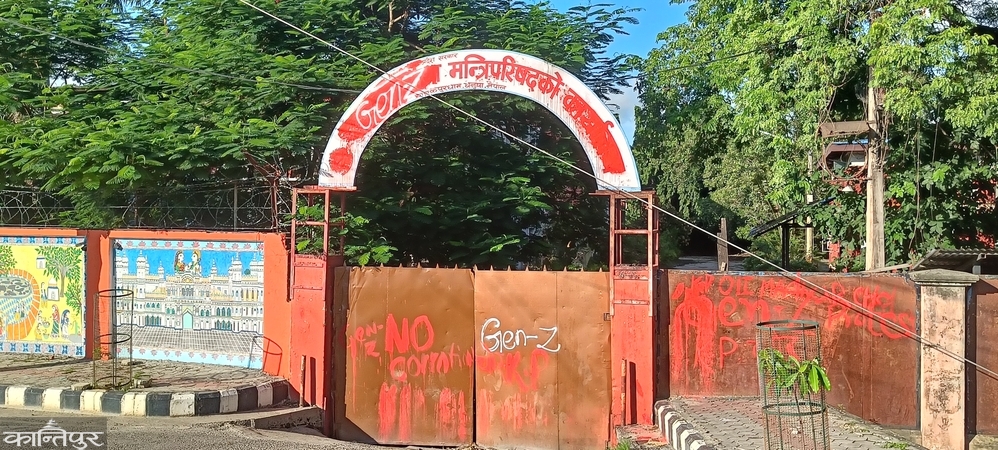
On 23rd and 24th of August, there was a Zen-ji movement across the country . During the protest, the protestors set fire to central, provincial and local level structures on 24 August. The lion palace was burnt . The Chief Minister's office and ministries were set on fire in the province. Municipal buildings were burned at the local level. In Janakpur, Madhesh Bhawan, where the Madhesh Province Government Secretariat is located, has been set on fire. The signboard of the office of the Chief Minister and the Council of Ministers is painted and reads Jen-ji .
where the people fought and gave their lives to bring federalism. The state government became . Today there has been an attack on the structures of the province. After the protest of 23 and 24 August, some people in Kathmandu are calling for the abolition of the federal system. Misleading rumors that the provincial structure was abolished were also spread. The demand that the province should be abolished in the name of some group of Zen-ji scattered in different groups has also been brought out.
However, the youth of Janakpur involved in the Gen-G movement say that there can be no compromise on the issues of federalism, democracy, republic and inclusiveness given by the constitution. They are both concerned and interested in trying to derail the Gen Ji movement by introducing political demands that have not been a
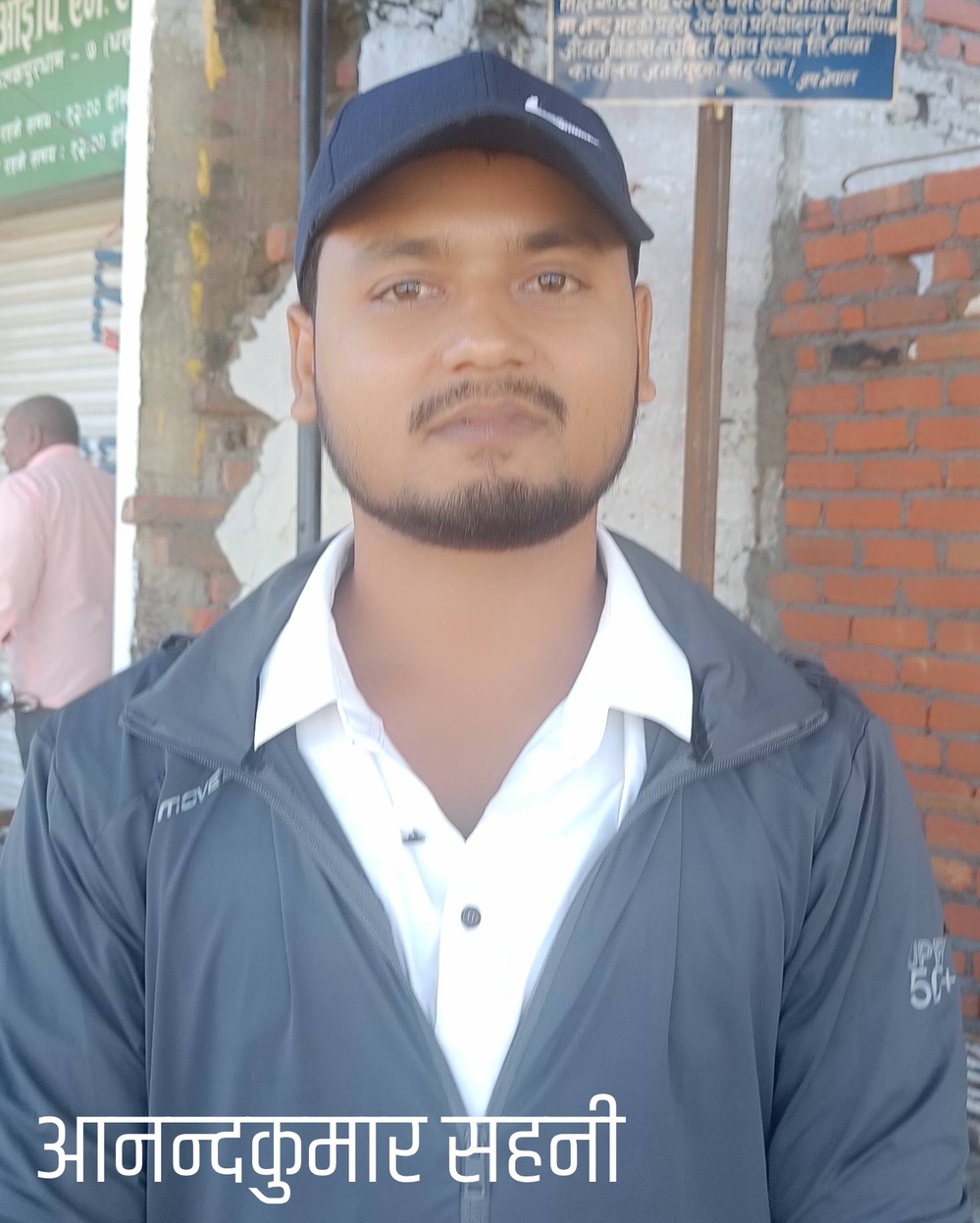
 . In Janakpur, 23-year-old Anand Kumar Sahni says that he participated in the movement to oppose the ban on freedom of speech and corruption. While Gen-G youths were performing at Maitighar in Kathmandu, Sahni along with them performed at Shiv Chowk in Janakpur .
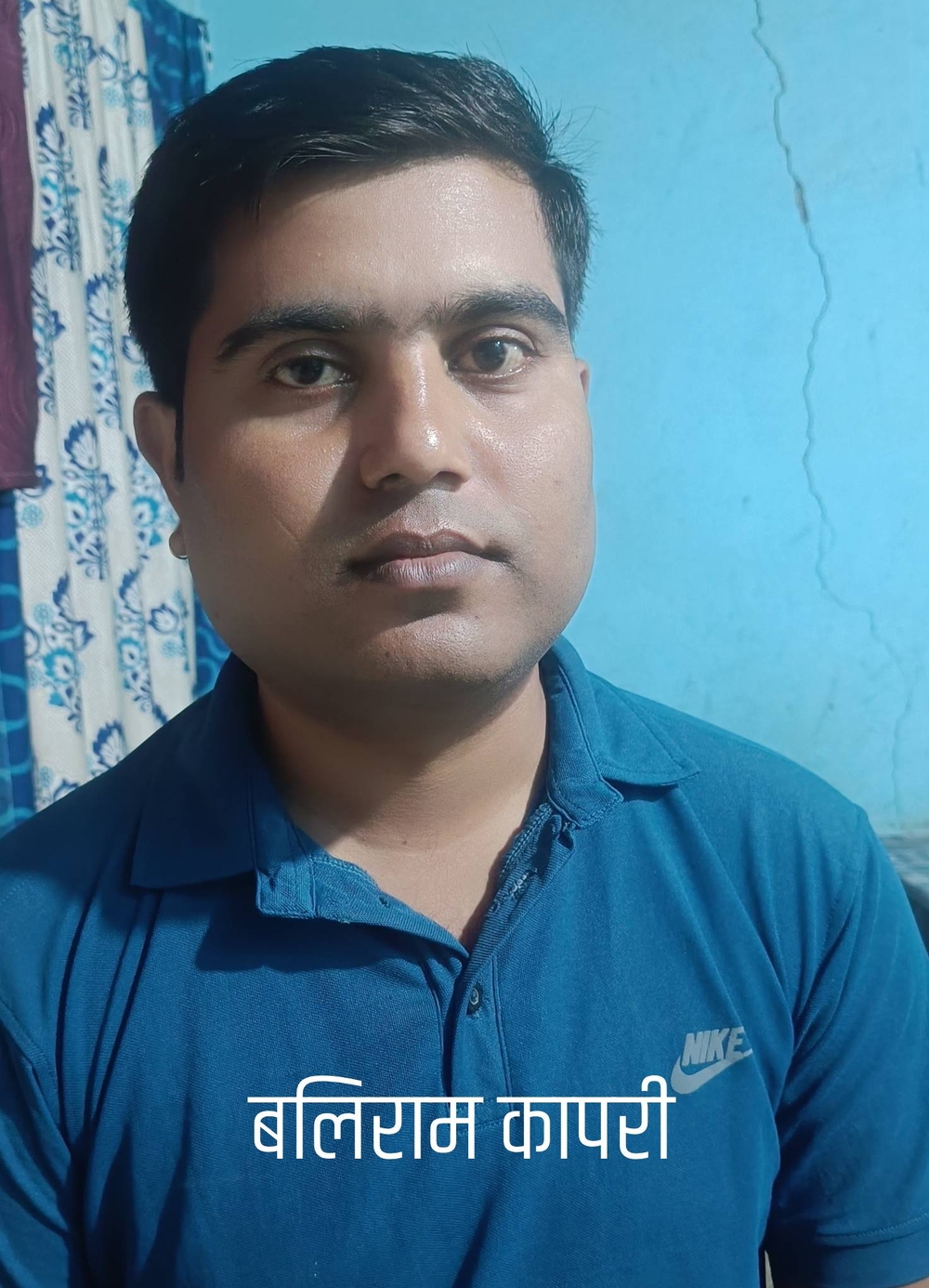
 Some selfish and opportunists are promoting the cancellation of the state. The youth of Janakpur counter that. Anger towards leaders and leadership is expressed in the Zenji Movement. Not to the system and government structure of the state . Baliram Kapri, young politician
BBA final semester student at Rajarishi Janak University says the ban on social media has angered the youth . "Corruption is rampant everywhere and the issue of Napo Kids has also been raised by the youth," he said while talking to Kantipur. I myself am a victim of it . We joined the movement to oppose such issues. But, he says that there is no opposition to federalism anywhere in the Zen-G movement. 'Corruption occurred at all levels at the center, state and local levels. Without access and money, there is no work . The opportunity did not get. The situation of the party and the party was seen to be close. If he is not close to any party, he will have problems even in his simple work," Sahni says. "Anger against that has also been seen in Janakpur. It is wrong to interpret it as an opposition to federalism or a demand for the abolition of provinces.'
Sahni, who was born a few years before the second public movement of 062/63 and the Madhesh uprising in 063, was young during the Madhesh movement of 2072. However, he says that the federalism achieved with the support given by the Madhesh movement and the cancellation of the provincial government cannot be accepted. "The extent of the expansion of the government". That's how much corruption happened. Provincial governments also indulged in corruption. It became a commission system. However, its economic system cannot be called bad," he said. "The achievements of the province should also be looked at. How to tighten corruption control? Let's find a solution for that . Let's increase the action on it . Let's make such a mechanism.'
Janakpur's Gen-G youth Sanjay Choudhary says that the state is opposed due to the lack of real information. Chaudhary's work in digital business was stopped after the then government banned social media. In the same anger, he also took to the streets in Janakpur's Gen-G demonstration. His work was stopped when dozens of platforms such as Facebook and Instagram were closed. He also reached Shiv Chowk to protest by burning tires. He has also run a 'Dalan' tea shop in Janakpur. Where there is a crowd of young people . When he reached his tea shop on Sunday evening, the shop was full . There was a lack of seating in the tea shop with a capacity of 75 seats.
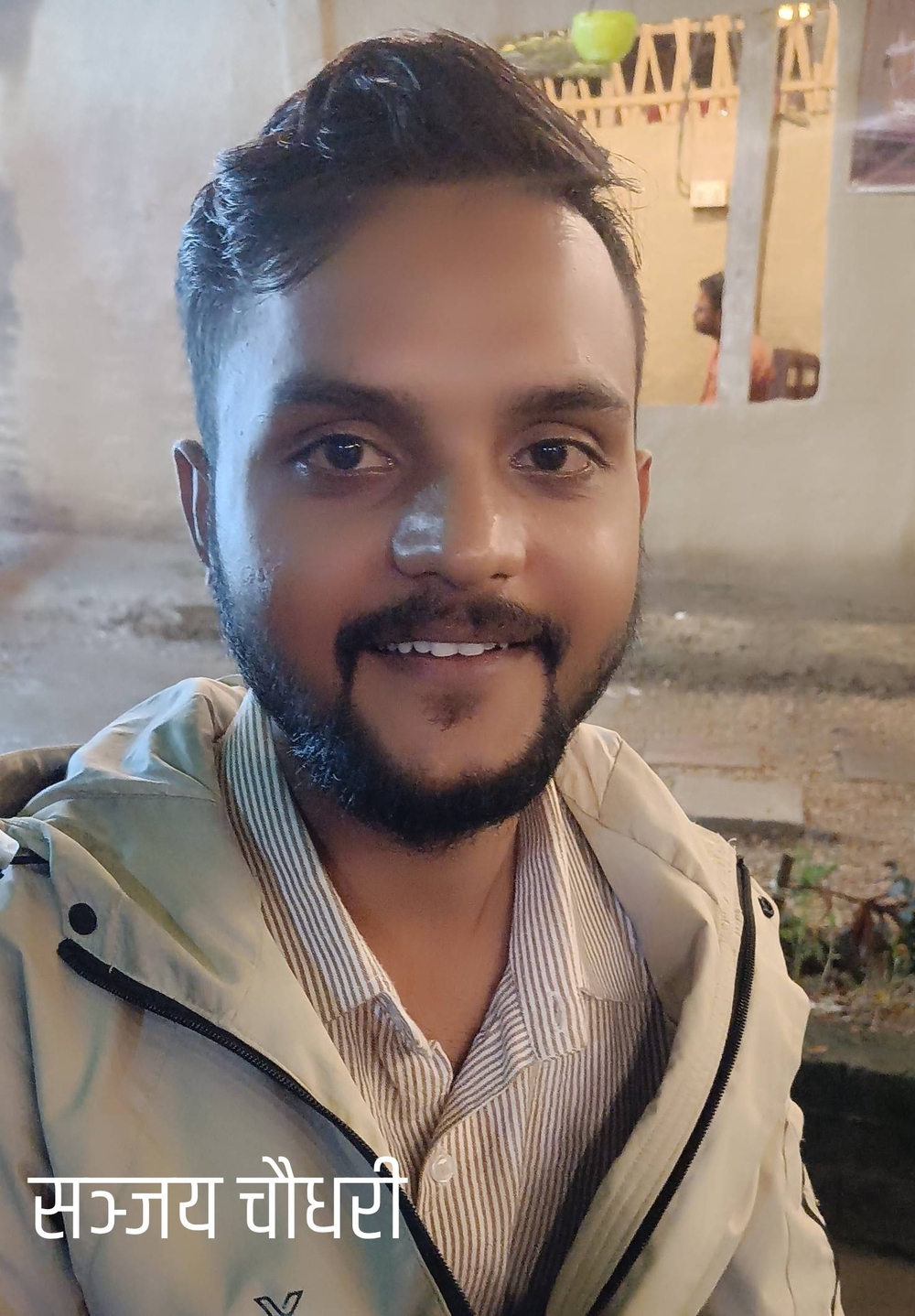 'We did not participate in the movement for many big political demands . The main thing was the ban on social media. Along with that, opposition to corruption," he said. He does not disagree with the fact that the state structure has become expensive and it has increased corruption. What is the advantage of the province? There has been more publicity of its disadvantages,' he said. It has made a negative comment about the province.'
Why and how did the country go to a federal structure? Why was the province created? What are its benefits? There is a lack of information about this among the youth. Only negative things are brought to public . - Sanjay Chaudhary, young businessman
Why and how did the country go to a federal structure? Why was the province created? What are its benefits? Chaudhary says that there is a lack of information among the youth. He himself seems to be ambivalent about federalism and provinces. Corruption has increased frustration. On the other hand, if there were many ministers in the province, the service facilities of them and their staff made the provincial structure burdensome," he said. "On the one hand, the provincial government has not been given power. It sounds like he doesn't get to work . It has increased the ambivalence about the province. A state that can give more output is needed.' Another politically aware youth, Baliram Kapri, says that Gen-G movement has not spoken anywhere in opposition to federalism. Some selfish and opportunists are promoting the cancellation of the province. The youth of Janakpur are protesting against it," he said. "Anger towards leaders and leadership has been expressed in the Zen-G movement. Not against the system and the government structure of the state.'
He believes that efforts have been made to abolish the provincial structure by spreading propaganda against it for a long time and the same class group is spreading rumors of the abolition of federalism in the current liquid state. The youths of Janakpur say that the state is being defamed due to the behavior and attitude of the leaders and they are in favor of its reform . He said that although they are in support of opposition to corruption, action against corrupt people and change of leader and leadership, they are cautiously looking at the questions raised about the province. He said that the youth of Madhesh will not accept any decision taken in opposition to federalism and the province.
There is diversity in the Madhesh state assembly. The debates in the state assembly in Maithili, Bhojpuri, Nepali, Hindi, Bajjika and other languages reflect the diversity of the state. The identity of caste and language speakers within Madhesh is seen in the provincial assembly . However, when those who fought the battle for identity and rights and came to the government through the leadership, turned politics into a business, the common people became disgusted with the leaders . Even the good works done by the provincial government have been overshadowed by the corruption and money-oriented behavior of the leaders .
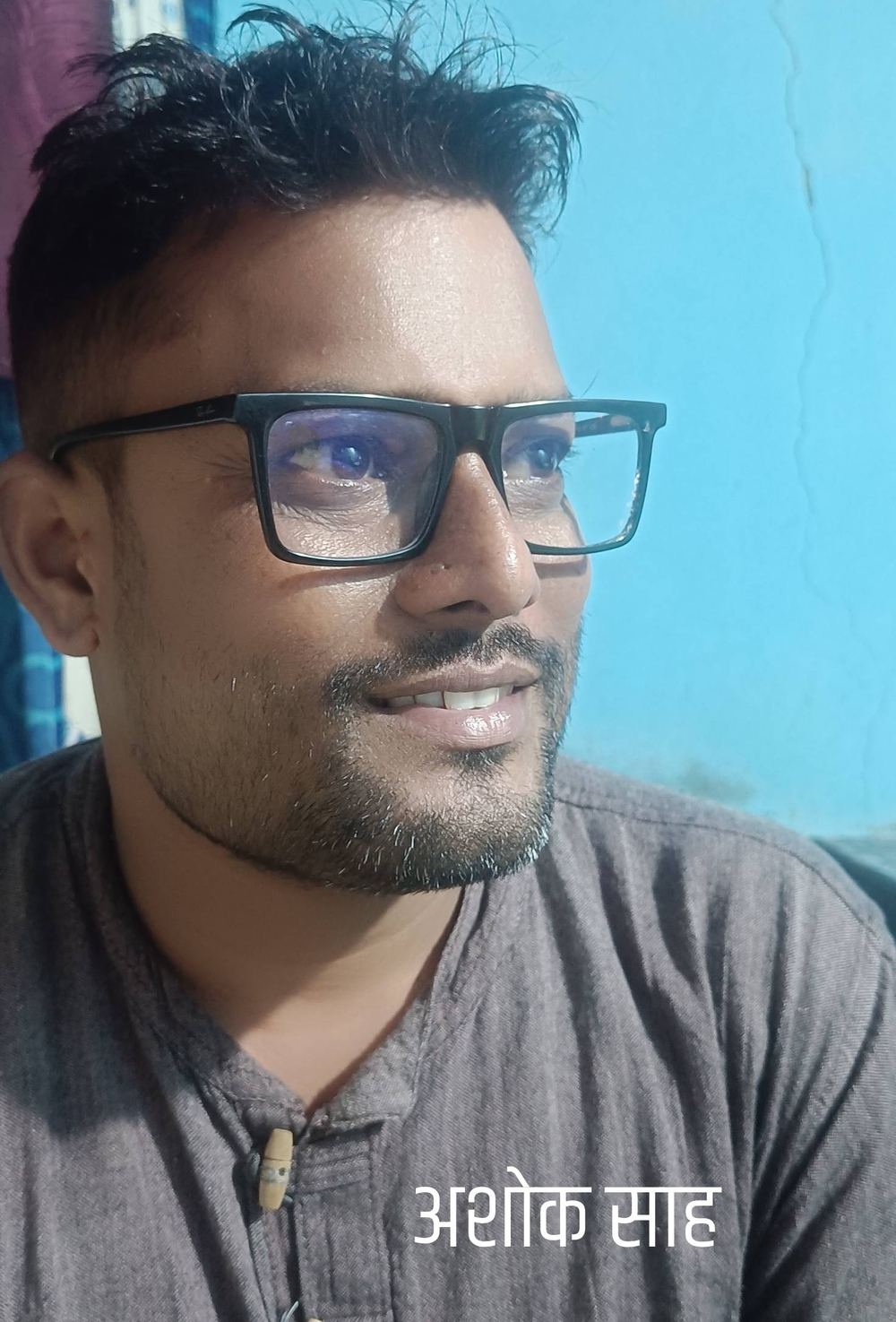
 Everything is not just viewed through the binoculars of Kathmandu. Only negative comments were generated. That is not the only truth. - Ashok Sah, Lecturer, Rajarshi Janak University Janakpur
Ashok Sah, an assistant lecturer at Rajarshi Janak University in Janakpur, says that federalism is a matter connected with the 'emotion' of Madhesh. But, regardless of that, the problem has arisen when the leaders come from one election and only plan how to win the next election . "The practice of winning elections by spending money, collecting expenses by reaching the position and collecting expenses to contest the next election has been established. Politics has been made a business . This has backfired federalism," he says. "The definition of federalism has changed, which is to think about the interests of the poor, marginalized and backward people. In the villages, the leaders started to appear as little kings . Its frustration was seen in the movement. Burn the municipal office.' However, he said that the public opinion of Madhesh is not against federalism. He mentioned that positive changes and achievements have been overshadowed. He says that both the positive and negative aspects of the province should be reviewed and analyzed. Efforts should be made to eliminate the negative and weak aspects and try to improve them. And not the cancellation of federalism in return," he said to Kantipur, "The most corruption and negative comments are towards the central government. It does not mean that the government will not keep it. Improvement is to be done.'
Due to the state government and the state legislature, the presence of different castes and languages has been seen at the level of state administration. The province has also shown its role in development. The province has also worked in the development of education, health, roads and other physical infrastructure. Jobs have also been created. The hospital in Janakpur, which was known as a zonal hospital 10 years ago, has now changed. As a provincial hospital, many service facilities have been added to the hospital.
 The province has contributed to the construction of rural roads, local markets, and protection of ponds and lakes. With the formation of the Provincial Public Service Commission, the recruitment of provincial employees has already started. "Everything is not just viewed through the binoculars of Kathmandu". Only negative comments were generated. That is not the only truth," said Sah. "The province has filled the shortage of teachers to some extent by sending volunteer teachers to schools where there are insufficient teachers. Various plans have been introduced to motivate the people to go to school.' He says that it is not fair to ignore all the good efforts and make only negative comments about the province.
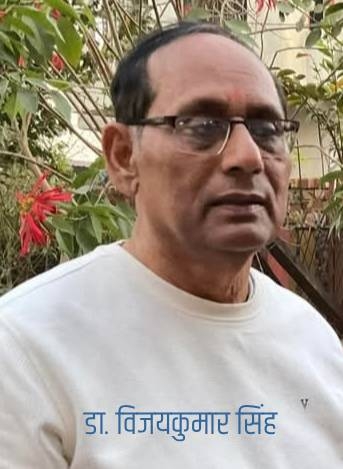
It was publicized that the financial burden of the state increased in federalism . By showing that, it is said that federalism is not needed. That is to say, most of the state's resources and investments are on the Nepali Army. What did it do to protect the constitution? The question is also there .-Dr. Vijay Kumar Singh, Member of the Constituent Assembly
Dr. Vijay Kumar Singh, a famous doctor in Janakpur, says that people who think that they are safe in the old centralized system, and who think that their rights will remain with them, are more opposed to federalism. He says that a section has been strategically opposing federalism and provinces since the emergence of the Madhesh movement. "Kathmandu-centric mentality has always been anti-federal". It is still visible. However, Janakpur, Madhesh or the reformist party cannot accept it," said Singh, who is a member of the Second Constituent Assembly. "It was propagated that the financial burden of the state increased in federalism. By showing that, it is being said that federalism is not needed. That is to say, most of the state's resources and investments are on the Nepali Army. What did it do to protect the constitution? The question is also there.' He says that if federalism continues, the existence of the country will be in danger. He says that when the Kathmandu government collapsed, the constitution and democracy were protected through the provincial government.
 He suggests that some leaders of Congress and UML who are against federalism should also understand that reality. "Federalism has just been put into practice, there is no alternative but to make it stronger by correcting the deficiencies seen in it," he said. No one took ownership of it . It was not properly implemented. Institutions were not strengthened. That is also the result of negative returns . Now why should federalism bear the blame for that?'
He gives the example of India and Pakistan. After becoming independent from the British, both the countries became independent at the same time. In India, Pandit Jawaharlal Nehru focused on strengthening democracy and its institutions. However, Mohammad Jinnah could not pay attention to that in Pakistan. Presenting the same example, he says, 'Look at the results, India has emerged as the largest and most successful democratic country in the world. It could not happen in Pakistan.'
Even though the federal democratic republic system was introduced in Nepal, the public institutions that strengthen the constitution and system are being weakened, he argued. "Land federalism is not the only thing needed". "Federalism with a stake in the sovereign rights of citizens is sought," he says.