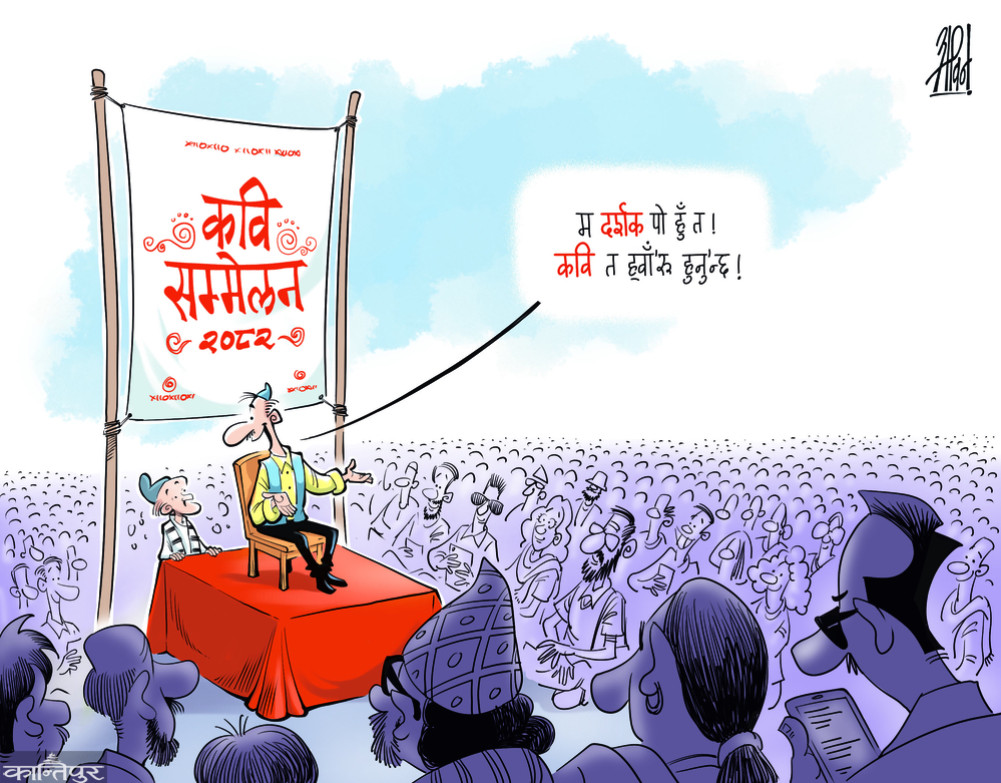
Nepal's poets, who are living in 'political depression', have not lost their way, but they are entangled - in reels, in trending, in virality, in likes, in views, in shares, in scrolls, in TikTok. The sad thing for poets is that the sentiments of their poems are also being 'scrolled' in the glare of the internet.
We use Google Cloud Translation Services. Google requires we provide the following disclaimer relating to use of this service:
This service may contain translations powered by Google. Google disclaims all warranties related to the translations, expressed or implied, including any warranties of accuracy, reliability, and any implied warranties of merchantability, fitness for a particular purpose, and noninfringement.
Perhaps Nepali society assimilated the power and strength of poetry during the People's Movement-2062/63. With a copy of 'Bise Nagarchi's Statement' in hand, the agitators were eager to overthrow the monarchy. It was during this movement that poets took to the streets at the risk of being shot. Let me say this, it was a historic moment when poets fearlessly confronted the authorities. In a way, it was a unique moment when the power of poetry was established.
Pablo Neruda, whom the world-famous short story writer Gabriel Garcia Marquez considered 'the greatest poet of the twentieth century in any language', used to say, 'A poet is a storyteller of his time.' He writes about all aspects and dimensions of society, from love, hatred, politics to his time.'
He said this hundreds of years ago, a 'Jumli poet' had already written the story of his time, 'Bhatu Khay Shubhaan Shahi Tauli Halya Kumlaa/Jiti Aaye Gokhya Jani Mar Jumla (Baburam Acharya, Purana Kavi Ra Kavita)'.' It is not difficult to reach the same conclusion - the poet writes about his time, writes about the complexity of his time, writes about the bitterness and sweetness.
In my 'superficial' understanding, the three foreign poets most read by Nepali readers are Punjabi poet Avtar Singh Pass, Chilean poet Pablo Neruda and German poet Bertolt Brecht. Then, Turkish Nazim Hikmet, Palestinian Mohammad Darwish and Hindi Kedarnath Singh are also on the reading radar of Nepalis. One common feature of all these poets is that they all played tricks with power, capturing the passions, routines and activities of ordinary people and sharpening the nib of their pens.
The oldest surviving epic poem is considered to be the ‘Epic of Gilgamesh’ written in Mesopotamia in 2100 BC. After that, the ancient Greek poet Homer and the Roman poet Virgil laid the literary foundation of Western civilization. The tradition of writing poetry with a plot began with the ‘Iliad’ and the ‘Odyssey’. Ancient Greek poets are considered to be the contributors to the intellectual tradition of the Western world.
 Whenever the context of poetry comes up, Shakespeare appears as a legacy of the past and the future. All his plays are full of poetic richness. It can be said that if there is one evergreen 'celebrity poet' in the world for four hundred years, it is Shakespeare.
Romantic poets like Wordsworth, Coleridge, and Selye turned poetry from heroic epics to descriptions of personal feelings and nature. Poets like Dickinson and Whitman attacked the structure of poetry and established today's modern unrhymed poetry tradition. Then poetry was freed from the shackles of rhyme. With this, cultural diversity entered poetry.
On the other hand, Langston Hughes and, a little later, Maya Angelou freed poetry from the burden of 'aesthetics'. They mixed activism, politics, and identity to make poetry the voice of the underprivileged.
In today's digital age, poetry is being written more on social media than on paper. New formats like 'slam poetry' have been born. Poetry is important not only because of its art – it shapes language, culture and identity. Yes, from the praise of Anhedona to Rupi Kaur's Instagram lines, the shape and form of poetry have changed. But its main function of expressing the human soul was the same yesterday and is the same today.
There is an effective and magnificent film that tells the story of human loneliness – 'Bhutan'. The film says – a person who has forgotten his roots is never at peace.
In the digital age, poetry has started being written more on social media than on paper . From ‘slam poetry’, praise of anhedona to Rupi Kaur’s Instagram lines, the shape and form of poetry have changed . However, the main function of poetry was the same yesterday, it is the same today – to express the human soul . Even the poets of Nepal living in 'political-depression' are not at peace. They are living a 'sandwich' life, squeezed between 'politics' and 'power'. They are as restless as the electric hoarding boards standing on the roadside, whose scenes keep changing in an instant. They have not lost their way, but they have become entangled – in the speed of 30-second reels, in trending, in virality, in likes, in views, in shares, in scrolls, in TikTok... . The sad thing about poets is that the feelings of their poems are also being ‘scrolled’ in the glare of the network .
Poetry has been written in abundance and abundance in the sky of Nepali literature, but are there green leaves on the tree of poetry or have all the leaves fallen from it ? Is this path that poetry has walked dull, dark, lacking and deserted or is there a bright light ?
 Poets and poetry have been made into serious jokes in Nepali society, stories have been written, and teleserials have been produced. Poets who once published poetry books and distributed them for free now earn royalties by publishing fast books from good publishing houses and reciting poetry in poetry concerts in grand auditoriums. However, the social view of poets remains the same. How far can the jokes on poets go? As a popular joke says, half of those injured when a helicopter rains stones are poets, and two poets die when they collide with three people on the road.
It is a joke, but poets are still writing poetry, new poets are being born every day. From poetry readings, award distributions to tickets and tiktok, poetry readings are incessant.
 What is the world of poetry like in reality? And who is a real poet? In the understanding of nature-loving writer and botanist Tirtha Bahadur Shrestha, who keeps quoting lines of poetry in his articles/essays, discussing poetry, and reading old poems, poetry is the door to go beyond the orbit (planetary path) of his life. ‘Real poetry does not have time and space.’ A bee must reach the inner petals of a flower to find honey, but a poet must have the ability to reach the depths of life. A poet must first go out of his own orbit and enter the orbit of others. He must try to look at life from a distance beyond concrete circumstances. He must reach into space to see the roundness of the earth. Similarly, a poet must also enter the orbit of others to see the lives of others. He must reach the line of others that is different from his own life,’ says Tirtha Bahadur.
I do not know whether poets can fulfill this heavy responsibility that Tirtha Bahadur has pointed out! And another thing, if a poet like Charles Bukowski, immersed in his own orbit, were alive, what kind of poetry would he be discussing with Tirtha Bahadur? Because, he has written poetry on his own breath, in which there is no sublimity.
Kedarbhakta Mathema, a poetry lover and educationist, has memorized the first few lines of poetry. Native/foreign poems that have soul touch his heart. Crown Prince Dipendra had come to meet him when he was the ambassador to Japan. Mathema had a book of poetry in his hand. The Crown Prince said, smiling, ‘I also write,’ Mathema recalls. He also said, ‘But now I have stopped writing.’
Wordsworth had said, ‘Poetry is a very powerful overflow of feeling.’ Remembering that, Mathema had told the Crown Prince, ‘You can reflect back again.’ Mathema says, ‘Poetry does not have to be written when the feeling comes, it can be written whenever the feeling is collected.’ Perhaps Dipendra wanted to say something very deeply and he wrote poetry. Power, opulence and desire alone do not express the heart.’
Perhaps the poet is a meditative sage, who penetrates the depths of the world in the subtlety of words. Writing poetry is silent meditation, whose poetic truth makes the heart flutter. It is said that a single line of poetry can change the path of an entire life, a single line can open an infinite source of internal power. It is also said that a good poem gives itself a new life.
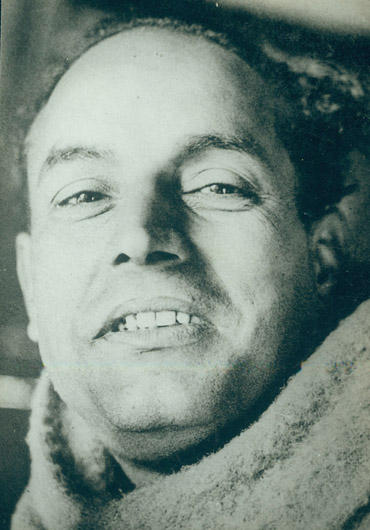 What is the significance of any event or situation? Or how long does its impact last? The results may be different for ordinary people, but for a poet it can often have a deep impact for a long time. Which has definitely affected his thinking. And, he starts looking for a way out – with the help of words. Sometimes something comes immediately due to some previous experience, sometimes it does not come. And the cloud of thought lingers in the poet’s mind. And after the ‘fermentation’ of thoughts and feelings, poetry is born only after the necessary time – the moon of memory and the ray of thought mix, a poem of life experience.
Poetry is considered the nectar of literature – the poet Biplav Pratik, ‘Poetry is the nectar of literature.’ When poetry is the nectar of literature, how seriously and sensitively it must be written is a matter of self-assessment. However, in the Nepali society, where getting rich overnight is a dream, most people are also tempted to become writers overnight. The practice and meditation required to become a writer, the sensitivity and seriousness required to be a writer, are everywhere missing. As seen in the market, most of the 'poems' written in the form of poetry are considered poetry only in Nepal.
Poet Ramesh Kshitij says that poetry is the most vivid, powerful and cultured language created by humans so far. 'Beauty is used in poetry to the highest degree. Poetry builds a broad culture and civilization. It makes society creative and dynamic. It motivates us to walk on the path of good or justice,' he says.
In the opinion of poet Pragati Rai, who has been practicing poetry for many years, poetry is just an image - an image of nature, an image of feelings. ‘Whoever can capture that image in an attractive way, he is the poet, that familiar sign is poetry,’ says Pragati, ‘Today’s poets write thoughtfully, targeting people, and looking at the market. That is why today’s poems shine like a beautiful woman with makeup. A reader demands that the person’s appearance as soon as he wakes up in the morning should appear in the poem, not too much makeup.’
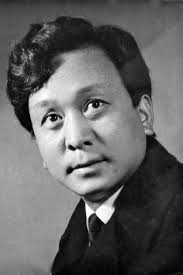 Economists, politicians, scientists, or other personalities (who are not poets themselves) from all over the world repeatedly resort to relevant lines of poetry to communicate their thoughts or complete their expressions. This is also an indication that poetry is helpful to people on their journey through life, sometimes for joy, sometimes for guidance, and sometimes for contemplation. But, as many people think, why can’t a poet just whip up a poem in a flash?
The poets of Nepal, who are alive in 'political depression', have not lost their way, but they are entangled - in reels, trending, viral, likes, views, shares, scrolls, and TikToks. The sad thing for poets is that the feelings of their poems are also being 'scrolled' in the glare of the network. The eighth-century Acharya Vaman considered poetry to be the soul of style. Poetry is also a reflection of the poet's heart. Therefore, Pratik says that one should be able to free oneself from greed, infatuation, jealousy and ego. And, poetry is a form of literature that wonderfully combines the aesthetics and rhythm of language. There is also an argument that poetry contains thoughts that are compatible with various philosophies of the world and even higher than that. How is practice being done on such a serious subject?
Poetry cannot be just a pile of words, it needs emotion to be alive. Do most contemporary Nepali poems written by piling up words in the form of poetry have soul or spirit? The answer to Khulduli, which most critics do not question, is given by critic Rajkumar Baniya, who is interested in poetry practice, as follows: ‘There are many limits in my understanding of poetry.’
To understand the saga of a certain era, the poetry of just one poet is not enough and numerous poets are needed, says Pratik, ‘But, seriousness is needed in a poet. Sadhana is needed. Those who want to come into the limelight by writing may be famous, but they themselves are unaware of the soul that has been lost in their poems.’ The famous poet is also such that after his death, as long as he remains in the memory of his relatives, his poems will have been forgotten before that.'
It is not that the rich or the rulers do not advocate that poetry should not be written. But, those who have the skill to touch the hearts of others do write. Those who have feelings, the wealth of words, write. Those who understand the reality that everything has already been said, and those who have the skill to say it in a new and soul-touching way, write. However, most of those who have attained the status of poets and are eager to hold the title of poet, seem to be more confident than necessary in contemporary times.
Poet Shravan Mukarung comments on such 'poet-incarnations', 'What this incident proves is that poetry has not lost faith in itself. The value of the poet is safe. समाजका नेता, व्यापारी आदिले जस्तो कविले विश्वास नगुमाएकैले कवि बन्नु असल कुरा हो भनेर कविहरूको अनुसरण गरिएको हुन सक्छ ।’
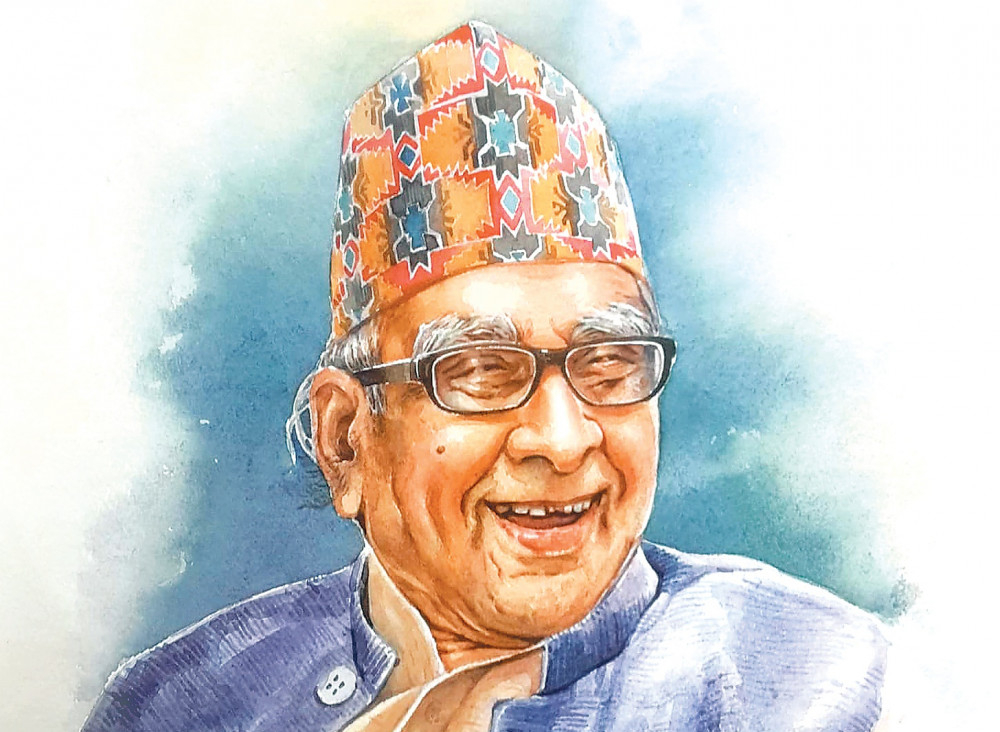 नेता–व्यवसायीहरूको काव्यमोहलाई उनीहरूले पनि कलाको मूल्य बुझेका रूपमा लिन्छन् कवि मनु मञ्जिल । ‘इतिहासका राजा–महाराजाहरूले ठूल्ठूला कवि–संगीतकारको मद्दत लिएर पनि आफ्नो रचनाको परिष्कार गरेको र प्रचार गराएको पाइन्छ,’ मञ्जिल भन्छन्, ‘तिनीहरूले कलात्मक अभिव्यक्तिको शक्ति बुझेको हुनुपर्छ । कला प्रतिष्ठाको श्रीपेच पनि हो । मान र ऐश्वर्यले सम्पन्न व्यक्तिलाई कलात्मक वरदानको कमी महसुस हुँदो हो । कलाको साथमा सायद ऊ आफ्नो पूर्णताको अनुभव गर्न चाहन्छ । सान, शक्ति र धन–दौलतको प्राप्तिपछि कविता लेख्ने भनेको चाहिँ सेलेब्रिटी वर्सिप सिन्ड्रोमको यौटा अंश हो ।’
मान्छेले जे बन्न खोजे पनि त्यो बन्न सहज छैन । कवि चन्द्रवीर तुम्बापो भन्छन्, ‘गोपीकृष्ण कहोको रटानपछि लोक सेवा पास गरेर अफिसरमा नाम निकाल्न सक्नु होइन कवि बन्नु । नेताको चाकडीपछि तुरुन्तै सांसद हुनु वा मन्त्री पड्काउनुजस्तो होइन कवि बन्नु । यौवनकालमा अरूतिरै ध्यान दिने, एकाएक बुढेसकालमा कविताको फर्ममा केही लेख्ने र कविमा आफ्नो नाम दर्ज गर्ने– यो मानिसभित्र लुकेको कुरूप लोभ हो ।’ तर, बानियाँको विचार बेग्लै छ । उनका अनुसार, काव्यिक भावना जागेर आउनु कुनै खोटको विषय पनि होइन । उनी भन्छन्, ‘इकोनोमिक्सका कारण इमोसन्स दबाएर बसेकाहरूले जीवनको एक छेउमा उभिएर स्वैच्छिक तवरले कविता लेख्नुलाई किन अन्यथा मान्नु ?’ बानियाँको यो उदार मत लोकतन्त्रसम्मत पनि छ ।
कविताले के गर्छ ? किन नेपालमा बाहेक संसारका अधिकांश मुलुकमा सानैदेखि बालबालिकाहरूलाई काव्यचेत सिकाइन्छ ? के नैतिक शिक्षाजस्तै हो कविता भनेको ? जसले मानिसलाई नैतिकवान जीवन बाँच्न सघाउँछ ? अहिलेको अशान्त संसारबीच कविता कहाँनेर उभिएको होला ? मुकारुङको विचारमा ‘कविता भनेको एउटा विशिष्ट थेरापी हो’ । भन्छन्, ‘संवेदना व्यक्त गर्ने उपयुक्त माध्यममध्ये छोटो र सजिलो माध्यम कविता, गीत, संगीत नै हो ।’
फेसबुकको सञ्जालमा नेपाली कविता वाचन र साक्षात्कारको लहर उर्लिएको छ । भर्खरैको चुनावी याममा पनि फेसबुकमा खुब कविता लेखिए– आफ्ना प्रिय नेता र दलको समर्थन अनि प्रचारमा । यसबाट समकालीन नेपाली साहित्य र साहित्यकारको साहित्यचेतको अभिलेखीकरण भएको छ, जुन प्रशंसनीय छ । तर, सवाल पनि उठेकै छ– कविताको नाउँमा रसहीन काव्यले पाठकमा काव्यप्रति नै वितृष्णा त जगाउँदैन ? के सेलेब्रिटी कविहरू सेल्फीब्रिटीको सिकार भएका छन् ?
असलमा भौतिक दौडमा सामेल हुँदैन कवि । भ्रष्ट आचारसँग दूर सुदूरसम्म उसको साइनो हुँदैन । ईर्ष्या, लोभ, अहंकारजस्ता मानसिक विकारलाई पखाल्ने अभ्यास गर्नुपर्छ कविले । तब पो उसका कवितामा जीवनदर्शन भेटिन्छ अनि गुराँस, इन्द्रेणी र जूनको पर्याय बन्छ कवि । कवि कहलाइनका लागि कोही लेख्छ भने त्यो कवि हुँदैन । जंगलमा फुलेको फूलले ‘म फूल हुँ’ भन्दै चिच्याएको त मैले आजसम्म सुनेको छैन– विप्लव प्रतीकको धारणा हो यो । यदि यही धारणासँग सहमत हुने हो भने समकालीन साहित्य कुन मार्गतर्फ बढ्दै छ ?
कोभिड कालमा उहिले नै बितिगएको लकडाउनका दिनतिर फर्किहेरौं एक पटक । लकडाउनको त्यो सिजन सुरु भएदेखि नै सामाजिक सञ्जालमा छ्यापछ्याप्ती कविता–वाचनले त्यस समयको मनसुनलाई माथ गरेको थियो । त्यो कविता–लहरले कवि चन्द्रवीर तुम्बापोको ‘ब्लड प्रेसर’ पनि बढाइदिएको थियो । लकडाउनको एक साँझ उनले भनेका थिए, ‘कहिल्यै कविता नलेख्नेले पनि कविता लेख्दै पोस्ट गरिरा’छन् । यसरी रातारात कवि भइन्छ ? एक–दुई थान कविता राष्ट्रिय दैनिक पत्रपत्रिकामा छापिँदैमा, संग्रह ल्याउँदैमा वा वाचन गर्दैमा कवि भइन्छ ? सामाजिक सञ्जाल हेर्दा लाग्छ, सबैभन्दा सजिलो काम कवि हुनु हो । यो पछिल्लो सामाजिक मनोविज्ञानले खेलेको भूमिका हो । प्रकारान्तरले यो हानिकारक छ ।’
महाकवि लक्ष्मीप्रसाद देवकोटाले भनेका थिए, ‘स्वस्थ कल्पना गर्ने मानिस कवि हुन्छ ।’ तर, दृश्य यस्तो पनि देखिन्छ– शक्तिमा बसेका, सबै क्षेत्रमा पहुँच पुग्ने प्रधानमन्त्री, सांसद, मन्त्री र सचिव, व्यवसायीदेखि सामान्य साक्षर जनतासम्म सबै कवि बन्ने दौडमा छन् । सबैलाई कवि हुन मन लागेको किन ? अनि यस्तो परिदृश्यमा लेखिएका कवितामा कविताको आत्मा छ त ? बानियाँ भन्छन्, ‘कविता लेख्दैमा वा पढ्दैमा आत्मा भेटियो कसरी भन्ने ? अहिलेको काव्य संसार ‘ग्रेट क्राई, लिटिल ऊल’ जस्तो छ । अर्थात् बढी भ्याभ्या गर्ने भेडोकै जीउमा सबैभन्दा थोरै ऊन ।’
कवि बन्ने रहरमा सामाजिक सञ्जालमा छिनछिनमै कविता पोस्ट हुन कसैले रोक्ने कुरा आएन, नरोकिएला पनि । आर्थिक रूपमा सम्पन्नले मनको भाव पोख्नु आश्चर्य नहोला तर आयआर्जनमा सुक्खा लागेको काव्यकुञ्जमा नयाँ पिँढीलाई के विषयले आकर्षित गरिरहेको होला ? तिनमा ‘कवि’ बन्ने आकांक्षा किन खाँदाखाँद देखिन्छ ? मञ्जिल भन्छन्, ‘कुनै सेलेब्रिटीजस्तो लेखेर, गाएर, लाएर, खाएर, खेलेर चर्चामा आउने मनोविज्ञान कविहरूमा हाबी छ । मानिसहरू कविता–कविता भन्दै त्यता ओइरिएका छन् । तर, कलाको हिसाबले यो मिडिया लगभग बेकारको छ । दिनमा सात वटा कविता लेखेर पोस्ट गर्नुको मनोविज्ञान के ? कुनै पनि कविको व्यक्तित्व त्यस्तो हुँदै होइन । कवि त बेलाबेला हाइबरनेसनमा, अन्डरग्राउन्डमा जाने हो । सिरक, डस्ना लिएर सोसल मिडियामा गएर बास बसेर हुन्न । कविको व्यक्तित्व राजेश हमालको जस्तो होइन– सधैं सिल्भर स्क्रिनमा चम्कने । कवि त बेलाबेला उदाउने घामजस्तो हो ।’
कवितामा नवप्रवेशीहरू छिनछिनमा आइरहेकै हुन्छन्, आउनु पनि पर्छ । तर, उनीहरू कुन चेत लिएर आएका छन् भन्ने विषयले ठूलो अर्थ राखेको हुन्छ । मुलुकमा रहेका विभेद, सामाजिक–सांस्कृतिक कुरीति, अन्तर्राष्ट्रिय परिवेश, इतिहास, भूगोल, मानवशास्त्र, समाजशास्त्र र विज्ञानबारे उसको बुझाइ कस्तो छ भन्ने विषयले पनि ठूलो महत्त्व राख्छ । दुनियाँमा हरेक प्रतिभाले अभ्यास, अध्ययन र गम्भीर समर्पण मागेको हुन्छ । समकालीन साहित्यमा कति त्यस्ता सर्जक छन् जो गम्भीर छन्, यस विषयमा भन्ने अर्को बहस होला ।
तर, ती जो आइरहेछन्, कस्तो लेखिरहेका छन् त ? अनि स्थापित कविमध्ये अधिकांश कस्तो लेखिरहेका छन् ? समीक्षक वामदेव पहाडी लेख्छन्, ‘आजको नयाँ कवि सोझो ढंगबाट बोल्न चाहँदैन, सायद स्पष्ट हुन परिस्थितिले उसलाई दिँदैन । साहित्यको संक्रमणकालबाट नयाँ कविहरूले मृत्युको छायाबाट बचाइल्याएको सपनालाई सत्य सावित गरून् ।’
आम मानिस आफ्नो पहिचानको खोजीमा हुन्छ । के कविता लेख्नु पनि आफूलाई चिनाउन खोज्ने प्रवृत्तिकै अर्को रूप हो ? ‘कविता लेख्नु आफूभित्रको ज्वालामुखी हल्का पार्ने बहाना हो’ भन्छन् लेखक राजन गोदार । उनी भन्छन्, ‘न्यूनतम काव्यरस मान्छेको जैविक गुण र साझा मानवीय स्वभाव हो । कसैको मूल फुटेर नदी, पोखरी, ताल, समुद्र बन्छ । कसैको सुक्दै जान्छ । निश्चित आकार र परिकारको अपेक्षा नै गलत हो । जो कसैको पनि काव्यमोह प्रतिष्ठाको भोकभन्दा बढी आफैंलाई हल्का पार्ने लोभ हो । मानसिक एवं शारीरिक मोचनमा हामी आनन्दित जो हुन्छौं ।’
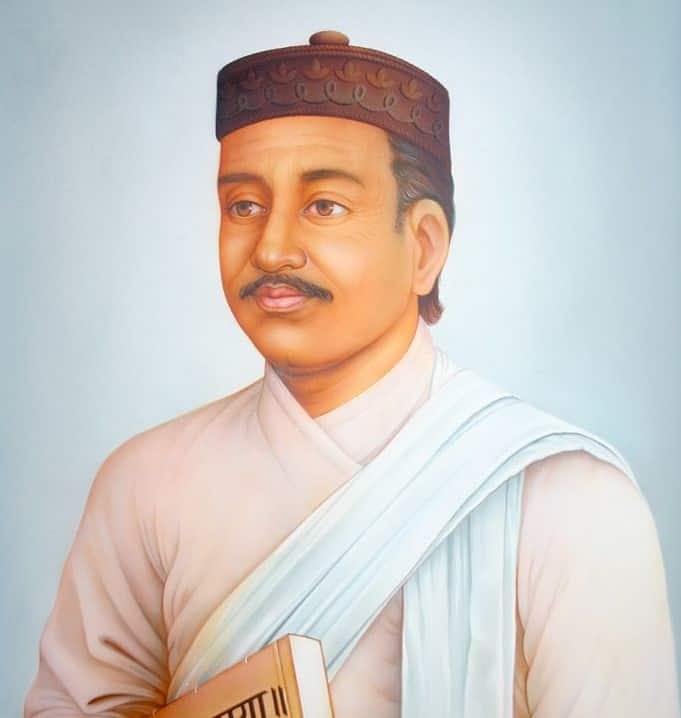
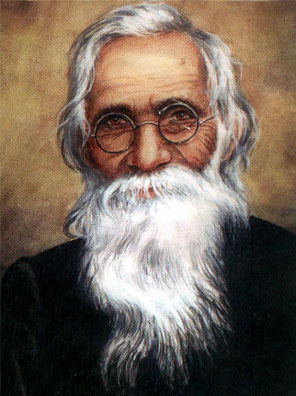
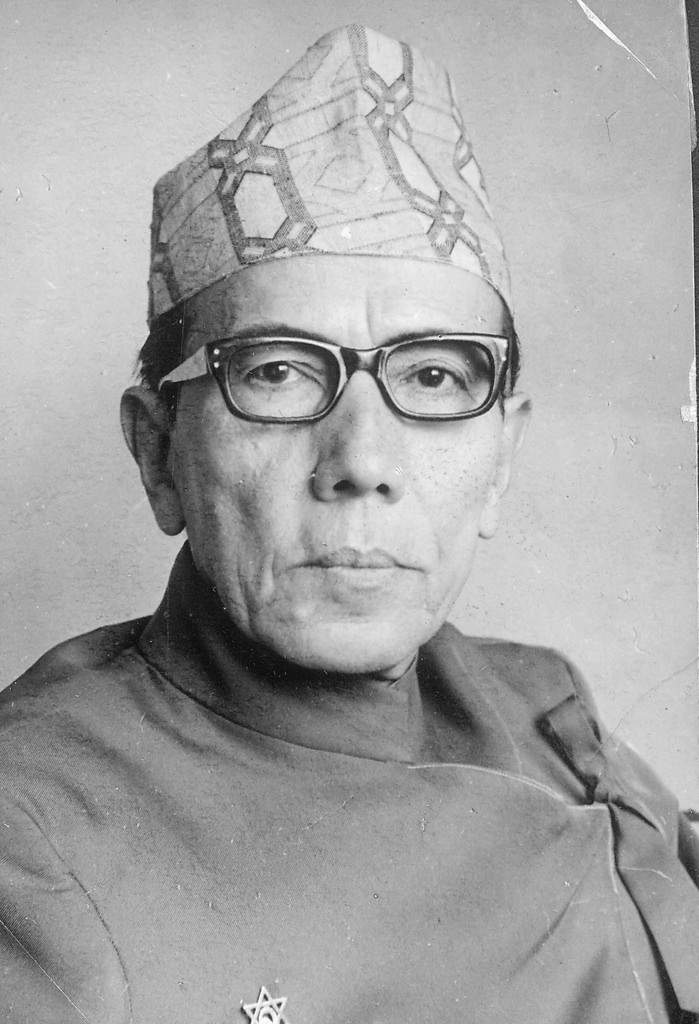
नेपाली कविताको प्राथमिककाल, माध्यमिककाल र आधुनिककालसम्म विचरण गर्दा हामी वीर धारा, भक्ति धारा, शृंगार धारा र परिष्कारवादी धाराका कविताका पंक्तिहरू छिचोल्छौं । कवि सुवानन्द दासको ‘पृथ्वीनारायण’ कवितालाई नेपाली कविताको इतिहासले पहिलो लेख्य कविता मान्छ । अभिलेख भन्छ– त्यसपछिका कविहरू शक्तिवल्लभ अर्याल, उदयानन्द अर्याल, राधाबल्लभ, सुन्दरानन्द बाँडाले वीर धाराका कविता लेखे । प्राथमिककालमा भक्ति धारालाई उचाइमा पुर्याएका थिए– रघुनाथ भट्ट पोखरेल र भानुभक्त आचार्यले । रोचक, झर्रो र लोकप्रिय लोकछन्दका कारण भानुभक्त नेपाली साहित्यकै आदिकवि कहलाए । मोतीराम भट्ट, लक्ष्मीप्रसाद देवकोटा, लेखनाथ पौड्याल, सिद्धिचरण श्रेष्ठ, गोपालप्रसाद रिमाल, माधव घिमिरे, बालकृष्ण सम, युद्धप्रसाद मिश्र, हरिभक्त कटुवाल, वासु शशी, पारिजात, भूपी शेरचन, वैरागी काइँला आदि कविहरूले नेपाली कविताको मार्ग फराकिलो र सुवासित पारेका छन् ।
आधुनिक नेपाली कवितामा ‘कविता–विरासत’ धान्ने कविको चर्चा गर्दा अधिकांश समीक्षक गोपालप्रसाद रिमाल र भूपी शेरचनमा पुगेर टक्क अडिने गरेका छन् । आख्यानकार नारायण ढकालले लेखेका छन्, ‘आधुनिक नेपाली कविताको इतिहासको भर्याङ चढेर विचरण गर्नुपर्ने अवस्था आउँदा म अहिले पनि गोपालप्रसाद रिमालसम्म पुगेर टक्क रोकिन पुग्छु । जब कवितामा जीवनको सरोकारको प्रश्न गाँसिन्छ, त्यसको अग्रचेत रिमालले नै कब्जा गरेको स्पष्ट देखिन्छ ।’
आधुनिक नेपाली कविताको ‘आदिकवि’ आफ्नै गाउँको कविते कामीलाई र ‘राष्ट्रकवि’ सेतांगे जेठालाई सम्बोधन गर्ने नेपाल प्रज्ञा प्रतिष्ठानका कुलपति भूपाल राईको विचारमा कोही एक मात्रै मानक वा आदर्श कवि हुनै सक्दैन । ‘कान्तिपुर’ सँगको अन्तर्वार्तामा उनले भनेका छन्, ‘नेपालमा आदिकवि एक जना मात्रै छैन । राष्ट्रकवि पनि धेरै जना छन् । म जुन समाज वा समुदायमा जन्में–हुर्कें, त्यसले भानुभक्त आचार्य र माधव घिमिरेलाई चिन्दैन ।’
कवितामा प्रवेश गर्ने नवप्रवेशी कविहरूले भानुभक्त, माधव घिमिरे वा देशी/विदेशी कविता पढेका वा नपढेका हुन सक्छन् । तर, तिनीहरूको आँखामा कविताको आगोचाहिँ छ । त्यो आगो धिपधिपे छ कि चर्को छ ? सायद समीक्षाशास्त्रीहरूले यसको व्याख्या कुनै दिन गर्लान् ।
समकालीन नेपाली साहित्यमा कथा र नाटकको जस्तो नाजुक अवस्था कविताको छैन । कविता प्रशस्तै लेखिएका छन् । त्यही भएरै व्यापक वाचन पनि भएको हो । तर, गम्भीर नयाँ–पुराना दुवै पुस्ताले ‘कविता व्यर्थको एकालाप होइन, अति विशिष्ट साधना हो’ भन्ने बुझ्नु उनीहरूले कविताको सम्मान गरेको ठहरिनेछ ।
कवि एक साधक नबनुन्जेल कविताले ‘प्राण’ भेट्टाउँदैन । कविताका किताब प्रशस्त छापिँदैमा, चन्द्रागिरिमा उक्लेर कविता लेख्दैमा वा दैनिक २/४ पटक फेसबुक लाइभमा वाचन गर्दैमा कविवर माधव घिमिरेको भाखामा ‘हामीले कविता उठायौं एसियाको माझमा’ भनेर स्याबास कसैले पाउने छैनन् ।
नेपाली कविताको भविष्य कस्तो छ त ? यस प्रश्नको जवाफमा अरू सिर्जनाका विधालाई पनि सामेल गर्नुपर्छ । नेपाली आख्यानको भविष्य कस्तो छ ? नेपाली फिल्मको, थिएटरको भविष्य कस्तो छ ? संगीतको भविष्य कस्तो छ ? यी सबै विधा एकअर्कासँग जोडिएका, गाँसिएका छन् । एउटा विधाले उन्नत स्तर हासिल गर्यो भने त्यसको राम्रोपन र उचाइको रापताप अर्कोमा पनि पुग्न/सर्न सक्ला । अर्थात्, कविताको भविष्य राम्रो हुन उपन्यास/फिल्म/नाटक/संगीत पनि राम्रो हुनुपर्छ । अनि, उपन्यास/फिल्म/नाटक/संगीतको भविष्य राम्रो हुन कविता पनि राम्रो हुनुपर्छ । एक्लै त कुनैको पनि भविष्य सुन्दर हुनेछैन ।