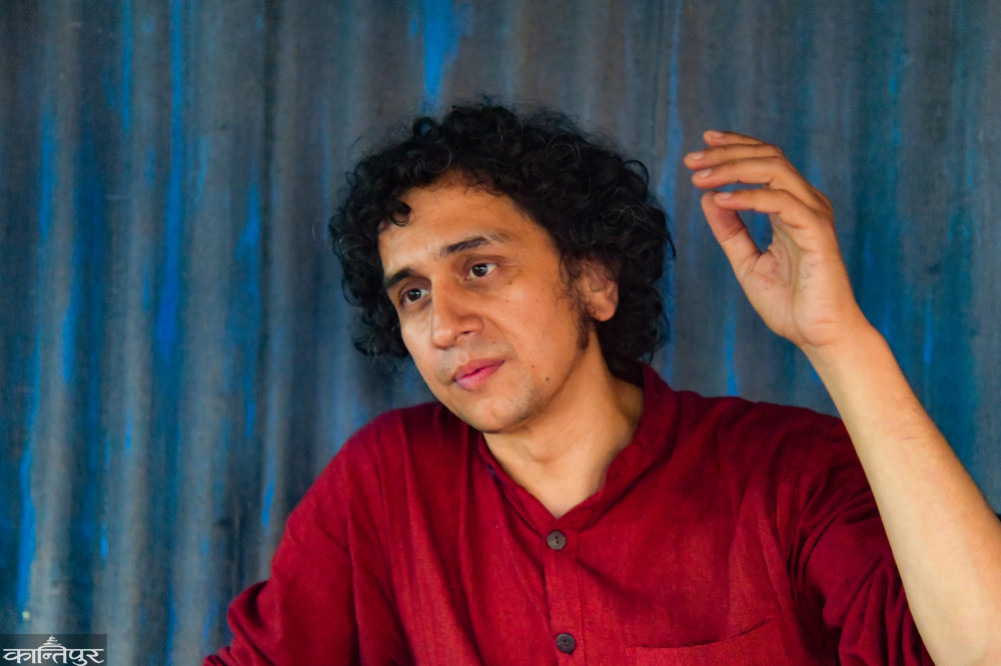
This is Tank's fourth directorial play, which he is staging in theatres. He has directed 20/25 plays in the Barseni school and recently he is motivated to make plays targeting professional audience
We use Google Cloud Translation Services. Google requires we provide the following disclaimer relating to use of this service:
This service may contain translations powered by Google. Google disclaims all warranties related to the translations, expressed or implied, including any warranties of accuracy, reliability, and any implied warranties of merchantability, fitness for a particular purpose, and noninfringement.
Gakarmi Tank Choulagain has staged the play 'Charlie and the Chocolate Factory' many times before in schools/college. However, this time, with the idea of making a 'musical' play, he adapted this play to suit the Nepalese environment and named the play, 'Truth of Yuga'.
He said that although he could not make the play a complete 'musical', he tried his best. Actually 'Charlie and the Chocolate Factory' is a children's play. However, when Tank made it Nepali, he changed the character and age of the child actor. The actual story is limited to entertainment, but when Tank brought the same story to Nepali, he targeted the youth.
When he was translating this play into Nepali, the environment of millions of young people migrating abroad was in front of his eyes. However, the empty village is also a sign of the extreme despair of the Nepali youth. What will happen if the city also slowly recedes? Tank said that he created this play with similar ideas. How to stop young people going abroad? This question drew Tank's attention to 'Charlie and the Chocolate Factory'. He felt that if the industry was established in the country, most of the youth would stay in Nepal. Establishment of industry means creation of employment.
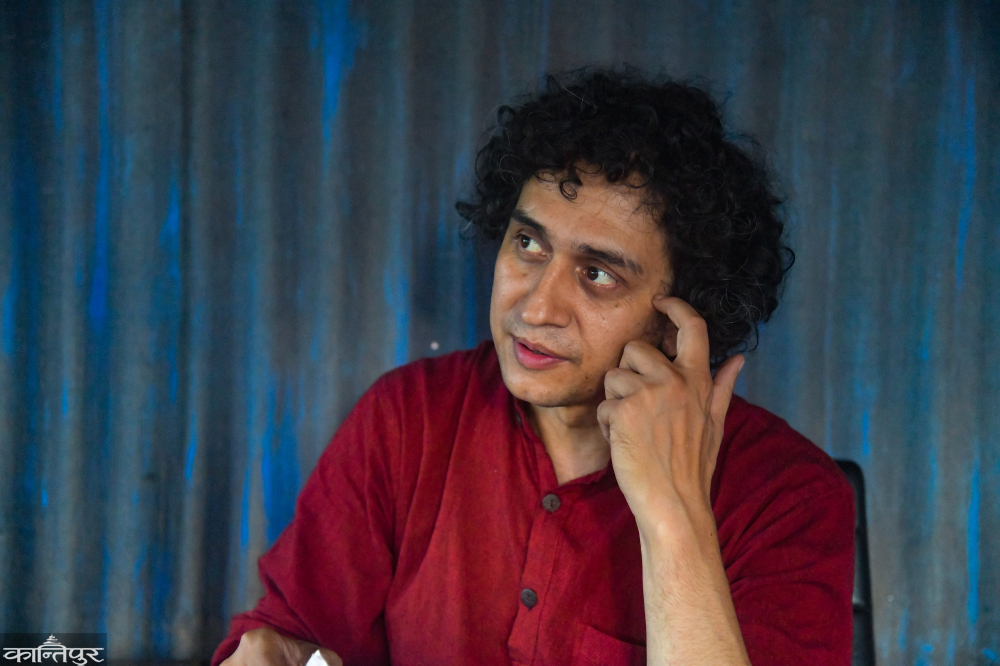 'Agriculture is dying. However, industry is needed in our environment. If industries were established in those places to cultivate according to the place and needs and according to the raw materials, then those who went abroad and learned skills, those who returned after earning, would have a place to live here,' he said.
In 'Charlie and the Chocolate Factory', a very famous children's literature, there is a story of a child who suddenly becomes the owner of a big chocolate factory from poverty. One day, Willy Wanka, a successful chocolate factory businessman, announces five 'golden' tickets. Ticket holders are said to get a golden opportunity to tour the huge and heritage factory. One of those five characters is Charlie.
'Charlie and the Chocolate Factory' has a chocolate company. The background of Hetaunda textile industry, which has been closed for two decades, is included in 'Key of Yuga'. "The budget is allocated saying that Hetounda textile industry should be opened. Hopefully, this textile industry will be operational again. It could not compete with the cheap fabrics of China and India.
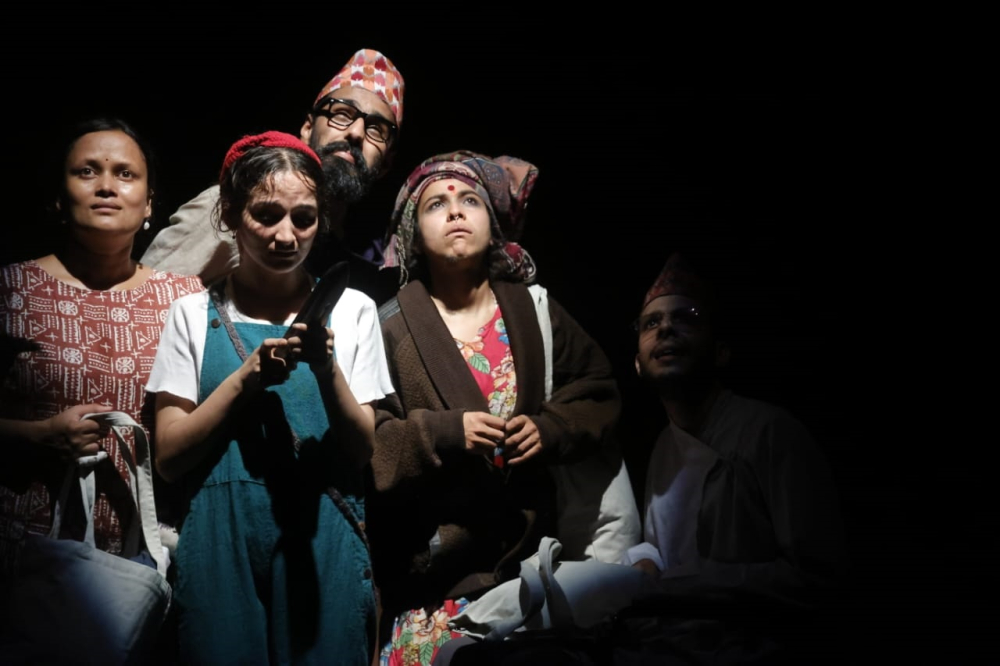 However, if there is a policy that the clothes produced by our industry should be consumed in the country, such industries would flourish, said Tank. In particular, Tank said that the same 'golden' ticket given by Willy Patra was translated as 'the key of the age' in Nepali translation. "We don't need a golden ticket. Looking at the environment of our country, what we need is industry. As the key to opening that industry, we have named the play 'The Key of the Age', said Tank.
There are some changes in this play with 13 actors. A male character from a real story has been transformed into a female character in 'The Key of the Age'. For example, Willy Wanka's character is a male character in the original play, but in 'Yuga Ko Sucha', Moon Miss (Akanksha Karki) is a successful businessman in the textile industry. Tank has added his own experience and perspective to this kind of transformation of the character.
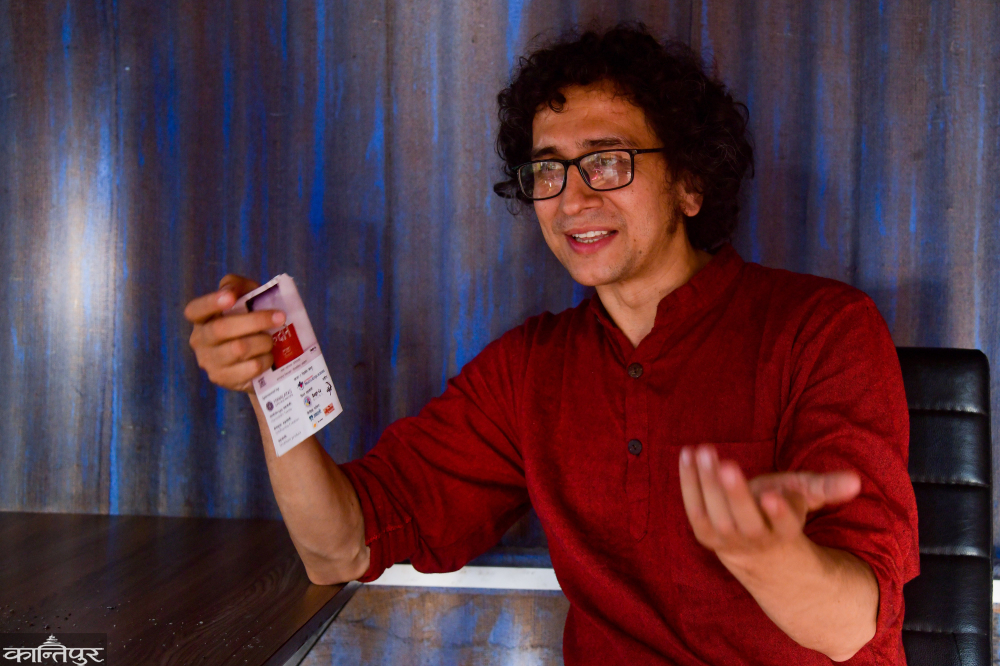 Most of the schools where he has taught theater since the age of 15/16 are successful, with female principals. Even looking at the society, he saw the strong presence of women. Tank said that he created the character of Willy with the idea that industries run by women are also successful.
Charlie, the main character of the story, has also been made a woman in 'The Key of the Age'. Tank himself prefers to bring women's stories into the play. She gives a proper place to marginalized women in her stories. His recent plays 'Madhavi', 'Yayati' and 'Yogamaya' also have strong portrayal of women.
I especially like to bring behind-the-scenes stories. Therefore, the male character has been made a woman in this play as planned from a feminist point of view,” Tank said. In the original story, the factory is found by a small child, while in the key of the era, it is shown that the youth finds it. Why does Moon, a successful businessman, want to give the key of the era to the youth? She wants to bring back those who went abroad to study. She wants to attract those who have gone abroad after completing 12.
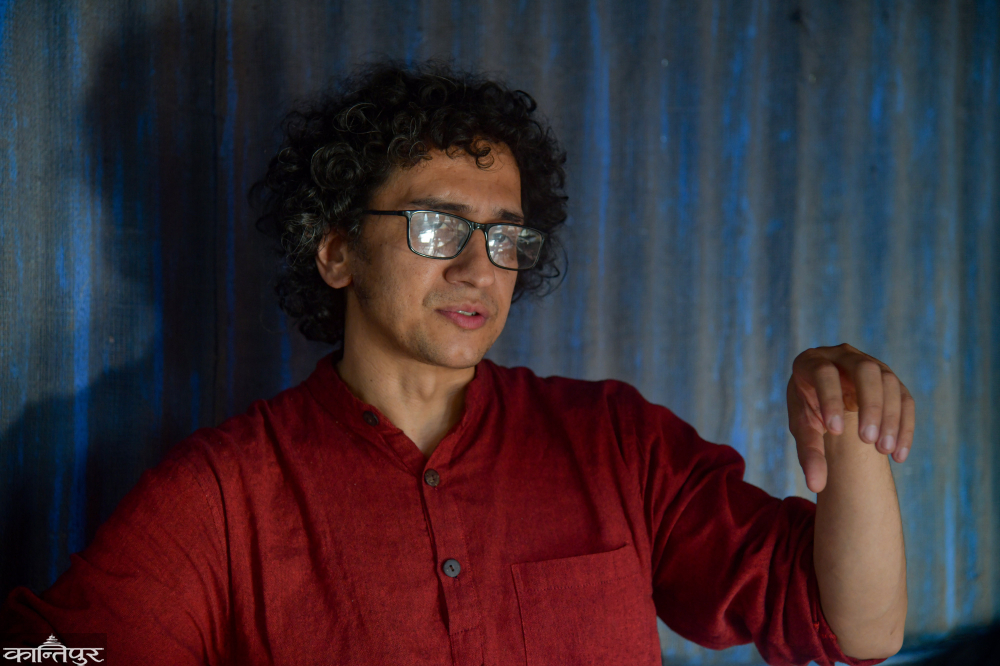 When Tank did 'Charlie and the Chocolate' with 250 actors at Chelsea College, he was troubled by the issue of young people going abroad. There is no big industry like Willi Wanka in Nepal. Considering that kind of industry, he thought of directing drama and started transforming it from 2018. Around the year 2022, the play took him to Germany. The incident of businessman Prem Prasad Acharya's self-immolation after returning from Germany made Tank think that he should make a play on this subject. Tunk, who is preparing to start a debate on the need to reopen the industry in the country through
drama, says that the government still lacks policy clarity regarding the industry. "Government should emphasize the policy of reducing imports and increasing exports," he said. If we were to continue the industry for 10/15 years like this, our youth would stay in the country.'' While teaching theater among school students, many have interpreted the 'Key of the Age' as a children's play.
This is Tank's fourth directorial play, including 'Yugko Sacha', which he is staging in theatres. Tank, who has directed 20/25 plays in Barseni School, has recently become interested in making plays targeting professional audiences. Why did he want to make a play targeting a professional audience while teaching theater in school?
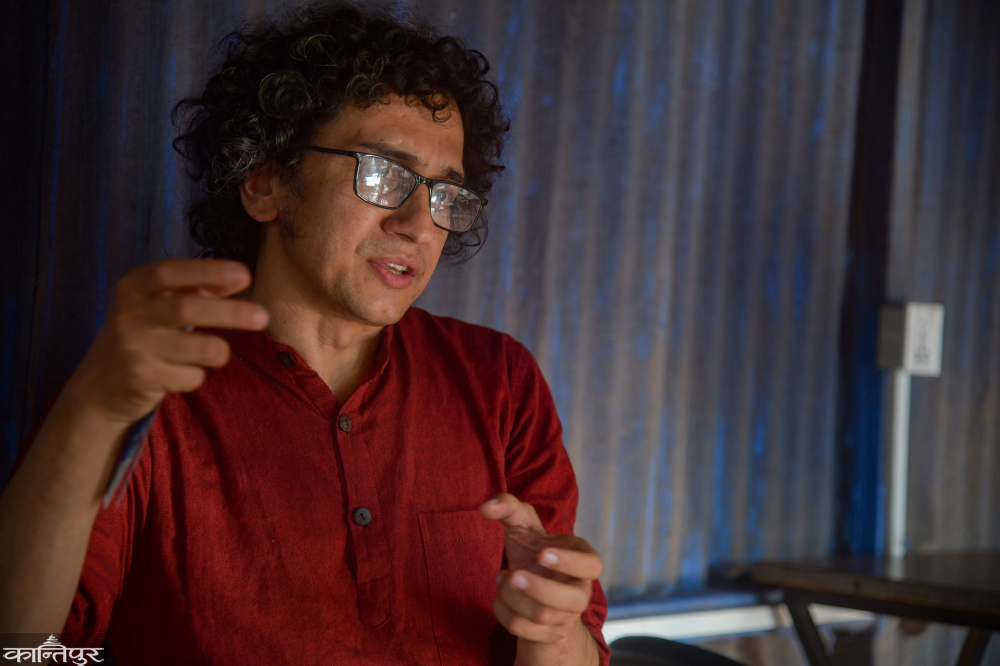 I am coming to the theater to say I am also doing a play. They say that only in school, it is to teach the child, it will not go away. Perhaps it is this ego that drives me to the theater. This is especially our situation," says Tank, "there is no loss in school plays. We are going to Europe with a school play. But there is a loss when doing theater targeted plays. However, I think we should play a play in the theater once a year.'
Tank started teaching theater at Valley View School in Baneshwar. Around 1998, Tank saw a 'poster' in the Baneshwar campus saying 'free acting'. The same 'poster' led to Birendra Hamal. Learned acting with Hamal by spending 300 rupees. Get a job or go abroad?
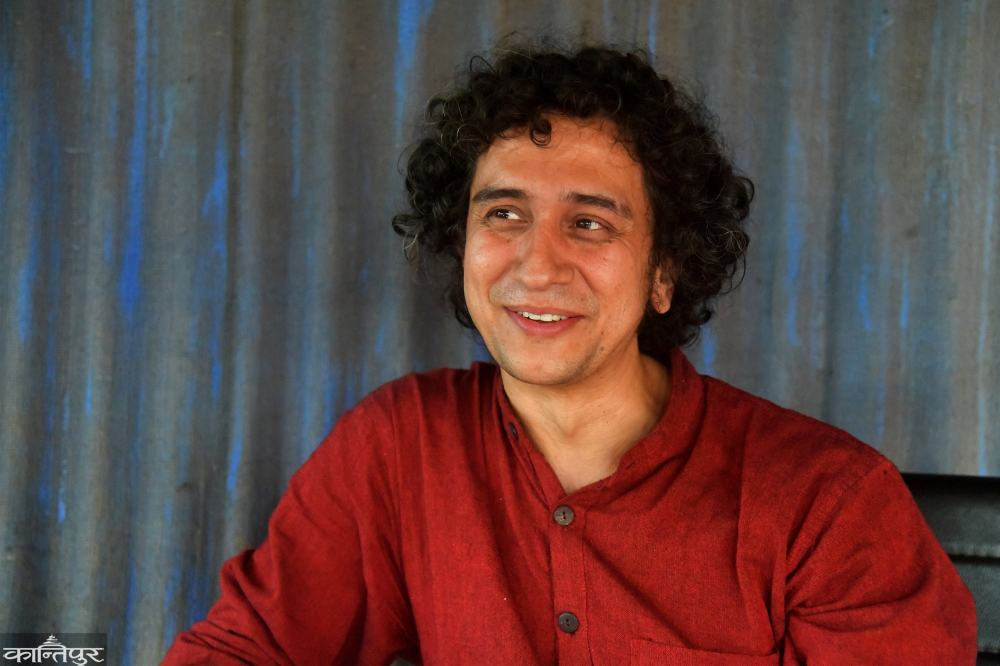 Tank came to the school with the 'concept' of the play and the school embraced theater studies. Drama is now taught in most schools. Under CCA (Co-Curricular Activities), the school has created an environment for teaching drama. In this sense, Tank has been busy raising drama lovers, drama artists and drama students for almost 15 years.