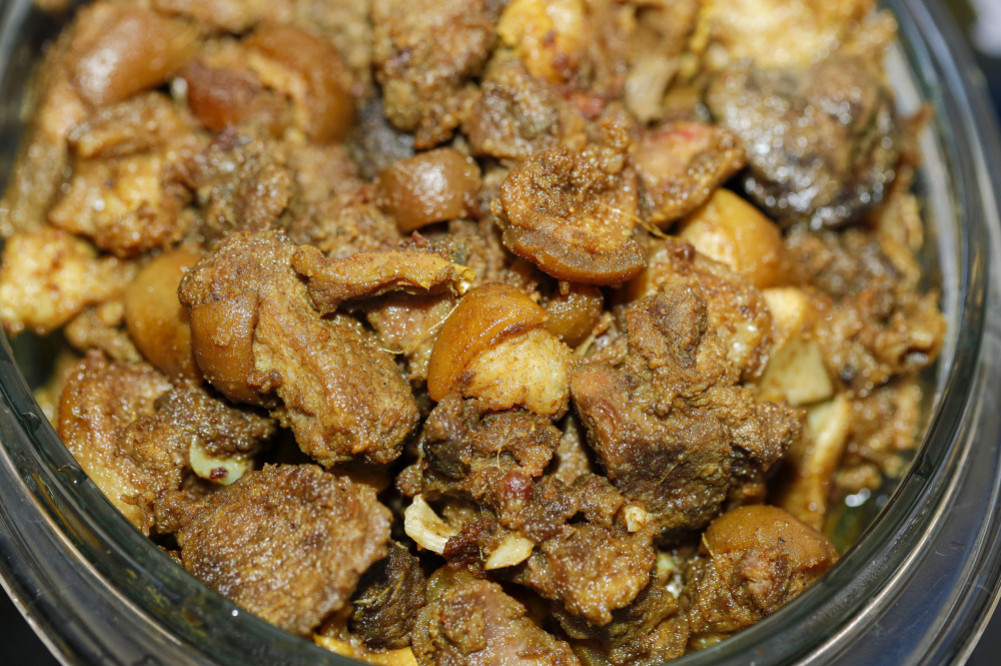
In addition to protein, other vitamins and minerals, as well as vitamin B12 and iron, zinc are found in larger quantities.
We use Google Cloud Translation Services. Google requires we provide the following disclaimer relating to use of this service:
This service may contain translations powered by Google. Google disclaims all warranties related to the translations, expressed or implied, including any warranties of accuracy, reliability, and any implied warranties of merchantability, fitness for a particular purpose, and noninfringement.
The history of meat is different in the world. Since ancient times, people have been using meat as their main food source.
Hunting for meat was the main way of life in early human civilization. Meat had an important place in ancient times. Meat was used in a variety of food and religious rituals. In the Greek and Roman civilizations, meat was the main dish at special occasion feasts . In the Middle Ages, there were some rules on the consumption of meat due to religion. With the industrial revolution came a great change in meat production, which improved the availability and price of meat .
Nowadays there is diversity in the production and consumption of meat. Technological advances, population growth and health concerns have led to changes in the production and use of meat.
Even in Nepal, meat is an important food item, which has a deep history and cultural significance. Meat has a special role in various cultural festivals and traditions. So that it has made it an integral part of our diet . Meat is part of a healthy diet. It not only provides protein but also other important nutrients.
In addition to protein, other vitamins and minerals, as well as vitamin B12 and iron, zinc are found in higher amounts. These nutrients support muscle repair, blood cell production and overall health. Vitamin B12 is not found naturally in most plant-based foods. It is especially found in meat, fish and dairy products. A plant-based diet may be deficient in this vitamin. So vegetarians need to pay special attention to supplement it .
Meat bones and connective tissue (structures that connect bones to muscles or other bones) contain collagen, which is important for skin, joint and bone health . Collagen strengthens the bones . Contributes to flexibility and strength of joints and skin .
High-quality protein from animal sources is considered . In this sense, there are protein rich proteins from animal sources like meat, fish, eggs, milk.
Red or white meat ?
It depends on individual needs, cooking method and overall dietary balance . The main influence on health is not red or white meat, but overall diet and saturated fat (fat) intake. We should be careful when consuming saturated fat. Because it can increase the risk of heart disease .
Red meat is high in saturated fat, which can raise bad cholesterol levels . White meat is lower in saturated fat but does not provide a significant benefit over red meat in cholesterol levels. When both have the same saturated fat intake . Omega-3 fatty acids are found in fish. Which is good to include for the benefit of our body .
In general, from the point of view of health, it is considered better to use muscle or, as we usually say, fruit meat, than the meat of the internal organs. Because these portions are low in fat, calories and cholesterol. However, while organ meats are rich in nutrients, they are also high in cholesterol and purines . Which promotes gout and uric acid problems . So generally, fish is considered a healthy option . While organ meats can be beneficial when consumed in a balanced manner.
How much should you eat?
We can eat meat every day but the quantity should be proper and balanced . 85 to 115 grams (4-5 pieces) can be eaten a day. We eat more rice and meat but less pulses and vegetables. This is a very unbalanced way of eating. Because of this, cholesterol increases which can lead to obesity . High blood pressure, diabetes and other dangerous diseases can occur.
Food is made up of a combination of different foods . It provides the required amount of protein, carbohydrates, fats, vitamins and minerals . Do not eat too much grain and meat at the same time. Meals should include 4-5 pieces of meat along with vegetables, salad, pulses or legumes because they contain fiber, which helps us digest the food we eat.
Therefore, eating a balanced diet that includes fruits, vegetables, grains and low-fat protein sources is the best way to keep your body healthy. Similarly, it is important to keep in mind the safety and quality of meat while purchasing it. We should only buy meat from reliable and clean places that meet health and quality standards. Meat should be properly stored . Proper temperature should be maintained . It should be fresh, healthy in color and free from any unpleasant smell .
What to eat with meat?
There is iron content in meat . Eating more milk and curd with meat can reduce the absorption of iron in the body . Therefore, foods containing calcium should not be eaten with meat . Even if you eat, you should eat less. Greens and other vegetables should also be eaten with meat. It provides fiber as well as vitamin C. It helps the body in iron absorption . How much to eat is more important than what to eat meat with or not.
- Shrestha is a nutritionist