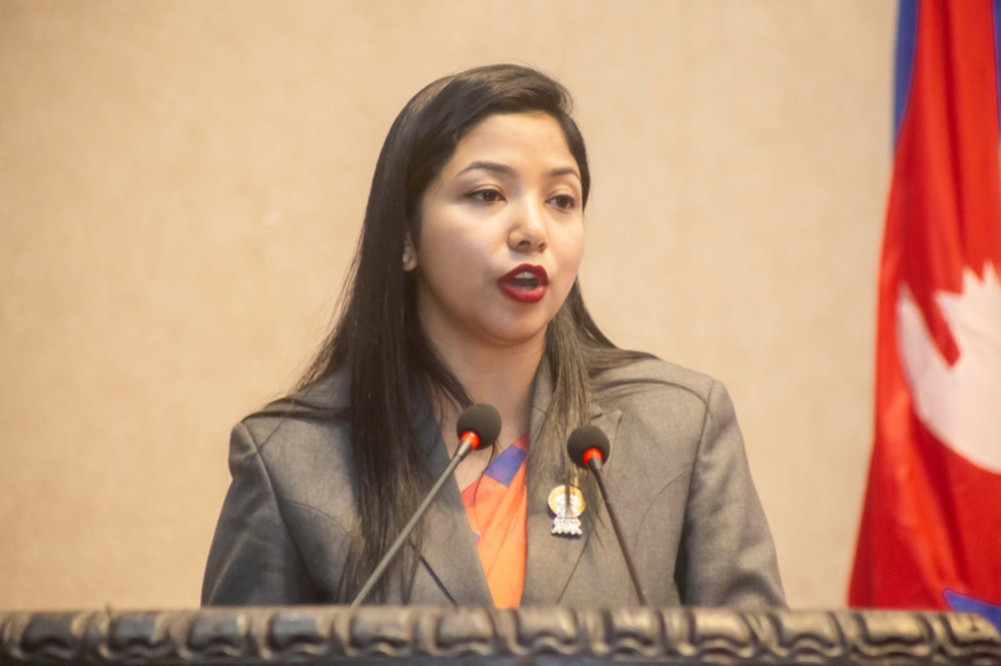
While Kathmandu Metropolitan City places high priority on urban management and infrastructure, Pokhara has emphasized tourism and the environment.
We use Google Cloud Translation Services. Google requires we provide the following disclaimer relating to use of this service:
This service may contain translations powered by Google. Google disclaims all warranties related to the translations, expressed or implied, including any warranties of accuracy, reliability, and any implied warranties of merchantability, fitness for a particular purpose, and noninfringement.
All six metropolitan cities across the country have prioritized infrastructure development, service improvement, education, health, waste management, agriculture and tourism in their budgets for the upcoming fiscal year 2083/84. Most metropolitan cities have increased the size of their budgets, while some have kept the same budget as the current year due to limited resources. In the upcoming year's budget, not only road and building construction but also climate adaptation, information technology and local economic development programs have been given additional priority.
Different sectors have been given priority in the budgets of the metropolitan cities according to the structure of federal grants, internal revenue status and the size of the development plan. While Kathmandu Metropolitan City has given high priority to urban management and infrastructure, Pokhara has emphasized tourism and environment. Bharatpur Metropolitan City has increased investment in agriculture and sports infrastructure, while Biratnagar, Lalitpur and Birgunj Metropolitan Cities have prioritized education, health and social development.
Biratnagar's budget has shrunk
The size of the budget of Biratnagar Metropolitan City for the upcoming fiscal year has shrunk as the grants received from the federal government have decreased. Biratnagar has proposed a budget of Rs 3.56 billion 4.7 million for the coming year. In the current fiscal year, Biratnagar had brought a budget of Rs 4.4 billion. In the budget presented by Metropolitan Deputy Mayor Shilpa Nirala Karki at the 18th session of the Municipal Assembly, it is estimated that the internal income will also decrease next year.
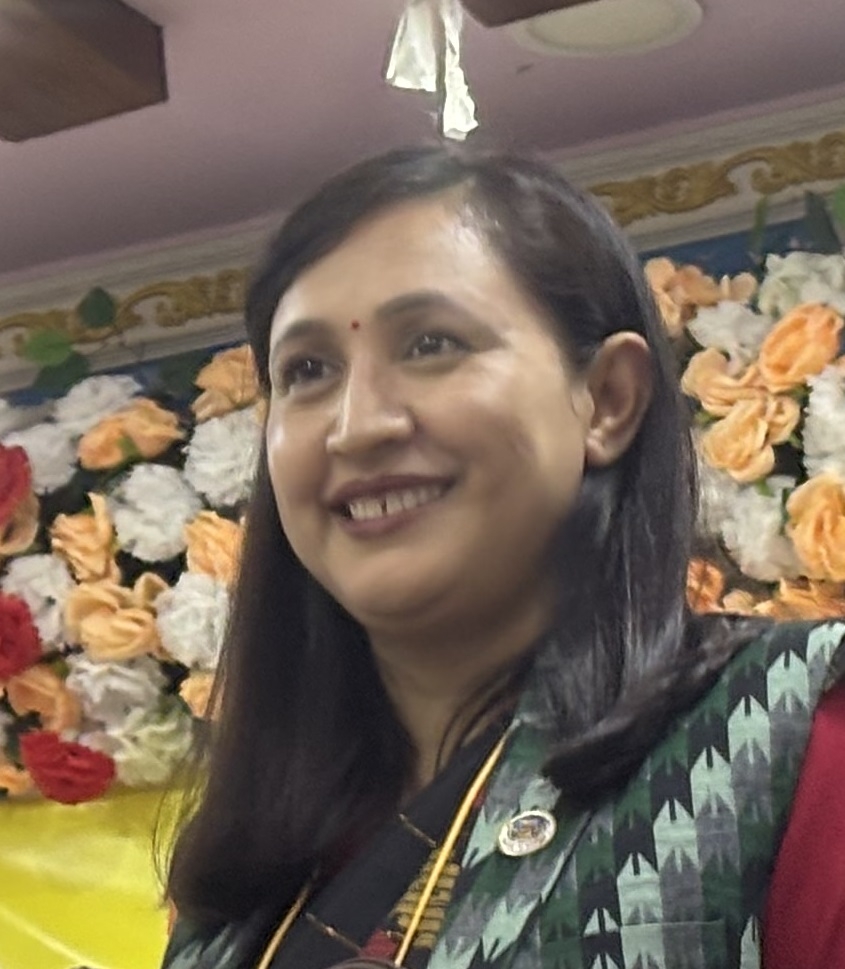
While the internal income is estimated to be Rs 1.4 billion this year, it is projected that only Rs 1.27 billion 2.08 billion will be collected for the coming year. It is estimated that Rs 1.7 billion 2.8 billion will be received from the federal government and Rs 1.4 billion 2.28 billion from the provincial government next year.
The metropolis has allocated Rs 1.6 billion 3.9 billion, giving high priority to infrastructure development. Rs 265 million has been allocated for social development, Rs 32 million for economic development, and Rs 29.3 million for good governance and institutional development. Rs 762 million 2.8 billion has been allocated for office operations and administrative expenses.
Biratnagar has established a Rs 10 million ‘matching fund’ to increase private and community participation in infrastructure development. It has also been mentioned that ‘Paid Internship’ and ‘School to Work Transition’ programs will be launched with the aim of connecting youth with employment, and ‘Generate Your Business Idea’ and ‘Start Your Business’ programs targeting women and youth who want to start new businesses.
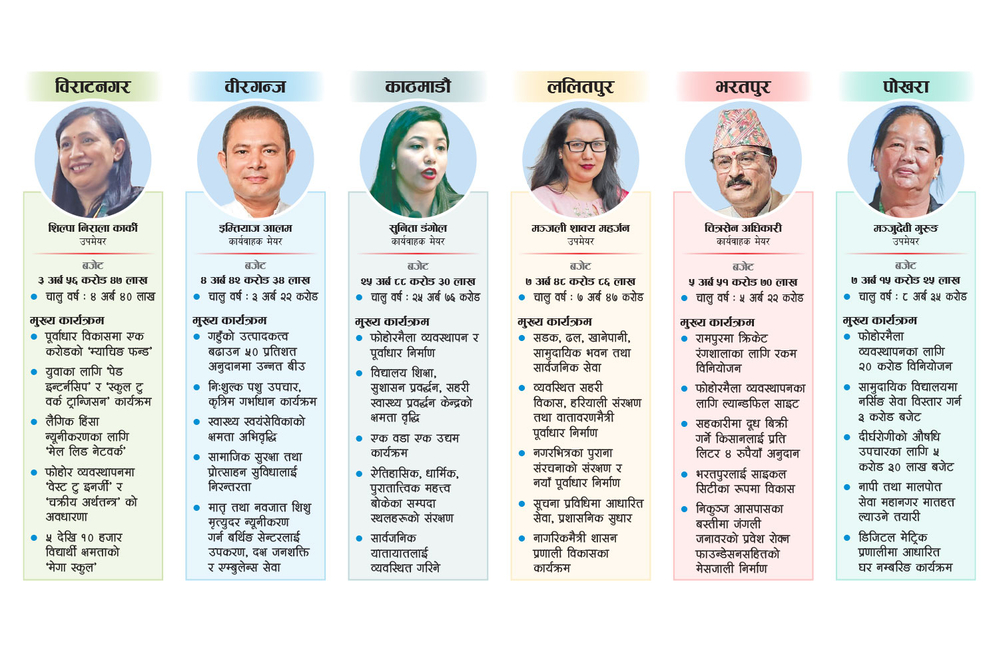
A policy has been taken to form a ‘Male Lead Network’ to reduce gender-based violence, while the concepts of ‘Waste to Energy’ and ‘Circular Economy’ will be implemented in waste management. The metropolis has also continued some of the pride projects that have been operating since the previous year. Biratnagar has also continued the plan to develop three community schools as ‘mega schools’ with a capacity of 5 to 10 thousand students.
Birgunj’s budget increased by Rs 1.25 billion
While Kathmandu Metropolitan City has given high priority to urban management and infrastructure, Pokhara has emphasized tourism and environment. Birgunj Metropolitan City has made public a budget of Rs 4.42 billion for the upcoming fiscal year on Wednesday. This is Rs 1.2 billion more than the current fiscal year. In the current fiscal year, Birgunj had brought a budget of Rs 3.22 billion 4.8 million. The budget presented by Acting Mahagar Chief Imtiaz Alam indicates an increase in expenditure on development and infrastructure compared to last year. Last year, 70.7 percent of the total budget was allocated for current expenditure and only 28.1 percent for capital expenditure. Next year, the share of current expenditure has been reduced to 54.3 percent, while the share of capital expenditure has been increased to 44.6 percent. In the new budget, Rs 2.40 billion 3.4 million has been allocated for current expenditure and Rs 1.96 billion 9.9 million for capital expenditure. The target is to increase the income from real estate registration fee from Rs 250 million to Rs 450 million.
Birgunj has stated that it will adopt a productive agricultural system based on modern technology for agricultural diversification and commercialization. The program of distributing improved seeds to farmers at a 50 percent subsidy has been continued to increase the productivity of the main food crop wheat. The metropolis has also stated that a city-wide campaign will be launched by purchasing medicines, managing spray and fogging machines to control diseases like dengue and malaria.
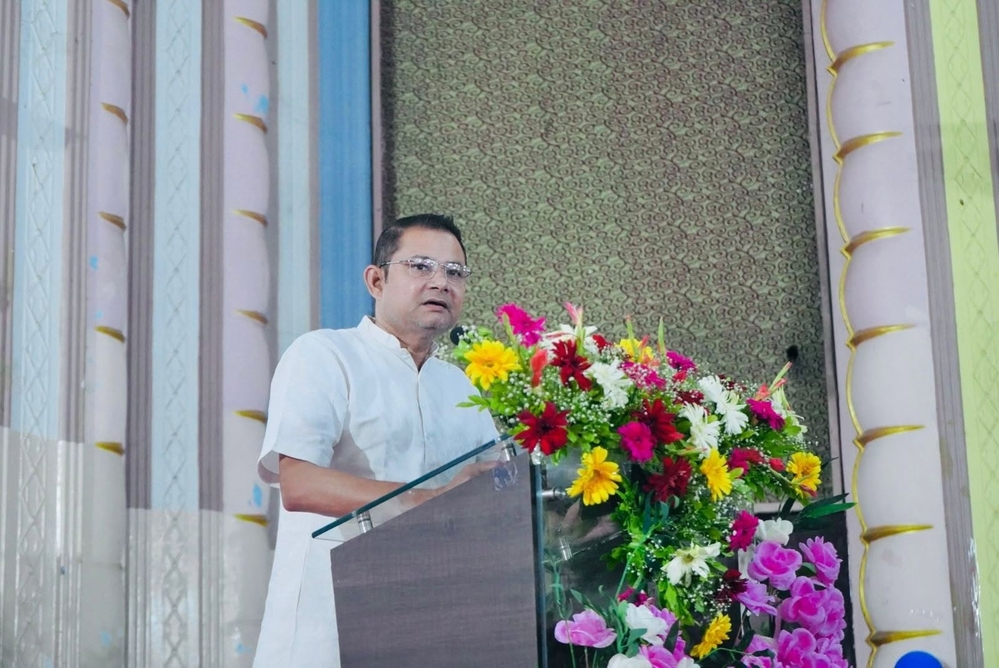
Capacity building of women's community health volunteers, continuation of social security and incentive facilities, birthing centers will be equipped with equipment, skilled manpower and ambulance services to reduce maternal and newborn mortality rates, and community nursing and door-to-door health services will be expanded for pregnant mothers, newborns, senior citizens and people affected by non-communicable diseases. Analyst Manoj Kumar Upadhyay says that although the increase in the size of the budget is positive, the main basis for its success will be the implementation of expenditure, revenue mobilization and quality implementation of the development plan. According to him, the priorities for the current year and the coming year are almost the same and the novelty is limited. ‘This budget presented by Birgunj Metropolitan City is expected to give a new impetus to the expansion of economic activities and infrastructure development,’ he said.
Bharatpur’s budget increased by 290 million
Bharatpur Metropolitan City has proposed a budget of 5 billion 517 million 23 thousand rupees for the upcoming fiscal year 2083/84. 5 billion 220 million was allocated for the current fiscal year. The budget for the upcoming year has increased by 290 million 380 million rupees. Bharatpur has continued most of the old and multi-year plans. Budget has been allocated for the cricket stadium under construction in Rampur this year as well.
Similarly, the program to construct a landfill site for waste management and provide a subsidy of four rupees per liter to farmers who produce milk and sell it through cooperatives has also been continued. As a new program, the plan to promote bicycle culture has been given priority.
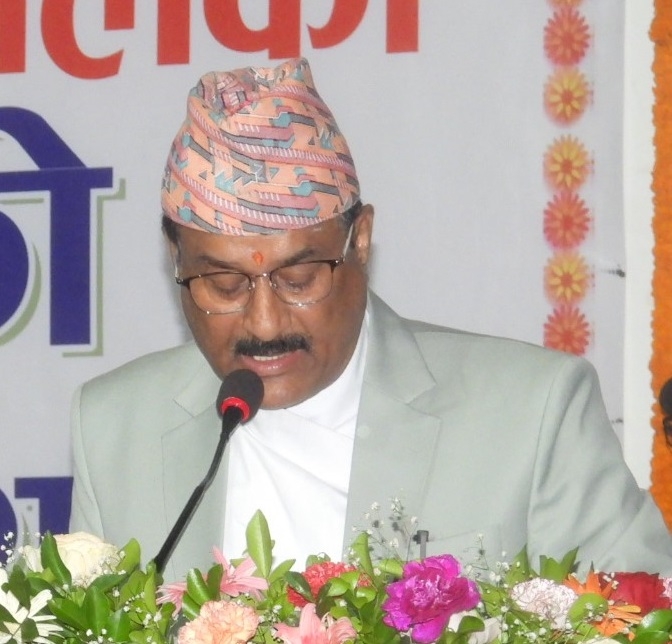
The budget presented by Acting Metropolitan City Mayor Chitrasen Adhikari aims to collect 2 billion 177 million rupees from internal revenue. But the metropolis has been facing challenges in internal revenue collection every year. Although the target was set to raise Rs 1.8 billion towards internal revenue in the current fiscal year, only Rs 1.25 billion 6.7 million has been collected by Jestha, the official said. According to him, only around Rs 1.5 billion is likely to be collected by the end of the fiscal year. The budget, which has assimilated the slogan 'Sustainable Infrastructure, Basis of Prosperity', has also given priority to technology-friendly services and environmental management. The metropolis has set a goal of enacting a bicycle act to institutionalize the bicycle culture and developing Bharatpur as a 'bicycle city'.
Pokhara metropolis relying on old plans
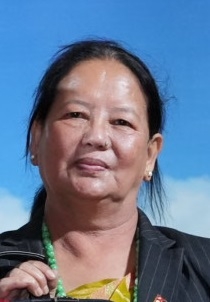 Pokhara Metropolitan City has significantly reduced the size of the budget for the upcoming fiscal year 2083/84. While the budget of Rs 8.35 billion 12 million was brought in the current fiscal year, a budget of Rs 7.15 billion 25 million has been brought for the upcoming year. This is about Rs 1.2 billion 20 million or 14.35 percent less. Despite the reduced size of the budget presented by Pokhara Deputy Mayor Manju Devi Gurung in the municipal assembly, the continuation of old plans, increasing administrative expenses and limited resources have posed challenges to the expected pace of development.
Pokhara has allocated 55.1 percent of the budget, or Rs 3.94 billion, towards current expenditure and 44.9 percent, or Rs 3.21 billion, towards capital expenditure. After achieving only 62 percent of the revenue collection target in the current fiscal year, the metropolis has reduced its internal resource estimate for the coming year to Rs 2.487 billion. The metropolis's income was affected after the federal government stopped the target of collecting Rs 2 billion in revenue from building registration.
Bharatpur has increased investment in agriculture and sports infrastructure, while Biratnagar, Lalitpur and Birgunj have prioritized education, health and social development. Pokhara seems to be becoming more financially dependent on federal grants. It is estimated that 44.54 percent, or Rs 3.186 billion, of the total budget will be received from federal financial transfers. The increase in employee salaries, the reintroduction of local allowances that were cut during Covid, and the provision of dearness allowances even to contract employees have increased administrative expenses. Its impact is seen in the development budget.
The metropolis has continued some of the plans announced in the past but not fully implemented in the coming year. Although Rs 250 million was allocated last year for the construction of the administrative building of the metropolis, Rs 200 million has been allocated again this year after the work could not proceed. The house numbering program based on the digital metric system, the hall revival matching fund and the unfinished road plan have also been included in the budget again. Rs 555 million has been allocated for the continuation of 61 road plans for the current year alone. The budget has been increased in the education and health sectors. However, Pokhara, known as the tourist capital, has significantly reduced its budget under the tourism promotion title. The budget, which was Rs 550 million last year, has been limited to Rs 60 million for the coming year.
Old programs in Kathmandu and Lalitpur
Kathmandu Metropolitan City and Lalitpur Metropolitan City have proposed a slightly increased budget for the upcoming fiscal year. Although Kathmandu has put forward some new plans, the implementation of the old plans is not satisfactory. Lalitpur, on the other hand, has proposed a budget and programs that are aimed at completing the old plans. Lalitpur Metropolitan City Deputy Mayor Manjali Shakya Bajracharya on Wednesday proposed a budget of Rs 7.48 billion 87 million 80 thousand for the upcoming fiscal year 2083/84. The metropolis had allocated Rs 7.47 billion 41 million 47 thousand for the current fiscal year 2082/83.
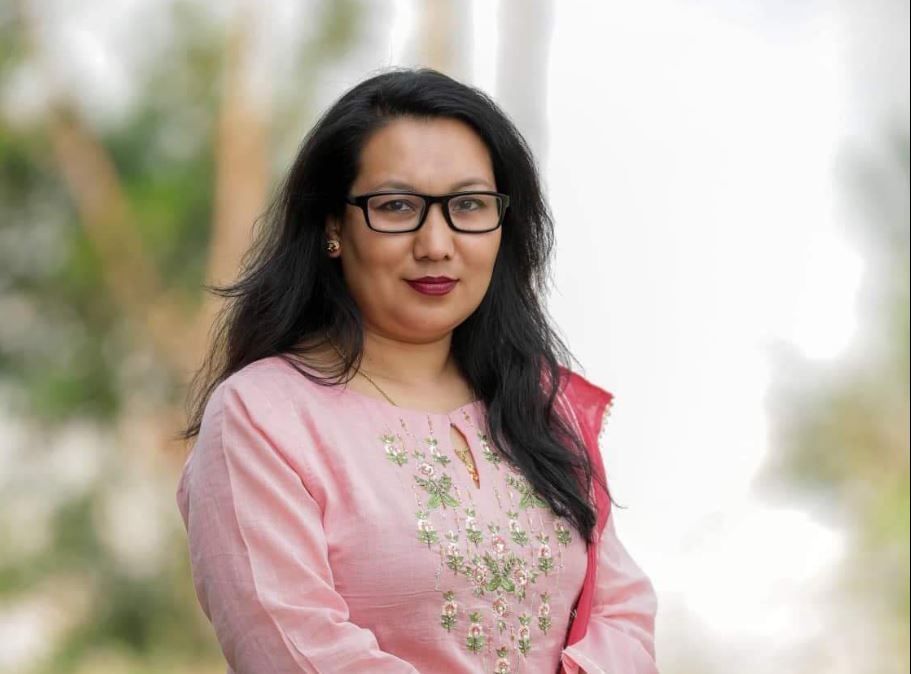
Lalitpur has increased the budget for the upcoming fiscal year by only Rs 14.633 billion compared to the current one. It seems that Lalitpur has increased the budget by only Rs 10 million in the past three years due to failure to improve revenue growth. Lalitpur has proposed a current expenditure of Rs 3.25 billion 18 million. The current expenditure for the current fiscal year was set at Rs 2.96 billion 64 million 18 thousand. It is proposed to allocate Rs 4.23 billion 9.627 billion for capital expenditure.
Lalitpur has estimated that it will earn Rs 3.35 billion 50 million from internal sources, excluding grants received from the union and provinces. It is proposed to cover the shortfall of Rs 1.47 billion from cash balance. Internal sources are projected to decrease next year. It was estimated that Rs 3.71 billion 4.691 billion would be received from internal sources in the current fiscal year. It is estimated that about Rs 360 million less will be collected under the heading of internal sources next year compared to the current year.
Lalitpur has prioritized ward-level development. A significant budget has been allocated for programs related to roads, sewage, drinking water, community buildings and public services. A policy of selecting projects according to local needs has been adopted. As the pressure of urbanization is increasing, systematic urban development, greenery conservation and environment-friendly infrastructure construction have also been prioritized. There is a policy to simultaneously protect old structures within the city and build new infrastructure. The metropolis has also given importance to improving service delivery.
Kathmandu Metropolitan City has proposed a budget of 25 billion 883 million 55 thousand. The proposed budget presented by Acting Mayor Sunita Dangol on Wednesday has been increased by 120 million compared to the current fiscal year. 25 billion 764.3 million was allocated for the current fiscal year. Acting Mayor Dangol has proposed a budget of 25 billion 133 million 55 thousand rupees for expenditure in the consolidated fund and 750 million rupees for external expenditure.
The proposal estimates that 20 billion 186.3 million 29 thousand rupees will be sourced from internal income and cash balance. Similarly, 4 billion 936.7 million 26 thousand rupees are expected to be received from the federal government and the provincial government under various headings. The proposal mentions giving priority to infrastructure, waste management, school education, promotion of good governance, capacity building of urban health promotion centers, and the One Ward One Enterprise program in the coming fiscal year.
The policy and budget have allocated budget for programs such as reducing pollution, organizing public transport, and protecting heritage sites of historical, religious, and archaeological importance within the metropolitan area. It has been proposed to waive fines and give a 10 percent discount to those who pay their arrears of tax by Asoj.
27 municipalities did not bring budgets
5 municipalities in Koshi, 11 in Madhesh, 2 in Bagmati, 1 in Gandaki, 4 in Lumbini, 1 in Karnali, and 3 in Sudurpaschim could not make their budgets public by Asad 10.
27 local levels have not been able to bring their budgets by the deadline to make the budgets of the upcoming fiscal year public by Asad 10. Out of 753 local levels, 10 municipalities, including two in Umhanagar, and 15 rural municipalities have not been able to submit their budgets for the upcoming fiscal year to the village/municipal assembly. According to the Ministry of Land Management, Cooperatives, Federal Affairs and General Administration, 726 local levels have made their budgets public for the upcoming fiscal year by Asad 10. According to the ministry, 5 local levels in Koshi Province, 11 in Madhesh, 2 in Bagmati, 1 in Gandaki, 4 in Lumbini, 1 in Karnali and 3 in Sudurpaschim could not make their budgets public by Ashad 10.
Ministry spokesperson Ekdev Adhikari said that the municipalities were unable to bring their budgets due to the conflict between the mayor and the chief administrative officer, mismatch in policy and program and budget allocation among the people's representatives, and the 'interference' of the federal ministry in budget expenditure. He said, 'The budget could not be brought on time due to disputes over budget allocation among the people's representatives and the ministry's intervention in facilitating the municipalities that spend the financial transfer amount as they please.'
Similarly, Rajendra Pyakurel, Chief Executive Officer (CEO) of the National Federation of Rural Municipalities, mentioned in a statement issued on Wednesday that the budget could not be presented on time due to lack of preparation for budget preparation, illness of the chairperson and family members, and failure to reach an agreement on budget preparation.
Dharan and Janakpurdham are among the sub-metropolitan cities that have not presented their budgets by 10 Ashar. Similarly, Sukhipur, Jaleshwor, Hariban, Garuda, Katahariya, Fatuwabijaypur, Melamchi, Baglung, Tikapur and Bideh municipalities have also not been able to present their budgets. Aathrai, Jahada, Chhatharjorpati, Pipara, Kamala, Dhobini, Chhipaharamai, Raksirang, Kotahimai, Shuddhodhan, Mayadevi, Kalimati, Mudkechula, Jayagarh and Joshipur rural municipalities have not been able to make their budgets public. The Local Government Operation Act and the Intergovernmental Finance Management Act have made provisions for all local levels to submit their budgets to the village and municipal assemblies by 10 Ashar for the upcoming fiscal year.