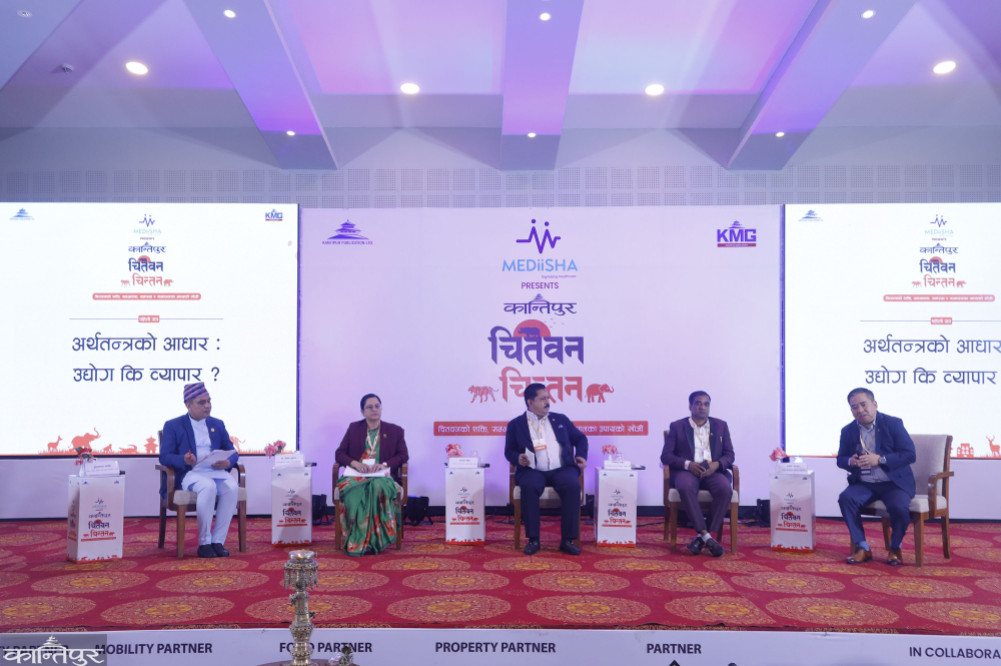
Since industry and business sector cannot be separated from each other, experts emphasize that the state should first bring a special program to strengthen the base of the industrial sector.
We use Google Cloud Translation Services. Google requires we provide the following disclaimer relating to use of this service:
This service may contain translations powered by Google. Google disclaims all warranties related to the translations, expressed or implied, including any warranties of accuracy, reliability, and any implied warranties of merchantability, fitness for a particular purpose, and noninfringement.
In order to strengthen Nepal's economy, experts have emphasized that the business sector should also be expanded by strengthening the base of the industry sector. They say that since industry and business sector cannot be separated from each other, first of all the base of the industrial sector should be strengthened and for this the state should bring a special program.
Kundanraj Kafle, Minister of Economic Affairs and Planning of Wagmati Province, said that there was a problem in collecting taxes in the state when the federal government did not enact laws on the first session of 'Chitwan Chintan' organized by Kantipur Media Group in Chitwan. He said that tax was allowed only in agriculture. "The right to collect taxes has been given in the agricultural sector," he said, "what taxes should be collected in agriculture now?" The people are the ones who have been killed, so there is no situation to go to the houses of the farmers and collect taxes.'
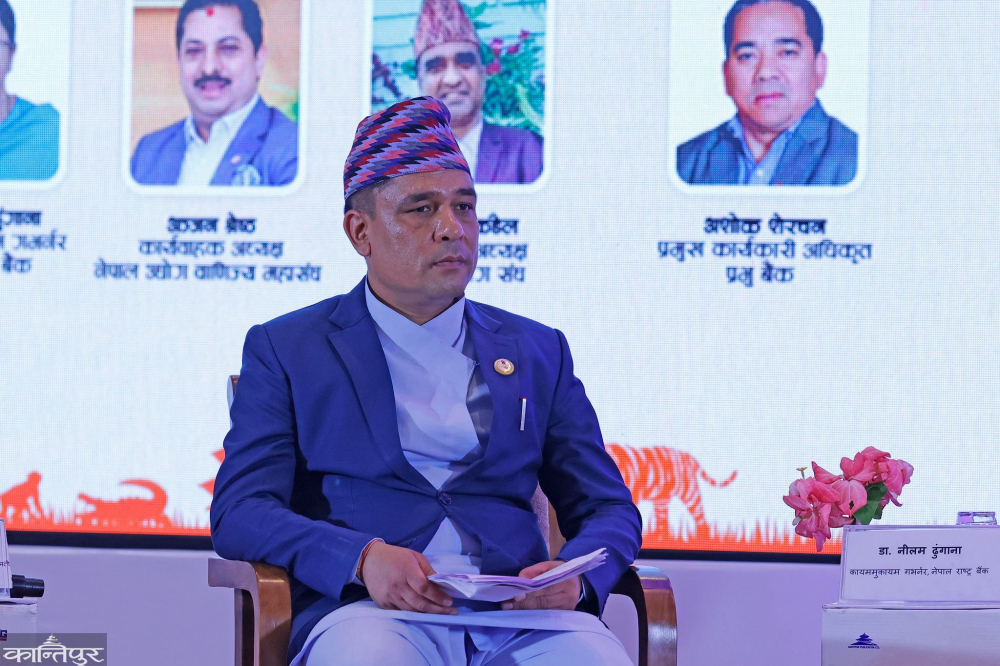 Kafle said that although there are some difficulties now, there is a lot of potential in this area in the future. He claims that Wagmati is ahead in capital expenditure compared to other provinces. "This province has spent 72 percent of capital expenditure in the last financial year," he said, "We have monitored the expenditure on the state's pride projects, so that the development expenditure is good." Neelam Dhungana, Permanent Governor of Nepal Rastra Bank said that priority should be given to their production. He emphasized that production, industry and trade should be promoted together. He said that for the development and expansion of the economy as a whole, the government should improve all sectors of the economy, including production, industry, and trade. She also stated that Nepal Rastra Bank, as the government's economic advisor, has been giving various suggestions to the government through 'Pre-Budget'.
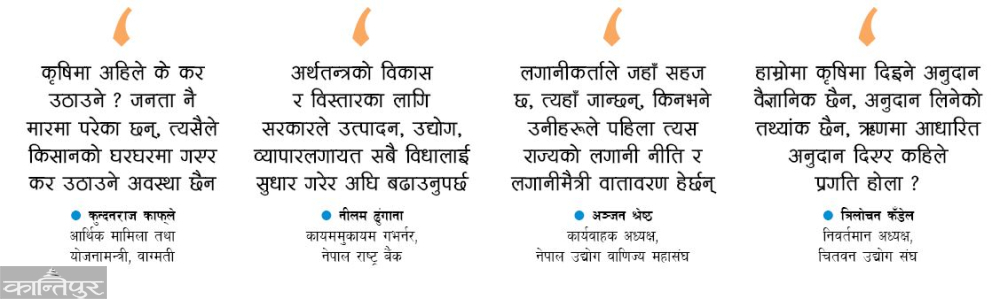 'For pre-budget suggestions, the National Bank has been collecting suggestions in every province and submitting them to the government,' Dhungana said, 'many of them have been implemented.' He said that the state should create an investment-friendly environment. She said that the state should do more to encourage domestic investors to invest more and encourage foreign investors to invest in Nepal. She said that the National Bank is ready to provide all kinds of assistance in this process.
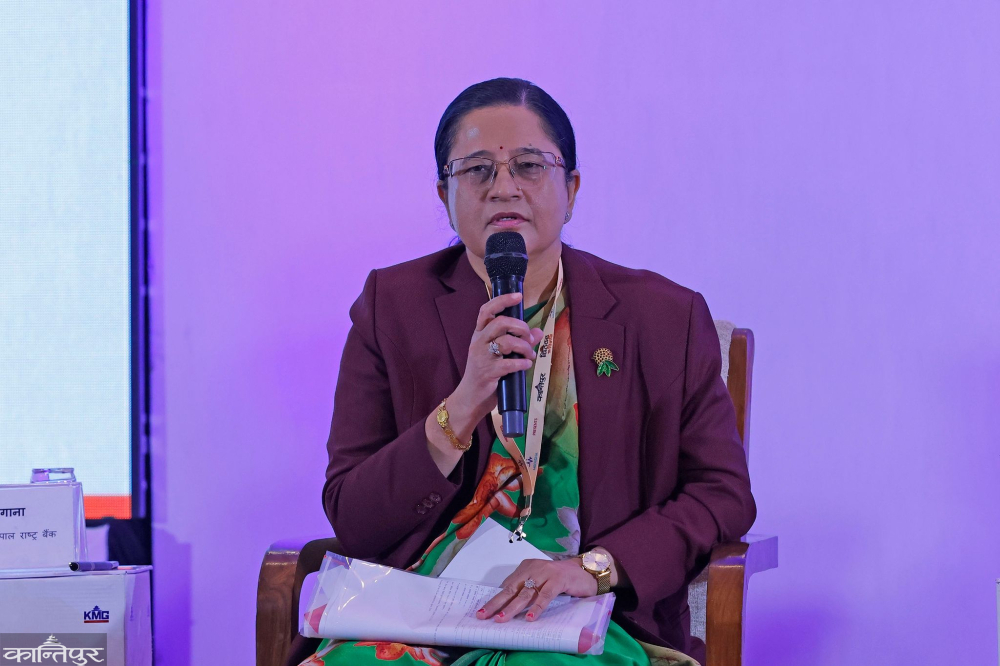 Anjan Shrestha, Acting President of the Federation of Nepalese Industries and Commerce, stressed that the policy and commitment of the state should be clear to bring in foreign direct investment (FDI) in Nepal. Talking about FDI, investment goes where it is convenient. The state should consider this matter," he said, "because investors should look at the state's investment policy and investment-friendly environment. Therefore, foreign investment wants to invest in the country which is easy.
Shrestha said that it is not easy to bring in investment in Nepal because Nepal's policies are not clear and the leadership keeps changing. He said that although the government has tried to bring in investments recently, the results have been zero. Shrestha said that instead of increasing domestic production, the government has taken internal loans to avoid the crisis. "Last time, the state tried to avoid the drought by taking internal debt rather than domestic production," he said, "The government has set an economic growth target of 6 percent. But the government is not ready. He said that every year the current expenditure of the government is increasing and the capital expenditure is decreasing, which is causing problems.
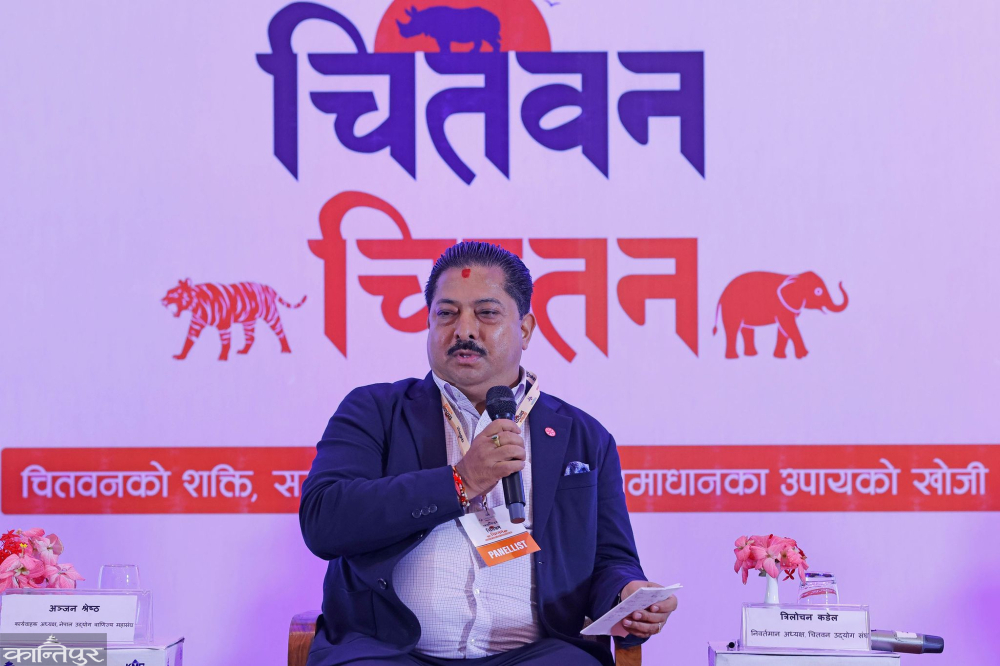 'Our commitments are not clear. When the investment conference was held, we closely discussed with the secretaries of the government which laws should be amended,' he says, 'We recommended that two/four things were cut, when the government makes a commitment with the private sector, what will happen if the agreement is broken? The state's commitment to bring investment should be clear.
Trilochan Kandel, outgoing president of Chitwan Udyog Sangh, said that economic prosperity is not possible until agriculture is industrialized. He said that agriculture cannot be industrialized because the agricultural policy of the state is not practical. He said that the agricultural policy of the state is not practical and a technology-friendly policy is needed. He said that even the subsidies given in agriculture are not scientific. "Our agriculture subsidies are not scientific, there is no data on subsidy takers," he said. When will the government arrange subsidies based on production?'
Kandel also told that if he takes his product across the border and sells it in India, 100 percent subsidy will be given on the rent. He also stated that the state does not have the resources and management for official marketing. He said that even though the government gives loans as subsidies to agriculture, they only get them if they have access to them. "Only those who have access get subsidies, those who don't have access, they don't get it," he said. And where does the production grow from?'
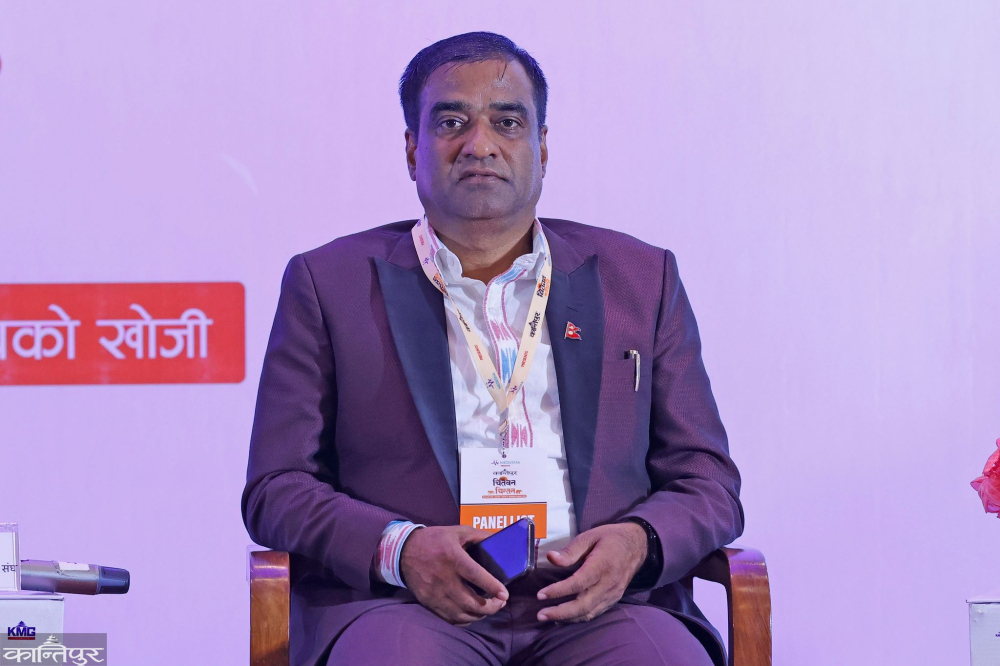 Kandel says that Chitwan is self-sufficient in eggs, meat, chicks and grains. He claims that the poultry farm itself has replaced 50 percent of chemical fertilizers. "If there was no poultry, 50 percent of the agricultural production would have been affected by chemical fertilizers," he said, "due to the release of manure from poultry farms, chemical fertilizers have not been affected." He complains that even if the government wants to increase production, it has not been addressed politically.