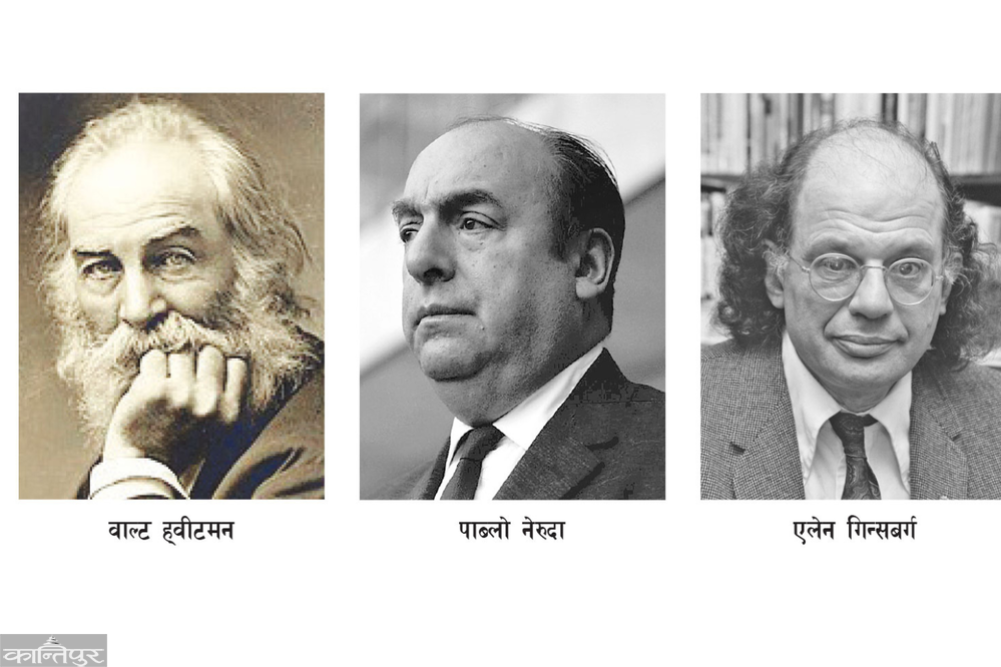
There are many poets who have influenced the world of poetry. They are great poets of modern humanism, progressive consciousness, and a struggling tradition.
We use Google Cloud Translation Services. Google requires we provide the following disclaimer relating to use of this service:
This service may contain translations powered by Google. Google disclaims all warranties related to the translations, expressed or implied, including any warranties of accuracy, reliability, and any implied warranties of merchantability, fitness for a particular purpose, and noninfringement.
My eyes are chasing the base of the sturdy ship
The ship is brave and serious
But oh heart! Heart! Heart!
Oh red red drops of blood
On the ship my captain lies
Dead and cold .
– (Walt Whitman, Part of ‘O Captain! My Captain!’ Translated by Taranath Sharma)
The British poet Percy Selye is a poet even ahead of Whitman . Born on August 4, 1792, this poet lived for only 30 years . However, the creativity of his poetry seems to have been refined and liberated by centuries of practice. This poem written by the world-famous American poet Walt Whitman on the assassination of President Abraham Lincoln shakes the heart of the reader . He himself feels involved in the mourning of Lincoln’s death . No one recognized the poetics of the great poet Whitman, who shook the world and spread modern consciousness like this, while he was alive .
Today, Whitman is an ideal name remembered by poets of modern humanist and transformative consciousness around the world. His first collection of poems, ‘Leaves of Grass’ (1855), is today considered the world’s greatest and most invaluable work of poetry. At the time of publication, American critics even condemned it. The first edition was printed at the poet’s own expense, which contained 12 poems. Poems were added in later editions. Traditional critics called it lacking in rhyme, rhythm, or style. It was even called obscene because of its loose colloquial language. According to Taranath Sharma's book 'Some of the Great Writers of the West', the elite critics either ignored it or commented that 'a scoundrel named Whitman, who does not know art like a pig does not know mathematics, should be flogged to the skin.'
Whitman was born on May 31, 1819 in New York, USA, and died on March 26, 1892 in New Jersey. Critics did not appreciate his poetry for 30 years after his death. Gradually, his accessible language of the vernacular and his ability to express himself sharply began to be appreciated. Today, Americans consider him the greatest poet who speaks the voice of his heart. His poems have been translated into almost all languages of the world. The vernacular language, original rhythm, alliteration, beauty and balance of repetition of his poems with high consciousness have become the basic trend of poetry around the world today.
Creative influence
Every creator has had the creative influence of an ideal elder than him. That is not considered bad. In fact, it is a follower of that trend, not imitation or pleasure. In this sense, Nepal's Gopal Prasad Rimal is a great poet who has taken the creative influence of the Whitman trend. This influence is also found in the later Bhupi Sherchan, Basu Shashi, Min Bahadur Bista, Bimal Nibha, Shyamal, Hari Adhikari, Govinda Vartaman, Purnapiram and the influential poets of the later generation.
A poet even earlier than Whit is the British poet Percy Selly. Born on August 4, 1792, this poet lived for only 30 years. However, the creativity of his poetry seems to have been refined and liberated by centuries of practice. According to Taranath Sharma, Shelley is a wonderful creative poet who can immerse life in the juice of love, build society on the basis of brotherhood, replace tyranny with the hope of tomorrow, and instill independence in the hearts of the reader. As much as his poems are free in love, they are equally full of transformative consciousness. In the poem titled ‘A Song: Men of England’, he writes –
You who sow seeds, you who reap the crops, another
You who earn, another
You who hoard money, another
You who weave coats, another
You who make weapons to wear, another
You who wear them, another
Scatter seeds, do not let the oppressors reap the crops,
Earn, do not let the cheaters wither,
Weave coats, do not let the lazy wear them,
Make weapons, stand for your own defense.
Nepali progressive poet Gokul Joshi or Kewalpure Kisan did a lot to awaken the people with poems of similar language. At the same time, Selye inspired the British workers of the peasant era to fight against injustice by writing fiery poems. In another poem, ‘Ode to West Wind’, he gives a magnificent poetic expression of change by saying, ‘When winter comes, spring is not far away’.
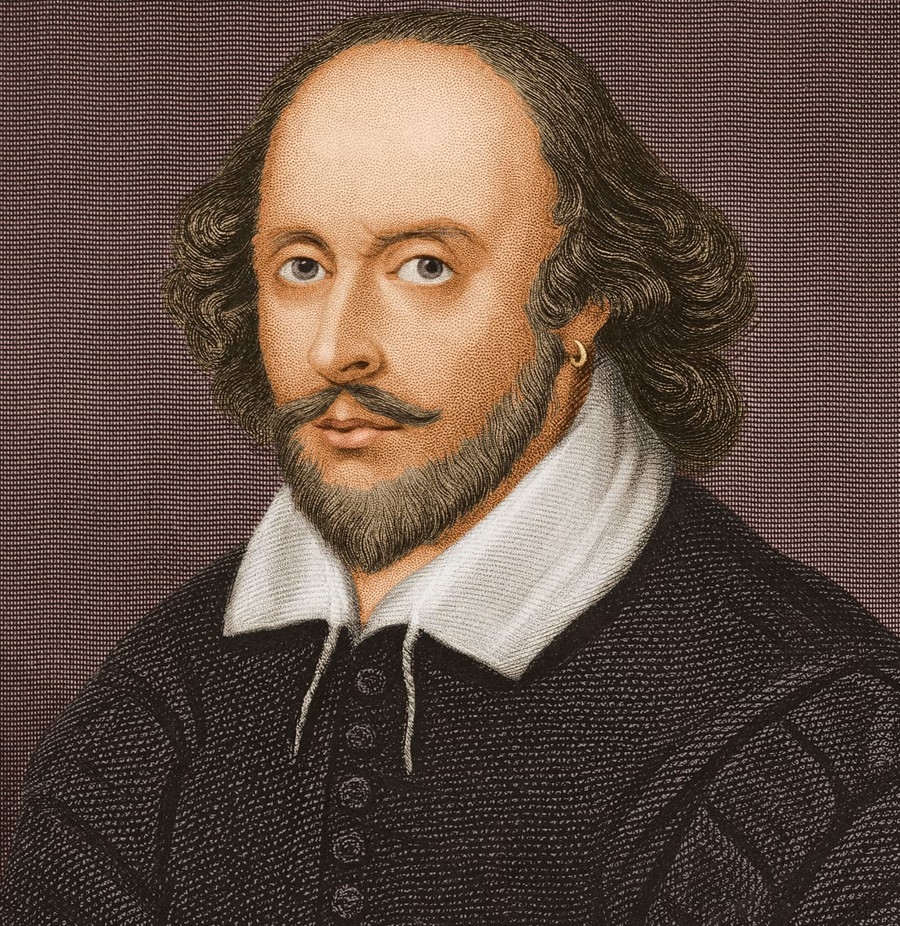
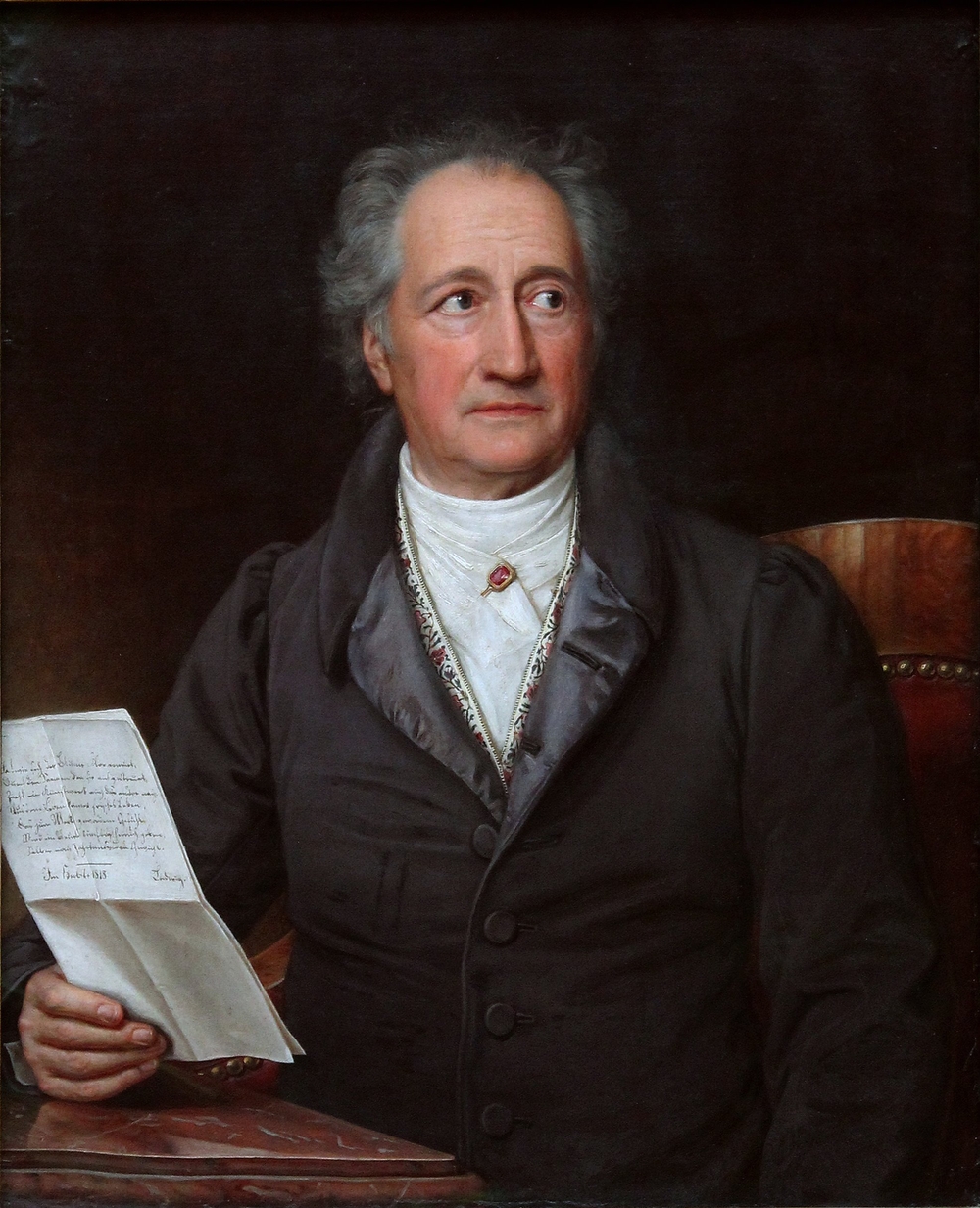
William Shakespeare’s fourteen-line sonnets contain deep poetic expressions of the relationship between men and women and heart-wrenching poetry. Not only his plays, but the influence of sonnets, which have alliteration between odd lines, is also found in many poets of the world. Like Ved Vyas and Valmiki in the East, Dante, Homer, and Goethe in the West are great epic poets.
Self-realization in poetry
Indian saint poet Kabir is a poet of the early 15th century. Every line of his is memorable like a formula. He is probably the most quoted poet in Eastern literature. His couplets on humanity, progress, change, compassion and self-realization are deeply rooted in the heart. They are anti-conservative and true –
Keep the slanderer near, the courtyard is covered with a hut.
Without water, without soap, keep it clean.
(Keep the slanderer near the hut and around the courtyard.
Without water, without soap, keep it clean from time to time.)
Every line of the ghazals of Urdu poet Mirza Ghalib is a formula for the progress and self-realization of our lives. There is a legend about him. Once Ghalib went to a feast of a king. The gatekeeper did not let him enter, dressed in the clothes of a commoner. ‘I am the great poet Mirza Ghalib,’ he said, ‘Even with such wrinkles, I am a great poet.’ He went home and came dressed in elegant clothes. The gatekeepers greeted him and took him to the Maharaj. Then, in front of the Maharaj, he started pouring the delicious food on his clothes. The Maharaj asked in surprise. He said, ‘Maharaj, not me, but this dress of mine has been invited to this feast.’ So, not me, only this dress has the right to eat this feast.’ Saying this, he poured all the food on the dress. There is a similar refutation of double standards in all his ghazals. In a famous ghazal, Ghalib says –
Dil e naadaan tujhe hua kya hai
Akhira is daad ki daba kya hai
Humko un se hai vafa ki ummid
Jo nahin jaante vafa kya hai
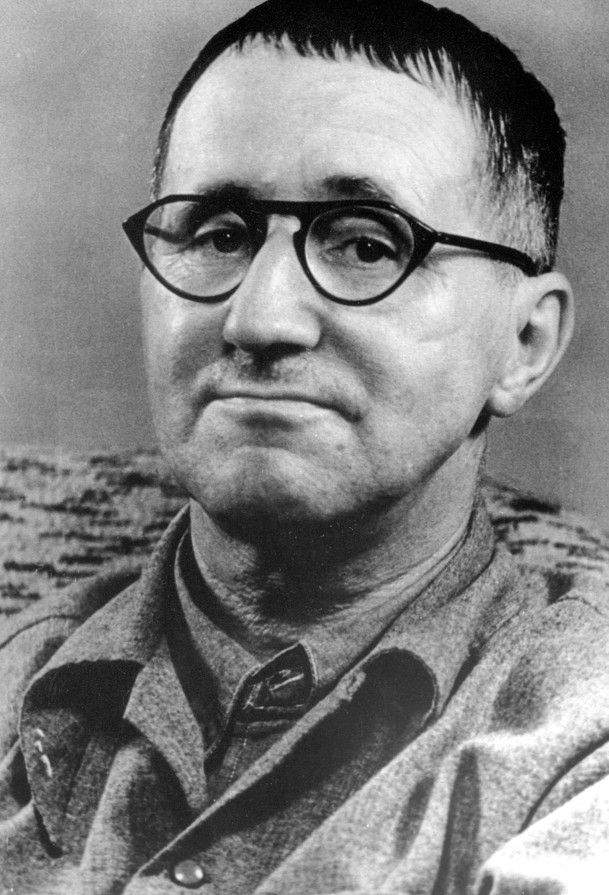
German poet Bertolt Brecht is the ideal poet of revolutionary poets around the world. His poetry is amazing, but his art is equally excellent. This poet, who raised the voice of progressive change, always raised the issue of the beauty of the workers and working class, exposed the hypocrisy of the cheating bourgeoisie. I find the short poem titled ‘Changing the Wheel’ very impressive. The driver is turning the wheel of the car on a journey. The passenger does not like the place he is going to. He does not like where he has come from either. Still, he eagerly watches the driver turn the wheel. In the poem, the desire for change against the status quo is expressed with high art.
A wonderful expression of revolution and love
Pablo Neruda, winner of the 1971 Nobel Prize in Literature, is one of the world's most beloved poets who gives the meaning of revolution in love and revolution in love. In his popular poem 'Your Feet', he says that he loves his beloved's feet the most. Why? Because those feet keep walking on earth, air and water, until he meets her. Because it is those feet that bring the beloved to him.
Langston Hughes and Maya Angelou are two of the world's most influential poets who write about the rights and struggles of oppressed communities. Hughes gives a poignant and morale-boosting expression to the black race. In a short poem titled 'Harlem', she predicts that a dream that has been kept in storage will explode like a bomb. Angelou beautifully raises the suffering of the black race, and especially women. In the poem titled ‘And Still I Rise’, she writes –
Spreading her bitterness and countless lies
Write me in history or not
You trample me and press me into the dirt
But like the dust that flies, I rise .
There are many other poets who have made an impact all over the world . Federico Garcia Lorca, Miguel Hernandez, Nazim Hikmat, Alexander Pushkin, Sergei Yesenin, etc. . All of these are great poets of modern humanist, progressive consciousness and a struggling tradition .
Another notable poet is – Allen Ginsberg of the American Beat Generation . Perhaps the most creative example of free and chaotic expression is found in his poems . Those who have a traditional view of poetic beauty can even call his poems chaotic slogans, obscene insults, and anti-war slogans . But they are anti-war and a great expression in favor of humanity and nature. His most famous poem is ‘Howl,’ in which he expresses his intense anger at the system’s destruction of the talents of great people. In another popular anti-war poem, ‘America,’ he writes –
America, I gave you everything and now I have nothing
America, two dollars and twenty-seven cents, January 17, 1956
I can’t stand my own heart
America, when are we going to end this war?
Damn it, you have sex with your own atomic bomb
I’m not okay, don’t hurt me
I won’t write poetry anymore until my heart is right
America, when will you be as kind as an angel?
When will you take off your clothes?
When will you cry yourself out of the grave?
When will you become worthy of a million Trotskyists?
America, why are your libraries full of tears?
America, when will you send your eggs to India?
I am sick of your crazy demands