We use Google Cloud Translation Services. Google requires we provide the following disclaimer relating to use of this service:
This service may contain translations powered by Google. Google disclaims all warranties related to the translations, expressed or implied, including any warranties of accuracy, reliability, and any implied warranties of merchantability, fitness for a particular purpose, and noninfringement.
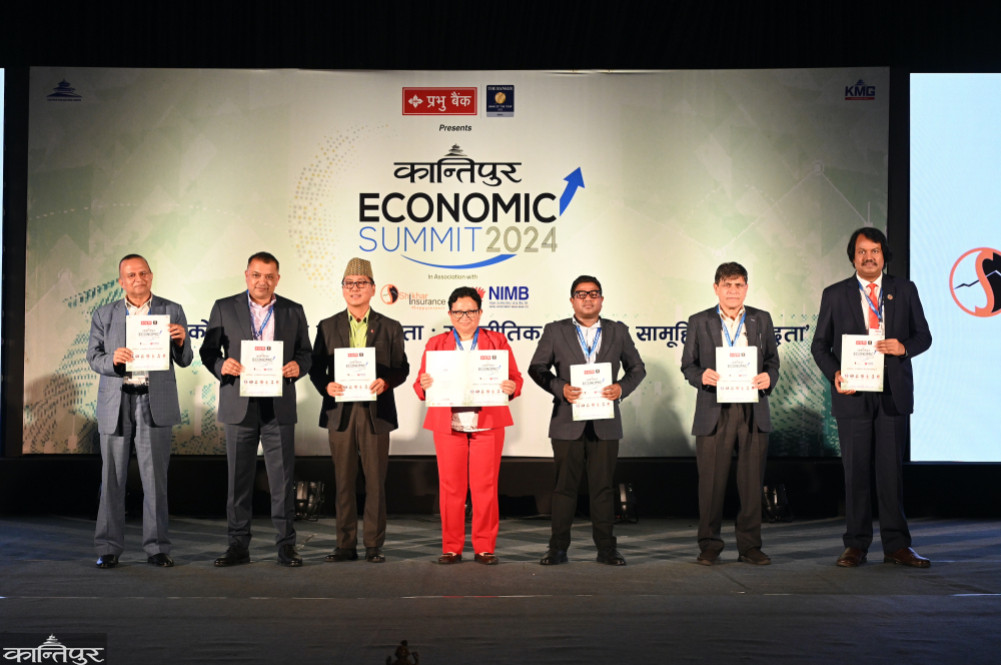
Leaders of seven parties represented in the Federal Parliament have made a collective commitment to improve the state of the economy.
In the 'Kantipur Economic Summit, 2024' organized by Kantipur Media Group on Sunday, the leaders have made a collective commitment to improve the economic situation of the country while presenting their party's economic policies.
When the government is preparing to announce the new annual budget, the leaders of the political parties in power and in the opposition have made the same commitment to improve economic matters. UML General Secretary Shankar Pokharel, Congress General Minister Gagan Kumar Thapa, Maoist Center Vice President Pampha Bhusal, RPP Chief Whip Santosh Periyar, RPP President Rajendra Lingden, United Socialists General Secretary Ghanshyam Bhusal and Janamat Party President CK Raut are among those who gave such commitment.
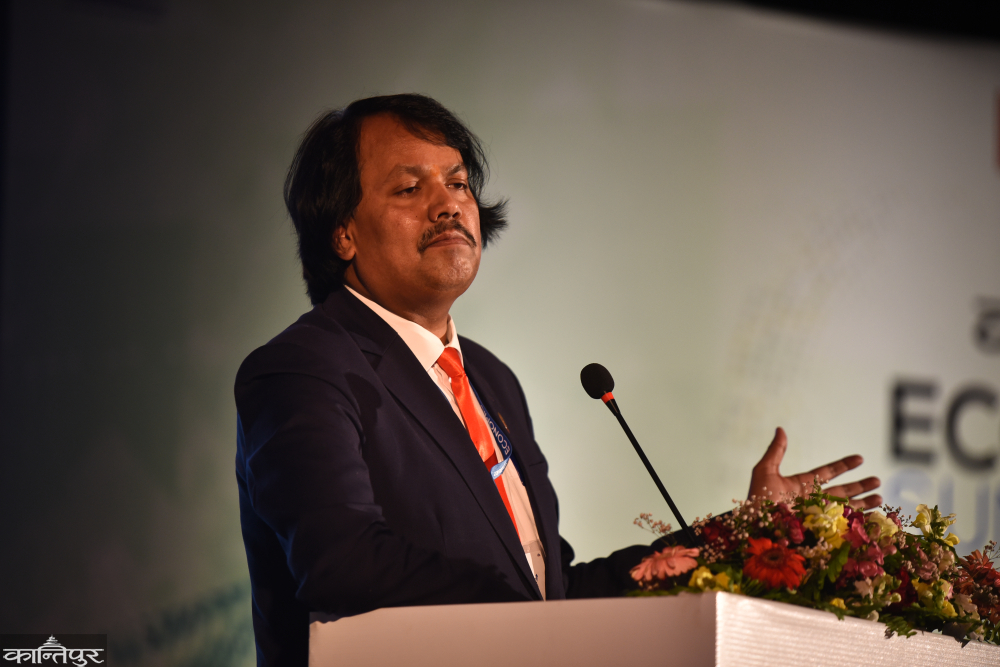
While setting the economic policy of his party, Raut said that the provision of socialism-oriented economic policy in the constitution should be amended . He applied the concept of social democracy to the principles of economic policy, encouraged the private sector while supporting open market and liberalism, emphasized the production-oriented economy, balanced development of agriculture, industry and service sector, arranged for directly elected executive prime minister to end instability and hire and fire in the bureaucracy. He made it clear that his party is committed to implementing the system.
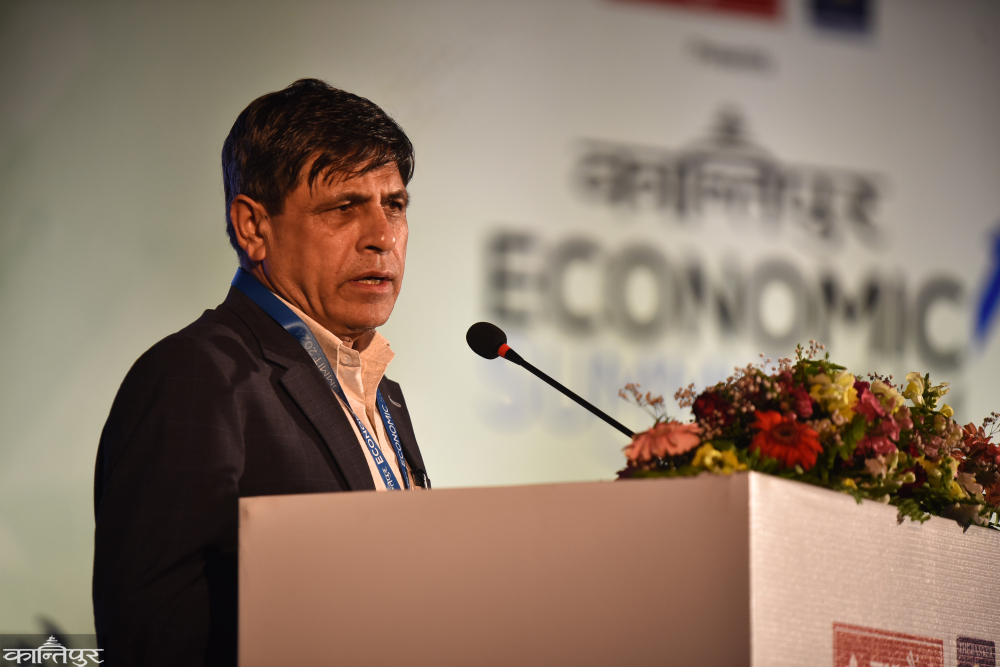
Bhusal, General Secretary of the United Socialist Party, said that if the development plan is not made after looking at the actual situation of Nepal, the economy cannot be improved. "If we don't take care of our means, resources, history, culture, population and what can be done within our geopolitics, our development will continue to be the same as before," said General Secretary Bhusal. Similarly, he said that if the state does not protect the private sector, it will be difficult to achieve prosperity. "Today, it is the state's responsibility to make the private sector a private sector," he said.
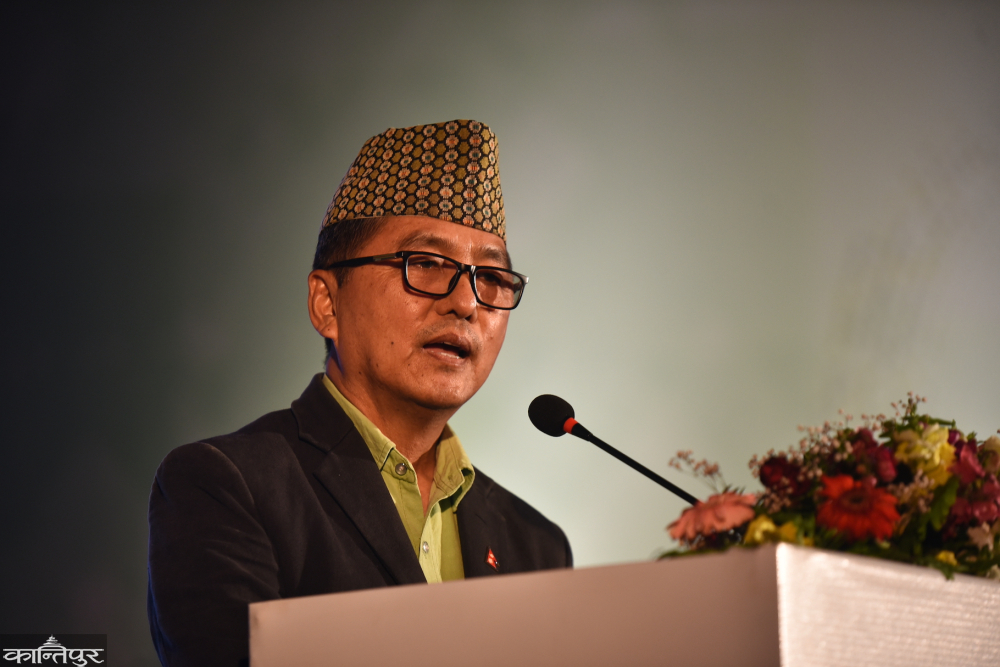
RPPA Chairman Lingden said that policies and systems should be reformed to improve Nepal's economy. He said that the role of the private sector should also be serious for the improvement of the economy. "In the policy that we are following, a trader brings the goods exempted from customs . After bringing it, the Internal Revenue will give him grief again. It should not be separated from the internal revenue, it is called revenue investigation,' he said. He also criticized the fact that three levels of governments taxed the same goods and services.
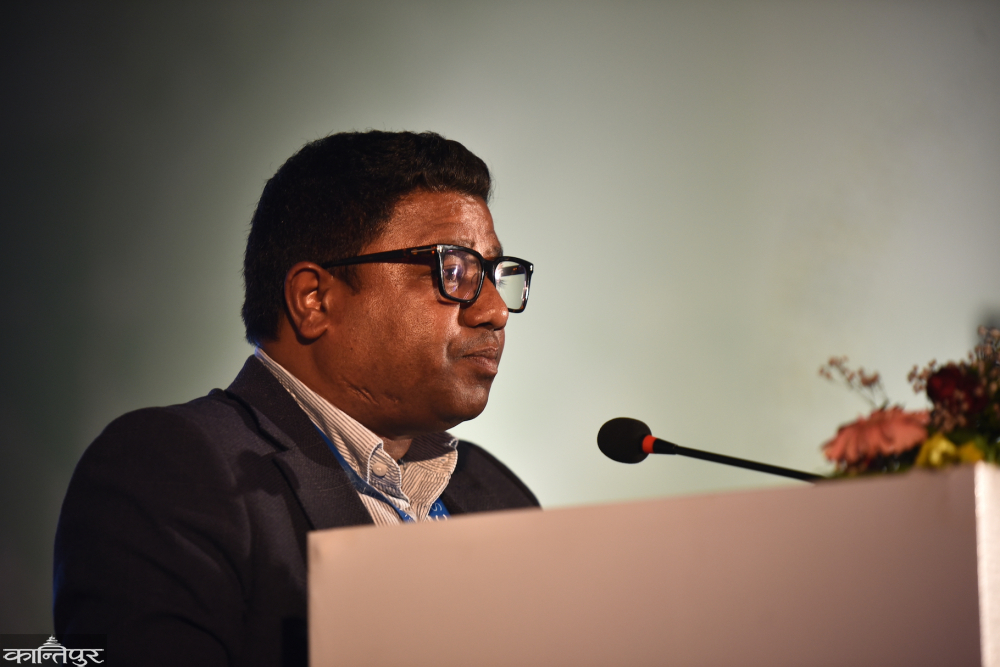
Pariyar, chief whip of RSVP, also suggested the finance minister to make the income and expenditure estimates of the upcoming budget realistic, reliable and able to convey a message of reform. He said that the trend and structure of public finance should be radically improved. He said, 'There should be a separate system of new thinking, departure, disruption and transformational plans.'
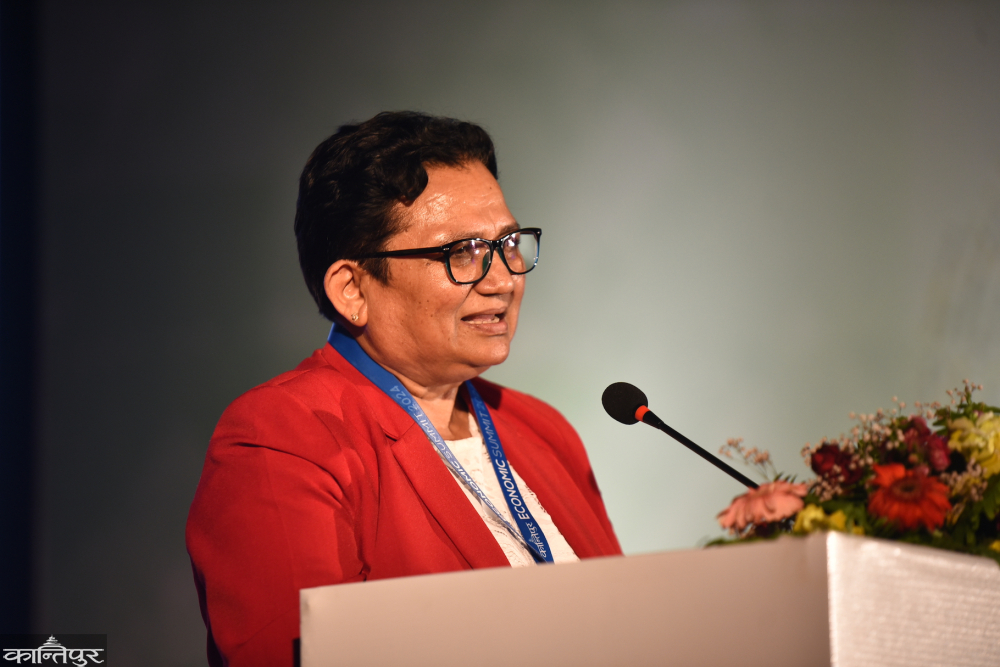
Vice President of Maoist Center Pampha Bhusal increased the production and productivity of agriculture and contributed to income, employment and the economy by investing in competitive sectors. She said that it should be increased. She was of the opinion that policy reforms and necessary incentives should be made to protect and promote the private sector for economic transformation. She urged that the strengthening of economic bases and the enhancement of capital expenditure capacity and investment should be ensured.
Vice President Bhusal, mentioning that there has been an epoch-making change in the political sector of the country, was of the opinion that it is the main need of today to do more work with an action plan to achieve the expected achievements in the field of economic and social development and the development of modern infrastructure by maintaining good governance . "Coordination between the government, private sector, cooperative sector and academic and civil society among other sectors is necessary to fulfill the purpose of achieving good governance, development and prosperity through the federal democratic republican governance system envisioned by the Constitution of Nepal," he said. She said, 'Entrepreneurship development and domestic production base should be strengthened. Self-sufficiency in consumer goods and service delivery should be made agile and well-governed. New thinking and innovative solutions should be found in the structural reforms of the economy and the creation of an investment environment.'
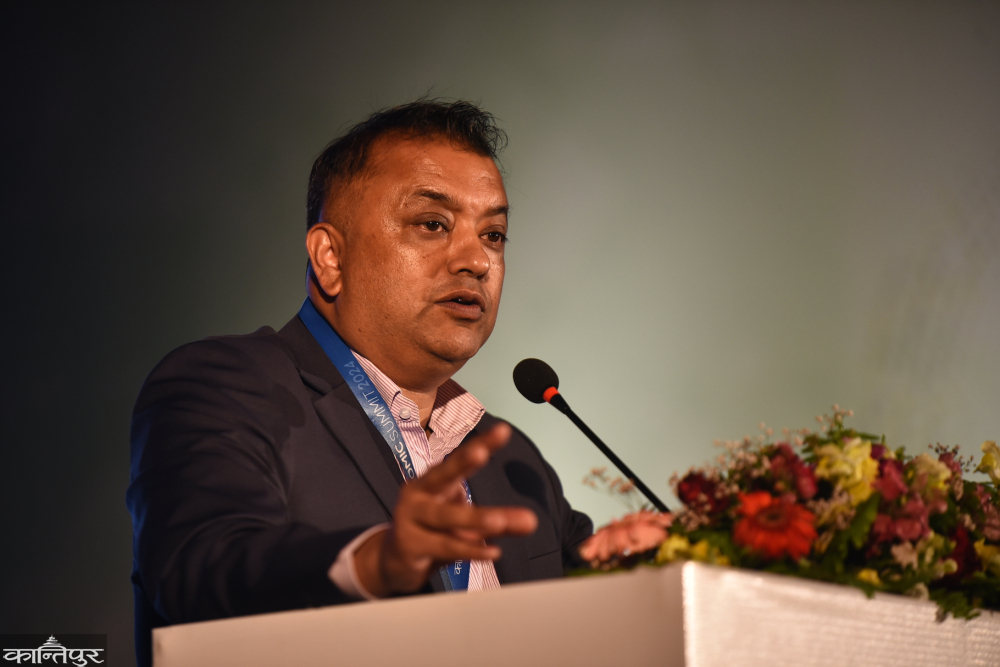
Congress General Minister Thapa said that the situation has come to review the welfare policy being embraced by Nepal. He said, "The situation has come to amend government subsidy programs including social security allowance, pension, disability allowance." "Whether or not we are in the government, the government should identify the laws that need to be amended to make the economy viable," he said, "we are ready to work as a 'war footing' on that."
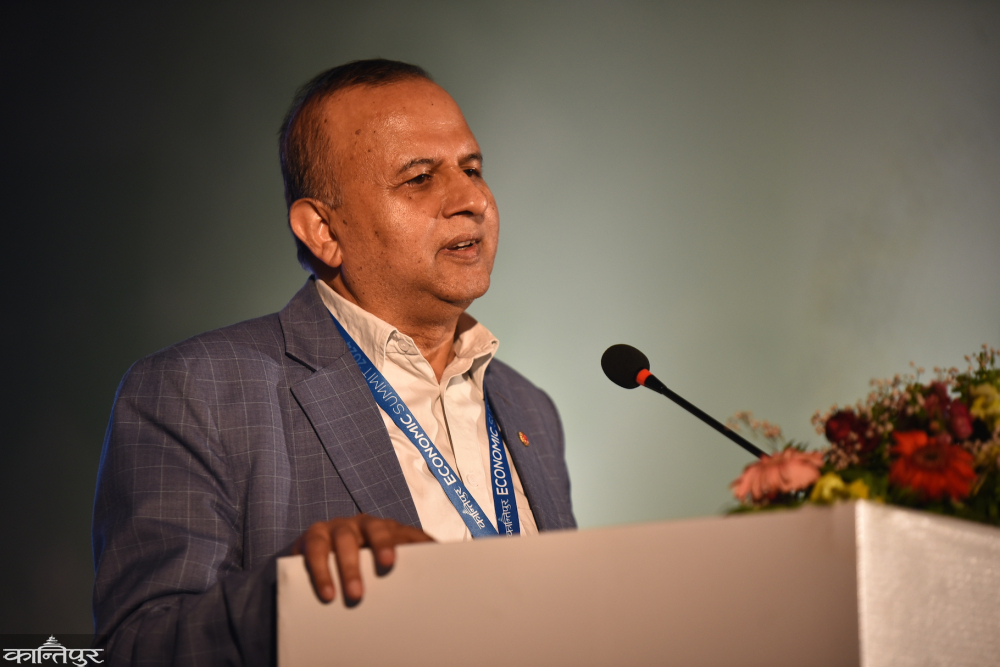
General Secretary Pokharel said that in order to change the current situation, there should be unity among political parties. Even now, some political party leaders are trying to get public opinion by raising questions about the system, but that is not the solution to the current problem, he said. He clarified that development is not possible on the foundation of social anarchy. He was of the opinion that Nepal is successful in political change and to institutionalize it, there is a social and economic transformation of the country. He said that political parties should unite for that.
General Secretary Pokharel also said that in order to make Nepal financially strong, the economic system should be changed and the managerial capacity should be strengthened. He said that the problem is not only in politics but in every field. Stating that Nepal is dependent on the imported market system, he was of the opinion that business should be based on products and services instead of being based on imports. He said that by changing the structural system and laws, we should be in favor of economic and social change. He insisted that it should become a subject of collective commitment to improve the law when it is creating complications.