When the song ”Let's work, Nepalis, the day of hunger has come,” composed and sung by Hark Sampang, begins to resonate, voters understand that the chairman of the Labor Culture Party has arrived somewhere.
We use Google Cloud Translation Services. Google requires we provide the following disclaimer relating to use of this service:
This service may contain translations powered by Google. Google disclaims all warranties related to the translations, expressed or implied, including any warranties of accuracy, reliability, and any implied warranties of merchantability, fitness for a particular purpose, and noninfringement.
There is no election excitement in nearby Itahari and Biratnagar, but in Dharan, the song of Hark Sampang is heard early in the morning, and leaders and activists of the Shram Sanskriti Party take to the streets to ask for votes. With the melody of the song "Shram Garon Nepali Ho, Bhokai Marne Din Aaysyo" in Hark's own voice, voters understand that the chairman of the Shram Sanskriti Party has arrived somewhere here.
When this song was played at 11 pm on Friday in Durga Chowk, Dharan-9, the workers danced in a frenzy, Mayor Hark came out with folded hands greeting. Three years ago, when he was running for the local elections, he was seen in the streets of Dharan in the same way, but at that time, he would walk alone on a motorcycle carrying a hand-held microphone and giving speeches.
Even now, his motorcycle has not left his side, but the atmosphere has changed. Wherever he goes, there is a crowd. At that time, no one would listen to his speeches, now, as soon as people hear the tune of the modern song he sings, people start coming out of their homes onto the streets.
With a microphone on his shoulder, a T-shirt with ‘Hark Sampang – A Revolution’ written on it, and a black track suit, Hark is walking around meeting voters. Saying, ‘We should vote in the soil this time,’ he entered a grocery store in Chandni Chowk, 42-year-old Amrit Rai burst out laughing. Sampang left after handing over a pamphlet containing the agenda including democracy, federalism and a directly elected executive presidential system.
A woman was sitting on a scooter on the roadside, Hark reached there with folded hands. She said, ‘It’s late for school!’ She is a teacher. Perhaps Hark recognized her because of her dress, and handed over a pamphlet asking her to vote for Mato.
After Hark moved forward, Hema Limbu (31), speaking briefly to Kantipur, said that Hark would win the election from Sunsari-1. ‘I haven’t seen any party leaders walking around yet, but he has already started walking around asking for votes,’ said Limbu, a teacher at Aqua Secondary School, ‘Although nowadays, votes are cast based on individuals, it is not said that they should be given to the party.’
When we reached Dharan’s Aapgachhi Chowk, slogans rang out over the microphone, ‘What is the point of voting? Vote for what?’ The worker kept replying, ‘In soil.’ Hark and his workers in the team were not only asking for votes, they were also cleaning with sacks.

‘I used to participate in his earlier movement demanding water, and I am still asking for votes for him,’ said Usha Limbu (50) of Bhanu Smriti Chowk, Dharan-3, ‘Even if he does not run like this, he will win the election, but we have been cleaning the village door to door to ensure that it is clean.’ Limbu said that Hark is now expected to be made the Prime Minister because of his good work in Dharan.
Hark entered another house, pasted a ‘sticker’ of soil on the mole, and went to Khatun (65) to ask for votes. After the election team left, Khatun told Kantipur that she did not have citizenship.
The campaign team moved a little faster, but Hark was left behind. The worker signaled to walk slowly. Hark was at his own pace, entering each house. He tried to give the pamphlet to Mahiman Basnet, an elderly man from Dharan-16 who was selling bananas on the roadside. Basnet said he already had one. But Hark tried to hand it over to him, saying he should keep it too. He then offered to give it to others, but Hark refused.
After forcibly putting it in a cardboard box, Basnet threw the pamphlet away. Hark moved forward. He entered another shop and started asking for votes. The worker tried to convince Basnet by saying, “It would have been better if it had been thrown away.” When another worker said, “It would have been better if it had been given to someone else,” he frowned, saying he had already received it. After the campaign team left, Basnet told Kantipur, “He will win the election, but he is stubborn.”
While walking door to door, Hark was not heard saying 'vote for me', he was focusing more on the 'branding' of the soil symbol. Hark opened the Shram Sanskriti Party under his own leadership after the Gen-G movement.
There is also talk that he has been claiming to defeat UML Chairman KP Sharma Oli and senior Rashtriya Swayamsevak Sangh leader Balendra Shah in Jhapa-5. However, he said that he will contest the election from his own soil. 'I have not thought of anything other than Sunsari-1, our candidate Sameer Tamang is enough in Jhapa-5,' Hark told Kantipur during the election campaign. Hark has yet to resign from the post of mayor.
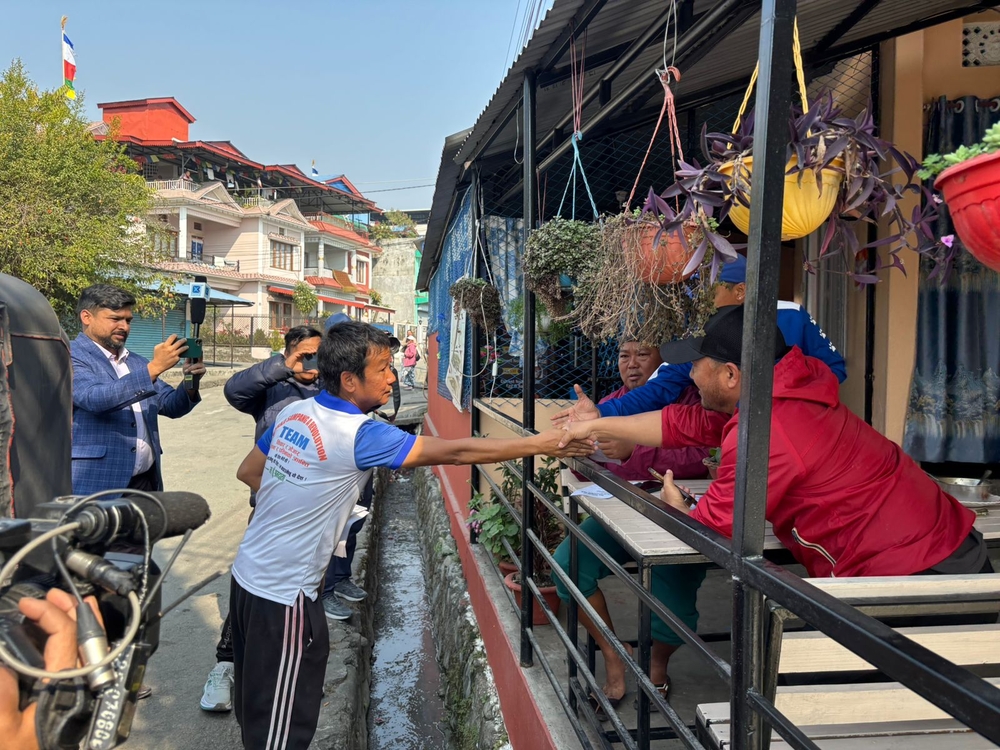
Hark entered a house in Pashupati Chowk. 49-year-old Amar Gurung came out from inside, greeting him. Hark distributed campaign materials as he did elsewhere, and urged people to cooperate. Gurung shook his head, saying that after Hark left, he had not visited the house of other party candidates. ‘He is good in every way, he will win here, it doesn’t matter,’ Gurung said, ‘Since he has solved the water problem, the vote for him doesn’t matter.’
Exactly three years ago, Dharan’s situation was dire. Dharan residents had to travel 2/3 kilometers to get water, even by taking a city safari or riding a tempo. Many had to buy tanker water 5/6 times a month. At that time, Hark won the election by putting forward the slogan of providing free drinking water to the people of Dharan. ‘Other leaders used to say during the election that they would do this and that, but they never fulfilled it. But whatever he said, he fulfilled it,’ said 68-year-old Radhe Karki of Swami Chowk, ‘At that time, water had to be brought from far away, now water comes from the tap.’
After Hark became mayor, he did not sit in his office, getting bogged down in administrative work like other public representatives. To quench the thirst of the people, he started running a Shramdaan campaign himself, and every Saturday he was seen carrying stones. ‘For a few days, I would have a cart in my hand, but when I saw it, I felt like I was a stone man,’ says Hark himself, ‘I reached Singha Durbar asking for water, and ran to many places. But when there was no support, I tried to manage it from local sources.’
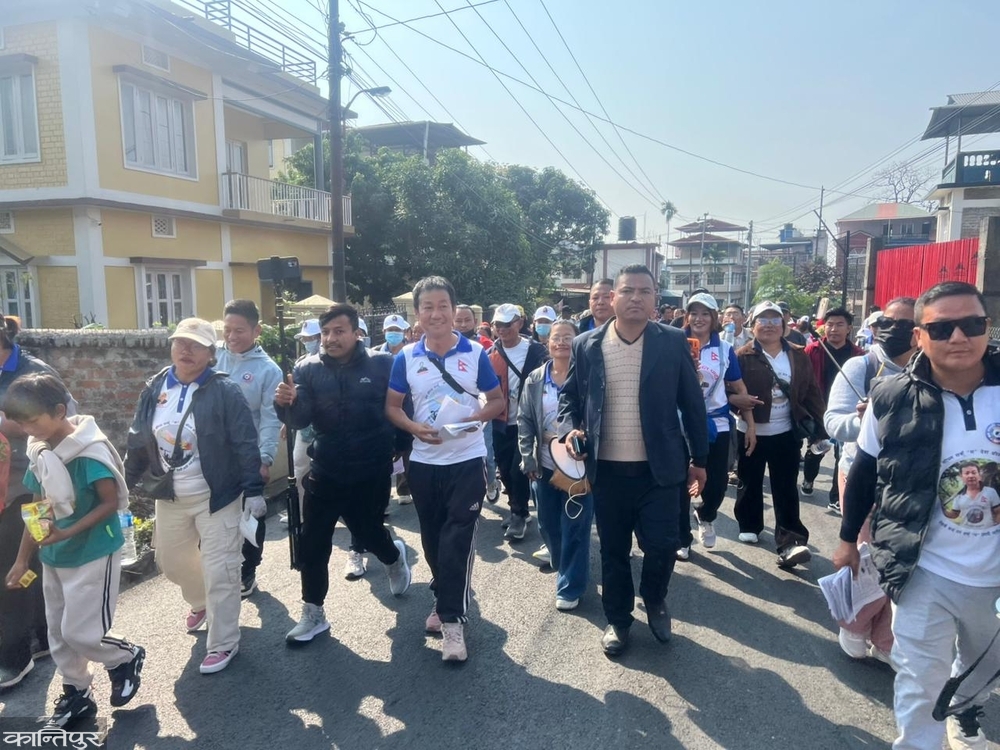
After a 99-day Shramdaan led by Hark, water was brought to Dharan through the forest of Barahakshetra Municipality in Sunsari. After bringing water from the Kokaha River from 40 kilometers away, the people of Dharan danced and sang in the water that came from the village stream in Jestha 2080, celebrating. ‘Everyone must accept the work he did,’ said Karki, ‘That’s probably why people from other parties have not come so far.’
After becoming mayor, Hark once insisted on building an airport in Dharan. But he did not get support from the Ministry of Culture, Tourism and Civil Aviation. He returned after not getting a positive response even after visiting Singha Durbar several times. Even though Singha Durbar said that adding another airport would not be practical, considering that Biratnagar, which is 55 kilometers from Dharan, already has an airport, voters seem to be appreciative of his efforts. ‘He has made a lot of efforts for us,’ said Manikumar Raut (52), a street vendor. ‘People are happy with him.’
Raut, however, has not yet decided who he will vote for in the upcoming elections. He, who has been making a living by selling maize at the old hospital chowk, says he will not vote for the same party as before. ‘We will give it to the individual, let’s see who stands up,’ he says.
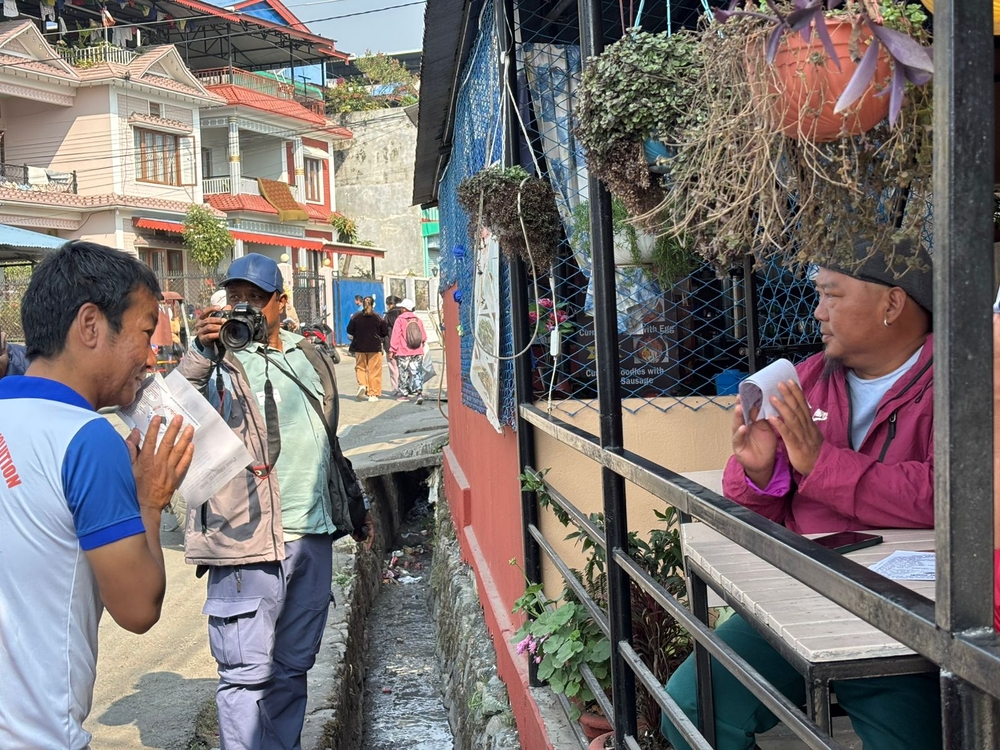
Gangamaya Karki (56) also complained about Hark. ‘They say that Chhetris and Bahuns did not vote, their people do not support us,’ she said, ‘they only looked at the tribals.’ She did not reveal what kind of support she needed and who did not support her.
Ram Prasad Rijal, 70, of Dharan-6, Panbari, says that he will vote for the nationalist party. ‘None of the Congress or UML did anything, I will vote for the nationalist party,’ he says. He says that he is satisfied with the work done by Hark in Dharan.
Mohammad Shoyab (31), who runs Nagma Fancy Store, says that the work done by Hark in Dharan has shown what leaders should do. Adding the context of Balendra Shah, he says, ‘In Kathmandu, Balen Da, here Hark Da, everyone has understood what will happen when a new one is elected, this time it does not seem like anyone is doing it right or left.’ He also said that he used to vote for the Congress in the past.
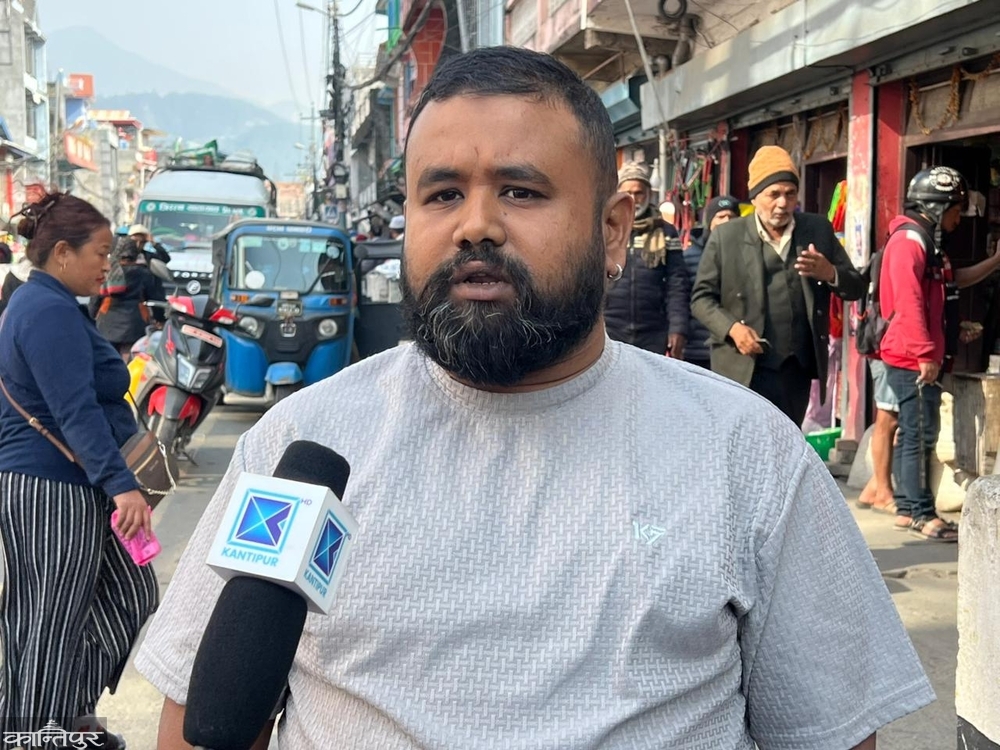 Vicky Pariyar, 24, who runs a sewing business near Ghantaghar in Dharan, raised the issue of employment. Vicky, who returned after working at a gas plant in Qatar for two years after not getting a job opportunity in his place, said that he needed a candidate who would create an environment where people can earn and live in Nepal. Hark, on the other hand, has not arrived in this area. He said, “No candidate has come so far, but for once, I will vote for Hark.”
Pariyar said that Hark’s idea is good but their problems are yet to be solved. “Look here in Ghantaghar, we live by paying daily taxes, but when it rains, we have to pick up the machine and run away,” he told Kantipur. “No one has even put tin here, the municipality only collects money, it does nothing for us.”
Manish Mahara of Dharan-15 accused Hark of playing caste politics. “Only Rais and Limbus are in his favor. He says that Dalits and workers should not be brought into this party. He was good earlier, but lately there has been more casteism,” he said, who runs a pipe and drum industry. “If he had built the country, he could have united with his Balen brothers, but he didn’t. He is also a bit arrogant.”
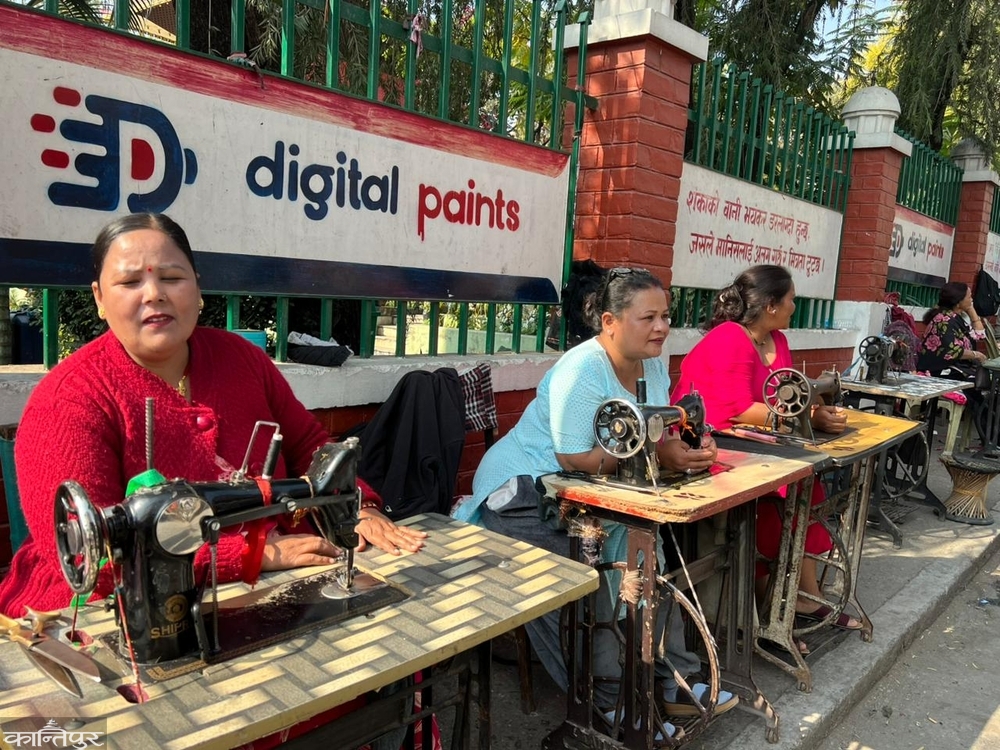
While he was criticizing Hark, others nearby were making faces. After a while, Sunita Pariyar (43) said, “There is nothing to say about the work he has done so far, but he still has work to do.”
Before Hark’s rise, Sunsari-1 was considered the base area of UML. It was said that whoever wins the election from UML will win. However, after the restoration of the multi-party system, the then UML president Manmohan Adhikari was elected from Sunsari-1 in the elections held in 2048 BS. In 2051 BS, Leela Shrestha Subba won from UML, who later became Deputy Speaker. Famous poet Kunta Sharma contested from Sunsari-1 from UML and won in 2056 BS.
In the first Constituent Assembly election in 2064, Kiran Kumar Rai of the then Maoist Center won. Since then, the UML has been winning, but in the 2079 election, the UML supported Ashok Rai of the JSP and won.
This time, the UML, Congress, and even the Rashtriya Swayamsevak Sangh (RSS) that emerged in alternative politics are under pressure due to Hark's candidacy. In the last election, RSS candidate Goma Tamang (Sarin) came in second place with 16,606 votes, while Maoist candidate Muksamahang Subba received 13,087 votes. The winning Ashok Rai's votes were 17,059.
Currently, there is no election activity of the RSS in Dharan. RSS leader Tamang is also aspiring from Sunsari-1 this time. 'Discussions are underway within the party to finalize the candidate, it will probably be finalized tomorrow (Sunday), and then the election activity will move forward,' she told Kantipur.
UML has given a ticket to Surya Pandhak from Sunsari-1. His name was finalized in a secretariat meeting on Saturday. Pandhak was a teacher in Morang for a long time. He has been a member of the UML provincial committee for two terms. “The party is just finalizing the candidate, now the election campaign will begin,” said UML Dharan city president Harkjang Aveng.
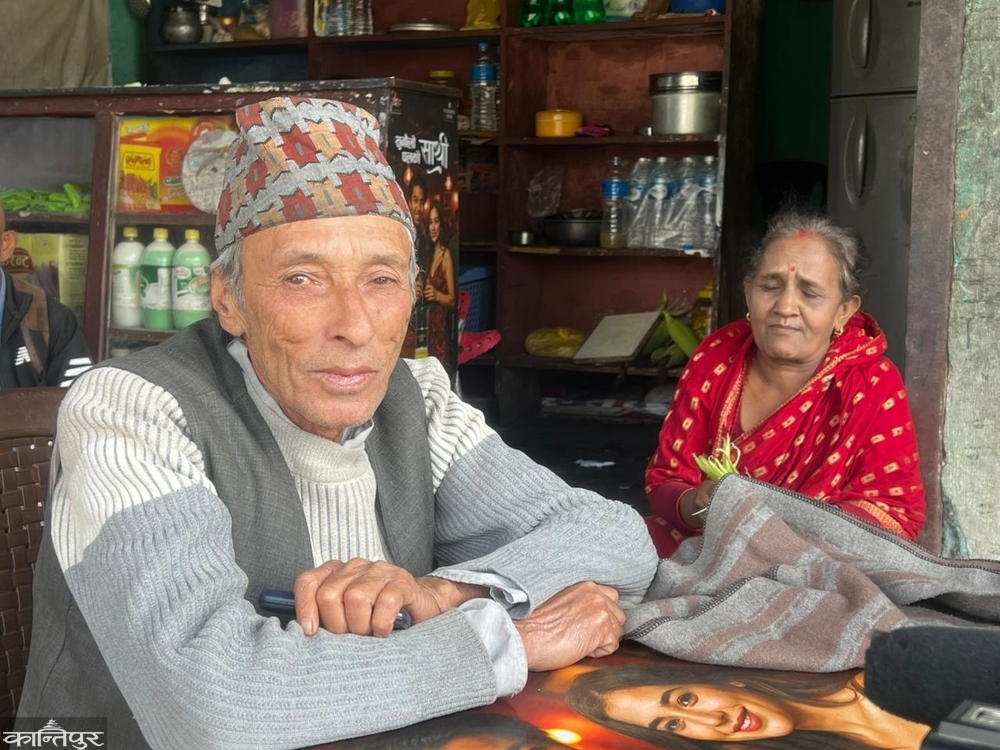
Koshi province general secretary Umesh Thapa, along with Binod Rai, Madhav Ghising, and Sandeep Shrestha, have been recommended by the Nepali Congress. Congress Sunsari constituency No. 1 president Sujendra Tamang says that there is confusion over finalizing the candidate due to problems within the party. The Nepali Communist Party (NCP) has fielded Surya Bahadur Bhattarai (Manoj), ward chairman of Dharan-17, as its candidate.
The NCP Koshi province committee on Saturday gave Bhattarai a ticket for the post of member of the House of Representatives, said NCP Dharan coordinator Uddhav Limbu. Bhattarai is a twice-elected ward chairman from Dharan-17. There is talk that Sudan Kirati, the chairman of the Progressive Democratic Party, will also stand here. He had won from Bhojpur as the then Maoist candidate in the 2079 elections.
While other parties are just finalizing their candidates, Hark Hark himself is also distributing tickets across the country from the tea shop 'Green Tea', where he regularly stays and meets well-wishers. He gives out tickets with his name and signature on paper tickets that look like food coupons at party programs. After taking them to the nearby secretariat, the candidate receives a nomination letter.
While talking to Kantipur on Friday evening, Hark said that he is preparing to field candidates across the country and gave the ticket to Uddhav Kumar Rai for Okhaldhunga. 'I am happy that I will be able to contest elections from the soil,' was Rai's response.
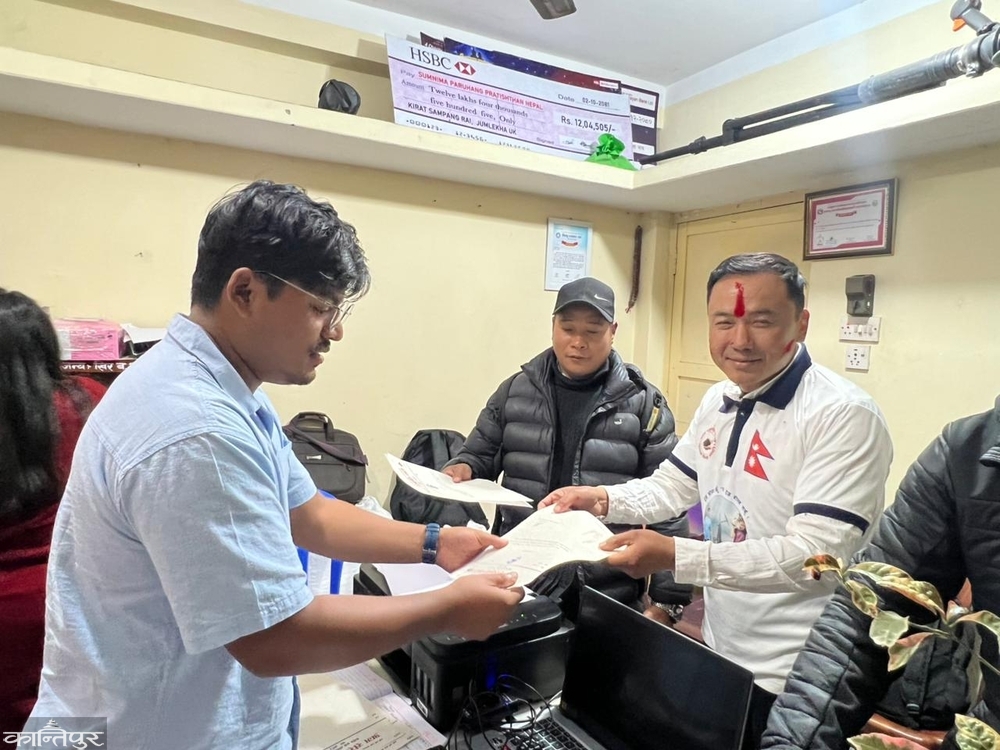
Shram Sanskriti Party General Secretary Aryan Rai said that candidates from old political parties used to go to Kathmandu to get tickets, but now there are queues in Dharan. ‘Our party has made a statement that everything happens only in Kathmandu, our party aspirants are now coming to Dharan to get tickets,’ he said, ‘The chairman is distributing tickets from here even for the Far West and Karnali.’
Rai was once a member of the Nationalist Center Nepal. He had previously been involved in politics while also being part of the Mongol National Organization. ‘We have distributed tickets in Kailali, Dadeldhura, Surkhet, Jajarkot,’ he said, ‘This time we will emerge as a national party by winning from all over the country.’
Sunsari-1, where the Labor Culture Party has intensified its election campaign, has 20 wards of Dharan Sub-metropolitan City, 5 wards of Barahakshetra Municipality, and 2 wards of Ramdhuni Municipality. There are 150,232 voters in this area.


