32 illegal structures were demolished within the boundaries of the buried poles, connected to the lake, and within a possible 65 meters from the Waterfront Resort in Sedi to Khapaudi.
We use Google Cloud Translation Services. Google requires we provide the following disclaimer relating to use of this service:
This service may contain translations powered by Google. Google disclaims all warranties related to the translations, expressed or implied, including any warranties of accuracy, reliability, and any implied warranties of merchantability, fitness for a particular purpose, and noninfringement.
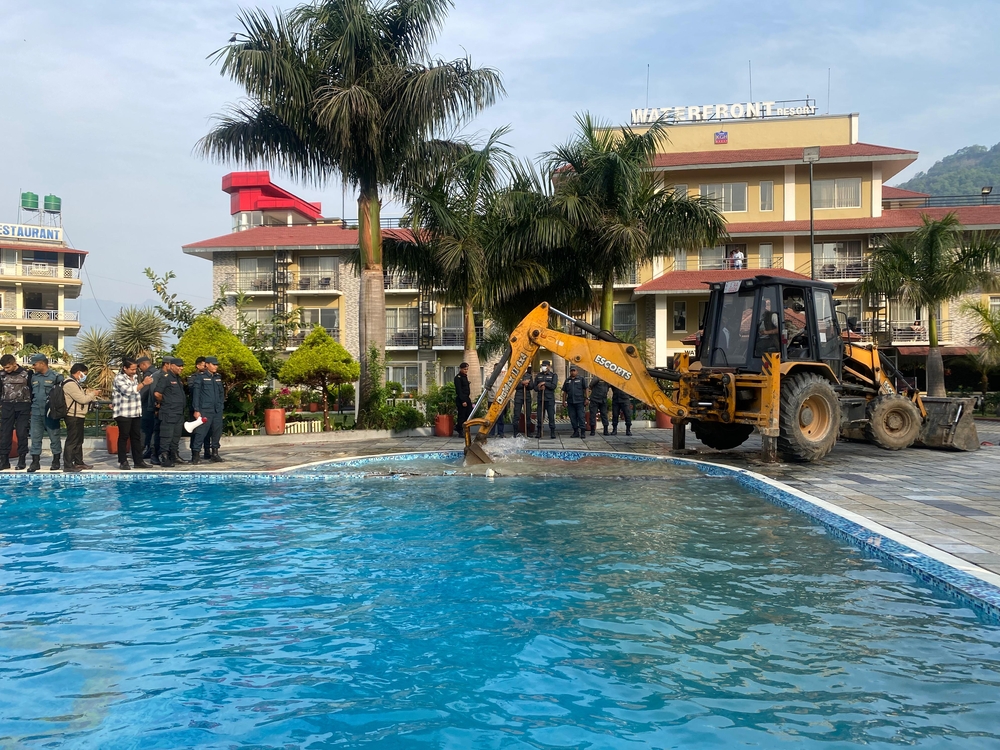
Pokhara, which was reveling in the excitement of Friday night, woke up early on Saturday morning to the sound of a dozer, 'Khadkhadkhad...'. When tourists opened the curtains of the window of the waterfront resort in Sedi and looked outside, the blue water of the swimming pool had been dug up and turned yellow by the dozer.
The Metropolitan City's dozer had reached the Fewa shore before Pokhara woke up to implement the Supreme Court's decision. About 150 security personnel were mobilized from the District Police, Baidam Police, City Police and Armed Police Force to demolish the structures. On the instructions of Prime Minister Balendra Shah and the mobilization of manpower from the Ministry of Home Affairs, Pokhara Metropolitan City demolished 32 illegal structures built within the boundaries of Fewa Lake on Saturday.
The Supreme Court, in its ruling on 4 Ashad 2080, had issued a decree to demolish the structures within 65 meters of the boundary by drawing a boundary based on the highest water level of the lake. The Supreme Court had ordered the cancellation of the registration of contaminated land within 65 meters and the compensation for the land registered before 032 BS to be brought under the name of the lake and maintain greenery. The Supreme Court had also decided on 4 Ashad 080 to demolish the encroached structures by the Waterfront Resort.
According to the 2077 gazette, the area of the lake is 5.726 square kilometers, and the total protected area after implementing the Supreme Court's decision is 7.611 square kilometers. A facilitation committee was formed on 13 Mangsir 080 under the coordination of Gandaki Province Chief Minister Surendra Raj Pandey to implement the Supreme Court's decision for the protection of Fewa Lake. The committee formed a technical subcommittee on 15 Magh 080 under the coordination of Gangalal Pokhrel, Chief Surveyor of the Ministry of Land Management, Agriculture and Cooperatives of the province. According to the subcommittee's study, the lake has an area of 6.343 square kilometers (12,468 ropani 3 paisa 3 daam). This is the area of the highest water edge identified during heavy rains in Pokhara on 20 Ashad 081. This area is 617 square kilometers (1,213 ropani) more than the last area published in the Gazette.
Based on the recommendation of the subcommittee, the facilitation committee started burying poles on the lake shore from 17 Jestha. Although the subcommittee digitally determined 1,055 points, only 611 poles were buried due to geographical disparity. Now, the metropolis has removed only the structures within the boundaries of the poles from the Waterfront Resort in Sedi to Khapaudi and some structures connected to the lake and potentially within 65 meters.
The facilitation committee has only digitally determined 65 meters from the pole-buried point. The area from the pole-buried boundary to 65 meters has been established as 1.268 square kilometers (2,491 ropanis 7 anas 1 paisa 2 daam).
The metropolis had issued a notice on February 21, urging the removal of illegal structures built on the banks of Fewa Lake within 15 days. The notice stated that if they were not removed within the specified time, the metropolis would remove them as per the law and the expenses incurred would also have to be borne by the concerned person. Before issuing the notice, the metropolis had also removed some newly constructed structures on the banks of the lake on February 21. No one paid attention to the metropolis' notice.
[Related_News_Section_1]
After the government included the conservation of Fewa Lake in the 100 agenda of governance reforms, Prime Minister Shah had called Pokhara Metropolitan Mayor Dhanraj Acharya and expressed his interest. The metropolis has already submitted the latest progress report to the Prime Minister's Office. The report suggests that although there is no problem in demolishing illegal structures built inside the lake, the issue of compensation should be finalized for demolishing structures within 65 meters.
A joint study conducted by the Government of Nepal and UNDP in 2038 stated that the area was 5.8 square kilometers. In 2069, the report of the Bishwa Prakash Lamichhane Committee showed that it had remained at 6.5 square kilometers (of which only 5.06 square kilometers were water-filled). The main reason for this shrinkage is human encroachment.
On Friday, Home Minister Sudhan Gurung had called Metropolitan Mayor Dhanraj Acharya to remove the structures within 65 meters. After receiving the support of the Home Minister, Acharya removed the structures with the help of security personnel on Saturday morning.
This is not the first time that a dozer has been used on structures built by encroaching on Fewa Lake. The Metropolitan Municipality had used dozers several times before. But since the dozers were used and left running, the structures were again erected illegally.
What exactly is the 65-meter standard of Fewa Lake? Who, when, and why did it set it? Here are five facts.
First fact: Area of Fewa Lake
The image that comes to mind when you think of Pokhara is Fewa Lake. This lake, which reflects Annapurna and Machhapuchhre, is the introduction to Pokhara and the backbone of Nepal's tourism. But the answer to the question of the exact size of this lake has not yet been finalized. Studies conducted at different times have shown different figures. The instability of this figure is the root cause of the Fewa Lake controversy.
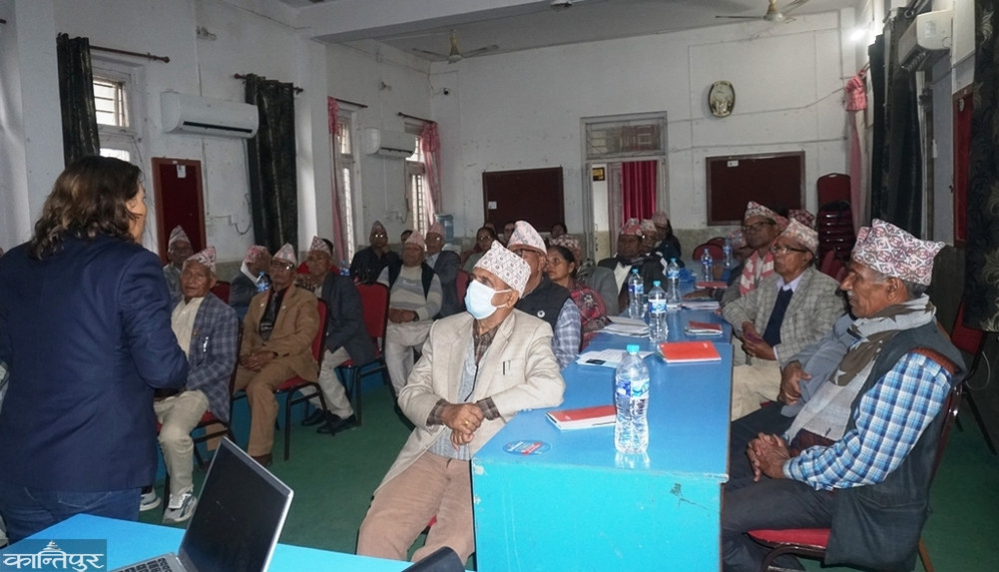
The pillar of the dam built by the Nepal-India Cooperation Mission in 018 BS mentions the area of the lake as 4 square miles, i.e. 10.36 square kilometers. But no document has been found to confirm this area. The dams built after that and the studies conducted showed that the size of the lake is decreasing. A joint study conducted by the Government of Nepal and UNDP in 038 BS said the area was 5.8 square kilometers. In 2069, the Bishwaprakash Lamichhane Committee report showed that the area remained at 6.5 square kilometers (of which only 5.06 square kilometers were water-filled). The main reason for this shrinkage is human encroachment.
The latest official area published in the Nepal Gazette on 17 Falgun 2077 is 5.726 square kilometers (11,255 ropani 11 anna 1 paisa). This was based on the recommendation of the Charkilla Determination, Demarcation and Mapping Committee formed under the leadership of Punya Prasad Poudel. The Technical Subcommittee of the Supreme Court's Decision Implementation Facilitation Committee has conducted a new study for the protection of Fewa Lake.
The subcommittee's report submitted in last Jestha showed that the area of the lake has reached 6.343 square kilometers (12,468 ropani) based on the highest water level (high flood level) measured during the heavy rains in Pokhara on 20 Ashad 2081 through drone survey and DGPS technology. Based on this new area, the facilitation committee has planted poles around the lake. It is estimated that the total protected area of the lake will reach 7.611 square kilometers (13,959 ropanis) after the addition of 65 meters as specified by the Supreme Court.
Second fact: 65-meter criterion, origin and legal journey
[Related_News_Section_2]
After the writ petition was filed, the then Prime Minister Baburam Bhattarai formed a committee under the leadership of Pokhara Valley Urban Development Committee Chairman Bishwaprakash Lamichhane to investigate the encroached land on the lake. The committee submitted its report on 3 Jestha 2069. The report later became the basis for the Supreme Court's decision. On 16 Baisakh 2075, a joint bench of Supreme Court Justices Om Prakash Mishra and Sapana Pradhan Malla gave the decision. The Supreme Court's decision stated that no physical structure, including buildings, that would affect the conservation of the lake could be constructed within 65 meters of the lake's shore. The decision also included instructions such as compensation for the surrounding land to be acquired for the conservation of the lake and control of the sediment flowing from the source.
On 10 Magh 2067, advocates Khagendra Subedi and Ramesh Ghimire filed a writ petition in the Supreme Court to implement the 65-meter standard, making 16 bodies, including the Office of the Prime Minister and the Council of Ministers, as defendants.
But this decision could not be implemented. During the time of the then Metropolitan Mayor Man Bahadur GC, the executive meeting of 16 Chaitra 2078 decided to reduce the standard of Fewa Lake to 30 meters, contrary to the Supreme Court's decision. Against this decision, legal experts including advocate Subedi filed another writ petition in the Supreme Court on 11 Jestha 2079. A joint bench of Justices Kumar Regmi and Hari Prasad Phuyal delivered the verdict on that writ petition on 4 Asar 2080. The full text of the verdict was made public on 23 Ashoja, paving the way for the implementation of the 65-meter standard. This verdict overturned the metropolis's 30-meter decision. The court ordered that the intermediate area up to 65 meters from the lake shore be declared a complete green zone.
Third fact: Waterfront resort encroaching on public land
 Explainer: Where has the Supreme Court's verdict on the conservation of Fewa Lake reached?
The very next day after Shakya applied to the Pokhara Valley Urban Development Committee for permission, an employee signed and recommended that the then Sarangkot VDC be 'reasonable', and the VDC secretary approved it on the same day. The Supreme Court has already ruled that this process was not legal.
The investigation committee formed by the court conducted an on-site survey. The report indicated that only two of Shakya's structures were built on his Lalpurjawala land and all the remaining structures were built on public land near Fewa Lake. The main gate of the resort itself was within the 65-meter standard. The full text of the Supreme Court's verdict on 4 Ashar 080 states that most of the resort's structures are within 65 meters, the permit is not legal, and public land has been encroached upon.
The Supreme Court had ruled to cancel the registration of plots 173, 304, and 305, stating that the land is public land. On Saturday, the swimming pool, gate, and wall of the resort on the same land were demolished by a dozer. The implementation of the case that has been going on for 12 years and the decision that has been ignored for seven years has started from the waterfront. The main building of the resort is within the 65-meter standard.
Fourth fact: Cancellation of registration of contaminated land and compensation
The most complex and controversial question in the conservation of Fewa Lake is, whose land should be cancelled? Who should be compensated? And, who should be compensated? The implementation of the 65-meter standard has started without answering these questions.
नेपाल–भारत सहयोग मिसनले ०१८ सालमा फेवातालको पूर्वपट्टि बाँध बाँध्यो, जसले तालको आकार दियो । साथमा मुआब्जासम्बन्धी नीति पनि आयो, जसका आधारमा ०३१ सम्म तालले डुबाएका व्यक्तिका जग्गाको मुआब्जाको विषय टुंगिइसकेको थियो । ०३१ सालमा बाँध भत्कियो, ताल आधा रित्तियो । सिरानतिरको भाग दलदल बन्यो, स्थानीयले खेतीपाती सुरु गरे ।
 कसले जोगाइदेला फेवाताल !
०७६ मा भएको महानगरपालिकाको अध्ययनले ३ परिदृश्यको विश्लेषण गरेको थियो । त्यति बेलाको अध्ययन प्रतिवेदनअनुसार ६५ मिटर मापदण्ड कायम गर्दा झन्डै ५ सय पक्की संरचना पर्ने देखिन्छ । व्यक्तिको करिब १ हजार रोपनी जग्गा पर्छ । मालपोतको मूल्यांकनमा मुआब्जा दिने हो भने झन्डै १० अर्ब, चलनचल्तीको दरमा दिने हो भने ४० अर्बभन्दा माथि पुग्छ । यो रकम केन्द्र सरकारले व्यहोर्नुपर्ने सर्वोच्चको फैसलामा उल्लेख छ । तर, बजेटको व्यवस्था छैन ।
फेवातालको अतिक्रमण रोक्ने कोसिस नयाँ होइन । भदौ ०४० मा तत्कालीन सरकारको निर्णयबाट ५ सदस्यीय समिति बनेको थियो । समितिले जेठ ०४१ र चैत ०४२ मा प्रतिवेदन बुझायो । ०३२/३३ को नापीपछि व्यक्तिले दर्ता गरेको जग्गा मालपोत ऐनको दफा २४(२) बमोजिम दर्ता खारेज गर्नुपर्ने सुझाव पनि समितिको थियो । १७ साउन ०४२ मा मन्त्रीस्तरीय निर्णय नै भयो– तालभित्रको जग्गा दर्ता बदर गरी लगतकट्टा गरिदिने । तर ०४६ को राजनीतिक परिवर्तनपछि मुआब्जाको माग गर्नेहरू तत्कालीन सत्तारूढ कांग्रेसमा प्रवेश गरे । कांग्रेस नेताकै दबाबमा जलस्रोत मन्त्रालयको चिठी सिँचाइ कार्यालयबाट गायब पारियो । मालपोतबाट फाइल च्यातियो । हाल सिँचाइ कार्यालयमा फेला परेको त्यही पुरानो निर्णयलाई पनि सर्वोच्चले पछिल्लो फैसलामा आधार मानेको छ । अहिले किल्ला गाडिएको ताल घर (क्षेत्रफल) भित्र २ हजार ८ सय ७० र किल्लाबाट बाहिर ६५ मिटरभित्र मात्रै १ हजार ४ सय ९६ कित्ता जग्गा छन् । तीमध्ये ताल घरभित्रको जग्गा स्वतः दूषित ठहरिने सर्वोच्चको फैसलामा व्याख्या गरिएको छ । ताल किनारबाट ६५ मिटरभित्र दूषित दर्ता कुन, मुआब्जा पाउने कुन र सरकारी कुन छुट्याउन अझै बाँकी छ । सहजीकरण समितिले ३ चैतमा बैठक बसेर उपसमितिलाई यो काम सक्न दुई महिना समय दिएको छ । पाँचौं तथ्य : फेवातालको संरक्षणमा चुनौती
अतिक्रमण गरेर बनाइएका संरचनामा शनिबार डोजर चल्यो तर सत्य यो पनि हो, अवैध संरचना भत्काउनुले मात्र फेवाताल बच्दैन । ताललाई जीवित राख्न बहुआयामिक र दीर्घकालीन योजना चाहिन्छ । महानगरले सेदीदेखि खपौदीसम्म ताल घर (पोल गाडिएको क्षेत्र) भित्रका र तालसँगै जोडेर बनाइएका संरचना मात्र हटाएको छ ।
वालेन्द्र शाह नेतृत्वको सरकारले सार्वजनिक गरेको शासकीय सुधारको एक सय कार्यसूचीको ७६ नम्बर बुँदामा लेखिएको छ, ‘पोखरास्थित फेवा संरक्षित जलाधार क्षेत्रको अतिक्रमण हटाई पुनःस्थापना, पहिरो व्यवस्थापन, मुहान संरक्षण र जलवायु परिवर्तन अनुकूलनका कार्यहरू सरोकारवालाको सहभागितामा तीन महिनाभित्र प्रक्रिया अघि बढाई जलाधार क्षेत्रको प्रभावकारी रूपमा संरक्षण गर्ने ।’
सहजीकरण समितिले पोल गाडिएको स्थानबाट ६५ मिटर थप क्षेत्र डिजिटल रूपमा मात्र यकिन गरेको छ, पोल गाडिएको छैन । रत्न मन्दिरदेखि फिस्टेल गेटसम्मको क्षेत्रबारे सर्वोच्चमा दायर नयाँ रिट विचाराधीन भएकाले त्यहाँ पोल गाडिएको छैन । ठूलठूला व्यापारिक प्रतिष्ठान, होटल र रिसोर्टहरू यस क्षेत्रभित्र पर्छन् । तर तिनलाई हटाउन मुआब्जाको प्रश्न पहिले टुंग्याउनुपर्ने देखिएको छ । जहाँको लालपुर्जा छ, त्यहाँ प्रक्रिया पुर्याउनुपर्छ ।
वालेन्द्र शाह नेतृत्वको सरकारले सार्वजनिक गरेको शासकीय सुधारको एक सय कार्यसूचीको ७६ नम्बर बुँदामा लेखिएको छ, ‘पोखरास्थित फेवा संरक्षित जलाधार क्षेत्रको अतिक्रमण हटाई पुनःस्थापना, पहिरो व्यवस्थापन, मुहान संरक्षण र जलवायु परिवर्तन अनुकूलनका कार्यहरू सरोकारवालाको सहभागितामा तीन महिनाभित्र प्रक्रिया अघि बढाई जलाधार क्षेत्रको प्रभावकारी रूपमा संरक्षण गर्ने ।’
फेवाताललाई ताल किनारका संरचनाभन्दा पनि ठूलो खतरा जलाधार क्षेत्रको भूक्षयबाट छ । वन मन्त्रालयको अध्ययनअनुसार फेवा जलाधारका आठ उपजलाधारबाट हर्पन खोला उपत्यकामा जम्मा भएको थिग्रेनीको परिमाण झन्डै २७ लाख ८४ हजार घनमिटर थियो । वार्षिक भूक्षय १ लाख ७५ हजारदेखि २ लाख २५ हजार घनमिटरसम्म हुन्छ । यस्तो गतिमा गेग्रान थुप्रिए ७५ देखि १ सय वर्षभित्र ताल लोप हुन सक्ने जिल्ला भूसंरक्षण कार्यालयको चेतावनी छ ।
पोखरा महानगरले हर्पन खोला र अँधेरी खोलामा ५ वटा ‘सिल्टेसन चेक ड्याम’ बनाएको छ । तर त्यति मात्र पर्याप्त छैन । जलकुम्भीको समस्या, मुहान क्षेत्रको क्षय, पहिरोको जोखिम, तालको गहिराइ घट्ने क्रम, तालमा मिसिने फिर्के खोलाबाट हुने प्रदूषण, मिचाहा प्रजातिका माछाको बढोत्तरी, यी सबै एकैसाथ सम्बोधन गर्नुपर्ने चुनौती छन् ।
६५ मिटरभित्रका संरचनाको मुआब्जा पाइँदैन – धनराज आचार्य, प्रमुख, पोखरा महानगरपालिका
हामीले अवैध संरचना रातारात भत्काएका होइनौं । यसअघि पटक–पटक सूचना निकालिएको छ । गृहमन्त्रीले प्रहरीको च्यानलबाट शनिबारै सुरु गरौं भनिसकेपछि सुरु भयो । बिहान ४ बजेदेखि नै सुरक्षाकर्मी अलर्ट अवस्थामा हुनुहुन्थ्यो । ६ बजे भत्काउन सुरु गर्यौं । अहिले तालसँग जोडिएका संरचना भत्काएका छौं । वाटरफ्रन्टको पर्ती जग्गामा बनेको संरचना भत्काएका हौं ।
ताल घरको सीमांकन गरिसकेका छौं । अब प्राविधिक उपसमितिले ६५ मिटरको सीमांकन पनि सँगसँगै गर्नेछ । दूषित र मुआब्जा दिनुपर्ने कित्ता पनि चैतभित्रै छुट्याउँछौं । ६५ मिटरभित्र पक्की संरचना बनाउनुहुँदैन भन्ने थाहा हुँदाहुँदै पनि बनाइएका छन् । त्यस्तो संरचनाको नक्सा पास पनि छैन, तिनको मुआब्जा मिल्दैन । दूषित दर्ताबाहेकको जग्गाको भने मुआब्जाको प्रक्रिया अगाडि बढ्छ ।
अहिले सांकेतिक रूपमा भत्काइएको छ । छिट्टै अर्को सूचना जारी गरेर ६५ मिटरभित्र बनेका संरचना भत्काउन भन्छौं । संरचना बनाउनेले नै भत्काउँदा त्यहाँ भएका सामान पुनः प्रयोग गर्न सक्छन् । ६५ मिटरभित्र पर्ने सरकारी संरचना पनि हटाइन्छ । त्यसको सुरुआत ड्यामसाइडमा रहेको महानगर मातहतकै शिक्षा महाशाखाको भवनबाट हुन्छ । ६५ मिटरभित्रै पर्ने प्रहरी गण, नेपाल पर्यटन बोर्डको भवनलगायत सरकारी संरचना भत्काउनुपर्छ । फिस्टेल रिसोर्ट ट्रस्टमार्फत चलेको भन्ने छ । रत्न मन्दिर र हिमागृहलाई संरक्षित क्षेत्रभित्र राखिन्छ ।

