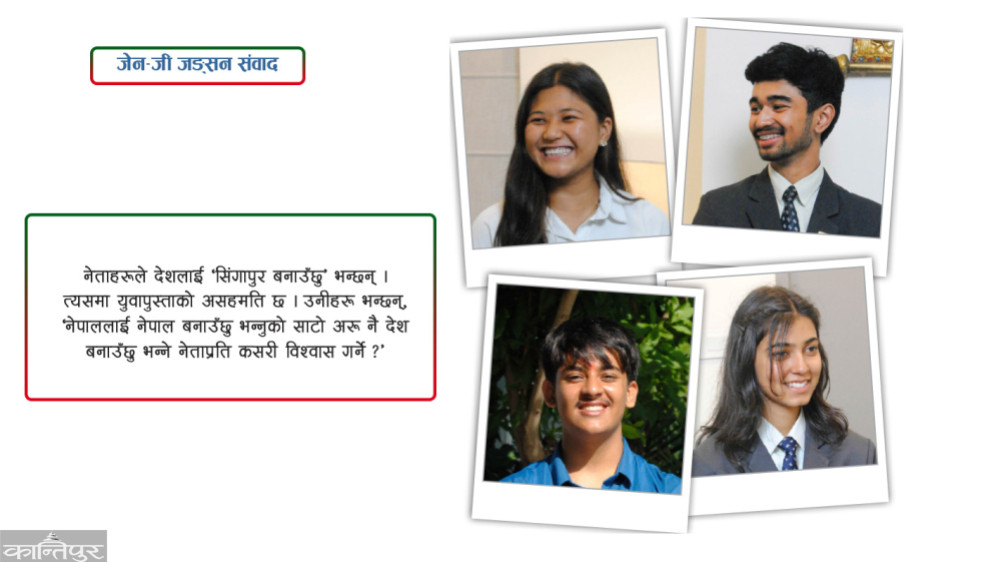
Leaders call the country 'Singapore'. The youth generation disagrees with that. They say, 'Instead of saying that he will make Nepal Nepal, how can we trust a leader who says he will make another country?'
We use Google Cloud Translation Services. Google requires we provide the following disclaimer relating to use of this service:
This service may contain translations powered by Google. Google disclaims all warranties related to the translations, expressed or implied, including any warranties of accuracy, reliability, and any implied warranties of merchantability, fitness for a particular purpose, and noninfringement.
What will happen in the future? A youth rarely answers 'I want to be a leader'. The latest generation is not as interested in becoming a leader or in politics as they are in foreign countries on student visas. They are saying, "There is nothing in the country". Why is the passion for their country decreasing among the youth who are called future captains? How do they understand politics? What do you think about the leader or the government?
Priyamsu Pudasaini, a student at the Global College of Management, says, "Instead of spending time with my parents at home, they talk about politics. So-and-so did this, so-and-so did. Actually, I have not understood what politics is.' 17-year-old Reason Bajgain is studying A Level at Xavier International. Even the region does not understand the politics of Nepal. He says, 'Our politics is not interesting. Today there is one government, tomorrow another. Leaders have no speech address. That's why our politics is not understood.
Prashant Luintel is a student of Global College of Management. 17-year-old Prashant, taking a dig at the unstable politics, says, "I like to call the politics of Nepal poor." A verse that occurs when you go to sleep at night does not happen when you wake up in the morning. Sneha Tamang, who is studying management in class 12, says, "We expected a lot in politics. But the leaders are fighting for personal interests. Rather than thinking about the people, they are worried about protecting the chair.'
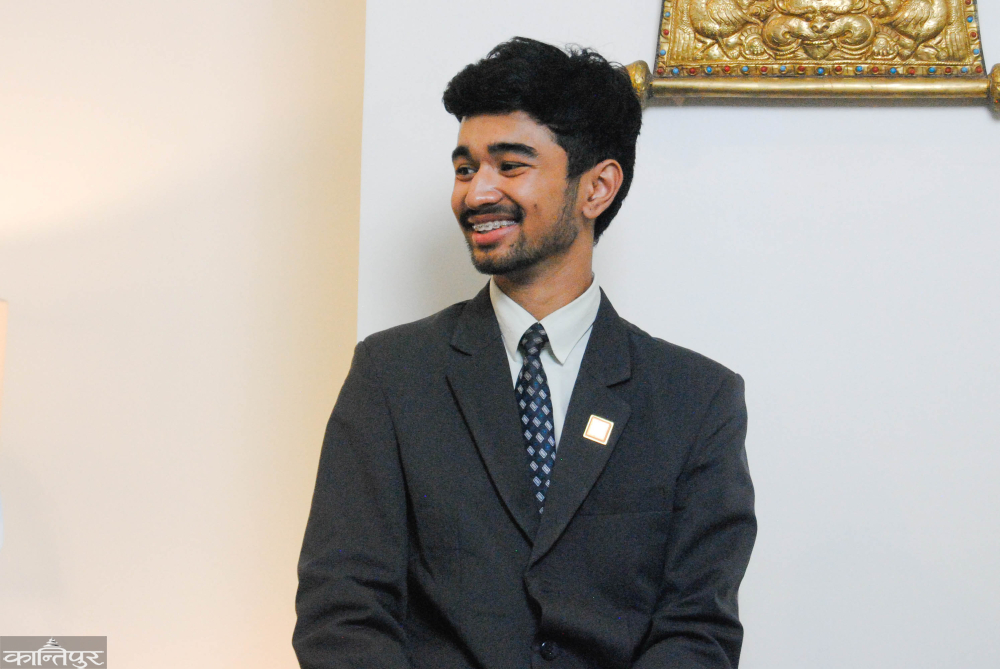 He believes that the leaders will continue to cultivate the lie that they will make the country 'Singapore'. She says, 'Listening to the speeches of the leaders makes us laugh, sometimes even anger. Instead of saying that they will make Nepal Nepal, they say that they will make other countries. He says, 'Politics is the policy that runs the state. It didn't have to be bad. However, the reason why we think politics is bad is because of the leaders.' He commented that the youth are indifferent to politics due to unstable government, increasing unrest, corruption, social insecurity etc.
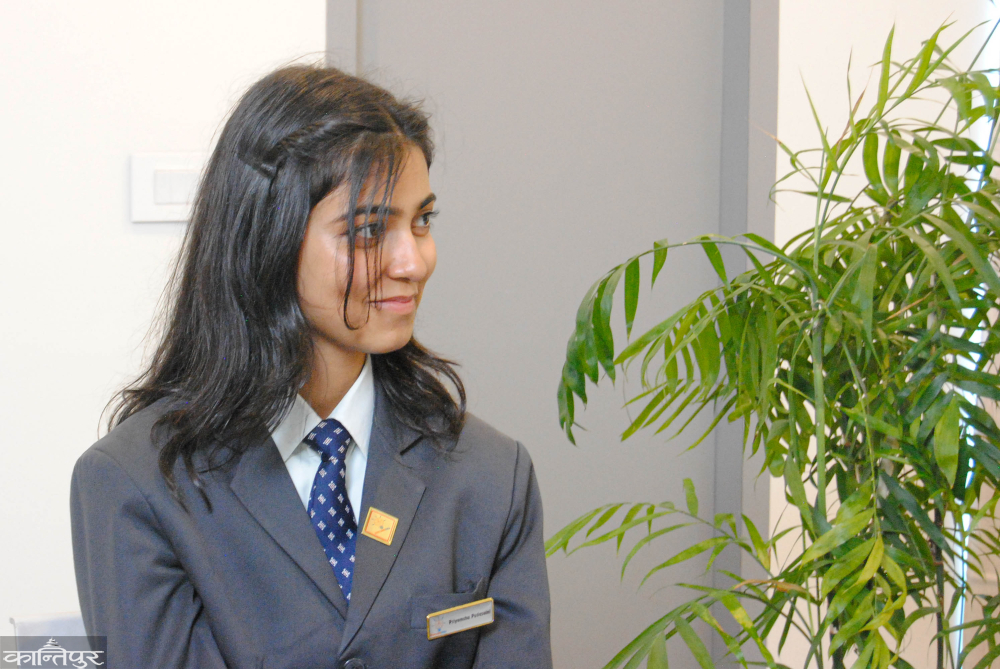 Priyamsu thinks that we have a fault with fate rather than policy. "Any leader says that he will develop the country, bring Nepal here," she says, "in fact, they have come to run their homes and earn money." She believes that our country is in a state of "legacy" because there are no leaders who are dedicated to the state and work with a clean heart. Politics is 'teamwork' like football. One person's effort alone is not enough, everyone's equally meaningful participation is necessary. However, their complaint is that instead of uniting to build the country, they colluded to destroy the country. Sneha says, "It is not possible to develop by just one person. All should match. They have agreed to meet, but they have agreed to fulfill their own interests.' He says that all leaders should not be evaluated by putting them in the same basket. Reason says, "Leaders like Balen Shah, Hark Sampang, Gopi Hamal are trying to do good work. They are also making changes as they say. However, MPs and leaders are only making speeches, they have not done any work. Ravi Lamichhane said he would talk a lot, but he didn't do anything.
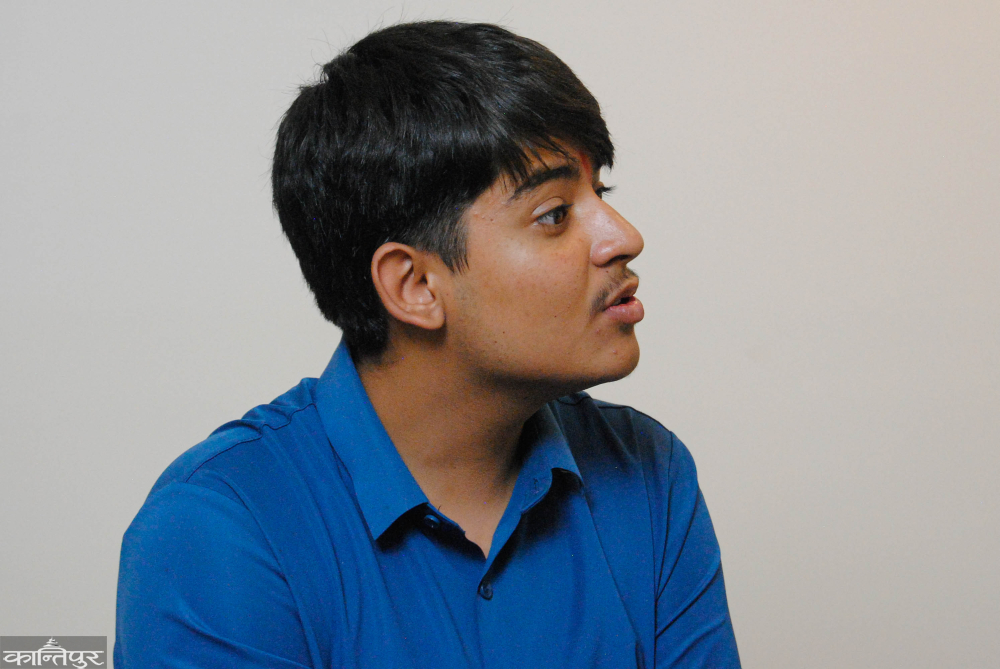 Priyamsu says that there is no progress in Nepal due to the fact that the same person will always become the leader, he will win votes, and the same minister will become the prime minister. She says, "The same person has become the prime minister four or five times. However, the result is nothing compared to what he has done for the country.'' In his understanding, he suggests that the new generation should intervene in politics. She says, "Because of the psychology that politics or leaders are bad, there is less interest in this field among the youth." But, there should be parents, neighbors, education system who understand politics properly and qualified youths should be attracted to politics.'
Sneha says, 'Everyone is not just a doctor, engineer, banker. Skilled politicians are needed to develop the country and make policies. That's why I am interested in politics. He believes that if the young people do an exemplary job by taking politics in the right way, the new generation will follow it.

What Prashant thinks is that there is a mistake in both policy and intention in Nepal's politics. To improve both of these, the youth should enter politics. But who is the youth? Prashant says, "We say that youth should come into politics. The age group of 16 to 40 years is called youth, but youth is thought and thought rather than age.'
He believes that even saying 'youth, youth' is an illusion. He asks, "Does age alone make you young?" Don't you need experience to do politics?' He believes that he cannot think or act alone in politics. "Because Nepal's parliament is focused on numbers," he says, "If there is a majority, then everything is over." If there is no majority, nothing can be done. He believes that work can only be done if there is a directly elected executive prime minister. He says, "Why Balen Shah is able to work, he is the only whole person. A mayor is like a one man.
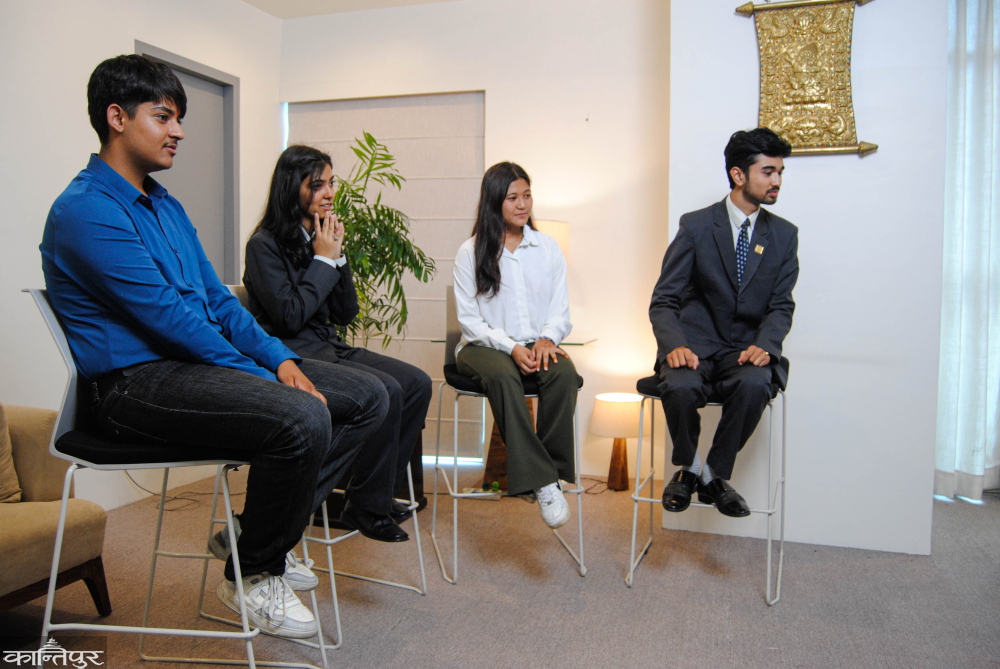 Reason thinks that coming into politics will make the bad things better. He says, 'I want to enter politics. I want to be a leader. The beginning is to be done alone. If I do well, everyone will follow me.'