Just like in Nepal, there are rappers of their own style and taste in different parts of the world, who set fire to the injustice and injustice of the society, and speak aggressively on political and social issues without any hesitation.
We use Google Cloud Translation Services. Google requires we provide the following disclaimer relating to use of this service:
This service may contain translations powered by Google. Google disclaims all warranties related to the translations, expressed or implied, including any warranties of accuracy, reliability, and any implied warranties of merchantability, fitness for a particular purpose, and noninfringement.
What happens with a slogan, with the support of that dreamWhat is left to say, Buddha is the witness?What blooms when the bud is crushed?Tears and blood are hidden in redness
In May 2023, the well-known American media, the New York Times, published a long 'profile story' of Balendra Shah, i.e. Balen, who turned from rapper to engineer to young mayor. He has a good gift of music in this miraculous political height. Balen, who raised his stature among the youth by presenting the above-mentioned direct and bold political questions in a lyrical style, gave that elevation a political color.
is still Balen's social media or public expression, his rap-style storytelling, punch lines and jargon. Despite being the head of a big metropolis in Nepal and gaining international fame, the rapper's swag is still visible in his lifestyle, style, mannerisms and presentation.
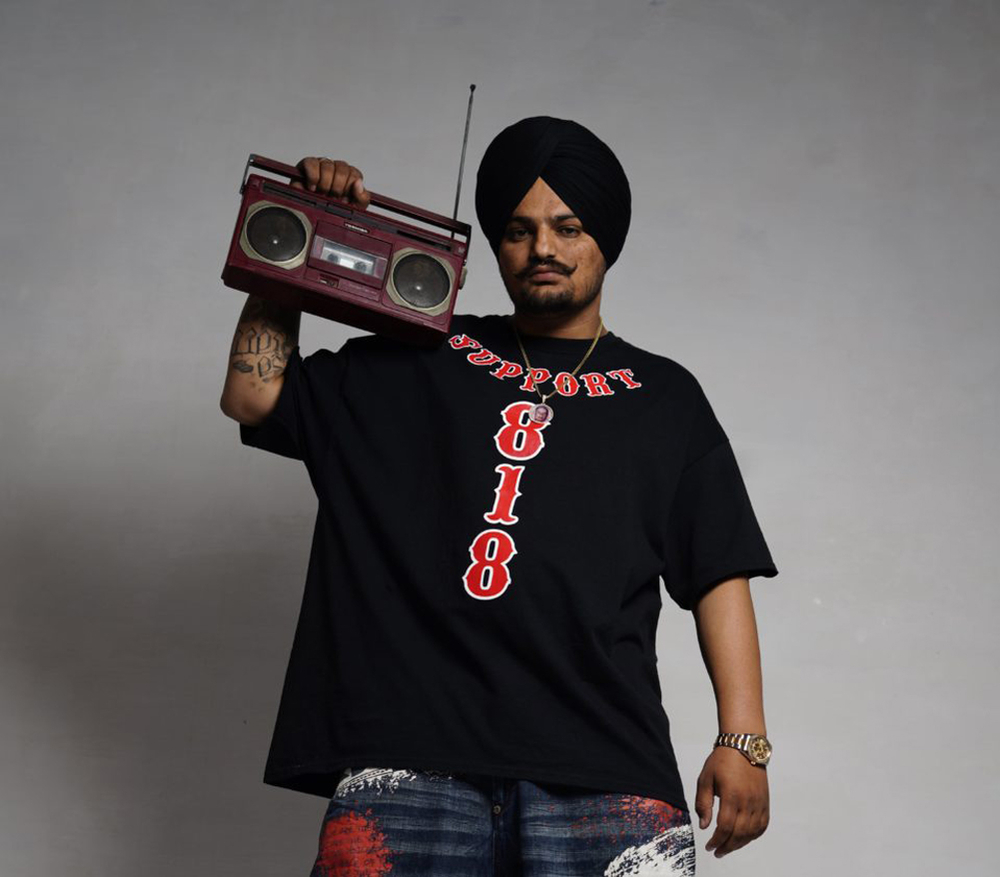
While these young rappers are making waves in Nepal's politics, it is not a new topic to have political debates and debates on the expression, style, performance and death of rappers. BBC has now published investigative news about the death of famous Indian rapper Shubdeep Singh Sidhu aka Sidhu Mosewala, who was shot by nearly 25 bullets near his home in Punjab in May 2022.
He contested on behalf of the Indian National Congress in the Punjab assembly elections in 2021. Goldie Brar, an Indian gangster living in Canada who is believed to be involved in Sidhu's murder, responded in a conversation with the BBC that the Punjabi rapper had to be killed because he used his political reach to help opposition gangs.
Stay away from you,
Stay away from Delhi,
Want to know about me from Risaha Punjabis,
Ask Raja Abdali
(taken from Mosewala's song 'Punjab')
Sidhu used to sing politically challenging songs as mentioned above, apart from simple Punjabi style songs about cars, alcohol or parties. He was also an active participant in the Kisan March organized by Punjabi farmers. He not only openly supported farmers' demands, but also supported farmers' movement through social media and public expression.
His songs became controversial and popular because of social issues, rural areas of Punjab and political questions. Sidhu, who has also collaborated with famous music personalities like Drake, Burna Boy, in his short life, started to get involved in politics and social issues.
Baba Sehgal is known as the first generation Indian rap singer. In the 90s, his songs gained a lot of buzz. Recently, rappers like South India's Raftaar, Punjab's Yo Yo Honey Singh and Badshah have made their identity through party songs, but they also sing and express themselves on socio-political issues. Similarly, Diljit Dosan, who has a good grasp of rap music even though he is not a complete rapper, has come into controversy with his open views on social and political issues.
Rappers seem to be more 'vocal' in their creations and personal lives than other genres of musicians or artists. It is the responsibility of rappers to constantly question power and authority!
The topic of rap music and political ideology or rappers directly connecting with politics is not new, but this genre was born in the 1970s as a socio-political movement. In New York's South Bronx, the rhythmic poetic style of presentation and storytelling began to be used as a way to express the ideas of backward and especially African-American citizens. Over time, it became a genre of music.
DJ Kul Hark, Grandmaster Five, Sugarhill Gang, Public Enemy along with Indian rapper Divine started making rap a tool for political expression and dissent with the state. Finally, rap has become a political theme in the vein of music.
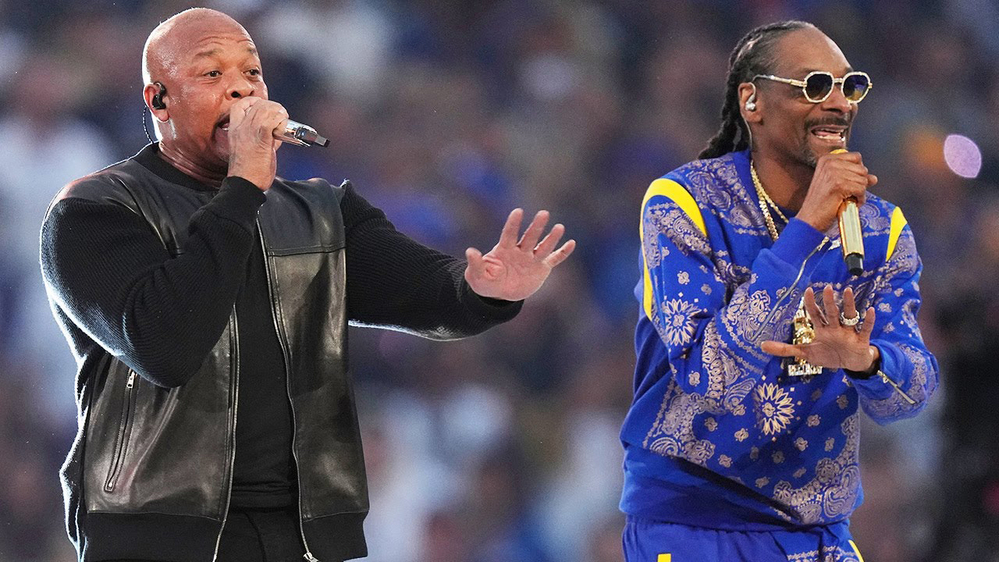
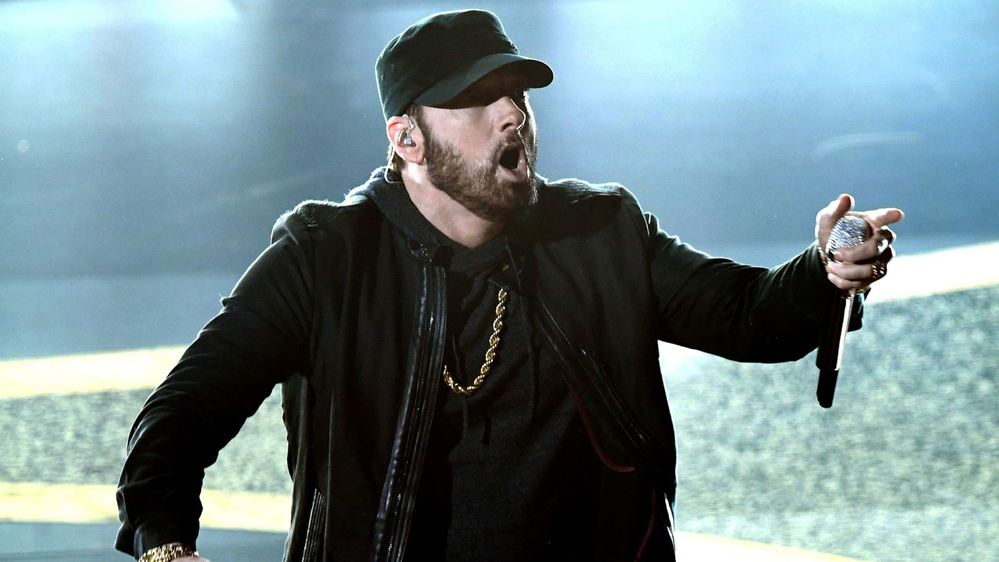
In the late 80s and throughout the 90s, rap music became increasingly political. Its influence also became extremely global. Artists like Tupac Sakor, Dr. Dre, Eminem made the rap music of the 90s very influential. The music of that era, called gangster rap, was mainly centered on the West Coast of America. At the beginning of the last century, artists like Eminem, along with Jay-G, the Outkasts, contributed significantly to the global marketization of rap. With the ease of streaming platforms, rap music has seen more growth and diversity.
Rappers ranging from Kanye West, Drake, Lil Wayne, Kendrick Lamar, Nicki Minaj, Doja Kat, J Cole and Travis Scott are now on the list of rich and billionaires. With the exception of a few, the constant political commentary by rap artists has become like a global campaign. Like in Nepal, rappers of their own style and taste have emerged in different parts of the world. They have been making politics the subject of songs along with various topics of society.
English-speaking rappers like Britain's Klasneckoff, France's MC Solar, Jamaica's Paris, Canada's Sly and the Family Stone, Britain's Loki and Little Simz have opened fire against the management. Artists like Ado Majka and Frankie from Bosnia and Herzegovina, Valet from Portugal, Def P from Netherlands, Obrafer and Sarkodie from Ghana, Noisey from Albania, El Ross from Lebanon have also contributed to the creation of rap music with social, commercial and political mix.
The ongoing atrocities against Palestinians,
The siege of Gaza and its residents,
Massacre of civilians, even bones
Unstoppable, daily atrocities
British rapper Loki's 2011 song titled 'Palestine Vitality' has countless lines that can still be politically controversial to sing. Opposing the new style of imperialism, Ghana's Sarkodie said in the song "Black Excellence", "He stole our gold, stole our diamonds, left us only misery." Rap lines such as 'They call us terrorists, but We are just trying to survive', and 'Church and temple fight, the poor suffer the same', in the song 'This is Nigeria' sung by Nigeria's Falz in 2018, reflecting Tamil sentiments in the song 'Warriors' sung by Sri Lankan MIA in 2007. Not only the
song, but also the work of rappers has caused both political messages and controversy. During the 2022 US Super Bowl concert, Eminem took a knee against the advice of organizers in support of the Black Lives Matter campaign.
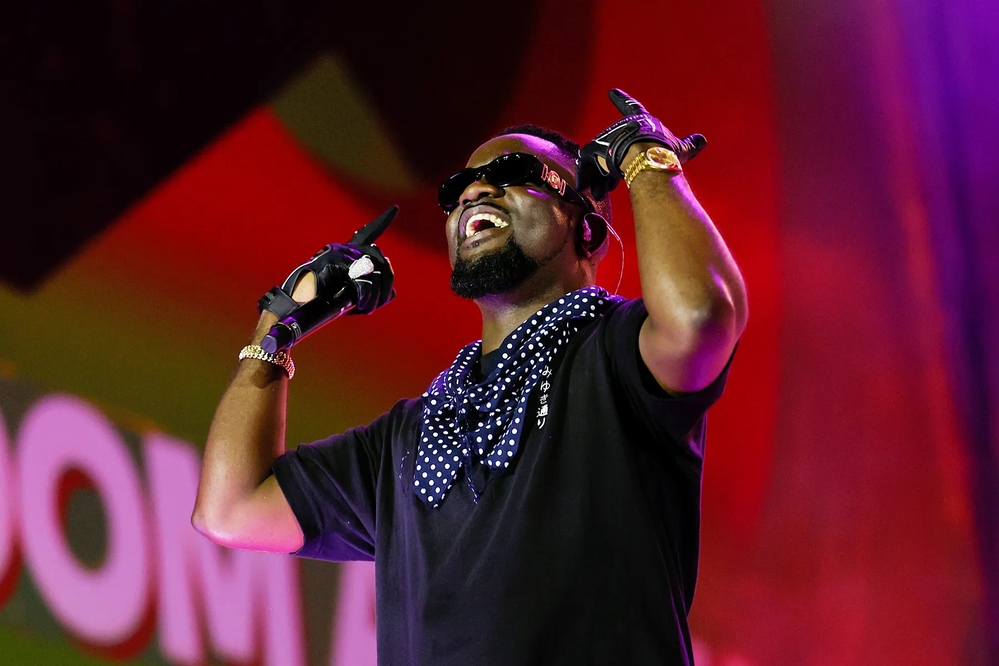
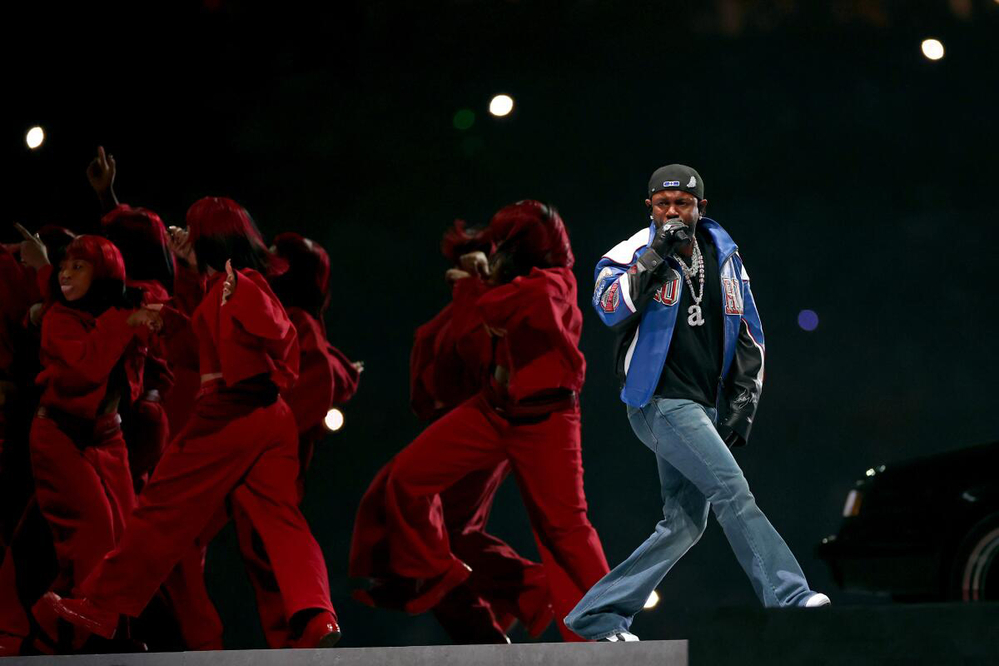
In 2005, Kanye West sang the song 'George Bush doesn't care about black people'. Kendrick Lamar openly spoke out against discrimination in front of US President Trump at his Superbowl concert. Whether it's MIA's middle-of-the-road performance at the 2012 Super Bowl, rappers have always seemed fearless and confident when it comes to making political statements.
In 2013, Lupe Fiasco, who sang 'Words I Never Said' at Barack Obama's swearing-in ceremony for the second time, started criticizing the then US president's war policy, drone attacks, etc., and was removed from the stage. Rapper Kanye West has been in constant controversy with his pro-Nazi and pro-Donald Trump messages along with his radical political and social commentary.
is not only a political message, but there are many examples of rappers who directly enter politics and become successful. Like Balen and Sidhu, rappers from different parts of the world have participated in the election. In 2010, rapper Wyclef Jean announced his candidacy for the presidency of Haiti with the song "If I Were President", but he was disqualified.
In 2020, rapper Sign was elected to parliament in the North American country of Belize. American rapper Scarface running for Houston City Council, Rhymefest running for Chicago, Dupre Kelly elected to Newark City Council, Bernie Sanders' 2016 presidential campaign
A celebrity Killer Mike, Quavo, a celebrity in Kamala Harris's 2023 presidential campaign, are some examples of rappers who have dabbled in active politics. To some extent, rapper Kanye West, who became the 2020 US presidential candidate by running a campaign called 'birthday party', also brought about 70,000 votes from 12 states. Since then, he has been a constant supporter of Donald Trump.
Likewise, Johran Kwame Mamdani, who was born in Kampala, the capital of Uganda, the African country, who is currently a candidate for the mayor of the superpower city of New York, is a fan of hip-hop. He has composed and produced rap music from the immigrant Muslim community in America. In 2016, under the moniker Yong Cardamom, he collaborated with Ugandan rapper Hab on a rap titled Siddha Mukyalo for 'No Going Back to the Village'.
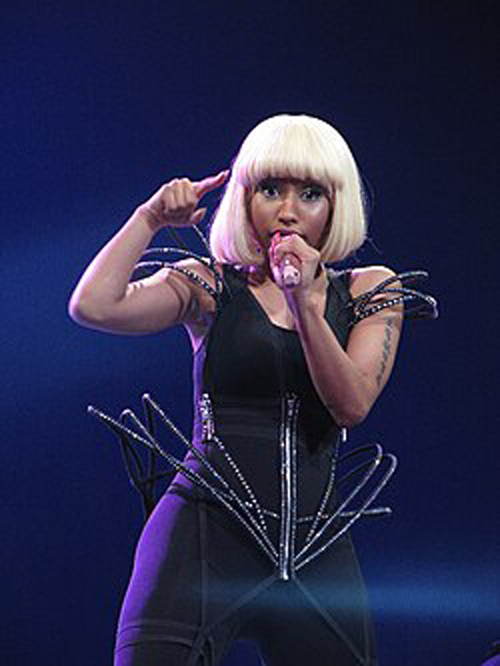
In 2019, he again released a single rap song titled 'Nani' under the moniker 'Mr Cardamom'. 'Cookbook' author and actress Madhur Jaffrey has even played Mamdani's grandmother in her 'Nani' rap music video. Mamdani curated the soundtrack for the 2016 film 'Queen of Katwe' by renowned Indian filmmaker Ama Meera Nair. From which he was also nominated for the 'Guild of Music Supervisors Award' in 2017. Rappers in
elections and direct politics have become active participants in social campaigns and movements in various parts of the world. Similar to Sidhu Mosewala reaching out to India's farmers movement, various popular rappers from America have been part of the 'Black Lives Matter' campaign since 2013. Rap artists like Killer Mike, J Cole, Lil Baby have joined this campaign. Canadian and Australian aboriginal rights marches have also accompanied rappers there. Rappers like Loki, M.I.A. have bravely participated in Palestinian solidarity campaigns.
While many may have their own opinions as to why rap music speaks more aggressively on political and social issues than others, its connoisseurs believe that it is due to the genre's natural, unassuming and underprivileged background. This genre is also useful for young people like Sidhu or Balen to hold rebellious views and promote views that are not very acceptable in other genres of music. From social commentary to political questions, satire, criticism and in some cases even profanity for any youth or adult with a tune and story of their own, the latest generation has been listening to more and more Kendrick Lamar.
continues to add to rap's vive, energy, slurs, profanity, viral beats and disaffected mediums. Girish, Nepal's first rapper, who tried to establish rap music in Nepal through raps such as "I am like this" and "We are very small", together with Pranil and DA Sixteen (Sudin), had already tasted the taste of political criticism to the generation listening to this genre of music a decade and a half ago:
No grass, no bass, no hope of cotton,
No work, no work, no shame when eating, There is no
path, no path, nothing anywhere,
There is no happiness, there is no peace, there is no peace,
I will vote for you, how can I vote for you?
If I were a leader...
There is a tradition of portraying social reality in rap all over the world and Nepal is not exempt from it, says Rapper Nijhan Shrestha 'NSK'. He said that the rap genre has been used as a medium to express what is going on in the society. Referring to the emergence of rap as the voice of the black community in America, he said that the rap genre also played a role in raising social issues in Nepal.
If he gets the role of a political leader, he says that he will focus on the implementation of peace, not just the slogan of prosperity. "Now leaders talk about prosperity, if I were there, I would have worked for peace," he says, "making every person happy would have been my main objective." Young rapper Sammy the Real G is also moving forward, embracing hip-hop's core spirit of free expression. We say, "We do not have the limit of the wrath and disperse, so we will not speak in the wrath and not to speak in the lamp. "If I had a leader or minister, I would have been the first priority to the woman," she said. "The leaders can make paper, cop, bags from the village, 'she says.
AMPER OMG SPARK had been a leader, if he had a leader, he said that he was initiated to take initiative for the upsticking of the music. "I worked on the case of copyright," he said. I would open good improvement centers. "He said it would work for the promotion of artists by establishing the Art Center on the land of the Government of Nepal. "But not all of this can do, 'he said in the end,' I will fulfill all these plans in the future. '