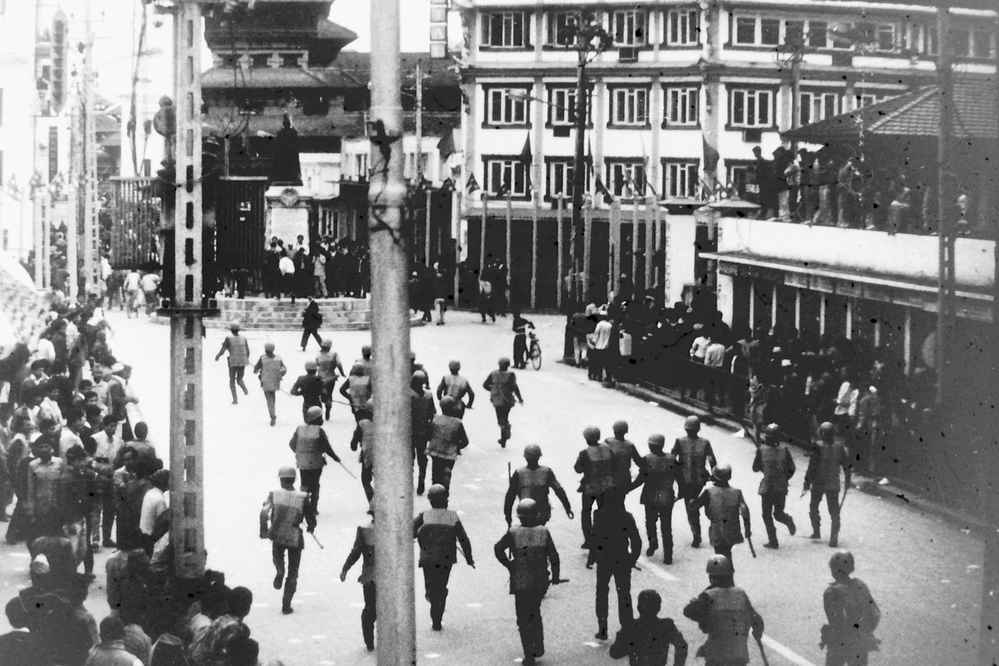
During the time of Padmasamsher, tea was brewed from house to house. Even when guests came, people would go to the shop, buy tea, tap a pot and bring it home. Around the year 2007, BP Koirala used to secretly visit Maila Sahu's shop in Dharahara to have tea. Even by the 1950s, going to a shop and having tea was considered 'new'.
We use Google Cloud Translation Services. Google requires we provide the following disclaimer relating to use of this service:
This service may contain translations powered by Google. Google disclaims all warranties related to the translations, expressed or implied, including any warranties of accuracy, reliability, and any implied warranties of merchantability, fitness for a particular purpose, and noninfringement.
The way of the world is change. However, not every change is beautiful or ugly. That is the final result of the path set by the initial direction of change. Like, Kathmandu is also changing, just like the capitals of the world are changing. But what is there and what is not in the changed Kathmandu?
Clearly, the changed Kathmandu does not have the buzzing Bagmati and its riparian civilization, the expansive green spaces surrounding the three ancient cities of the valley, and no – its vibrant life.
Kathmandu's dark-light streets and alleys are still there. Where are hidden - countless stories - legends, which were once an incessant part of a living world. They disappeared somewhere, just like the Kalkal water in Bagmati. The way it disappeared, the empty land surrounding 'Tripur' and the way it disappeared - the Raithane life here.
Some of them have not been seen, how many remain to be explored. Every city is made up of anonymous characters. And, how many characters' names are engraved on the foxes of the tall houses and palaces of the city and some are called as nameless characters.
In order to understand the civilization of Kathmandu that has changed after 2007, it is not the precious books of the library full of knowledge, but the cultural life of the 'core' Kathmandu, which will lead to the dobs of history.
Kathmandu's 'core' area (center or inner settlement) ie through Indrachok to Tahiti to Asanchok, Asan to Jhonche, Bhotahiti or Makhantol, Makhan to Teku! Let's take a look at the changes in the cultural landscape and lifestyle of Kathmandu 'Core' after the attainment of democracy in 2007. It is a 'memory museum' that goes back to Asan-Flashback Kathmandu-Lifestyle. The dark-colored stories of Asan-Galli lead to the commercial world of traders who roamed here in ancient times.
Looking at the glass-tiled tall houses, the sun is blinding. Even in the rainy season, the sky is crystal clear. Kamal Prakash Malla has written, 'Kathmandu's sky is not very hazy and boring. The landscape changes depending on the time of day and the direction of the sun. Peaks like gold, silver and rubies are seen bathing in the background.'
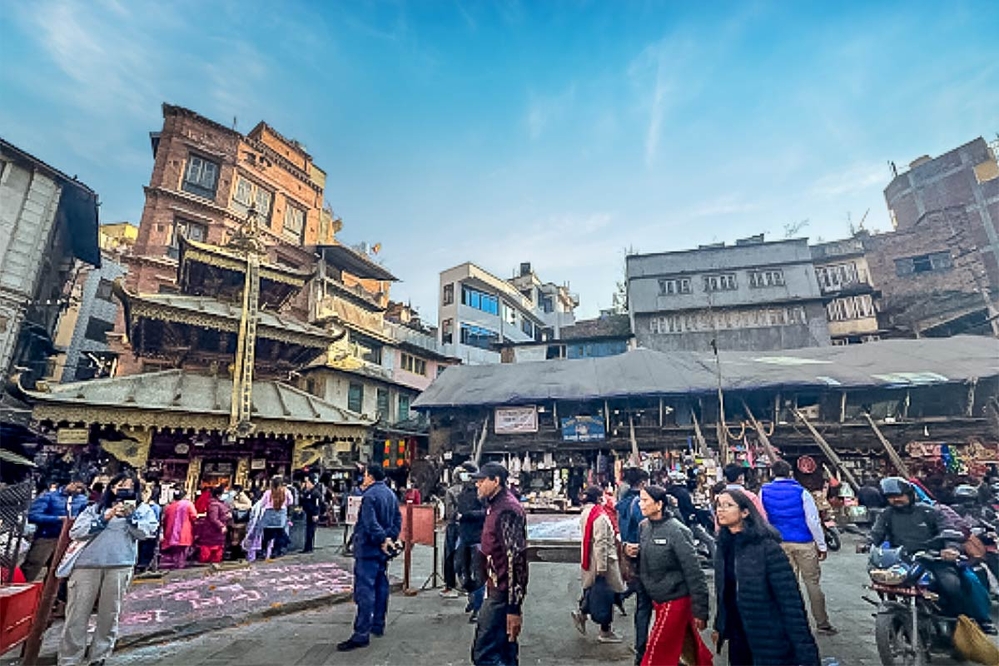
People's larks are stretched - in the seven nakas (Bangemudha, Indrachok, Mahabuddha, Bhotahiti, Jyatha, Kamalakshi, Tahiti) that pass through Asan. The open space before the much famous Asambhalu Azima (Annapurna Temple) is crowded at 12 noon. 'Crowd', 'Thelamthel' is standing as a giant image - Asan. For example: It is said to refer to a crowd - 'a crowd like a seat'.
There used to be wholesalers who brought rice, chickpeas and pulses from Thimitir with kharpan - they used to sell those goods here and used to go around Thimi with salt, oil and spices. At that time, the market price of Kathmandu was determined by Asan.
Asan is actually a primitive market, which can tell hundreds of years of urban Nepalese economic history. Asan is reciting stories of old people who come from far away to bargain with the dignity and splendor of the centuries-old market. Birendra Tuladhar's shop, one of the spice shops standing on the right side of the road leading to Keltol from this 'crowded' square of Asan, has seen the joys and sorrows of its customers for two hundred years, has read the fatigue on their faces, and has done something special with them.
At that time, the man had no money. It was just money. Customers used to buy goods worth one paisa, two paisa, five paisa. Money used to be a copper-brass cover. Around the year 2007, in the dilapidated houses that stood like piles of Asan, you could only buy raw meat, sometimes Khasi. Chicken meat was the most expensive, and the cheapest was chicken.
At that time, a furnace shop was run 'on top' or 'buingal' of the house, which was called 'suli'. Later, the copper shops started going down to the ground floor. There was local liquor, thwan (chyang) and some sitan. As the lead fell to the ground floor, the number of people entering the furnace also began to increase. Those same furnaces have now been 'upgraded' and turned into bar-restaurants.
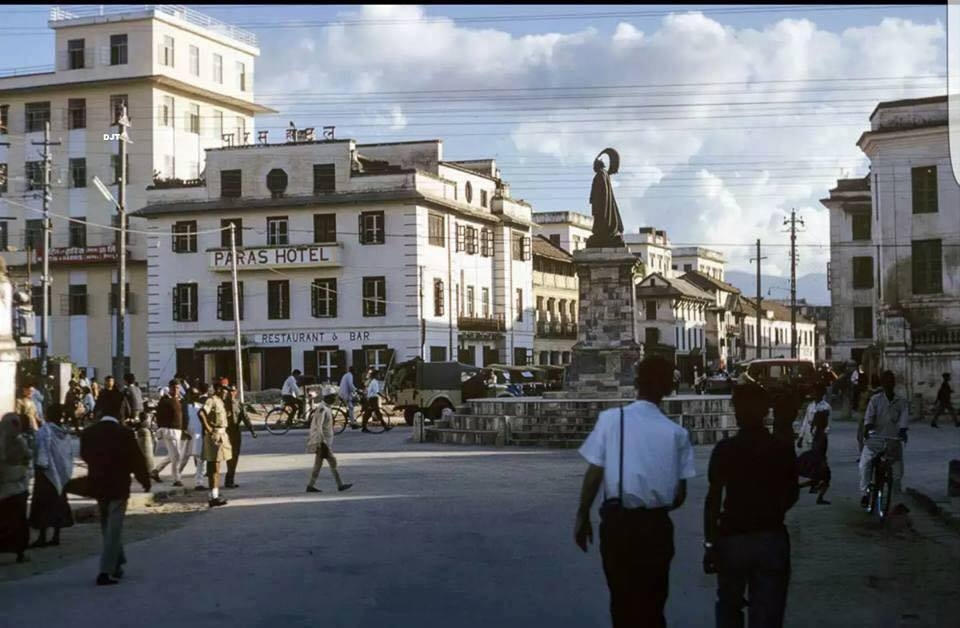
Until 2007, schools were banned in Kathmandu. Even though there was no open school, some education lovers gathered students at home and taught them reading and writing. That practice was widespread in Tol-Tol. Such kothe schools existed in Dhokbahal, Ganbahal, Indrachok, Bangemudha, Nhainkantala, Nhyokha tolls. After the People's Revolution of 2007 and the attainment of democracy, they came into existence under the names Kothe-School Prabhat Mavi, Shanti Shiksha, Nepal Adarsh, Vishwa-Niketan.
000
Rani Kanti Rajyalakshmi Devi Shah was brought to Nepal in the year 2005 for the treatment of Rajya Lakshmi Devi Shah in the royal court - therapist Erica Luketag. The landscape of Kathmandu captured in his eyes does not correspond to this concrete-Kathmandu. What was the image of Kathmandu painted in Erika's eyes?
On the way to Chandragiri Bhanjyang, beautiful butterflies used to dance on the grass. ...there were three rivers in the valley. At first the color of molten naoni and later turning dark blue in the sun-shaded areas, the river looked very attractive. There were three cities in the valley – linked together and shining in the sunlight like garlands of gold and rubies. I saw thatched roofs and the golden gajurs. ...crossed the way down from Thankot almost on foot. A vintage American car was parked for us....we headed towards Kathmandu through a rough stone road. ...The trees were like sentinels and in their shade the field was visible. We moved on through a small settlement that seemed to grow luxuriant vegetables on thick black soil....I engraved the valley in my mind through vision,' (Erica and the King) . The city of 'mani-manikya' described by Erica in 2005 has now become a pile of cement! The landscape of this city has completely changed.
Kamal Prakash Malla has a poignant essay, 'Kathmandaun Tuhi Kathmandu', where he reflects meaningfully on the changing landscape of this city, 'Many green spaces are becoming deserted, open spaces are being encroached upon. Kathmandu's material wealth is being destroyed. Even in the suburbs full of so-called smart buildings with bricks coated with cement and painted in various ugly colors, the magnificence of Kathmandu is invisible.'
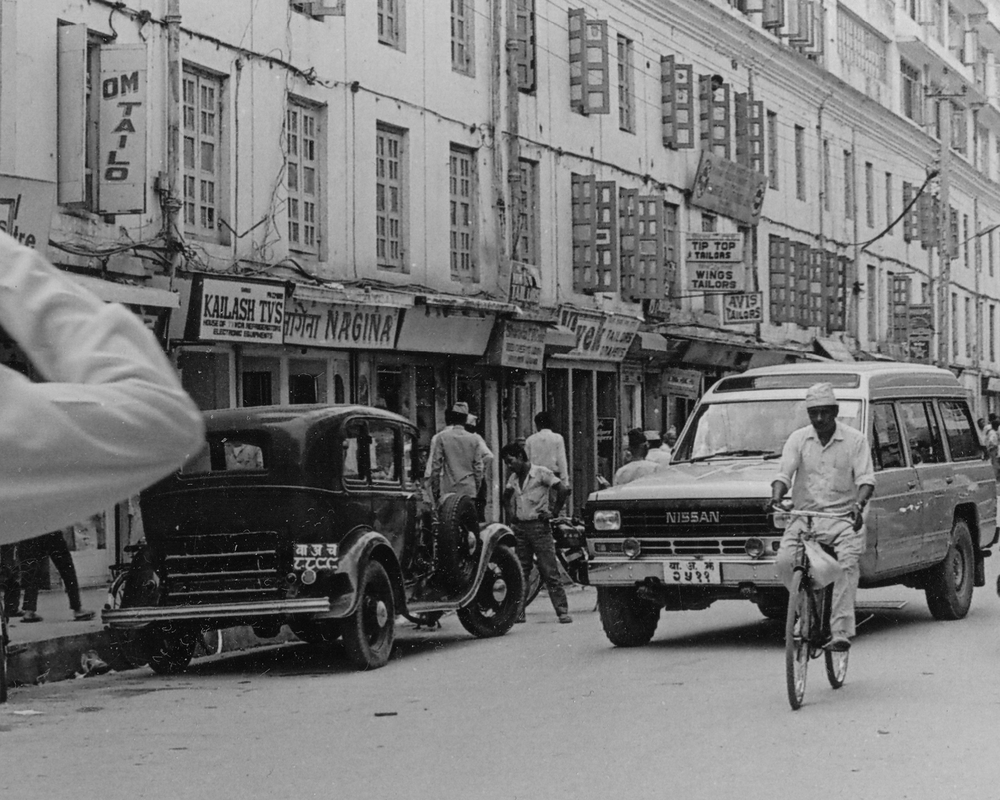
What has changed in the landscape of Kathmandu, that change-story seems like a strange story today. Today's urban areas are still 'out-of-town' by 2025-30. As in poet Shailendra Sakar's memory, Baneshwar or Koteshwar was not like 'Baneshwar', it was 'Koteshwar', it was a 'distant settlement' from Kathmandu. Sakar arrived in Kathmandu from Bhojpur in the middle of 2018 and stayed at Naxal Bhagwati Baaham. The first time I saw and ate the bread, I thought it was very tasty. He moved to Baneshwar around 2026. There was an army barrack in the place of the current parliament building, pigs used to walk on the road. Mud or dust or dirt was prevalent in Baneshwar. Baneshwar settlement was very small, where people in small huts did business of sewing clothes.'
In 1977, when the ring road construction started, Sakar is also a witness. A ring road was built outside 'Kathmandu'. "Until that time, all that was visible in Kathmandu was a sprawling green field," Sakar says. Sakar used to walk from Baneshwar to New Road. He also had a little association with the hippies, who called themselves the 'flower-children'. "I also smoked marijuana with them sometimes," says Sakar, "Hippies were scattered towards Vasantpur Chowk or Maru Ganesh or Swayambhu Hill." On the way from Kamalakshi to Asan, there is a bicycle shop at the corner of the Kunai toll turn - 'Panchnarayan/Ashtanarayan'! This bicycle shop in Kamalakshi is a witness of the change in the cultural life of 'Core' Kathmandu.
The primitive story of this shop tells the story of Kathmandu's roads, traffic and vehicles. Rana period society, the open Nepali society after democracy in 2007 and the life-rhythm or lifestyle of the people at that time. This bicycle shop is a witness to the barbaric days of the Rana era and the light of the democratic movement, which tells the mysterious and talismanic life-story of its time with the ringing of bicycle bells.
This cycle-story can be a living history of the changes coming in the society of Kathmandu, which is not only a story of the old times of the people, but also a living document of the urban veins and arteries.
The life of this shop is made up of light, dark, tension, happiness-sadness - just like a person. How was the life of 'Ashtanarayan' and 'Ashtanarayan' who roamed the city late at night on the streets with the thin light of bicycle-dynamos buried in the pages of history? Shopkeeper's memory says.
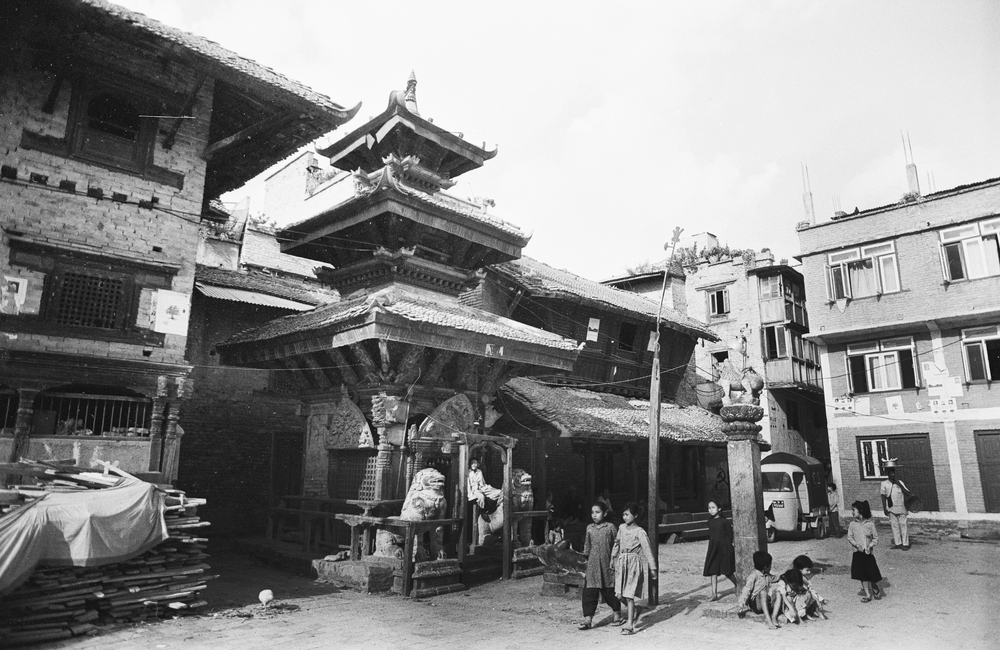
Astnarayan Manandhar, the son of a local Panchnarayan, opened the 'Panchnarayan/Ashtanarayan' bicycle shop. According to culture scholar Suresh Kiran, this is Nepal's first bicycle shop. Thirek Manandhar is running this cycle shop via Ashtanarayan – Tirthanarayan – Triratna.
Kathmandu had never dreamed of a motor, when kings and maharajas rode in buggies pulled by four horses. The vehicle was either an elephant or a buggy, which was used only by the nobility. There were no motor roads in Kathmandu. The story of one or two motorcars carrying a porter and entering Kathmandu from Chandragiri mountain pass through Bhimfedi was famous at that time. It was said about the motor - a buggy that does not need a horse!
This is the time of 1960s, when Sokhin Ranas used to fulfill their hobby by bringing one or two bicycles from India. Diss. Around 1985, Ashtanarayan went to Calcutta to do business with his eyes full of dreams, he came with half a dozen bicycles. And, he ran a bicycle shop at his home in Kamalakshi. They were bicycles - from the British company Hercules. Ashtanarayan bought the bicycle from Hasabi & Company, a Muslim shop. The bicycle was brought from Raxaul to Amlekhganj through Nepal Railway. From there to Lahiri by buffalo, from buffalo to Dhorsing ropeway, from ropeway to Kathmandu Teku customs!
Hercules bicycle used to sell for 100 rupees, Raleigh for 90 rupees. Gradually Kamalakshi village became a bicycle-market. Tirthanarayan Manandhar has written that old cycle-story in his book 'Kathmandu : Then and Now'. This bicycle shop tells a unique and intimate part of the past that Nepali society has lived through. This shop can also be considered as the first chapter of Nepali transport-culture. What was the sadness of Kathmandu Valley, wherever you had to go, you had to walk, Kathmandu-Patan, Patan-Bhaktapur! After 2007, proper access and transportation facilities expanded at a fast pace. Distance is no longer 'far'.
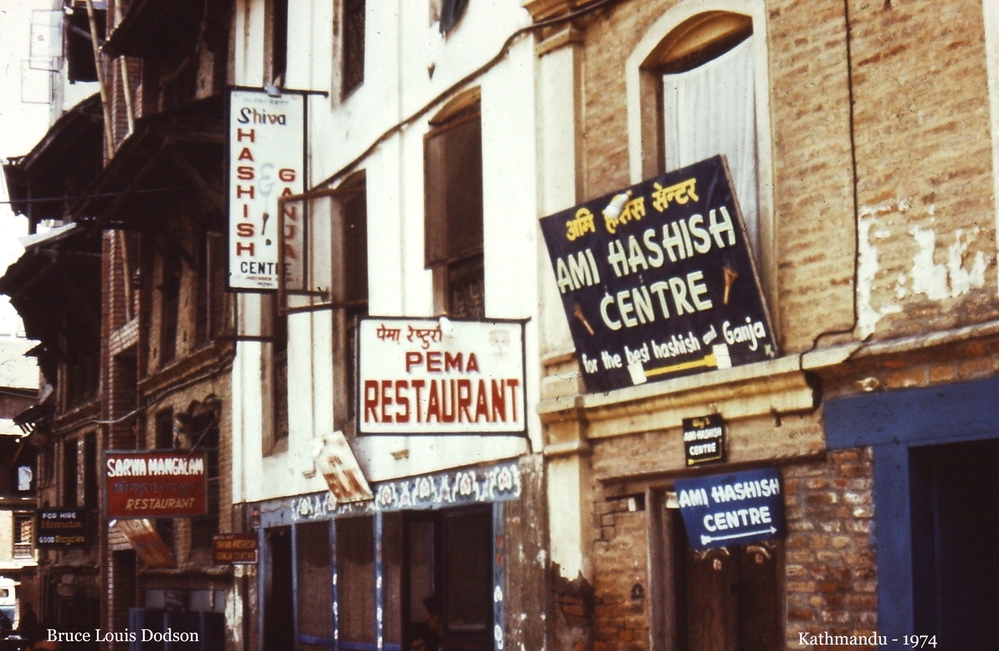
Connecting Kathmandu through the Tribhuvan Rajpath in the 1950s was a milestone for 'modern' Kathmandu. After that, there was no need to enter Kathmandu through Bhimfedi road, "living" like Ashtanarayan. The distance with Madhes and other parts of Nepal or with the world decreased.
After that, the social and cultural changes and development in Kathmandu gained momentum. The pace of Kathmandu being 'modernized' also increased,' says Pravas Gautam, a social history researcher who is studying/researching Kathmandu.
000
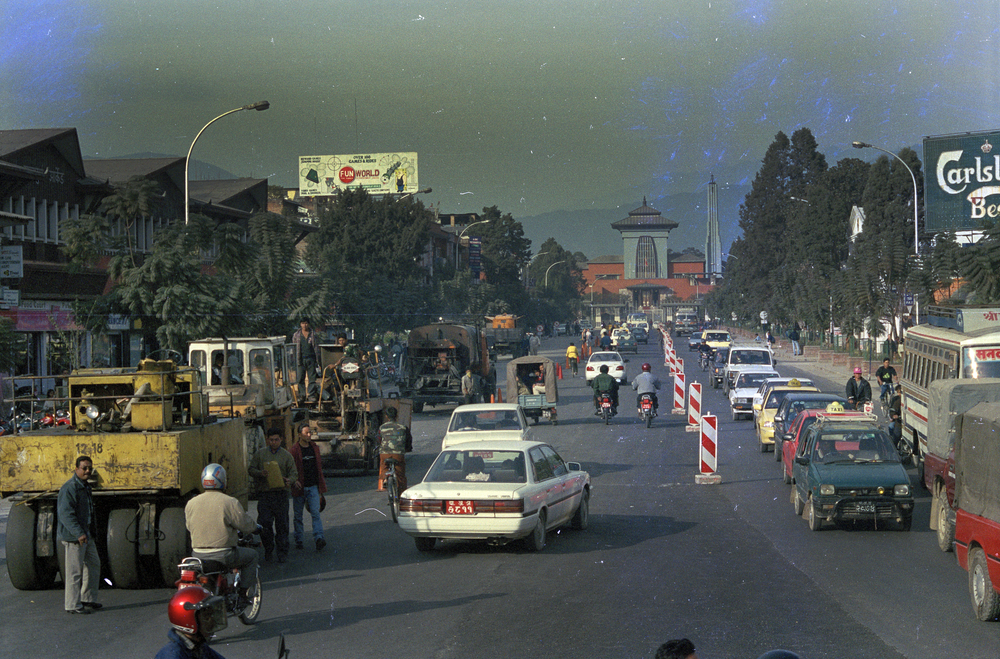
After the democratization of 2007 to 2082, Kathmandu saw many changes in these 75 years - politically, economically, socially. People are moving into a new labor market and urban life. Kathmandu has always been the center, where people have been filled with dreams from afar. He created a new culture of the city. People are engrossed in Kathmandu to do it themselves, to own new products. People are involved in a tough struggle within the veins of the city to make a living.
Kamal Prakash Malla has called Kathmandu 'an anomalous city', 'The anomaly of the capital Kathmandu is both physical and metaphysical. On the one hand, there is a beautiful natural landscape here, on the other hand, the ugliness caused by human habitation.'
How did this city become 'anomaly'? What has changed specifically in this 'narrow bowl' i.e. Kathmandu Valley created by the revolution? What were the changes in our community's lifestyle, lifestyle, and means of entertainment?
The end of the Second World War, decolonization and globalization are considered to be major signs of the city's change. It is probably after 1997 in the city that uncontrolled urbanization started.
According to researcher Pravas Gautam, due to the impact of global events, not only political, but also social and cultural changes began to appear in Kathmandu in the 1940s. The signs of change that began in that decade exploded in the 1950s and 1960s. Like tea shops, public circles like restaurants, cinema culture, etc.'' Pravas says, 'The number of public places like tea shops and restaurants in Kathmandu gradually increased in the 1950s, 1960s, 1970s and became widespread from the 1980s and 1990s.' It was a beautiful culture of the city that started gossiping in tea shops or hotels, which also created a public circle.
In order to create that wide public circle that stirs consciousness, Lupton's Hotel in Dillibazar has a very important quality, where the Padmakanya Girls' School was already established. The old name of Dillibazar is Maghdol. The name 'Dillibazar' came from the name of Colonel Dilli Bahadur Basnet.
Lupton's Hotel in Dillibazar Ohralo was opened around 2004, where Mahakavi Lakshmi Prasad Devkot was in the company of Janakalal Sharma, Shyamdas Vaishnav, Hridayraj Sharma, Mohan Koirala, Shankar Lamichhaneru. The owner of that hotel was - Laptan Krishna Bahadur Khatri Chhetri. After retiring from the army, he opened the hotel. The name of the hotel was named by Devkota - Lupton's Hotel.
'I used to eat tea with Devkota, tea was available for five paise,' says Arbind Rimal (92), a writer from Dillibazar, 'People from Praja Parishad and Progressive Studies Circle used to come there to have tea and lunch. People from the Jayanthu Sanskritam movement of 2004 also used to come. Rahul Sankrityayan, Tank Prasad Acharya, Hrishikesh Shah, Dilliraman Regmi, Kirtinidhi Bista, Yadav Prasad Pant have taken milk tea from that hotel. It was a time of glory. Mahendra Shah had given an order saying, 'Don't go there to have tea.'
The author of the book 'Dillibazar's Lapton's Hotel', Aurobindo- Smriti's house was in Dillibazar. Around 2007, men were walking in half pants, folding pants or kameez-suruwal. Women were often in sarees. In those days when there was no motorcycle, women used to call Tamdan if they wanted to go somewhere.
Another tea shop was near Dharahar. People used to say, 'Let's go for tea at Maila Sahu's shop in Dharahara.' Around the year 2007, BP Koirala used to secretly go there to have tea. During the time of Padmasamsher, tea was brewed sporadically from house to house. Even when guests came, people would go to the shop, buy tea, tap a pot and bring it home. Even by the 1950s, going to a shop and having tea was considered 'too new'.
is like the tea of Kathmandu – the pace and rhythm of cinema culture too. Since the 1950s, the construction of Ashok cinema halls in Ranjana, Vishwajyoti and Patan in Kathmandu gained momentum. Bollywood became the 'mainstream' of Kathmandu. Bollywood stars, Hindi songs became the talk of the town. As far as the Bollywood-craze was concerned, the thitas of Kathmandu started reaching Roxas by truck to watch Dharmendra's movies, which were banned in Kathmandu.
Around 2040, Makhantol was famous or infamous for its video film. Suresh Kiran had a great affection for this street video film. There were about 200 video screens in the 100 meter long street of Makhantol, where new Bollywood films were shown. Every floor of every house was like a cinema hall, where 30 to 50 people would watch the movie,' says Suresh.
Pravas Gautam's understanding of casteism and untouchability also started to change slowly after 2007. In tea shops, it used to be more important than someone's caste whether a person has the ability to buy tea or not. Thus the so-called big caste and the so-called small caste used to drink tea in the same tea shop. Such issues gradually challenged the untouchability caused by casteism,” says Prabas. And, in this way, there was a change in the long series of social history of Kathmandu.
000
'Core' Kathmandu's cultural transformation has a different color, a colorful flashback. This story of Jhonche, a very famous wet street, takes us to the narrow streets of smoky Kathmandu. After King Mahendra Shah's "Ku" From 2017 to 2027-2030, the street gained international fame, when hippies made it their favorite haunt. On the world map, this street was named - Freak Street.
Bhupi Sherchan, who called the bowl-shaped Kathmandu a 'Chill Estre', wrote a poem about hippies and freak streets -
In the embrace of Hippykumar who was engrossed in 'trip'
Half-naked Pitambar saree-blouse
Flower baby hippie Maiyan walks on the new road
To all eyes on the new road
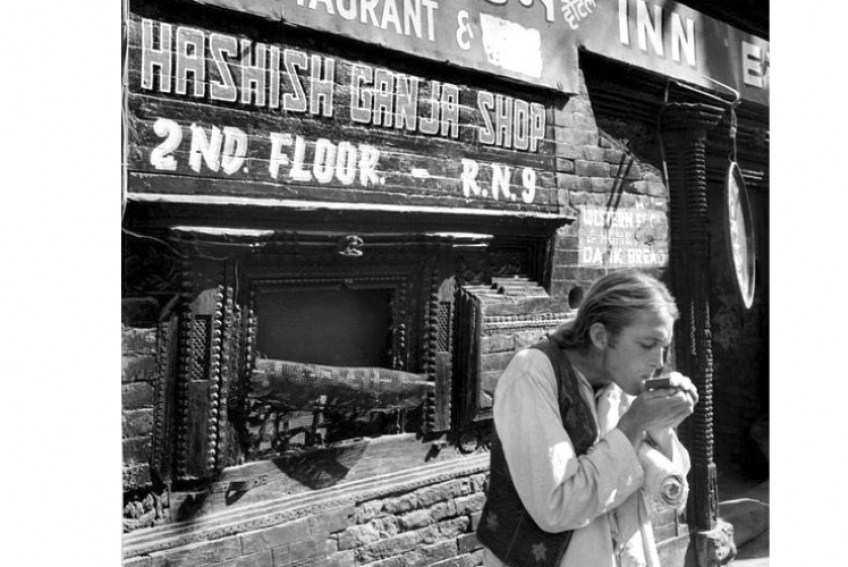
Hippies would walk around the city in dirty rags, often found smoking weed, sleeping in the streets they liked, their hair tied to Pashupati and hanging like a stick monk. She was in favor of 'free life'. He used to spend the night singing hymns - Hare Shiva, Hare Shiva..! For tourists, Kathmandu was a mythical city – peaceful compared to the Western world. Mark Lickty writes, 'The name hippie was given by the Nepalese. How could they be hippies for themselves? ....They used to rejoice and be happy in anything. That's why it became a hippie instead of saying 'happy happy' (In the days of hippies: Nepalese understanding of tourists in the 1960s and 1970s).
Those western youths who entered Nepal saying 'not war, believe in love' used to sing songs of peace. There was a stick in the marijuana he smoked - Freak Street.
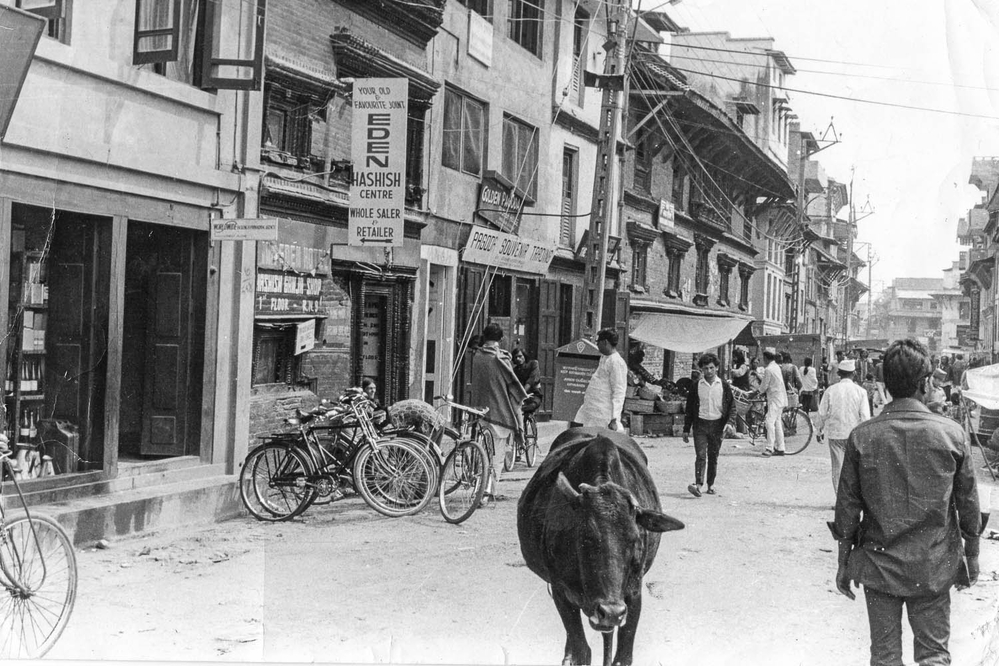
Swayambhu – As the sun sets on the hills, the hippies are engrossed in guitar tunes, ganja and hashish. At that time, the signboard that read 'Hashish is found here' was the 'San' of Kathmandu.
It was because of hippies that 'Western music' spread in Kathmandu. The hippies used to sell the goods they brought to Kathmandu in Basantpur to 'avoid expenses' - jeans, cassette-recorder.... The hippies who came from Europe to Kathmandu through the 'Hippy-Trail' often sold the cars after their stay. In this way, many vehicles bought by Kathmandu residents used to run from Bhaktapur to Kathmandu as public transport. Perhaps even today, some of the vehicles running from Bhaktapur to Baghbazar are from the hippie era,' says Pravas.
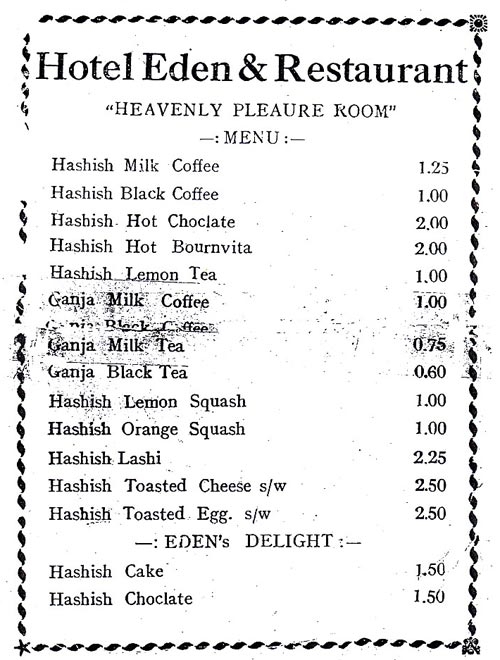
'Hotel Eden' opened in Ombahal has become a hashish-wholesaler. Hashish tea and coffee were available at the Eden restaurant. Smack, brown sugar also entered. And...after that? The 'junkies' started getting caught. Hippies gradually disappeared from 'Freak Street'.
Bollywood actor Dev Anand made a film 'Hare Rama, Hare Krishna' about the life and different world of hippies, some parts of which were shot in 'Freak Street'. "Freak Street" is becoming more colorful in the fascination of that decade of smoky splendor.
At that time, there was a special enthusiasm and desire to 'associate with the youth who came from outside with an open mind' - with Professor Abhi Subedi. Hippies were free, anarchic and pacifists, with a deep sense of humanity. Music was his addiction, books his friend. Our beloved professor associated with that western youth. "Sangat has affected me a lot, brother," said Abhi Sir while drinking an Americano single shot at Himalayan Java in Thamel, near Frick Street, recalling the hippies who had gone far and wide and their nostalgia, "Sangat with hippies was literature itself." I discussed the poem with them. I read the book they brought.'
Without telling the black-and-white story of 'Neurod' (old name Pako Pukhudyan), the story of Kathmandu's transformation will be incomplete. When there were no bicycles, there was a motorcycle rental shop in New Road. The press of Nepal's first newspaper 'Gorkhapatra' was in New Road, the office of National Dialogue Committee (today National News Committee) was also located here.
New Roads were built, but New Road remained the 'New Road'. The poets-writers who gathered here in the People Boat wrote many poems and stories of Jagran, where there was discussion for hours on politics and socio-economic issues. After the democracy of 2007 until 2082, the 'core' of Kathmandu - the real witness of change - New Road, from which the special picture and character of our society can be seen.
The story of Khadga hit by Manjushree in Chobhar has been 'revisited' many times by the city, but people boat and the closed Indira restaurant are 'ignorant' about the boot polishers.
After 2007, Kathmandu-Lifestyle has added temples, Bihar, Pati-Pauwa, residences along with shops and streets- malls, multiplex cinema-houses, lounges, night-clubs..... Food – Pizza, burgers along with bara have entered the menu of the chapter. Added glamor – from coffee houses to tea shops.
has now changed drastically - the cultural 'landscape' of 'core' Kathmandu! People changed Kathmandu or Kathmandu changed people ?