Smriti Harijan, the first woman medical doctor from the Chamar community, shared her story of struggle and success and narrated an inspiring experience.
We use Google Cloud Translation Services. Google requires we provide the following disclaimer relating to use of this service:
This service may contain translations powered by Google. Google disclaims all warranties related to the translations, expressed or implied, including any warranties of accuracy, reliability, and any implied warranties of merchantability, fitness for a particular purpose, and noninfringement.
On the occasion of the International Youth Day, a Diversity Carnival was held in Kathmandu, interacting and discussing with the youth about their dreams and future paths.
Dalit Lives Matter Global Alliance organized various sessions of the program on Monday to celebrate diversity with dialogue, training and musical performances among the youth. In the
festival, the first female medical doctor of the Chamar community, Dr. Smriti Harijan shared her experience as the keynote speaker. In the interactive sessions, Nepali football team captain Angela Tumbappo Subba, actor Nazir Hussain, Mahendra Pandey, who is working as a leader of immigrants, Sunil Kumar Paswan, Deputy Secretary to the Government of Nepal from the Musahar community, and Meena Joshi, a queer who cannot speak or hear, interacted with Pradeep Pariyar with the help of an interpreter.
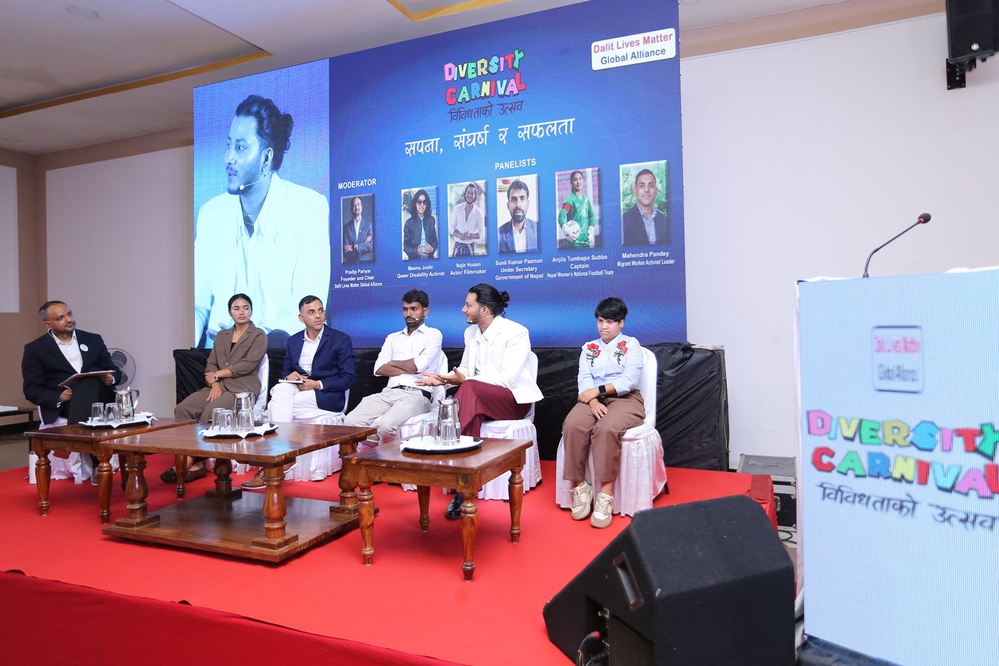
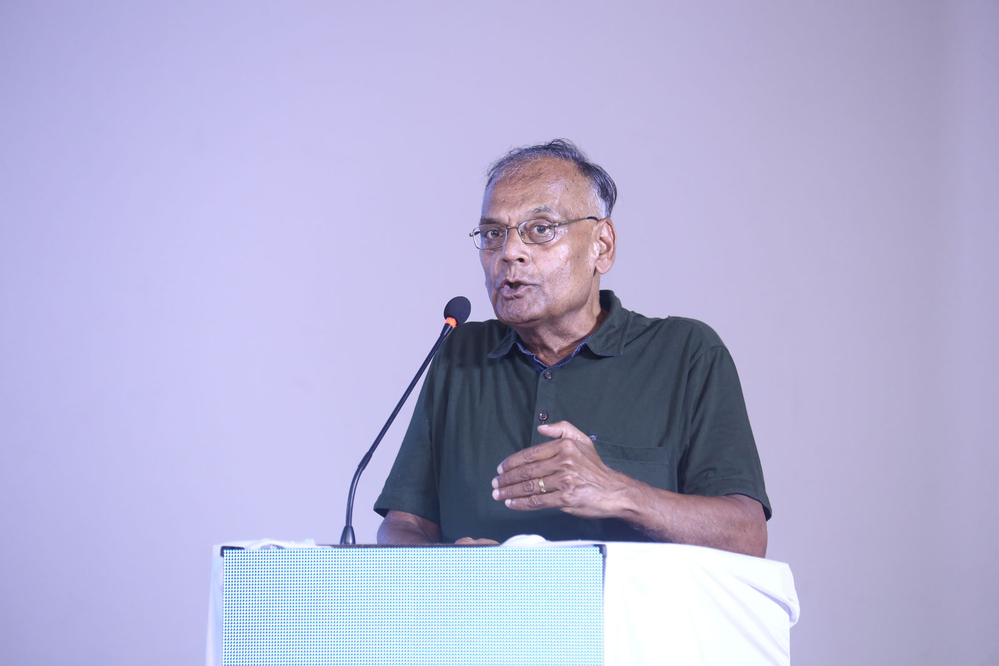
Born in a community of sewer cleaners in India, through the sanitation workers' movement, the winner of the 'Roman Magassay' award Valson Bejwada and writer CK Lal expressed their feelings and thoughts on the caste system .
dr. Harijan said she was passionate about becoming a doctor from the Chamar community. "Among all the questions like why should I study as a daughter, marry a good boy after learning to work, I became a doctor because of my father's sadness and inspiration," she said. She mentioned that her grandfather and father had reached here by selling the land and educating themselves in the hot smoke of bricks.
She said, 'Looking at the economic situation, it was a statement to read, the discrimination of the society was the same . But, due to my father's constant motivation, it became my habit to study.' She said that her dreams of studying science and studying MBBS have come true even after eating separately.
"It was not so easy to come to Kathmandu to study, but because of the provision of MBBS scholarships by the University Grants Commission to the Chamar, Dom, Musahar communities, my dream and my father came true", she said, "Baba had to sell the land to buy the hostel fee and books." I wear a white coat now . For me, that is not only a doctor's title, but also an honor for the entire community . But, even now, the society takes it as a joke and has to suffer contempt.'' While he was speaking, his father, who was sitting in the audience gallery, was wiping his tears.
dr. After Harijan's 'Key Note Speech', President of Dalit Lives Matter Pradeep Pariyar spoke on 'Dream Struggle and Success'. Speaking in dialogue, artist Nazir Hussain said that it is beyond imagination for a person who grew up near the river of Madhesh to reach here.
He told the bitter truth that he was rejected many times in the film because of the Madhesi language and that he adopted many measures to make himself fair for everyone's acceptance. Growing up in a family with a Hindu mother and a Muslim father, I got to practice multiculturalism. I had a passion for Sufis, art and creation from a young age, he said, but even though I was rejected in the film, the books inspired me to stand strong despite that.'
He also claims that he has broken the tradition of Nepali films where Madhesh is seen as comedy, goon and Panipuri. "When I was watching TV in the village, I used to dream that one day I would be dancing inside this TV." Now my aim is to do something known in the world", he says.
Suggesting to never let the enthusiasm and passion inside him die, he mentioned that he can move forward only if those dreams are fading away. "People from Madhesh are also able to love, they are not only angry, they are not only black but also fair, they also speak Nepali and English . Don't look at it from the same point of view as a bridle horse", said Nazir at the end.
The captain of the national fullball team, Angela Tumbapo, said that she learned football by playing with her brothers and had to face pressure from the society and family when she played among the boys. Looki-looki also said that she used to play football and mentioned that she has reached this point only through hard work.
Now she said that her dream is to win a gold medal for Nepal and the Nepali women's football team is very close to that. Remembering the day of the struggle, Angela said, "We have come together very closely". Mummy and daddy separated when she was five years old. You don't get anywhere without struggle, I worked hard with the help of my mother.'
Although she was an ordinary player yesterday, she also admitted that she has a sense of responsibility as the whole country is connected with her. "Recently, I came back from playing in the A division leagues in Greece, it was a very big achievement in my life." Now we have a dream to play the World Cup. Maybe that wish will be fulfilled soon', he was confident.
Deputy Secretary Sunil Kumar Paswan said that he came to the civil service as a teacher and after that many people from his community entered the civil service. Mentioning that he topped mathematics by studying government school, he mentioned that government and boarding did not have much effect on studies. "I openly nominated my name in the Teachers Service Commission, that too number one, because I suffered in the administration of my community, I openly nominated my name in the civil service as well", he added, "After the arrival of young people like us, now there is a movement in the government service . What the state envisioned is now being seen in reality . Caste does not come from birth, it comes from society. We don't have to become anything too big, it's enough to be human. We came from animals to become human beings, we are in the middle.'
Mahendra Pandey, who was born in an ordinary family in Palpa as a migrant worker and became the leader of the world's immigrants, mentioned that the sufferings he saw while working in Saudi gave him the inspiration to fight for the rights of workers.
Renvo Disability Nepal's Vice President Mina Joshilo, who is deaf and unable to speak, spoke openly through interpreter Sunita Shrestha. Mina, who said that she was hit by a fallen electric pole, said that they can move forward if given the opportunity. I was born in a low family in Kavre, later came to Kathmandu and studied at DAV School. Now I am working in an organization', she added, 'I was rejected by my friends and family when I found out that I was queer. I finally convinced the family and learned to fight.'
She urged people with disabilities and gender minorities not to look at them with hatred and to think positively. In the
program, the winner of the "Roman Magasesay" award, Wilson Bezwada, presented the argument that the campaign and struggle against the oppressed should not be a one-time event and should be continued. Similarly, the writer CK Lal mentioned that the caste system is not a karma but a power and one has to struggle with the power to find self-respect. "Diversity is creativity and strength, so let's celebrate it," Lal said. At the end of the
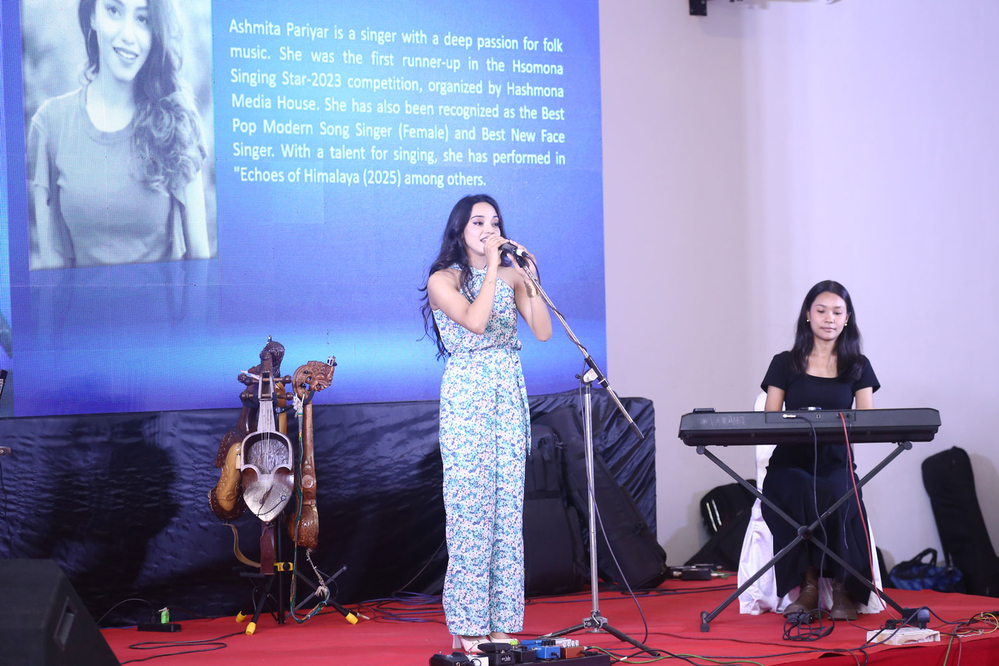
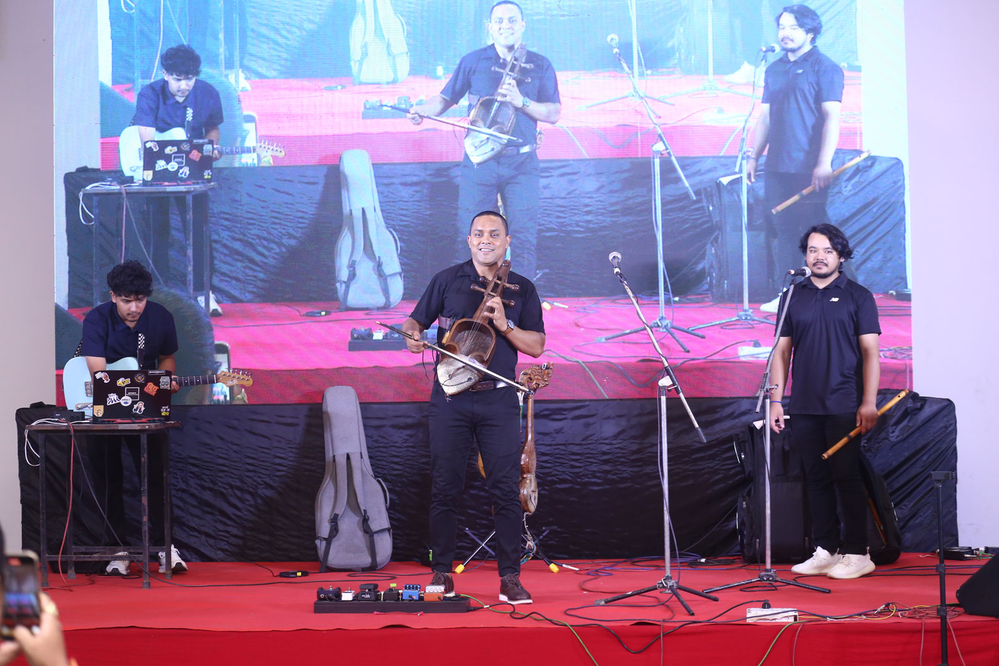
program, female band Casa and Kiran Nepali's musical group performed.

