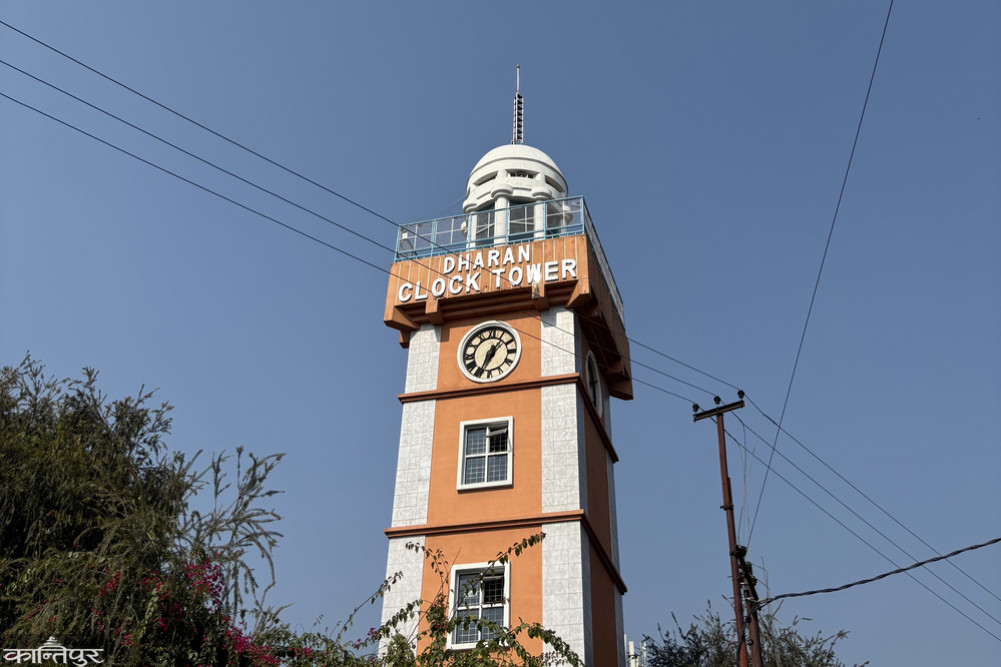
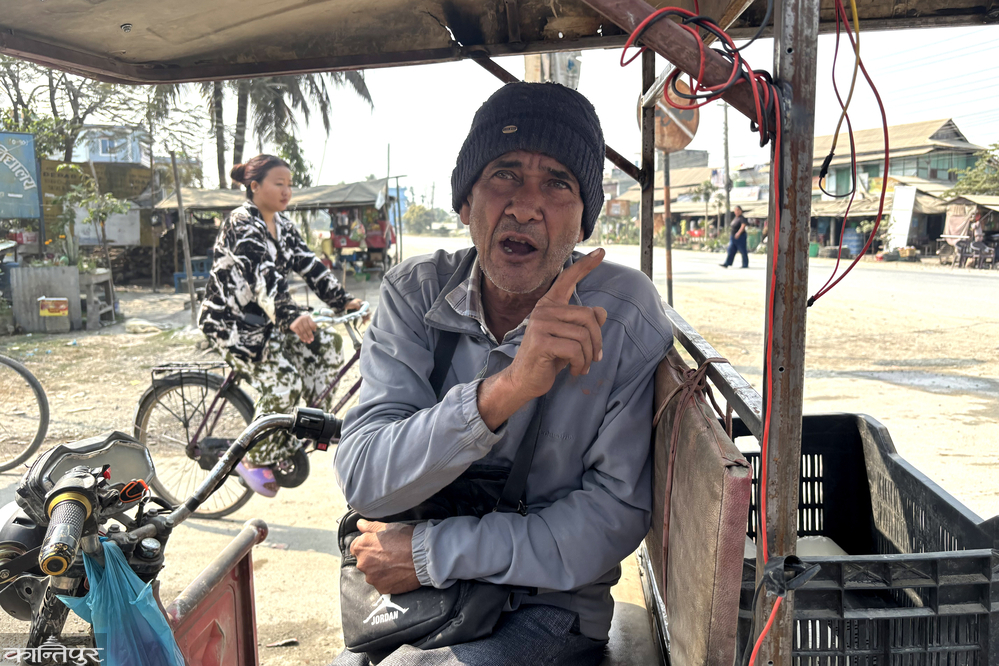
Voters are optimistic about the new party and candidate on issues of water, roads, and public health, but have not yet made a final decision.
We use Google Cloud Translation Services. Google requires we provide the following disclaimer relating to use of this service:
This service may contain translations powered by Google. Google disclaims all warranties related to the translations, expressed or implied, including any warranties of accuracy, reliability, and any implied warranties of merchantability, fitness for a particular purpose, and noninfringement.
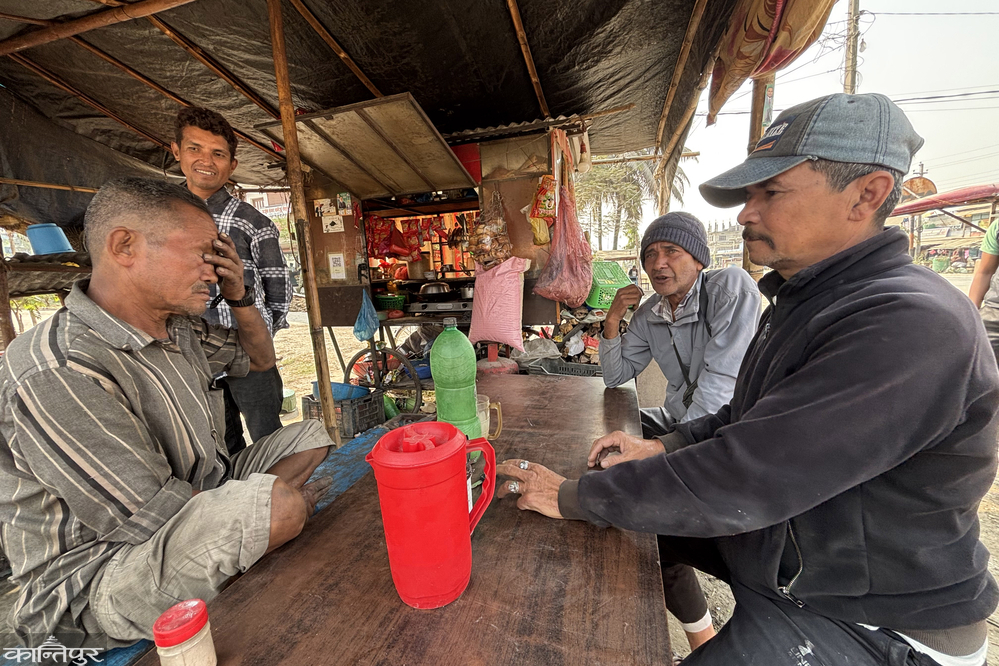
As the day to elect the federal representative of his constituency draws near, Kumar Mangrati (56) of Barahakshetra Municipality-3, Nadaha is growing restless. ‘It’s not just me, we are all in a dilemma,’ he explained, ‘Should we vote for the party that built the country or for the son who is close to us?’
He is clear about choosing one of the National Independent Party (NISP) and the Labor Culture Party led by Hark Sampang, who is also the former mayor of Dharan, which falls under his constituency. ‘But, one person built Dharan, the other is building the country, we are confused about choosing the close one or the far one,’ he told Kantipur, ‘Since we have not done anything for 35 years, there is no need to think about other old parties.’
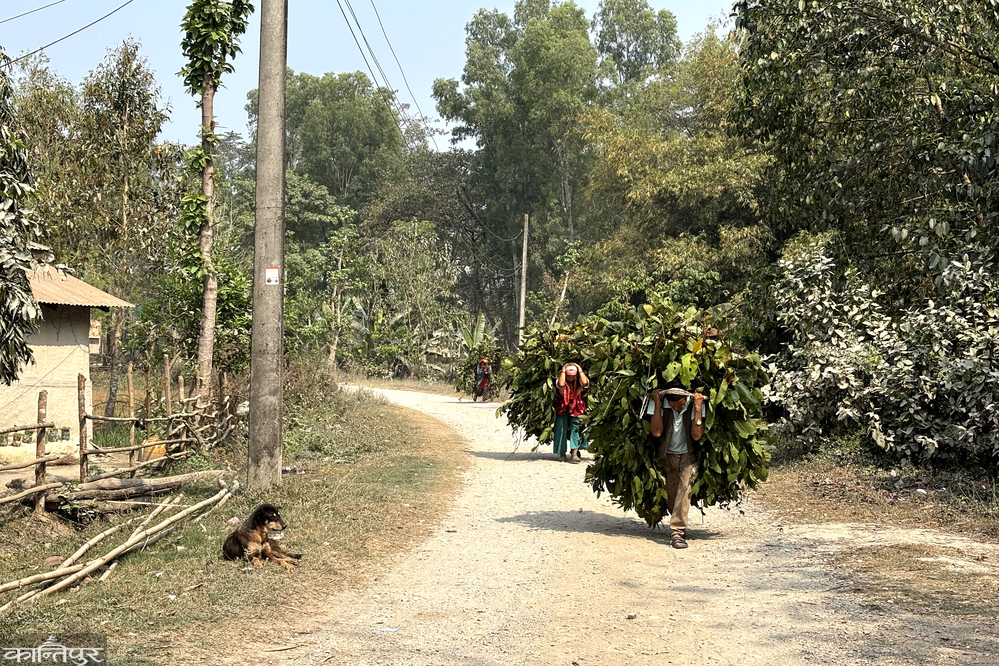
When we reached Nadaha Chowk after crossing the Dhulamye road connecting Barah area from Dharan and reaching there, he immediately put aside the sorrows of the village by referring to the fact that he has been voting for the CPN-UML for a long time. ‘I have been voting for UML since I left, the roads are the same, the condition of the school is the same,’ Mangrati added, ‘That is why this time we will choose a new one.’
He said that they expected the country to develop because of former Kathmandu Mayor Balendra Shah, but only one person, Shram Sanskriti Party Chairman Sampang, could reach the parliament and develop the country. ‘He has done well in Dharan, but many MPs are needed to build the country,’ he said, ‘Then he has done good things here too.’
Local Ram Bahadur Gauli (63) also said that he was in a dilemma like Kumar said. ‘We are shaking like a bell on who to vote for,’ he says.
The National Independent Party has nominated Goma Tamang (Sarin) to compete with Hark Sampang in Sunsari-1.
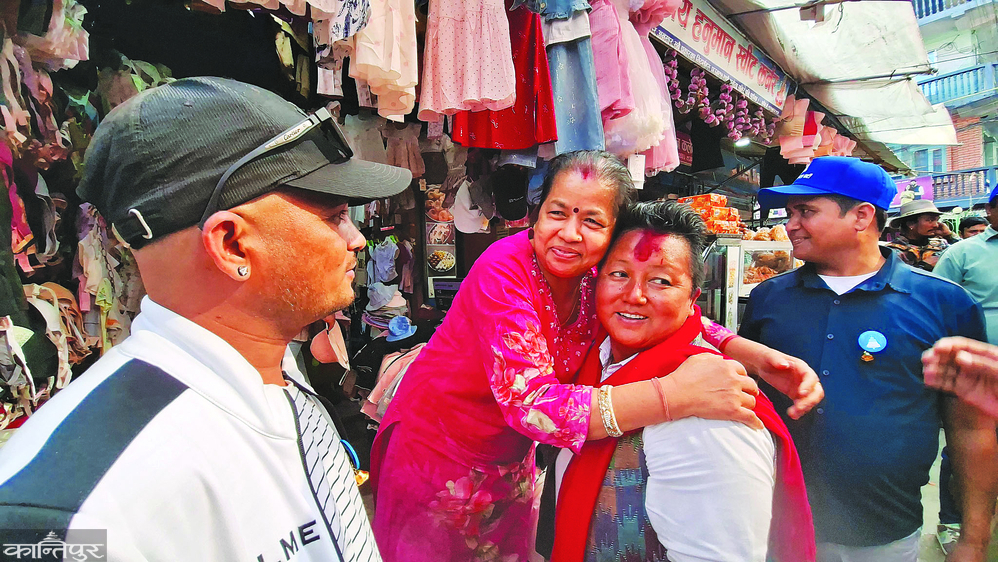
Sarin, who was previously active in the campaign to provide water to the people of Dharan along with Sampang, had secured 17,059 votes in the 2079 House of Representatives elections. When Ashok Kumar Rai was elected as an MP after the UML-JSP alliance, Muksamahang Subba of the Maoist Center received 13,087 votes.
Bharat Koirala (58) of Barahakshetra-7, Bange recalls that the old parties used to ‘distribute meat and money’ in the past. ‘After the people took advantage of that and voted, they would not work tomorrow,’ he said. ‘This time, no one should do that and vote for the new ones.’
The house of the old Tati in the village has been renovated and paved. However, 54-year-old Shobha Dewan is upset that the road connecting Dharan is still a dirt road. ‘There is a problem with the uterus, we have to go to Dharan 2/3 times a week, but the condition of the road is such that the problem increases by the time we reach Dharan,’ she added, ‘This road has been like this since I can remember, it gets muddy in the rains, and dusty in the winter.’
She says that many patients who reach the BP Koirala Institute of Health Sciences for treatment like her have also been troubled by the road problems.
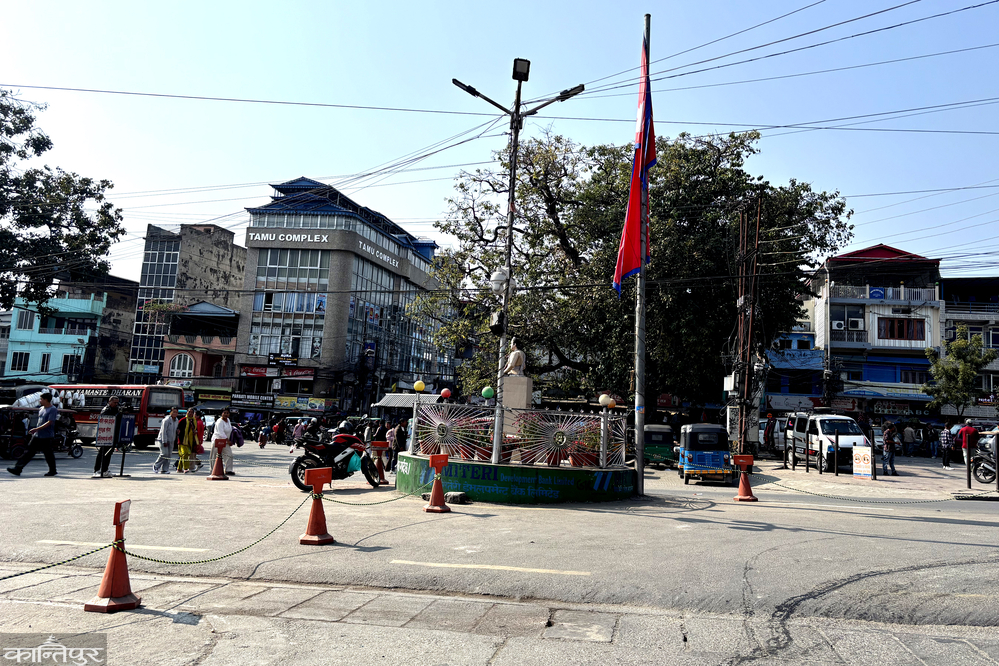
Strangely, a kilometer of the road was blacktopped a year ago in the middle of the Charkoshe bushes. ‘We don’t understand what they are trying to show by paving so much over so many years,’ say the locals.
Mayor of Barahakshetra Municipality Ramesh Karki says that this has happened due to lack of budget. Pravin Basnet, 26, from Majhi village in Barahakshetra, has returned to the village from Malaysia ahead of the elections. ‘I was working in a hotel, and I came on leave when the country was also holding elections,’ he says. ‘I will vote for the new one.’
70-year-old Sitaram Majhi, referring to the poor condition of the roads and the lack of drinking water, says, ‘We need someone to solve this problem.’
There is a tank in the village, but no water. We have to be vigilant every day to protect ourselves from elephants coming from the forest. ‘Elephants have killed 2/3 of the people in the village, sometimes we can’t even sleep,’ he says. ‘When everyone says Sunsari 1, they only understand Dharan, they don’t understand our suffering.’
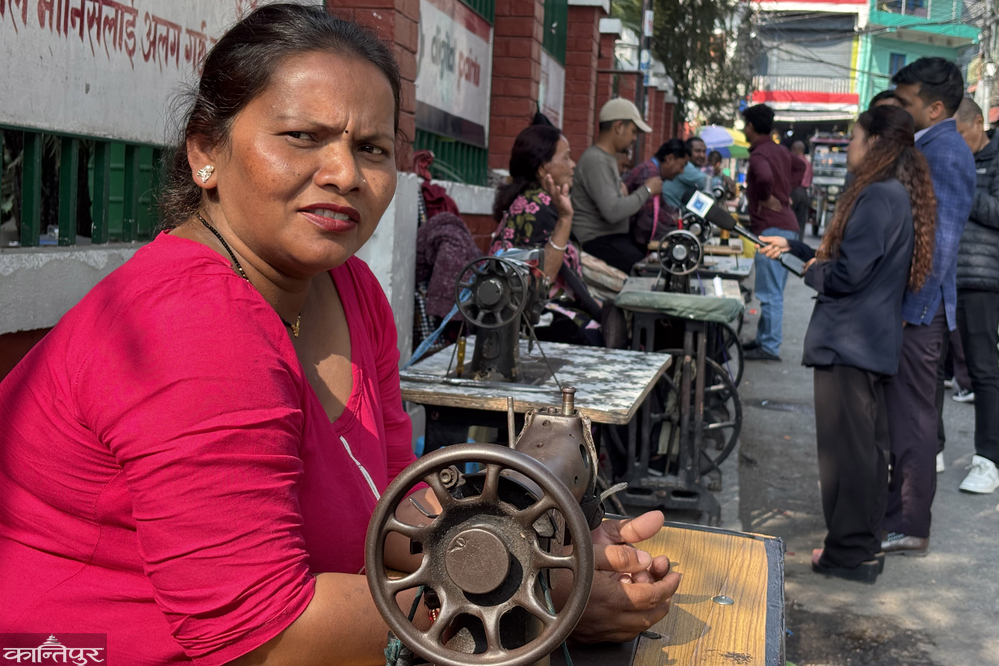
Ramdhuni Municipality-6 and 7, which are close to Inaruwa, also fall under Sunsari 1. Ward no. Rajkumar Budhathoki, 36, of Ward 6, says his ward has nothing to do with Dharan. ‘It seems strange how this ward has been moved to Sunsari-1,’ he told Kantipur. ‘However, this time we will vote for candidates from Dharan.’ Hark Sampang, on the other hand, is in trouble because of his own speech.
‘He has talked about caste at home, sometimes he has said what,’ he said, ‘Now, along with the soil, the atmosphere of Ghanti and Tara is also getting better.’
Tara is the election symbol of the Nepali Communist Party. From this party, Surya Bahadur Bhattarai (Manoj), who was the ward chairman in Ward No. 17 when Sampang was mayor, is the candidate.
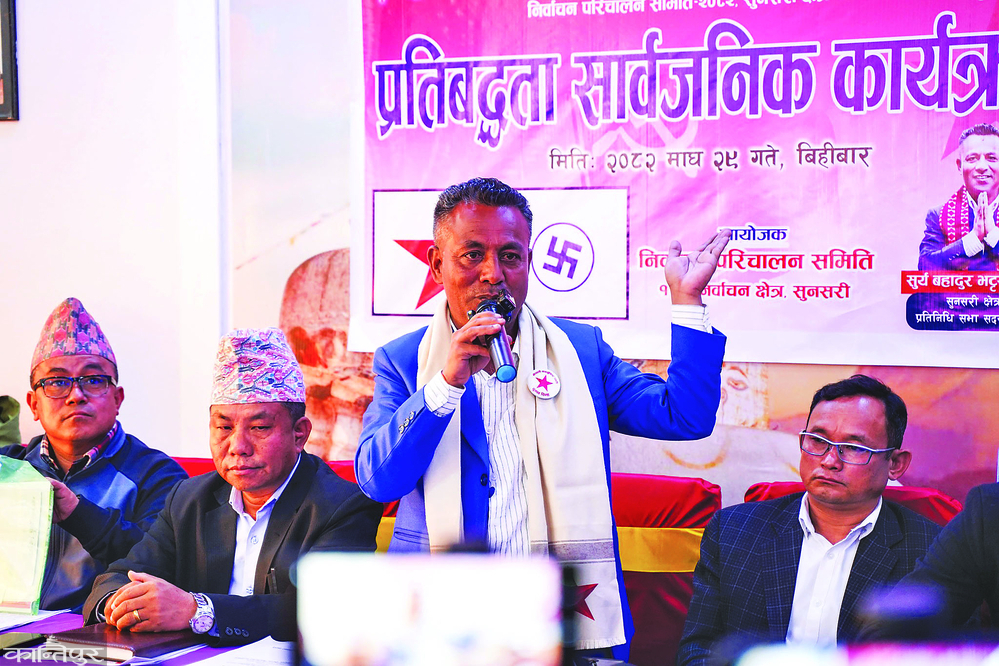
These two leaders, who worked together for three years during the operation of the local government, had been exchanging accusations on the local agenda from executive meetings to social media. Although it seems to have increased the political distance between them, an interesting scene was seen in the farewell program organized by the municipal council, where both of them wished each other a victory.
Apart from the 20 wards of Dharan Sub-metropolitan City, Sunsari-1 includes wards 1 to 5 of Barahakshetra Municipality and 6 and 7 of Ramdhuni Municipality. There are only 39,454 voters in the area outside Dharan. Therefore, even votes from outside Dharan can be decisive in this year's election.
In Dharan Bazaar, most voters are leaning towards Sampang, the chairman of the Shram Sanskriti Party. 'He is a working leader,' asks Laxmi Rai of Dharan-17, 'Why choose anyone else when he is the son of the soil?'
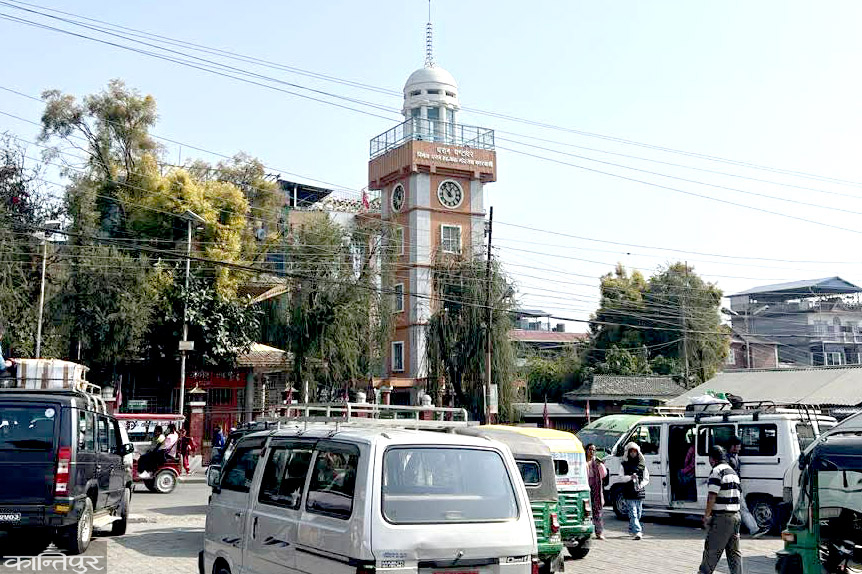
However, some accuse Sampang of only getting caste votes. Dharan is an area with a majority of ethnic groups including Sunuwar, Rai, Limbu. According to the 2078 census, 21.1 percent of the total population of Dharan Sub-metropolitan City is Rai, 13.3 percent Yakthung/Limbu, 10.3 percent Kshetri, 9.8 percent Newar, 7.3 percent Bishwakarma, 7.2 percent Tamang, and 5.4 percent Brahmin (Hill).
Sampang, the chairman of the Shram Sanskriti Party, himself says that the entire Dharan people will win because of the work he has done. ‘Not only in Dharan, I will become the Prime Minister of the country by getting a majority,’ he says.
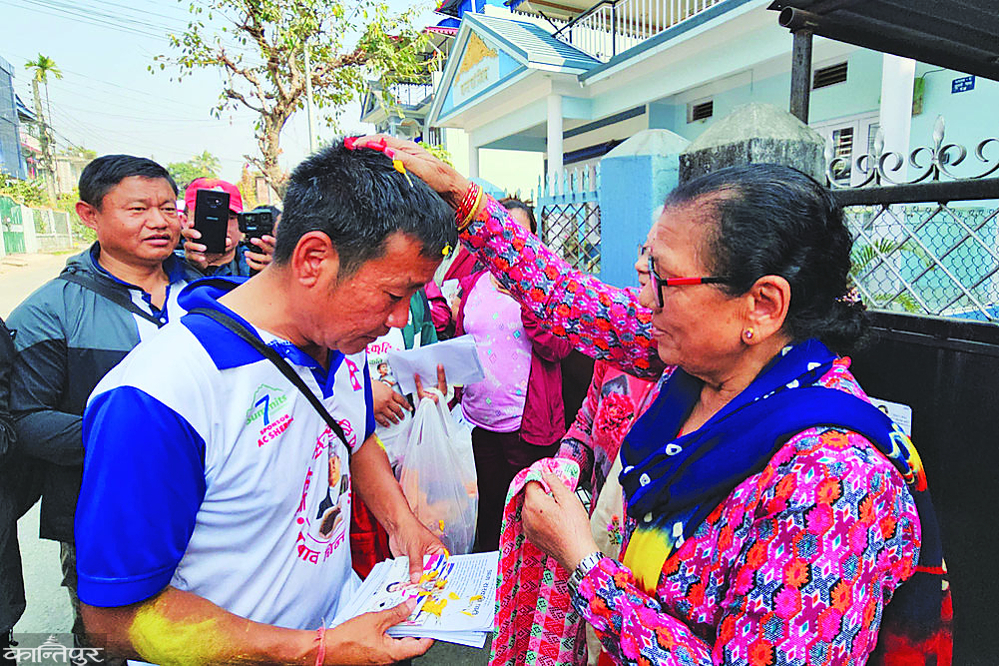
However, Sarin, a Rashtriya Swayamsevak Sangh (RSS) candidate who once campaigned with him to provide drinking water, says that the drinking water problem in Dharan has not been solved.
‘Both Koshi and Arun are options to provide water to the people of Dharan. A decision should be made after studying the cost and sustainability based on the prepared DPR,’ says Sarin, ‘Water should be brought from wherever a long-term solution is possible at a low cost.’
Nepali Communist Party candidate Manoj also says that despite a lot of noise about the issue of drinking water in Dharan, the long-term solution is a technical matter. ‘The current requirement is about two crore liters of water daily.’ He says that the problem will not be solved with a partial plan, ‘We will bring a long-term solution through the central budget.’
He says that their goal is not to make the drinking water issue a vote-seeking issue in the upcoming elections. ‘For that, the people of Sunsari-1 will have to rise above party, caste or region and make me win,’ he said, ‘Voters want change, in the beginning there was more talk of other parties, but now the atmosphere is gradually turning in our favor.’
While the campaigns of Shram Sanskriti Party, National Independent Party and Nepali Communist Party are seen intensifying in Dharan, some candidates of traditional parties are in a bind. UML candidate Tikaram Mangle is facing the challenge of protecting the party’s traditional vote base, while Congress’s Sujendra Gole Tamang, JSP’s Sanjay Rai, and Ujjal Nepal’s Dambar Lawati (Gentle) are also competing.
Dharan, which developed after the establishment of the British Gorkha Recruitment Center in 2010, has expanded and reached its current urban form. That is why the vote of a family from Purba Lahure in this area also has meaning.