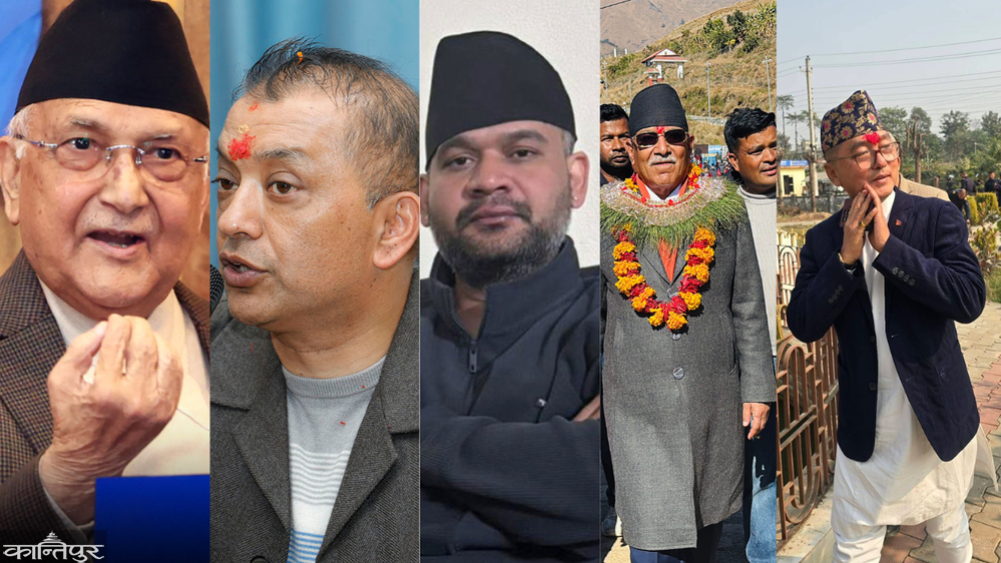
The promises of the election manifesto are on one hand, and the performance of the government on the other. The general public is becoming disillusioned with political parties, and voters' interest in the election manifesto is decreasing.
We use Google Cloud Translation Services. Google requires we provide the following disclaimer relating to use of this service:
This service may contain translations powered by Google. Google disclaims all warranties related to the translations, expressed or implied, including any warranties of accuracy, reliability, and any implied warranties of merchantability, fitness for a particular purpose, and noninfringement.
If political parties had acted according to their election manifestos, the country would have reached the peak of prosperity. But the promises of the election manifestos are on one side, and the behavior of the parties is on the other. This has increased the general public's distaste for political parties. Voters' interest in the manifestos brought by the parties in the elections is also decreasing.
Political parties have brought seven election manifestos since the political change of 2008, and are preparing to bring an eighth manifesto targeting the upcoming elections. With about a month left for the elections, only the JSP and the Rastriya Janamorcha have brought manifestos. Other parties are busy with the homework of writing manifestos. Candidates are going door to door without manifestos.
Leaders say that since the manifesto has been heavily criticized for having overly ambitious programs, this time they will only include programs that are feasible to implement. Earlier too, leaders used to make statements based on ground realities when bringing out manifestos.
The Congress, led by its President Gagan Thapa, is preparing a manifesto based on the basic principle of 'Prosperous Nepal, Respected Nepalis'. Under the main slogan 'Let's change the Congress, let's change the country' passed by the special general convention, 10 priority manifestos are being mentioned.
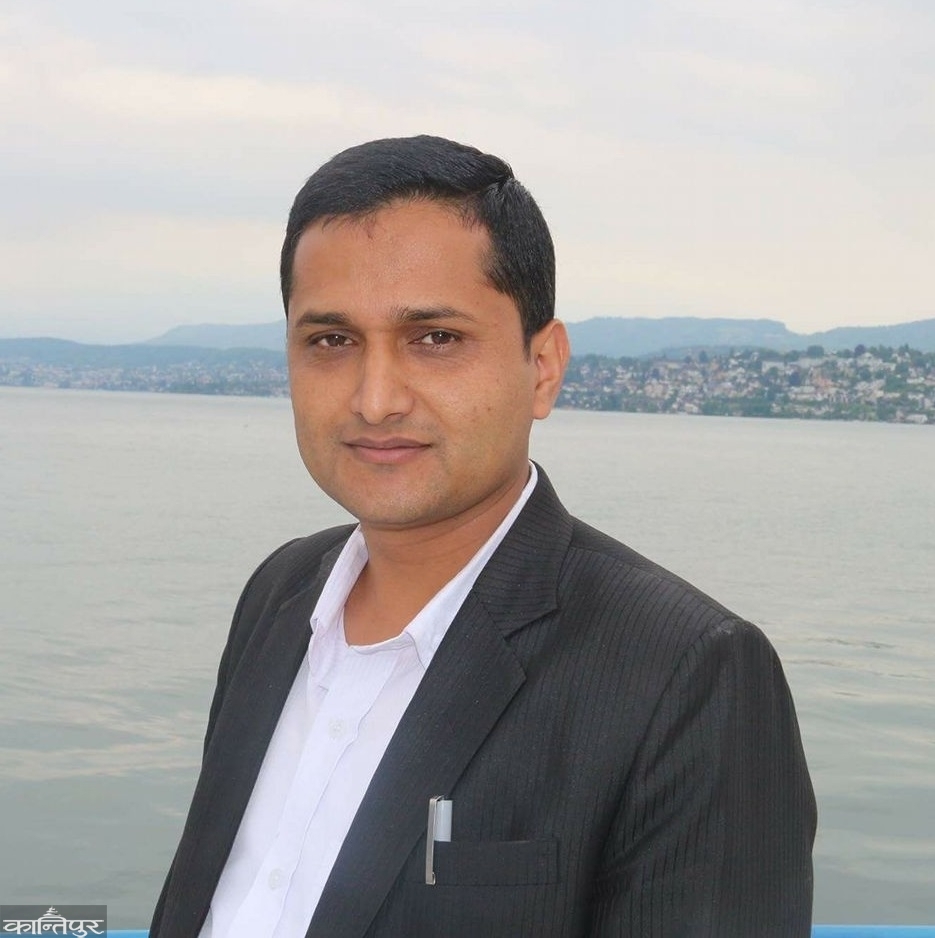 Pratap Poudel, who is involved in writing the manifesto, said that the manifesto will be in line with the spirit of the Gen-G movement. ‘The manifesto is being written by prioritizing education, health, and physical infrastructure along with governance reforms and economic prosperity,’ he said, ‘We are taking suggestions from experts. The manifesto will be finalized after the president returns to Kathmandu.’
President Thapa has reached Sarlahi-4 during the election campaign. UML is going to bring an election manifesto with the main slogan of ‘Strong Nationalism and Strong Democracy’. UML is preparing to finalize the manifesto by including the policy program along with the national aspiration of ‘Prosperous Nepal, Happy Nepalis’.
UML held discussions with 50 experts at its central office, Chyasal, on Thursday and sought suggestions from the political, economic, social, and cultural sectors for the manifesto. UML has stated that the manifesto will focus on sustainable development including strong democracy, constitutional supremacy, rule of law, and social justice. Preparations are also underway to include the reconstruction of the structures destroyed on 24 Bhadra in the manifesto.
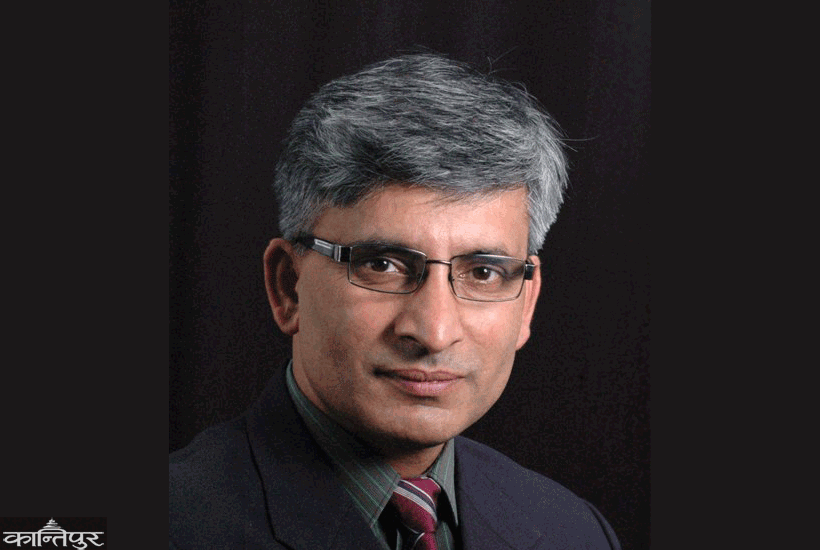 Secretary of the manifesto writing committee, Bishnu Rimal, claimed that they will bring a manifesto that is more prosperous than the past. He informed that new political and economic programs will be made by adding to the main priorities in the manifesto for the 2079 House of Representatives election.
‘Strong nationality and strong democracy, sustainable economic development and high economic growth rate, scientific management of land’ and other programs will be included in the manifesto. Similarly, the issue of strong nationality will be included while continuing the balanced foreign policy,’ he said.
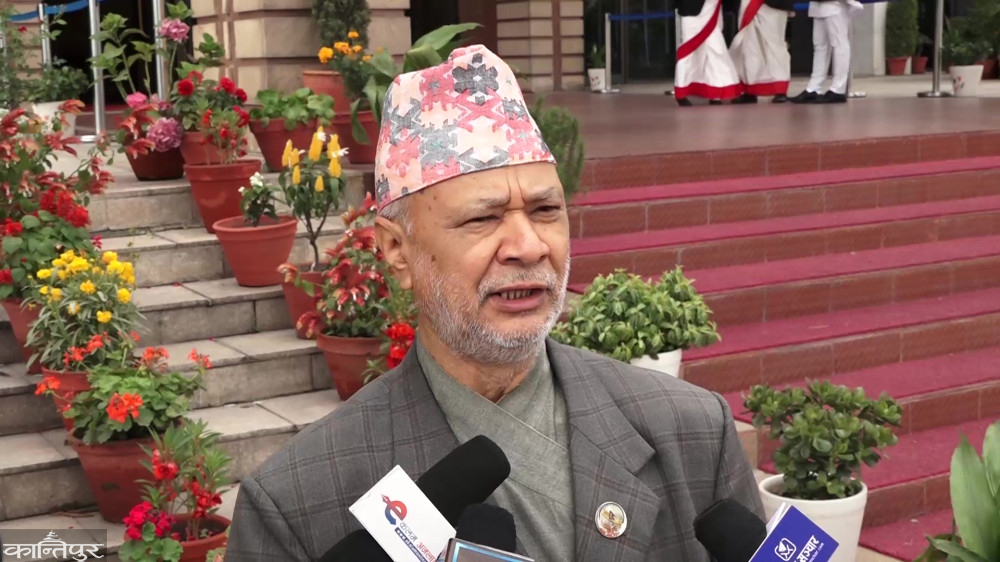 UML Vice President Raghuji Pant said that the issues of nationality, democracy and physical infrastructure development as well as social security will be mentioned in the manifesto. ‘We have been implementing these issues in the manifesto since before,’ he said, ‘This time too, we will include them in the manifesto in a sophisticated way. Our commitments will come out precisely.’
Pant, who has been involved in writing the UML manifesto since 2048, said that questions have been raised because the commitments in the manifesto were big in the past but the implementation was low.
‘Now, it will be said that the manifesto should be made in a way that can be implemented,’ he said. He claims that in the past, the UML manifesto has played a role in favor of democracy, economic growth, social security, equality and republic.
Former member of the National Planning Commission and head of the UML propaganda department, Min Bahadur Shahi, said that the party manifesto will be brought with a focus on the political and economic sectors. ‘The aim will be to achieve strong democracy, constitutional supremacy, sustainable development with rule of law and social justice, end growing inequality through progressive laws, and eradicate multidimensional poverty and absolute poverty in 5 years,’ he said.
The Nepali Communist Party is bringing the manifesto based on the core principle of ‘Good governance, social justice and prosperity: the basis of socialism’. The committee led by coordinator Pushpa Kamal Dahal is going to try to explain the issues put forward by the government under its leadership by finding the reason for the Gen-G movement.
Corruption control for good governance, speedy government work without corruption, digital administration, and investigation of assets of people in public positions are being mentioned in the manifesto.
Increasing social security under social justice, and amending the constitution based on national consensus for the rights of marginalized people are also being written as commitments.
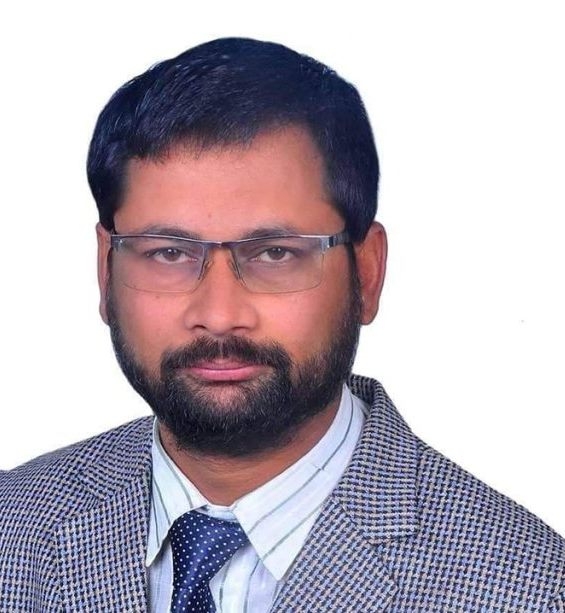 DP Dhakal, a member of the manifesto writing committee, said that a new phase of economic reform, production, and employment have been given priority for economic prosperity. ‘A blueprint for a new phase of economic development will be brought by including the private sector, foreign investment, and the cooperative sector,’ he said.
Pramesh Hamal, a member of the manifesto writing committee, said that since a socialist roadmap can be drawn only through the people’s access, programs will be implemented accordingly. The manifesto writing committee includes Hamal, Bhim Rawal, Dev Gurung, Girirajmani Pokharel, Shakti Basnet, Rajendra Shrestha, Pampha Bhusal, and former chairman of the National Planning Commission, Min Bahadur Shrestha, among others.
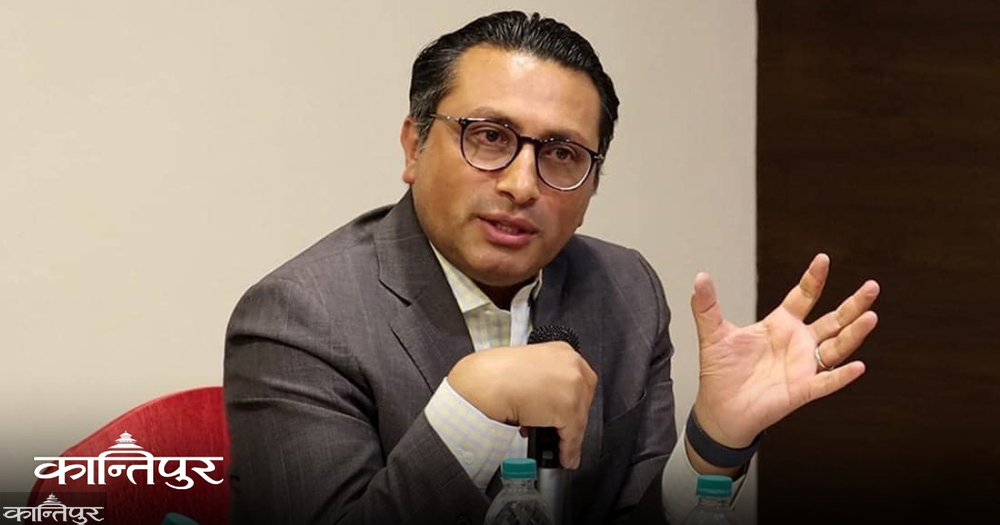 The Rashtriya Swayamsevak Sangh (RSS) is writing a manifesto under the leadership of Vice President Swarnim Wagle. ‘We will give a clear basis in the manifesto for why we choose the RSS, we will cover the story of the rise of the RSS from prohibition to explosion,’ Wagle says, ‘We will explain the economic and political proposals. We will give a clear blueprint for where we will go in infrastructure and foreign relations.’ He has said that good governance, corruption control, and fast service will also be the focus.
The team writing the RSS manifesto includes former Planning Commission member Araniko Pandey, secretariat member Sobita Gautam, leaders Maheshwor Ghimire, Krantishikha Dhital, Ram Gurung, and Nandan Yadav.
Member Gautam said that suggestions have been sought from the party’s district and local level committees for writing the manifesto. ‘The manifesto writing committee meetings are being held. "We have also taken suggestions from the party's leaders and experts with expertise in the fields of finance, health, law, youth, agriculture, tourism, and labor," she said. "We are refining the suggestions received by incorporating them into the first draft."
The RPP is preparing a manifesto in seven sections. Leaders informed that economic prosperity, good governance, employment, middle class and youth-centric plans, involving the private sector in national development, and prioritizing road and infrastructure development are among the priorities of the RPP manifesto. Gautam said that the manifesto writing process is being carried out in accordance with the constitution and party policy.
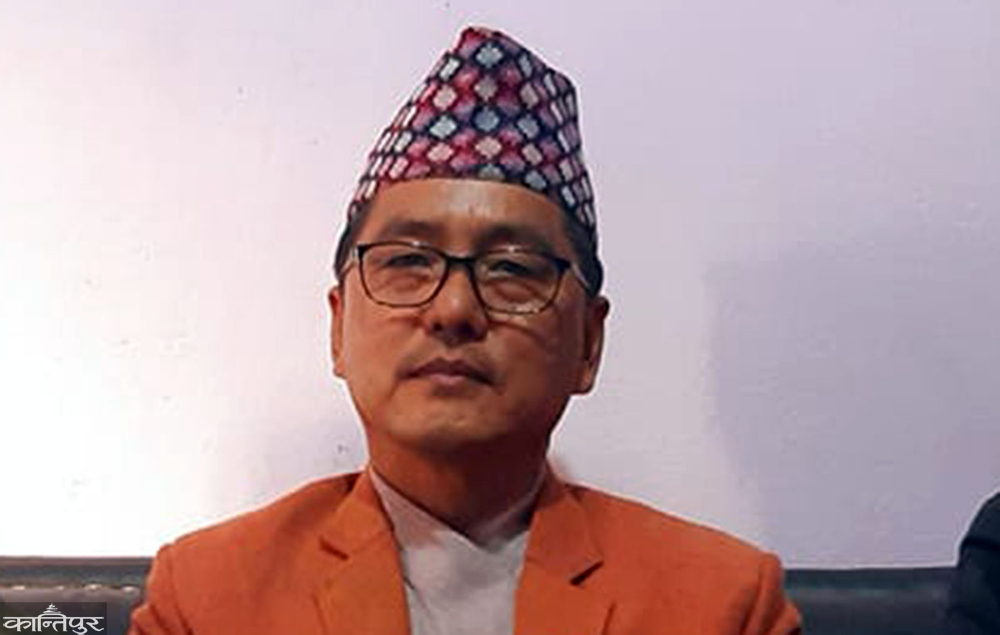 The RPP is preparing the manifesto by forming a committee led by Chairman Rajendra Lingden, including Professor Geeta Bhakta Joshi and former Secretary Kedar Bahadur Adhikari. According to RPP spokesperson Mohan Shrestha, issues such as constitutional monarchy, Hindu nation, and good governance will be included in the manifesto.
JSP's 27-point, Janamorcha's 25-point manifesto
JSP has brought a 27-point election commitment. It has prioritized constitutional amendment as in the 2079 election.
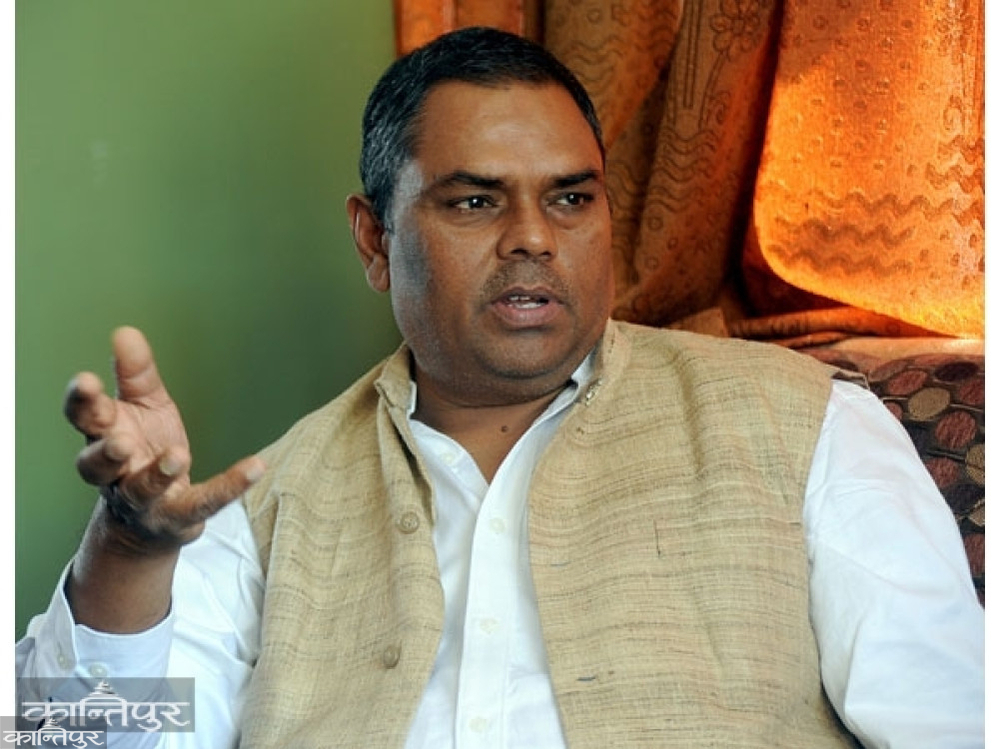 JSP is committed to 'changing the form of government, electoral system and judicial system, as well as to solving national problems, by amending or rewriting the constitution to provide a solution to the country, and to restructure the state in a way that reflects national ethnic identity.'
JSP also promises to provide an executive presidential system directly elected by the people and a parliamentary structure with proportional inclusive representation. It has been committed to addressing the demands of the Gen-G movement and fulfilling the demands of the young generation.
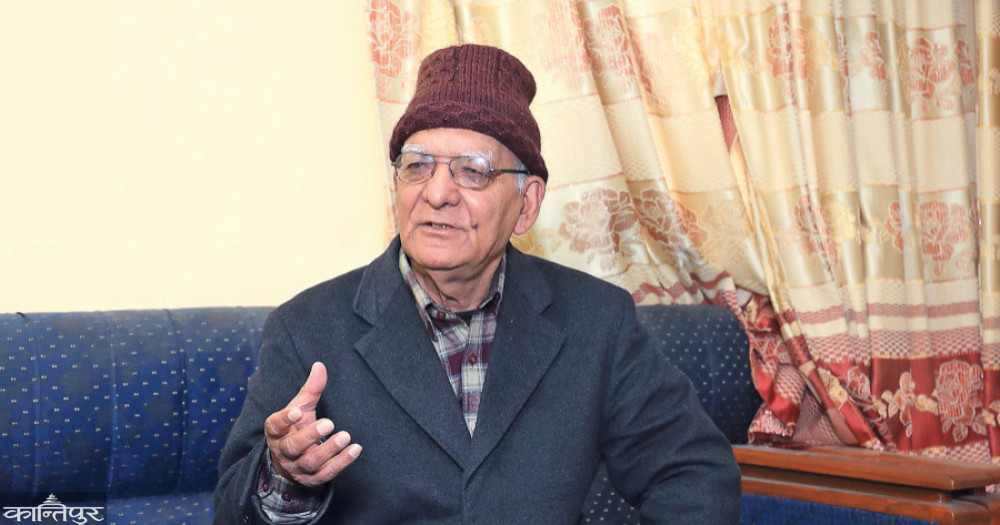 The JSP's manifesto also mentions ending the irregularities, confusion and low standards in the education and health sectors, providing equal and science and technology-based vocational and quality education for all, and making arrangements for the state to take responsibility for health services and employment. The National Janamorcha (RJM) has released its election manifesto in Butwal on Wednesday, with the main agenda of abolishing federalism as its main agenda.
Janamorcha President Chitra Bahadur KC has released the manifesto. KC has said that the main priority in the manifesto is to protect the country's nationality, sovereignty and integrity. The manifesto mentions 25 points including the concept of decentralized and balanced development.