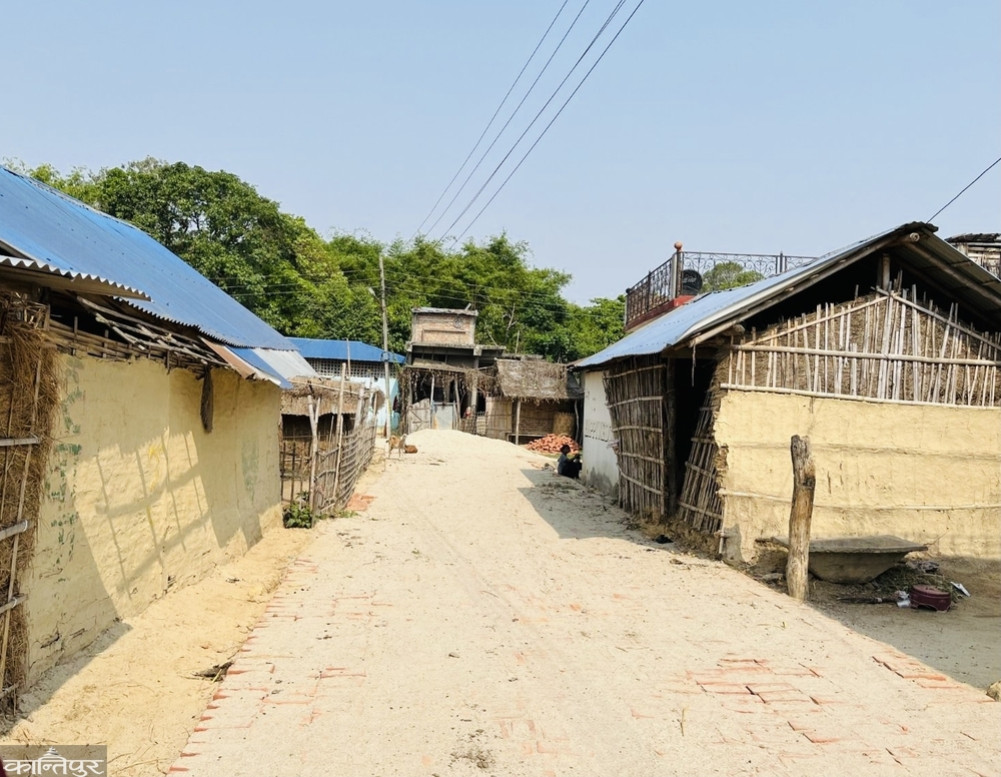
Among the landless Dalits, Dalit women are among the most marginalized, facing double discrimination on the basis of caste and gender. It is now imperative to break the deeply rooted power imbalance in society. Therefore, when land ownership is granted, it should be jointly owned by both husband and wife.
We use Google Cloud Translation Services. Google requires we provide the following disclaimer relating to use of this service:
This service may contain translations powered by Google. Google disclaims all warranties related to the translations, expressed or implied, including any warranties of accuracy, reliability, and any implied warranties of merchantability, fitness for a particular purpose, and noninfringement.
The new government, formed after receiving an extraordinary vote, has accepted the state's historical responsibility through its 100-point action plan for governance reform and has included a formal apology for the long-standing untouchability, injustice, and structural discrimination against the Dalit community. Along with this, a commitment has also been expressed to make a concrete reform-oriented action plan public.
Similarly, on the first day of the parliament session after the election, the president of the Rashtriya Swayamsevak Sangh (RSS) party, Ravi Lamichhane, formally apologized to the Dalit community from the rostrum of the parliament, which has brought the question of the recognition of historical injustice in state-citizen relations and institutional responsibility for it to the surface.
This is not just a political declaration, but also an opportunity for the state to introspect on past structural inequalities. However, the concrete test of this will be the state's behavior for the transformation of the Dalit community in the coming days.
Compensation required
The government led by Nepali Congress leader Sher Bahadur Deuba had announced the liberation of the Harwa and Charwa on 2069 Shrawan 20. However, after that announcement, the state did not take any necessary steps for data collection, identification, and rehabilitation.
In a sense, the state had abandoned the Harwa and Charwa, who had been suffering from exploitation and unfair labor relations for decades, by giving them assurances. The Planning Commission, the Ministry of Finance, and the Ministry of Land Management, which led the announcement, did not prioritize their rehabilitation. In this sense, the declaration of liberation did not lead to practical transformation and became only an incomplete and incomplete 'political stunt'. By limiting itself to mere amnesty or declaration and not linking it to concrete policy implementation and compensation programs, the risk of its real impact remaining limited remains.
Political declarations are important, but they are not enough. The current government's apology is not just a symbolic step but also a state-level acknowledgement of historical injustice. It has the potential to have a positive impact on the psychological and social self-esteem of the Dalit community.
It must have communicated a positive mindset towards equality and justice not only to the Dalit community but also to the non-Dalit society. However, if it is limited to an apology or declaration and is not linked to concrete policy implementation and compensation programs, the risk of its real impact remaining limited remains.
Therefore, to make such a historical acknowledgement meaningful, the state now needs to take forward concrete programs of compensation and rehabilitation. It is essential to identify and concretely address the groups that are still suffering injustice, especially within the Dalit community.
Among these, the most marginalized are the Dalit-landless communities, for whom land, safe housing, and sustainable livelihood opportunities should be provided. No apology or declaration made without such a holistic approach can rise above a 'stunt'.
Dalit landlessness
Among the communities forced to live a landless life, the number of Dalits is significant . The problem of Dalit landlessness is more serious and structurally entrenched in all districts of the Terai and in the districts of Karnali and Sudurpaschim Provinces .
In the past, many Dalit communities here were historically forced to live in the Harwa, Charwa, Haliya and Bandhuwa labor system, which further weakened their access to land rights . In addition, although the number of landless Dalits is comparatively less in the hilly regions, a large part of them is confined to less productive or inferior land .
The root cause of Dalit landlessness is not individual failure or natural economic processes at all, it is a co-product of a purely discriminatory governance system . The social structure based on the caste system used the Dalit community as laborers in the production process, but completely deprived it of legal ownership of the main means of production, land . They became the backbone of the agricultural society, plowed the land, made agricultural tools, and worked, but they did not get the rights to the land.
Over a long period of history, the state itself seems to have institutionalized this inequality. Even though there was a tradition of distributing land to those involved in government/military service or other administrative roles, the Dalit community was kept out of this process. Policies ranging from systems like Birta to land distribution structurally biased Dalits. The landlessness and nominal housing of the Musahar, Dom, and Halkhor communities in the Terai, in particular, is a stark example of this reality. The situation of being forced to settle on extremely inferior, unusable, or risky land has created a serious crisis in their housing, life security, and livelihood.
Dalit landlessness is different from general landlessness. While landlessness in other communities is often seen as a result of natural disasters, debt or generational transfer, Dalit landlessness is a continuation of structural discrimination over generations. Their relationship with land was deliberately limited to labor, not ownership.
The landlessness and nominal housing of communities such as Musahar, Dom, and Halkhor in the Terai is a stark example of this reality. Forced to settle on extremely poor, unusable or risky land, it has created a serious crisis in their housing, life security and livelihood.
The data presented in the National Dalit Commission’s annual report (2077/78) shows that while the national average landlessness is 21 percent, this rate is around 40 percent in the Dalit community. Similarly, while the overall poverty rate is 25 percent, it is as high as 42 percent in the Dalit community.
An even more serious issue is that the Dalit community’s share of the total agricultural land is only 1 percent, which highlights the extreme inequality in land distribution. Based on a recent study conducted by the ‘Community Self-Reliance Service Center’, it has been seen that only 37 percent of Dalits have their own land and the rest are living on public and other people’s land.
These facts clearly show that Dalit landlessness is not just a result of economic deprivation – it is a combined result of historical injustice, social exclusion and unequal practice of state structures. Therefore, its solution is not possible only through the key of general poverty reduction programs. For this, it is necessary to address land rights from the perspective of justice, compensation and rehabilitation.
This is how proper compensation can be done
According to the Seventh Amendment to the Constitution and the Land Act-2075, landless Dalits should have obtained land by 2078. In other words, at least till today, no Dalit should be landless, but ironically, very few have been able to get this constitutional right. Even among them, the area of land received by some is very small, that is, it is not enough to build a house for the family to live in.
According to the Eighth Amendment to the Land Act-2076, those who do not have land in their name and their family and do not have the financial status to acquire land are landless. Although the definition seems correct at first glance, it is not scientific. Although it includes those who do not have any land at all, it ignores the reality that they have land in their name and their family, but the land is very small. For example, there are 2 dhur, 3 dhur lands, on which 3, 4 families are living and if they want to separate, there is no place to build a house. Yesterday, some Haliyas who work as non-Dalits got land, today that family has increased to 12, 13 families. However, the land is the same. Such families are forced to go through a very painful situation. Therefore, it is necessary to change the definition of landless. And, by making a practical and definite criterion, those with less land should also be included in the landless category and given land. On the other hand, the process of registering village block land has not done justice to Dalits. Many families in the Terai have received land ownership certificates during the registration of village block land, but their area is very small. Those who get a lot have 3-4 dhurs. Those who have so much land have more than one family in the same house. Therefore, it is necessary to make the current definition of landless more practical.
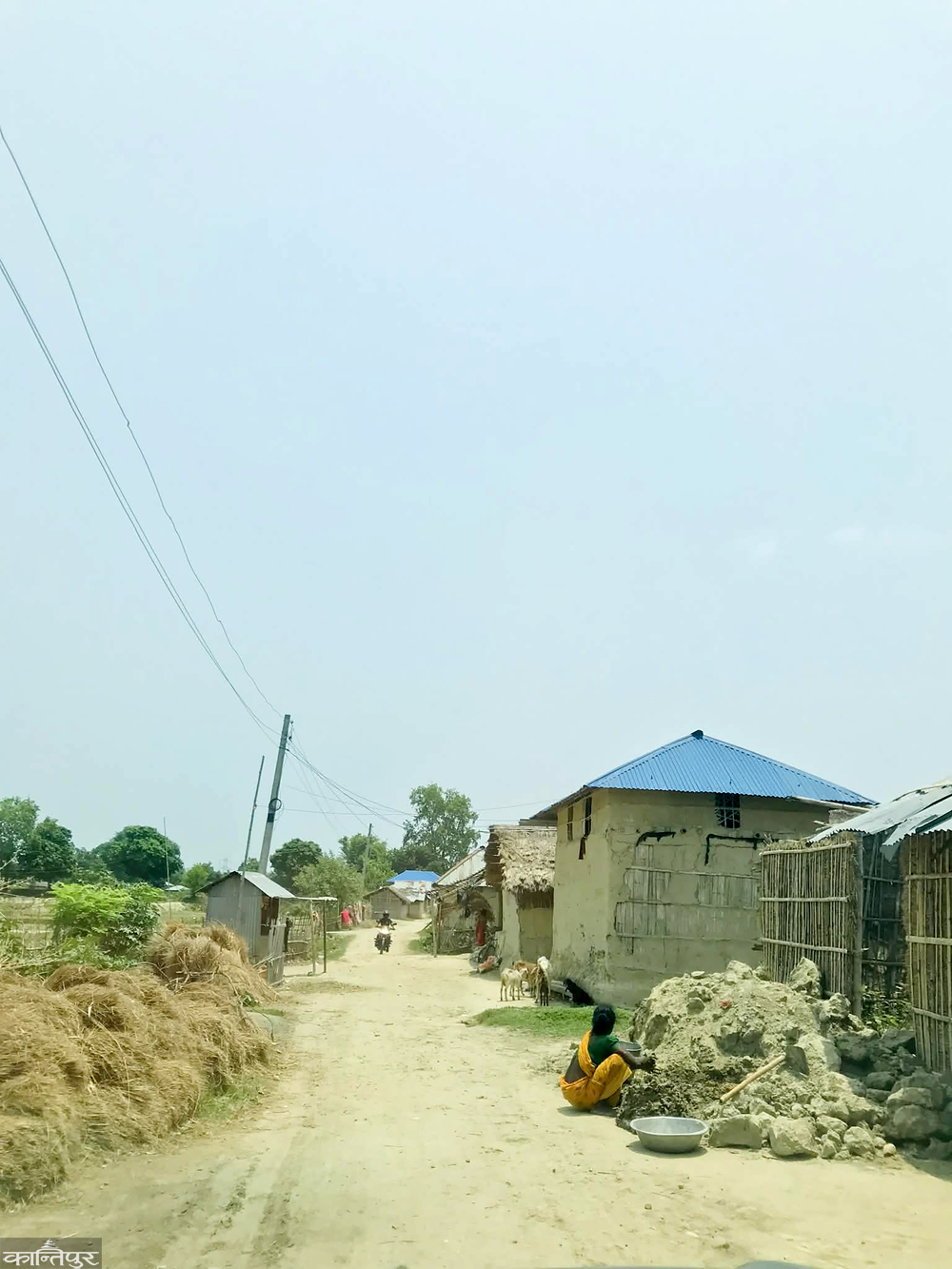
The maximum limit of land given in this way is 3 thousand square meters in the Himalayas, while 2 thousand square meters in the Terai and hills. This should be continued, but it is also necessary to clearly specify the minimum amount of land to be provided.
If they are engaged in agricultural work as Andhiya, Bataiya or agricultural laborers, they should be given land for housing and agriculture. The maximum limit of land provided in this way is 3,000 square meters in the Himalayas and 2,000 square meters in the Terai and hills. This should be continued, but it is also necessary to clearly specify the minimum amount of land to be provided. What is the current basis of livelihood of landless Dalits? If it is non-agricultural work and he is not willing to do agricultural work, he should be provided with land for housing and subsidies to build safe housing. We should help strengthen their profession.
The work of rehabilitation of Haliya, Harwa, and Charwa should also be done with priority in addition to land. In addition to ownership of land, ensuring access to long-term cultivation on private or government land that is largely barren for their livelihood should also be accepted as an additional responsibility.
Despite repeated political changes, economic reforms and dozens of legal provisions, the situation of Dalit landlessness remains a matter of serious concern. It is clear that the lack of ownership of land has hindered the overall progress of the Dalit community. As the development of the entire nation is hampered when a large section of society is left behind, it cannot be denied that Dalit landlessness is an issue directly related to national progress, not just the community.
Basis of compensation
The Constitution of Nepal mentions the rights of Dalits and ensures that landless Dalits will be given various rights. Article 40, point (5) states that the state will provide land to landless Dalits once in accordance with the law, and (6) states that ‘the state will arrange for housing for houseless Dalits in accordance with the law.’ Now that should be implemented through the campaign.
The state should distribute land to Dalits. They should be assisted in safe housing. According to the updated details of the Land Problems Resolution Commission, 88,895 Dalit families have submitted applications. The data from some local levels is still to be collected. The number of landless Dalits across the country is around 100,000. In the first phase, the government should formulate an action plan so that these 100,000 Dalit families get land.
Land ownership provides the basis for transforming livelihoods, strengthening food security, increasing bargaining power, and ensuring respect, identity, and long-term stability . Legal reform alone is not enough to achieve these achievements .
Even among landless Dalits, Dalit women are among the most excluded, who are facing double discrimination on the basis of caste and gender . For that, it is also essential to break the deeply rooted power imbalances in society . यसर्थ भूमिको स्वामित्व प्रदान गरिँदा पति र पत्नी दुवैको संयुक्त स्वामित्वमा गर्न भुल्नु हुँदैन । Even if the law is made or amended to provide land to the landless Dalits only for settlement, injustice against them will persist . Therefore, land sufficient for livelihood should be provided without compromising the original spirit of the Constitution . It is important to understand that separate provisions have been made in the Constitution to provide land for housing and agriculture . Ignoring this fact and limiting it to housing only, it will not only go against the spirit of the Constitution, but such a step will also be considered an injustice and betrayal of trust by the state against the Dalit community .
भूमि अधिकार, स्वामित्व र पहुँचमा सुधारले गरिबीको चक्र तोड्न, सामाजिक बहिष्करण घटाउन तथा संवैधानिक प्रतिबद्धता प्राप्त गर्न महत्त्वपूर्ण योगदान पुर्याउन सक्छ । भूमि स्वामित्वले जीविकोपार्जनमा रूपान्तरण ल्याउने, खाद्य सुरक्षा सुदृढ गर्ने, सौदाबाजी क्षमता बढाउने तथा सम्मान, पहिचान र दीर्घकालीन स्थायित्व सुनिश्चित गर्ने आधार प्रदान गर्छ । यी उपलब्धि हासिल गर्न कानुनी सुधार मात्रै पर्याप्त हुँदैन ।
संस्थागत जवाफदेहिता, सामाजिक रूपान्तरण तथा जातीय र लैंगिक असमानता अन्त्य गर्न सचेत प्रयास आवश्यक हुन्छ । यस्ता समावेशी र समग्र पहलबिना भूमिहीनता दलित समुदायको अधिकार र जीवन स्तरमा निरन्तर अवरोधका रूपमा रहिरहनेछ । राज्यका भूमिसम्बन्धी सबै कार्यक्रम दलित समुदायको अनिवार्य सहभागितामा गर्नु जरुरी हुन्छ ।
कृषि, जीविकोपार्जन र खाद्य सम्प्रभुताको आधार हो– भूमि । यो उत्पादनको साधन मात्रै होइन— पहिचान, मर्यादा र सामाजिक–आर्थिक सुरक्षासँग प्रत्यक्ष रूपमा जोडिएको विषय पनि हो । विशेषगरी दलित, आदिवासी–जनजाति, भूमिहीन कृषक र साना किसानजस्ता सीमान्तकृत समुदायका लागि भूमिमाथिको पहुँच गरिबीको चक्र तोड्ने र दिगो जीविकोपार्जन सुनिश्चित गर्ने प्रमुख माध्यम हो ।
नेपालमा भूमिहीनता गरिबी र सामाजिक बहिष्करणको मुख्य कारणमध्ये एक हो । दलित समुदायमा (विशेषगरी तराई क्षेत्रमा) भूमिहीनताको अवस्था अत्यधिक छ । उनीहरूका लागि भूमिहीनता गरिबीको कारण मात्रै नभई त्यसको परिणाम पनि हो, जसले आर्थिक आत्मनिर्भरता सीमित बनाउँछ, सामाजिक गतिशीलता अवरुद्ध गर्छ र राजनीतिक सहभागितालाई कमजोर बनाउँछ ।
नेपाल सरकार मन्त्रिपरिषद्को २०८२ चैत १३ को बैठकबाट स्वीकृत शासकीय सुधारसम्बन्धी १०० कार्यसूचीको बुँदा नम्बर ९१ अनुसार देशभरका भूमिहीन सुकुम्बासी तथा अव्यवस्थित बसोबासीको एकीकृत डिजिटल लगत संकलन तथा प्रमाणीकरण ६० दिनभित्र सम्पन्न गर्ने, १ हजार दिनभित्र समस्या समाधान गर्ने तथा सार्वजनिक, ऐलानी र गुठी जग्गाको अभिलेख अद्यावधिक गरी नक्सांकन गर्ने लक्ष्य तय गरिएको छ ।
वर्तमान सरकारप्रति भूमिहीन तथा जोताहा किसानहरूले ठूलो आशा र भरोसा राखेका छन् । जनताले न्यायको अपेक्षा गरेका छन् र वर्षौंदेखिको भूमिहीनताको अवस्थाबाट मुक्ति पाउने विश्वास पनि तिनमा छ ।
वर्तमान सरकारप्रति भूमिहीन तथा जोताहा किसानहरूले ठूलो आशा र भरोसा राखेका छन् । जनताले न्यायको अपेक्षा गरेका छन् र वर्षौंदेखिको भूमिहीनताको अवस्थाबाट मुक्ति पाउने विश्वास पनि तिनमा छ । त्यसैले भूमिसँग जोडिएका समस्याको दिगो र न्यायपूर्ण समाधान खोज्नु आजको मुख्य आवश्यकता हो । यी कार्यहरू प्रभावकारी रूपमा कार्यान्वयन गरिनुका साथै दलित भूमिहीन समुदाय कुनै पनि रूपमा नछुट्ने सुनिश्चित गरिनु आवश्यक छ । यसका लागि सरकारले विशेष अभियान नै सञ्चालन गर्नु जरुरी छ । यसलाई एक विशेष अभियानका रूपमा अनिवार्य नगरे फेरि पनि यो अधुरै रहने स्थिति हुन सक्छ ।
अन्त्यमा
आजसम्म अधिकांश दलित समुदाय भूमिहीन रहनुको मुख्य कारण उनीहरूको शक्ति र बोली कमजोर भएर हो । राजनीति र राज्यका निकायमा प्रतिनिधित्वको अवसर नभएर हो । भूमिहीन एवं सुकुम्बासीलाई जग्गा दर्ता गरिदिने, व्यवस्थापन गरिदिने आयोगहरूमा दलित समुदायका भूमि अभियन्ताको प्रतिनिधित्व नभएर हो ।
र, मुख्य कुरा भूमिहीन दलित परिवार संगठित हुन नसकेर पनि हो । आर्थिक उपार्जन गर्ने ठाउँमा अवसर नपाएर हो । उनीहरूको पेसाले उचित आम्दानी लिन सक्ने सामर्थ्य नभएर हो । त्यसैले अबको परिवर्तित परिस्थितिमा राज्यका तर्फबाट भूमिहीन परिवारको संख्या शून्य बनाउने रणनीति अवलम्बन गर्नुको अर्को विकल्प छैन ।
दलित भूमिहीनताको अन्त्य केवल एउटा सामाजिक न्यायको प्रश्न होइन, यो समग्र राष्ट्रको समृद्धि र समानताको आधार हो । संविधानले दिएको अवसरलाई सही अर्थमा उपयोग गर्न सके नेपाली समाजले ऐतिहासिक रूपमै ठूलो फड्को मार्न सक्छ । तर, त्यसका लागि राज्यको प्रतिबद्धता र नागरिक समाजको सक्रिय दबाब दुवै अत्यन्तै अपरिहार्य छन् ।
माथि समस्याको आकार जतिसुकै ठूलो उल्लेख भए पनि सरकारले चाहने हो भने यसको समाधान निकै सहज छ । यसका लागि संविधानको धारा ४०(५) र ४० (६) लाई प्रभावकारी रूपमा कार्यान्वयन गर्न स्पष्ट अनि बाध्यकारी कानुन निर्माणको आवश्यकता छ । कानुन निर्माणले मात्रै हुँदैन, त्यो कार्यान्वयनको तत्परता झनै आवश्यक छ ।