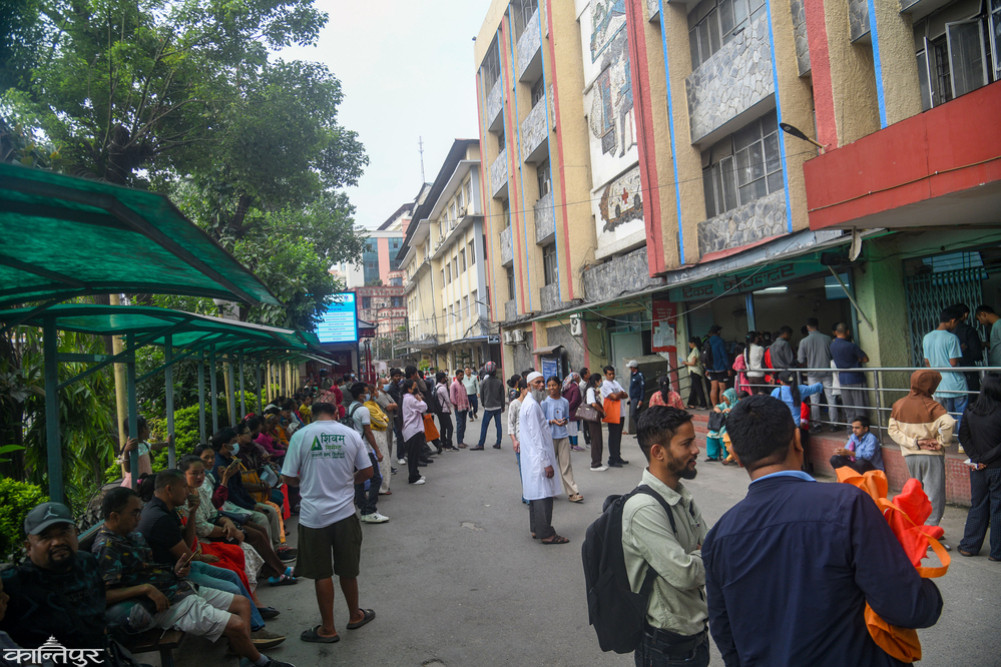
The two-day holiday and the closure of health insurance at other hospitals have led to an increase in the number of patients, delays in the tender process for the purchase of medicines and other essential supplies due to the absence of officials, failure to repair damaged equipment, and occasional strikes by health workers, resulting in patients being harmed.
We use Google Cloud Translation Services. Google requires we provide the following disclaimer relating to use of this service:
This service may contain translations powered by Google. Google disclaims all warranties related to the translations, expressed or implied, including any warranties of accuracy, reliability, and any implied warranties of merchantability, fitness for a particular purpose, and noninfringement.
It was the end of the second week of June. A man in his 40s had gone to the emergency room of Bir Hospital for treatment after experiencing unbearable chest pain. The doctor suspected that the patient had suffered a heart attack and concluded that a prothrombin time/international normalized ratio (PTINR) test was needed.
The PTINR test is a test used to check the blood's clotting ability. Such a test is often required in patients taking blood pressure medication. However, due to the lack of reagents required for the test, such a service has been suspended in Bir for the last five months. This situation has arisen in the hospital because the tender process was not started on time.
The patient, who was suffering from heart attack pain, was asked to sit in a bed where two other patients were already sleeping. Because it has become common for three to four times more patients to come to the emergency room than the number of beds and to keep them in such a cramped space. After the test was stopped due to the lack of reagents, further treatment was affected and the patient died at that time.
Two health workers working at the hospital confirmed the incident and said, “There was neither a senior doctor at that time nor could the test be done. Even the patients who could have been saved could not be saved.” After the patient died in the emergency room, the families of the deceased refused to accept the body, saying that the patient died due to negligence. A doctor working in the hospital’s emergency department, on condition of anonymity, said, “There was a huge commotion in the hospital after the patient’s death. It took two days to convince the family members to accept the body.” Another health worker working in the emergency department who is aware of the incident said, “They were demanding a job and compensation for a family member from the hospital. I don’t know how they reached an agreement.”
The hospital administration refused to provide the contact details of the deceased’s family and other information that would reveal their identity. However, we also asked the hospital’s acting director, Associate Professor Dr. Prabha Chapagain, and spokesperson Dr. Prakash Budhathoki about the incident. They admitted that the test could not be done on time due to lack of reagents and the patient died, but said that there was no medical negligence. They also said that they used to send such tests to other hospitals in similar situations. Acting director of the hospital, Chapagain, said, “There is a shortage of reagents required for the PTINR test because the purchase was missed in the previous tender. The process has been started and the supply will probably be done by next week.”
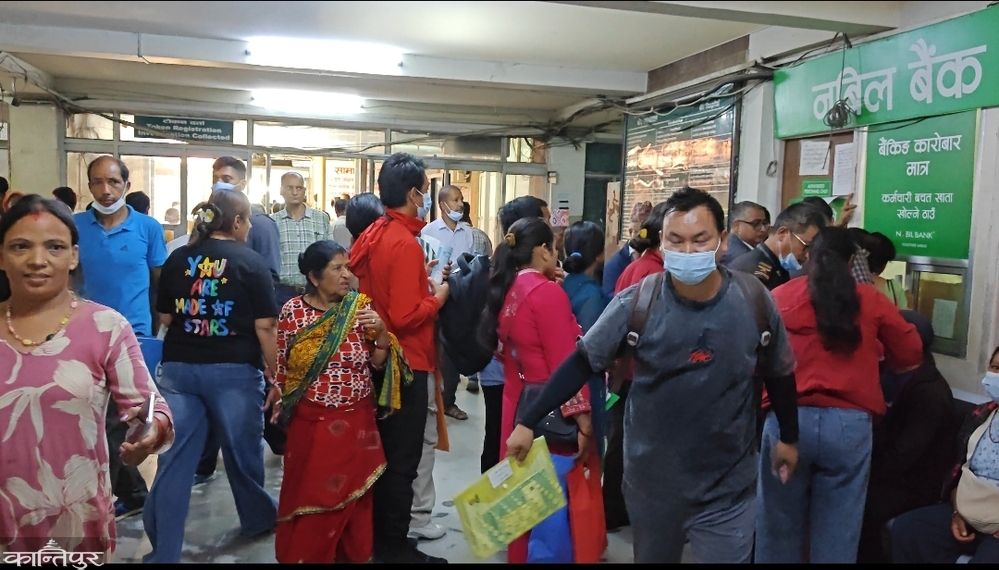
The list of problems inside Bir Hospital is long. Which has become more complicated in recent months. After major government hospitals including Tribhuvan University Teaching Hospital in Maharajgunj, Manmohan Cardiothoracic Vascular and Transplant Center, Shahid Gangalal National Heart Center in Bansbari, some completely and some partially stopped the treatment provided under the health insurance program since the first week of Magh, the pressure has come on Bir Hospital.
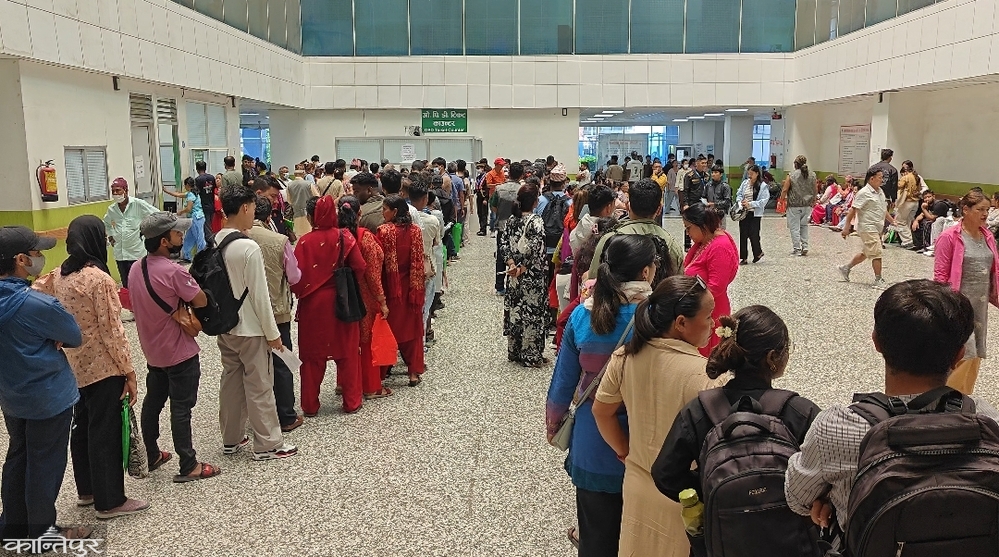
According to the hospital administration, this hospital, which used to receive 2,000 to 2,500 patients daily before Magh, has been receiving 4 to 5,000 patients daily since Baisakhi.
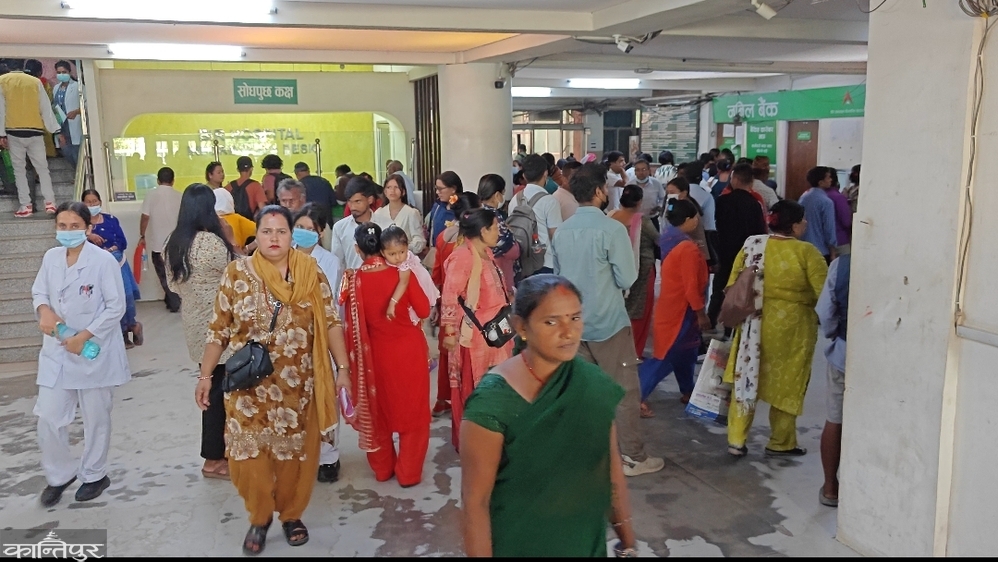
Another reason for the increase in the number of patients at the hospital is the two-day holiday policy implemented by the government since the last week of Chaitra. Due to the two-day holiday, patients pile up from Friday and suddenly become crowded on Monday. Amar Singh Baniya arrived in Kathmandu last Saturday with his 90-year-old mother from Gorkha. He had come to Kathmandu with the hope of getting his mother's treatment through health insurance. He had initially gone to the teaching hospital in Maharajgunj. But after learning that treatment would not be available through insurance, he reached Bir on Sunday.
After learning that services would not be available at Bir on Sunday, he was forced to stay in a hotel. When met at Bir Hospital on Monday, he said, "Bir came from Maharajgunj. The medicine that was given for three months has also been reduced." As Amar Singh said, after the government cut the insurance service, the hospital has also reduced the medicine that was previously given to the chronically ill for three months and is now providing them for only one month. Due to this, the chronically ill are forced to visit the hospital every month.
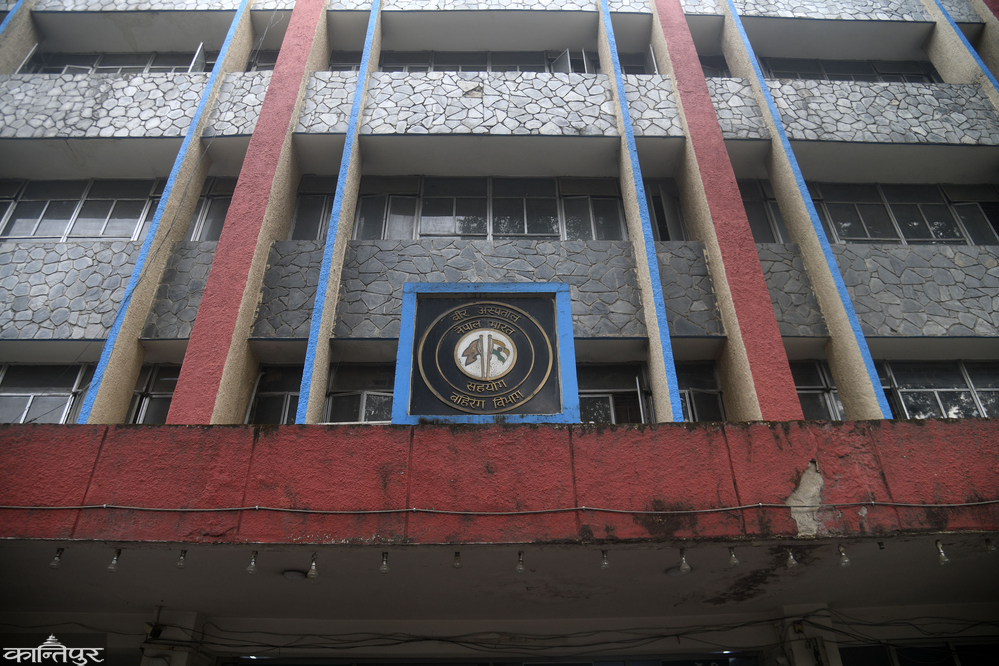
Ammar Singh is not the only one to suffer from such a problem. Asmita Neupane, 33, a resident of Narayantar, Jorpati, had been suffering from severe headaches for a long time. She had not sought treatment for it, considering it a migraine problem. But when her vision started to blur, she went to Tilganga Eye Hospital in Gaushala for treatment.
The ophthalmologist there suggested that she bring the MRI report as soon as possible because it was suspected that she might have brain vein swelling. According to the doctor, the vein could rupture and that could even be life-threatening. Since MRI services were not available at Tilganga Hospital, Neupane first tried to get an MRI at Tribhuvan University Teaching Hospital and then at Bir Hospital. "I could not get services because of the long queues at both government hospitals for months and was finally forced to go to a private hospital," she said, "I was forced to pay exorbitant fees at a private hospital to get services."
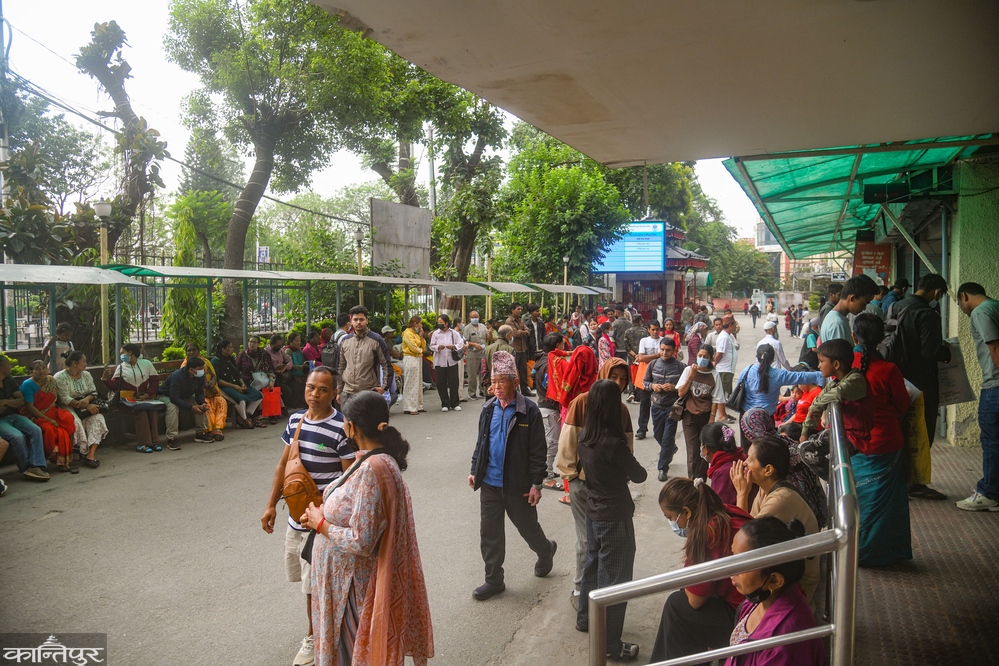
On the one hand, the pressure of patients is increasing in the hospital, and on the other hand, the patients are paying the price as the tender process for purchasing necessary materials including medicines has not started. The problem of Bir Hospital, which is run as a teaching hospital of the National Academy of Medical Sciences, has become even more acute after the officials of the institution were relieved of their posts following the ordinance brought by the new government in the third week of Baisakh. Because the newly appointed acting director has not been able to move the tender process forward.
At present, relatives of patients are seen walking around the hospital carrying X-ray films in their hands. Whereas until two months ago, such films were given in paper envelopes. Behind this changing scene inside the hospital, it is not the work of any new rules but the effects of the tender process not starting on time. To some extent, nurses and health workers working in the hospital force the relatives of patients to buy them because the administration has not provided masks and gloves.
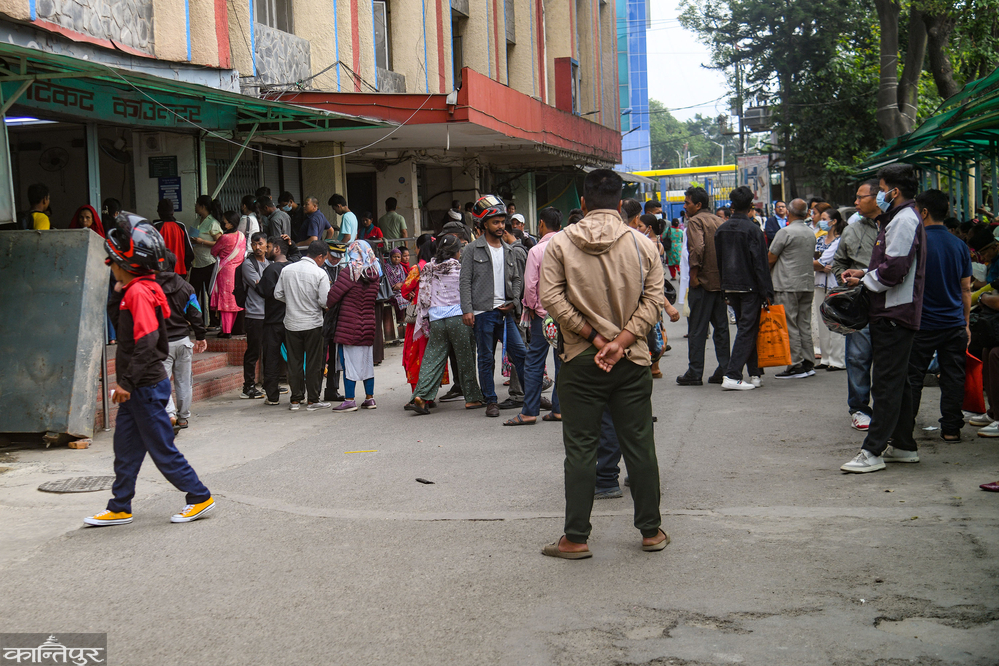
Both the lifts designed for disabled patients in the hospital are not operational. One has been out of service for three months and the other for two months, said an employee of the hospital administration. Since the lifts are not working, patients are being carried up to the fourth/fifth floor by themselves or on the backs of relatives.
The same chaotic situation is also present inside the intensive care unit. There are 18 beds in the unit called 'ICU A'. Out of these, only 11 are operational due to lack of staff and equipment. This is not the only problem at Bir Hospital. If you want to get such a facility that is available for 3/4 thousand in Bir, you have to pay at least 12 thousand per day. Dental treatment services have also been disrupted for a long time. You have to wait for a year for dental treatment and 6 months for dental bonding services.
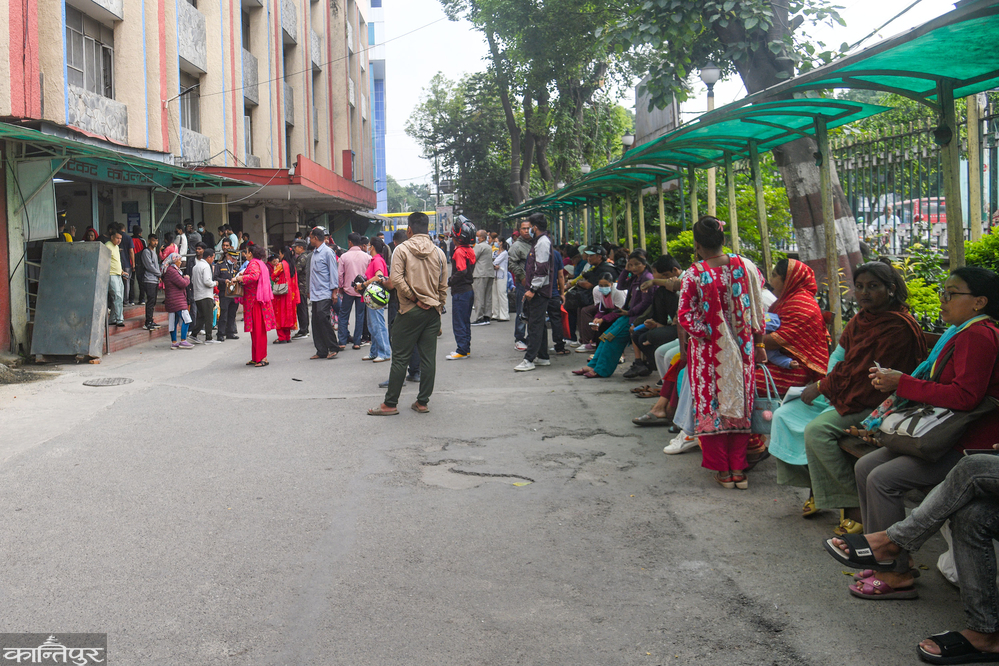
On the one hand, there is a crowd of patients at Bir Hospital, while on the other hand, contract employees are protesting from time to time. For example, about 200 health workers working on contracts and 450 trainee doctors who came for studies from the Medical Education Commission have been protesting for the last two months for not receiving their salaries. The patients are also feeling the effects of this.
There are many examples of the hospital not repairing damaged equipment on time. The general public is also paying the price for this. For example, one of the two CT scan machines in the hospital has been broken for seven months and the other for a month. Before the closure, the hospital used to provide such services to 90 people daily. Patients who get such services for 2,500 to 4,000 rupees in Bir are forced to pay 9 to 10 thousand rupees in private hospitals.
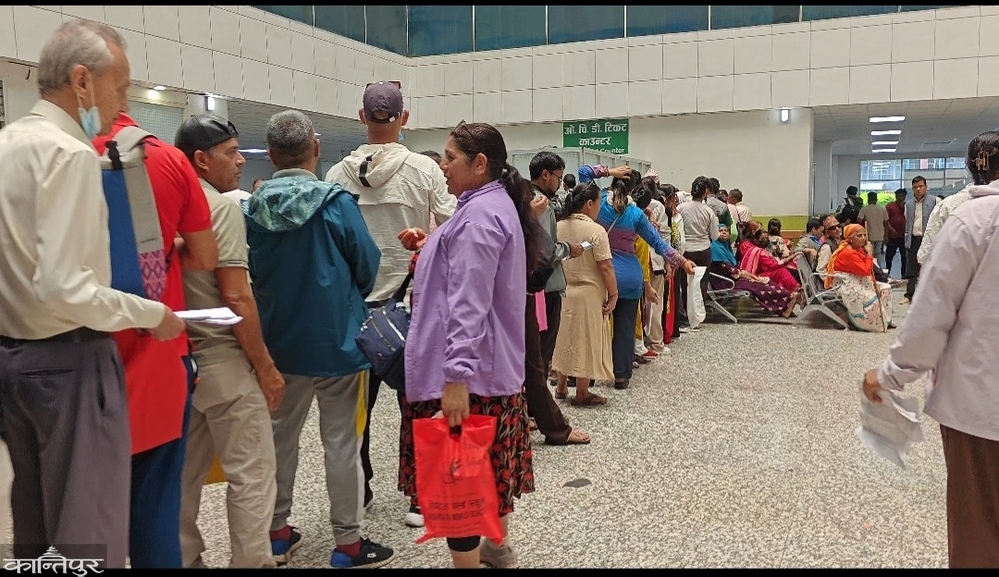
Due to the lack of CT scan services, relatives of patients are forced to take even seriously ill patients out of the hospital. Acting director of the hospital, Associate Professor Dr. Prabha Chapagain, said that the agreement for the repair of the CT scan machine will be finalized by Monday. She said, "We have called the company's representative. The repair agreement is being finalized on Monday.'
Acting Director Chapagain said that she alone does not have the right to make decisions. 'Earlier, there was a VC, registrar, director, and rector regarding health insurance medicines. It would have been easier to take any decision in a group. Now, I alone do not have the right to make decisions. I will work so that daily services are not interrupted,' she said.