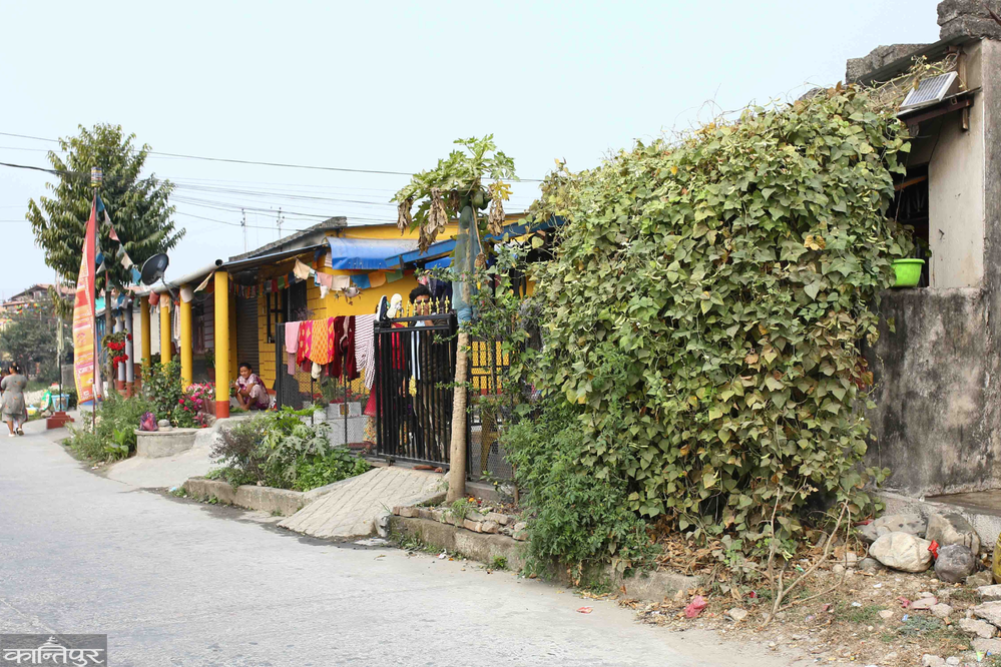
When you reach the inner streets of the settlement, you find that one old concern has taken up residence more than election enthusiasm - that is, the red papers.
We use Google Cloud Translation Services. Google requires we provide the following disclaimer relating to use of this service:
This service may contain translations powered by Google. Google disclaims all warranties related to the translations, expressed or implied, including any warranties of accuracy, reliability, and any implied warranties of merchantability, fitness for a particular purpose, and noninfringement.
Simaltar Basti, located in Ward No. 11 of Hetauda Sub-metropolitan City of Makawanpur, is currently in the midst of election fervor. The streets are lined with political party workers carrying flags and candidates walking with microphones. However, when you reach the inner lanes of the settlement, you will find that more than the election enthusiasm, one old concern has taken up residence – the Lalpurja.
This settlement, located in Makawanpur Constituency No. 2, is an area with a majority of squatters and unorganized settlers. There are about 2,800 households here. As the election approaches, candidates are reaching this ‘vote bank’ with many promises and assurances. However, the residents here are not in favor of being fooled by assurances this time.
The only question voters ask every candidate who reaches Simaltar for election campaigning is – ‘When will our Lalpurja arrive?’. Local Parvati Moktan says, ‘Our biggest problem here is the red papers. Whoever gives the red papers, we vote for him.’
People have been living in this settlement for 15-20 years. They have been working hard on this land for two decades and have not been able to get a document (red papers) that they can call their own. In previous elections, leaders sold the same agenda and got votes, but locals complain that they did not come back after winning the election.
Farming of assurances and voter discontent According to local Parvati Muktan, no matter which party comes, the candidates say, ‘We will give the red papers, we are taking the initiative for you.’ However, nothing has happened in practice so far. ‘The survey is done, but the next day that survey is canceled again.’ No hearing has been held, Muktan said angrily.
According to her, the leaders have only made the poor people a stepping stone. 'No matter who the current government or leader comes, nothing has happened to us. Now we hope that the new party will do something, after all, we poor people will die,' she lamented.
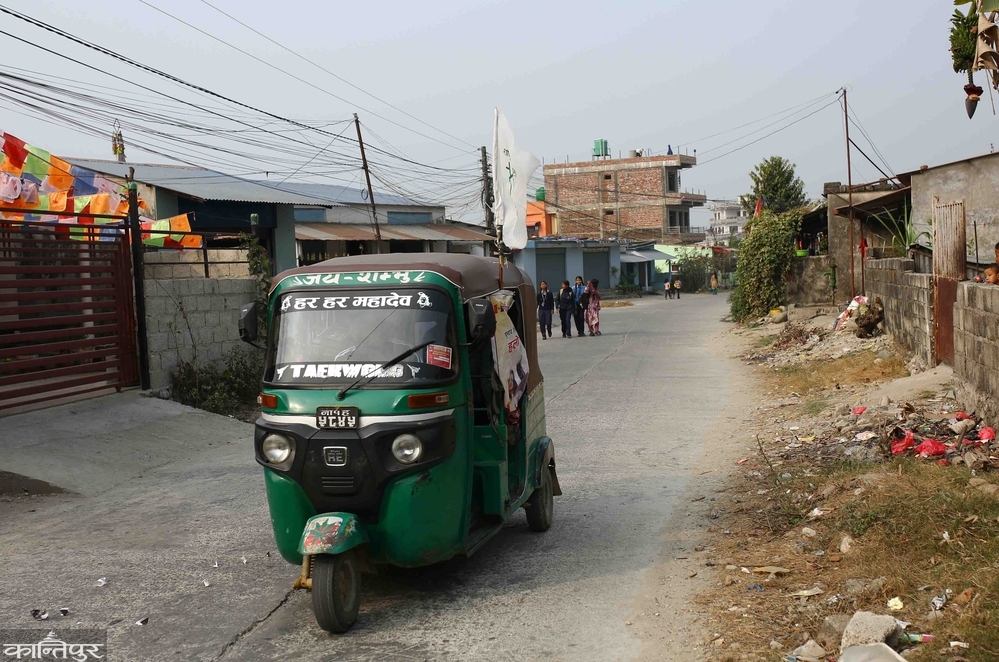 No election excitement
This time's election has seen a slightly different scene compared to the past. According to local Srijana Syangtan, there is no such cheerful excitement this time. Only a few candidates have come and they only return after miking.
There are many families in Simaltar who have bought land here with the money they earned by working hard and earning abroad. Parvati Muktan is one of them. She says, 'We are also squatters, we have bought this land after earning nothing and living abroad. However, the house built with so much property and money does not have a title deed.'
Due to the lack of title deed, the residents here are facing a lot of administrative hassle. They feel unsafe as they cannot work without a valid identity card for any government or personal work. Ramhari Chaulagain, who came from Rautahat and is doing business here, also says that the main problem here is ‘rich identity cards’.
Voting rights taken away due to lack of citizenship Simaltar settlement has a similar problem not only with valid identity cards, but also with citizenship. There are also such youths in the settlement who are deprived of the right to vote even after reaching the age of majority due to lack of citizenship. Jamuna Sangam, who is 20 years old, said that she will not be able to vote this time due to lack of citizenship.
‘They said that they would make citizenship available during the elections, but nothing has happened so far,’ said Jamuna. Due to lack of citizenship, she is not only deprived of exercising her right to vote, but is also deprived of other services and facilities provided by the state.
The common agenda of the candidates is the same
In Makawanpur constituency number 2, which includes Simaltar, 23 candidates, including independents, are in the fray this time. In constituency number 1, there are 21 candidates. Despite the large number of candidates, the agenda is common to all – development and Lalpurja.
However, voters are giving priority to the stability of their homes (Lalpurja) rather than the roads and electricity built in the name of development. Lalpurja has become a dream for nearly 2,800 households in Simaltar. Even if they have access to drinking water, electricity and roads, all development seems incomplete without Lalpurja in their hands.
Will this election deliver Lalpurja? It is not new for the people of Simaltar to see leaders in the settlements and distribute assurance packages during elections. However, this time the voters seem to be aware. They have clearly told the candidates – 'Vote to the one who gives the title deed.'
The patience of the voters, who have been making the same demand for 15-20 years, is now starting to break. The squatters and unorganized settlers of Simaltar, who are standing on the brink of assurance, are expecting concrete results from this election. Will the land titles be added to the hands of the Simaltar residents after this election? Only time will tell. Hetauda-11, Simaltar Basti.
The landless squatters of Simaltar, located 3 kilometers west of the Hetauda market area, receive the assurance of land ownership titles in every election. After every election, the parties and candidates promise to provide land ownership titles (Lalpurja). Elections come and go, but they neither have the Lalpurja in their hands nor the right to occupy the land they are living in.
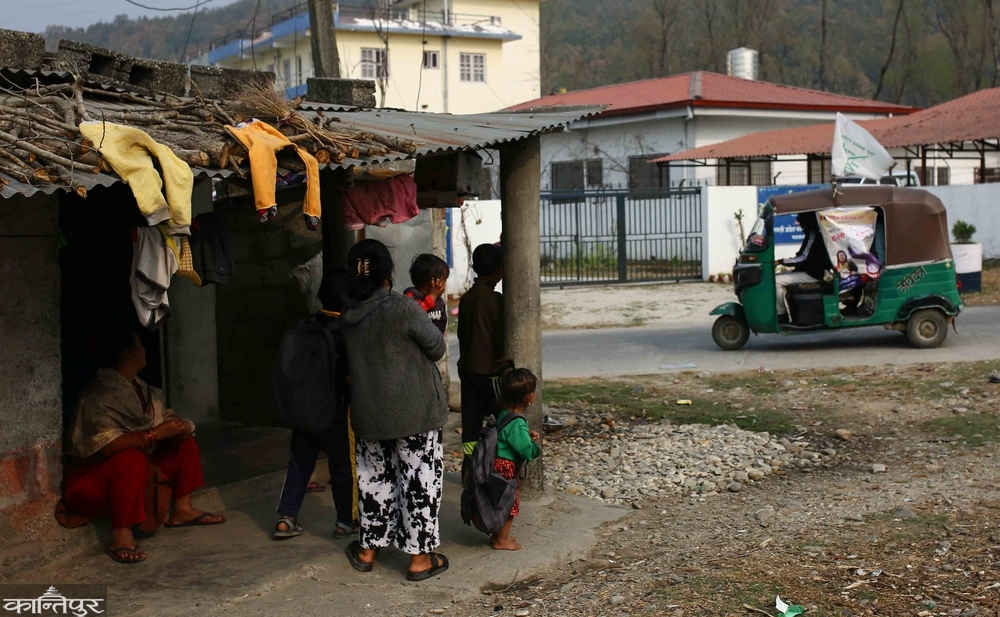 Simaltar, the capital of Bagmati Province, is a large tole development organization with the largest number of households. There are more than 2,800 households. However, the residents here do not have the title deeds of the land they are talking about. This is not a recent problem. They have been facing this problem for years and their problem does not seem to be resolved.
In fact, Simaltar has paved roads, drinking water, electricity and sewage systems. But due to the lack of title deeds, the locals here cannot take loans by mortgage their houses, feel legal insecurity and are uncertain about their future. The residents of Simaltar, located in the heart of the capital of Bagmati Province, have been waiting for the title deeds for three decades. In every election, the parties and candidates have the same question: 'When will we get the land title deed of the place we live?'
This time, the Simaltar Toll Development Organization and the National Land Rights Forum Nepal are meeting the candidates and party leaders who come to the toll and handing over the attention letter. They say that the question 'Why haven't we got the land title deed? When will we get it?' will no longer be limited to the election agenda. Govinda Prasad Neupane, the municipal chairman of the National Land Rights Forum Nepal, Hetauda, who is also a local resident of Simaltar, said that this time they have sought a commitment from the candidates using the opportunity of the House of Representatives election.
According to him, so far, the candidates of Constituency No. 2 of the Congress, Buddha Lama, Maheshwor Bartaula of the UML, Ram Bahadur Thokar of the RPP, Lavasher Bista of the NCP, Santosh Bista of the Pralopa, and others have expressed their commitment to take the initiative to obtain the land title deed.
According to Devkrishna Thokar, president of Simaltar Toll Development Organization, the process has not been able to move forward due to legal complications related to buffer zones, reserves and forest areas. However, if the MP elected from here takes the initiative, he says that their demands can be addressed even by amending the law. ‘Even if the law is amended, the families living here should be managed.’ The MP elected from here had to raise our issue forcefully in parliament,’ he said.