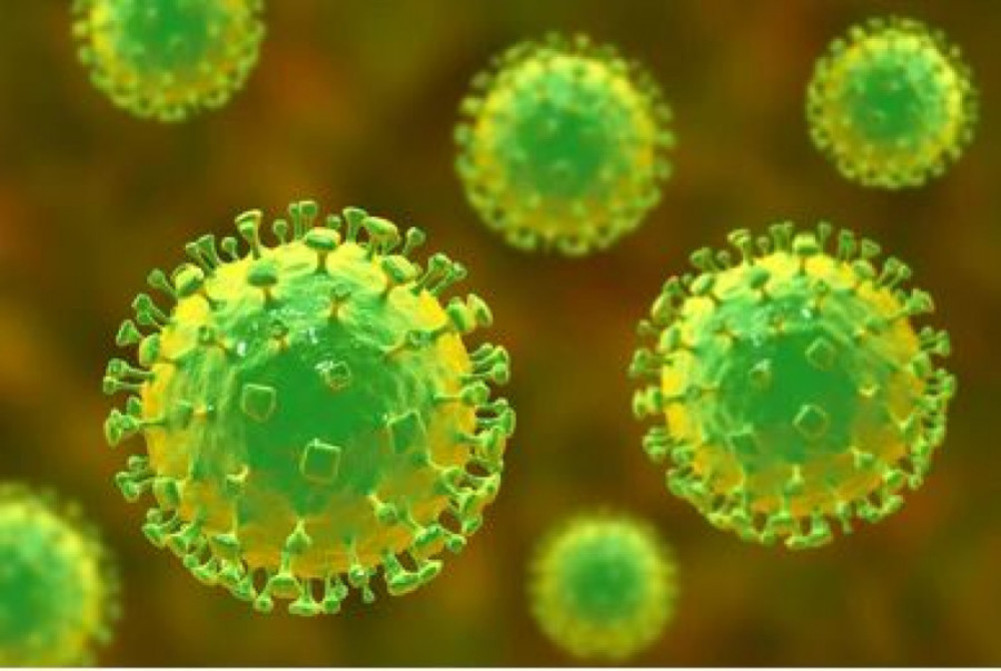
According to the WHO, symptoms can develop within 3 to 14 days after exposure to the Nipah virus. Symptoms include fever, headache, cough, sore throat, and difficulty breathing. Some people may also develop brain swelling. In severe cases, confusion, fatigue, and seizures may occur.
We use Google Cloud Translation Services. Google requires we provide the following disclaimer relating to use of this service:
This service may contain translations powered by Google. Google disclaims all warranties related to the translations, expressed or implied, including any warranties of accuracy, reliability, and any implied warranties of merchantability, fitness for a particular purpose, and noninfringement.
The Epidemiology and Disease Control Division has directed hospitals across the country to provide information on patients showing symptoms of Nipah virus and those who have died due to such symptoms. The division has issued this directive in view of the possibility of the deadly Nipah virus infection spreading in Nepal.
After the infection cases were seen in the Indian state of West Bengal, Nepal has also started adopting alertness . At least 5 people have been infected with the Nipah virus in West Bengal within a week. Similarly, Indian media has reported that about 100 people have been sent to quarantine.
‘People infected with the Nipah virus are less likely to come to Nepal through the border. Because the infected are usually serious and cannot travel on foot or by bus,’ said Dr. Amrit Pokharel of the division, ‘These patients are more likely to come directly to the hospital and we have asked the hospitals to be alert. We have also alerted the health desks set up at the border about this risk.’
According to the World Health Organization (WHO), symptoms can develop in a person infected with the Nipah virus for 3 to 14 days. During this period, symptoms including fever, headache, cough, sore throat, and breathing problems may appear. Some people may also develop brain swelling. In severe cases, confusion, fatigue, and seizures may occur. Doctors say that in some cases, patients can even go into a coma for 24 to 48 hours. The WHO has stated that the risk of death from this disease is 40 to 70 percent. Doctors say that Nipah virus, like the coronavirus, is also a zoonotic virus. However, it is much more deadly than this coronavirus. In most cases, this disease can be transmitted to humans through infected animals. The disease can also be spread by eating the meat of infected animals. There is a risk of this virus being transmitted to many people from bats.
The Nipah virus was first identified in 1999.
In Malaysia and Singapore, people who came into contact with infected pigs developed respiratory problems and brain swelling. In West Bengal, India, in 2001, 66 people were infected with the Nipah virus. 45 people died. The epidemic recurred in 2007. All five infected people have died so far. In 2018, 17 people died in Kerala due to this virus. Experts have said that this problem should be taken seriously.
‘This virus is very deadly compared to other respiratory viruses,’ said Dr. Sher Bahadur Pun, head of the Clinical Research Unit at Shukraraj Tropical and Infectious Diseases Hospital, Kathmandu. ‘Its initial hosts are bats and pigs. Which are found in our country. It can also be transmitted from person to person.’
Doctors also said that bats can easily enter Nepal from India due to the similar environment and proximity. Similarly, there is a risk that infected people can also enter due to the open border.
There is no treatment for Nipah virus yet. Health workers are treating it based on symptoms.
Related news
Nepal on alert after Nipah virus was detected in the Indian state of West Bengal