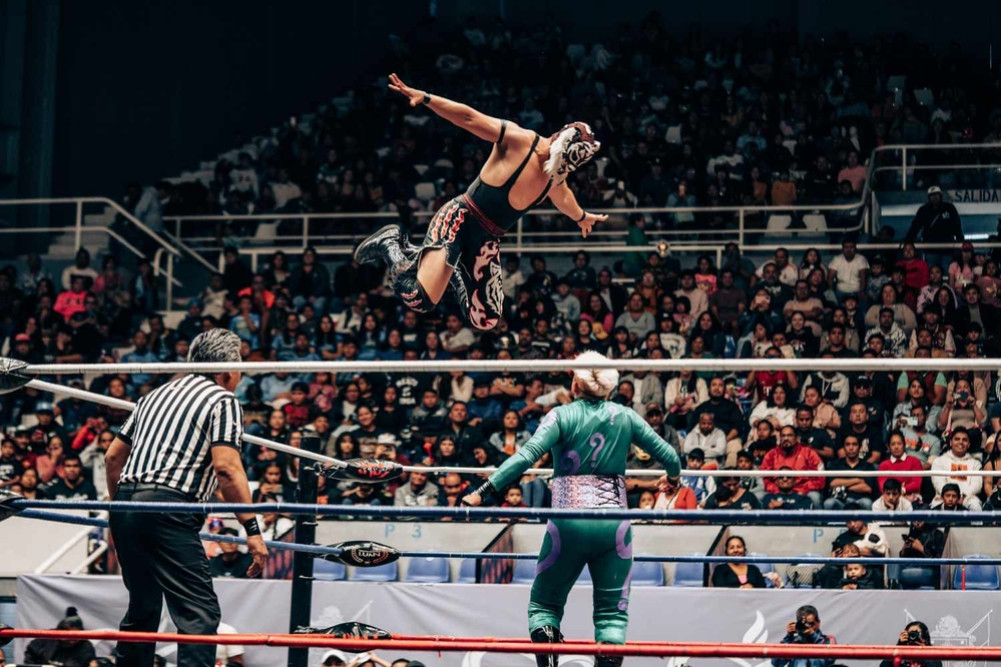
Tourists from all over the world have also been captivated by the allure of this sport, which, along with football, is a matter of national pride and interest here. Once inside the wrestling ring, they forget about the football fever for a few hours.
We use Google Cloud Translation Services. Google requires we provide the following disclaimer relating to use of this service:
This service may contain translations powered by Google. Google disclaims all warranties related to the translations, expressed or implied, including any warranties of accuracy, reliability, and any implied warranties of merchantability, fitness for a particular purpose, and noninfringement.
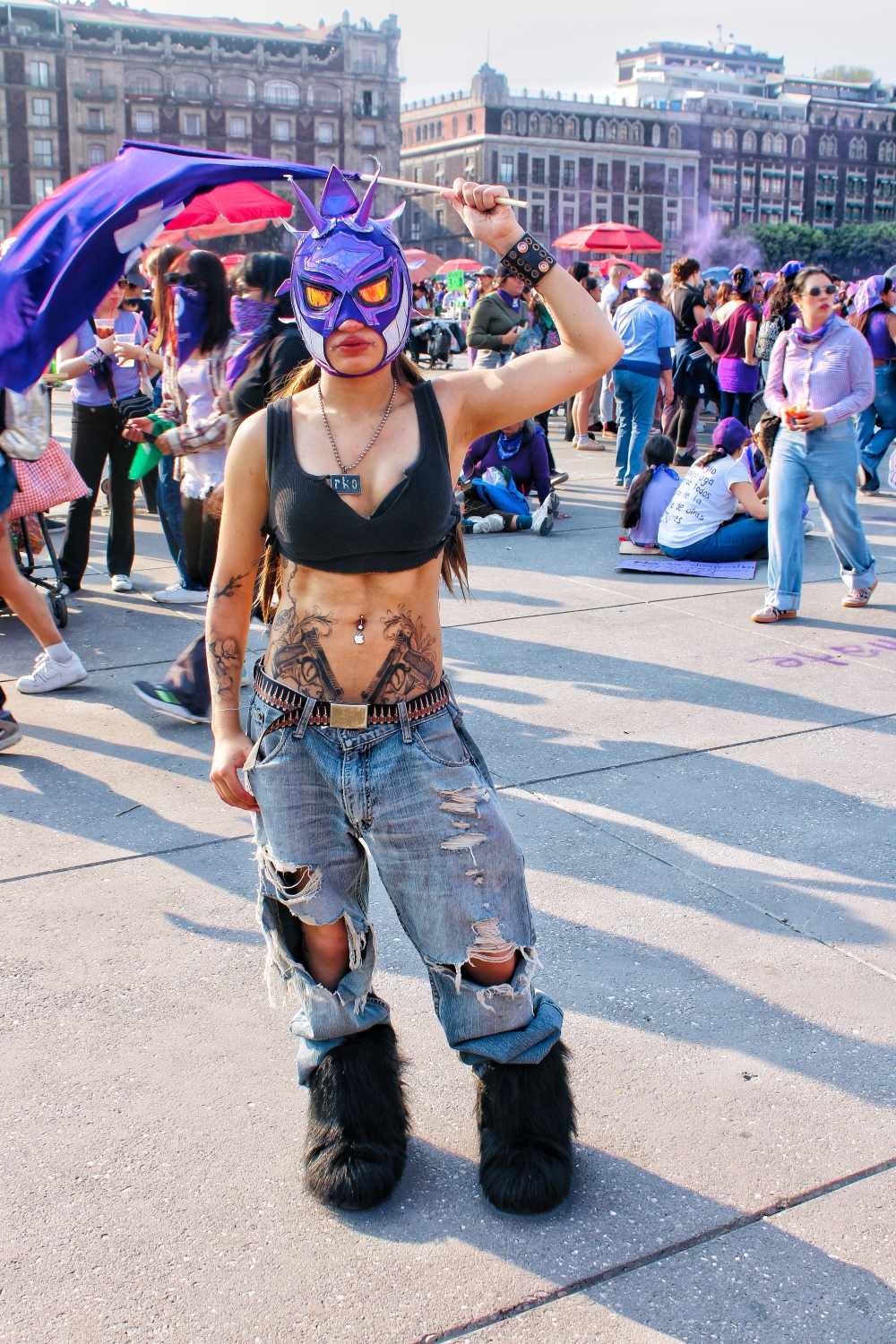
They are everywhere; around stadiums, on the streets, and drinking beer in bars. The unknown masked wrestler has become a symbol of the ongoing World Cup in Mexico, often seen in crowds of Mexican wrestling fans.
Tourists from all over the world have also fallen in love with the sport, which, along with football, is a national pride and interest. Once inside the wrestling ring, they forget about football fever for a few hours.
While the exciting World Cup match between Spain and Uruguay was going on in Guadalajara, tens of thousands of lucha libre fans were busy watching the spectacular match between Sammy Guevara and The Beast Mortos against the duo of Mistico and Máscara Dorada in the wrestling ring. The June match took place at the prestigious Arena Mexico, considered the main center of lucha libre.

Manchester native Andy Winston, who has been to Mexico with his family to support England in all three World Cup host countries, Canada and the United States, said: “It was really great, we had a lot of fun. You can’t come to Mexico and not watch lucha libre. It’s an ancient and great tradition here.”
Fans in the stands were cheering on their favourite wrestlers wearing national team jerseys from countries such as England, Japan, South Korea, Brazil, Colombia, Spain and Mexico.
Brazilian Henrique Nunes dos Santos said: “It was a much better and more amazing evening than I expected. You feel so involved in it, it’s all real. There’s a different kind of energy here.”
Wrestling in Mexican DNA
Mexican lucha libre has a history dating back to the early 20th century. Its style, which combines techniques from American wrestling and Greco-Roman wrestling with aerial acrobatics and entertaining performances, has created its own identity and has become part of Mexico's identity. In 2018, it was declared a cultural heritage of Mexico City.
"Lucha libre is deeply rooted in our roots," said Julio Cesar Rivera, spokesman for the World Wrestling Council. "For almost 93 years, it has not only been part of our lives as Mexicans, but has also made us known around the world."
These in-ring matches are based on the eternal struggle between good and evil. The good side is known as "tecnicos" and the evil side as "rudos." In this in-ring struggle, they combine drama and tradition, with the masks used most often drawing attention.
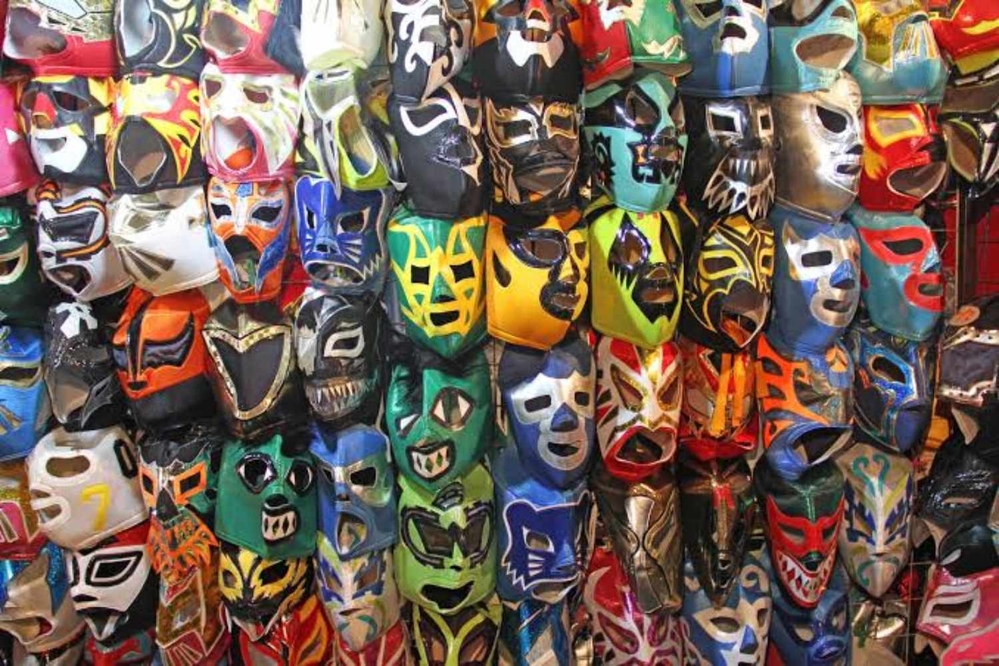
These masks are often bright and colorful. But sometimes they also look scary, with superheroes, animals or other symbolic figures. It not only hides the wrestler's face, but also reflects their other hidden form, cultural heritage and mysterious power in the ring. Therefore, each mask is carefully designed to reflect personal and cultural significance in a unique style.
Lucha libre wrestlers have created a secret identity within their masks, and in doing so, they have become national symbols. Therefore, they rarely reveal their real names to maintain secrecy.
"Lucha libre is my life," said the 30-year-old wrestler known as Star Black. As a child, he used to help his grandparents sell similar masks. ‘I gradually fell in love with the masks, capes, jumping kicks and lucha libre moves, and one day I decided to learn wrestling.’ He later became a wrestling idol himself.
Football fans also get into lucha libre
Although lucha libre is already a popular attraction for tourists visiting Mexico, with the World Cup, the world’s biggest football festival, lucha libre masks and wrestling matches are starting to appear on the streets outside.
According to José Ángel Garfias Frías, a lucha libre expert at the National Autonomous University of Mexico, Mexico is relatively cheap for football fans who come to watch the World Cup while prices are skyrocketing in other host countries.
Lucha libre masks are found alongside national flags around Mexican stadiums. Some fans have even demonstrated wearing masks, despite FIFA's safety rules banning masks inside stadiums.
Garfias says the two national sports have had a close relationship for decades. The best example of this is Argentine soccer player Gabriel Pereira. He would wear a Místico mask after scoring for Mexican club Cruz Azul.
"Lucha libre is Mexico," said Claudio Diaz, one of the many masked people who took to the streets of the capital to celebrate Mexico's second win and their trip to the knockout stages. It's part of our identity and it's as popular as football.'
While football remains the country's biggest passion, for many, lucha libre is a true reflection of Mexican society, with passionate fans from all walks of life coming to watch every Friday night.
Wrestler Dragan Lehendario said, 'I think football doesn't fully represent us Mexicans, lucha libre represents us even more. People from all walks of life, from grandmothers to businesswomen and women who run small restaurants, are fans.'