The true witness of history is film, which speaks the language of truth and inspiration. What language did Nepali films speak in the past 60 years?
We use Google Cloud Translation Services. Google requires we provide the following disclaimer relating to use of this service:
This service may contain translations powered by Google. Google disclaims all warranties related to the translations, expressed or implied, including any warranties of accuracy, reliability, and any implied warranties of merchantability, fitness for a particular purpose, and noninfringement.
Films telling the story of Ajib and Tilasmi in the multiplexes of Pooratattvik and Adim Chowk – Dubliners have been creeping through the crowd for years – in search of familiarity and identity. The films are reciting the context-stories of the events, statements or thoughts of their time in the squares, streets, malls and halls of the city. The audience's interest and the process of creating social psychology is also creating the mainstream of the film. What is the mainstream of Nepali film?
If we consider the film as a mirror of the society as per the old definition, then it can also be said that Nepali society is now in nostalgia psychology. As society enjoys watching movies, it lives in psychology. Among the films that were screened yesterday-today, there is data that the audience is more engrossed in the films of nostalgia psychology. The society is now trying to preserve the memory, one tapka is shouting the political slogan of 'Raja Aau' and living in the story of 'Puranai Ok'.
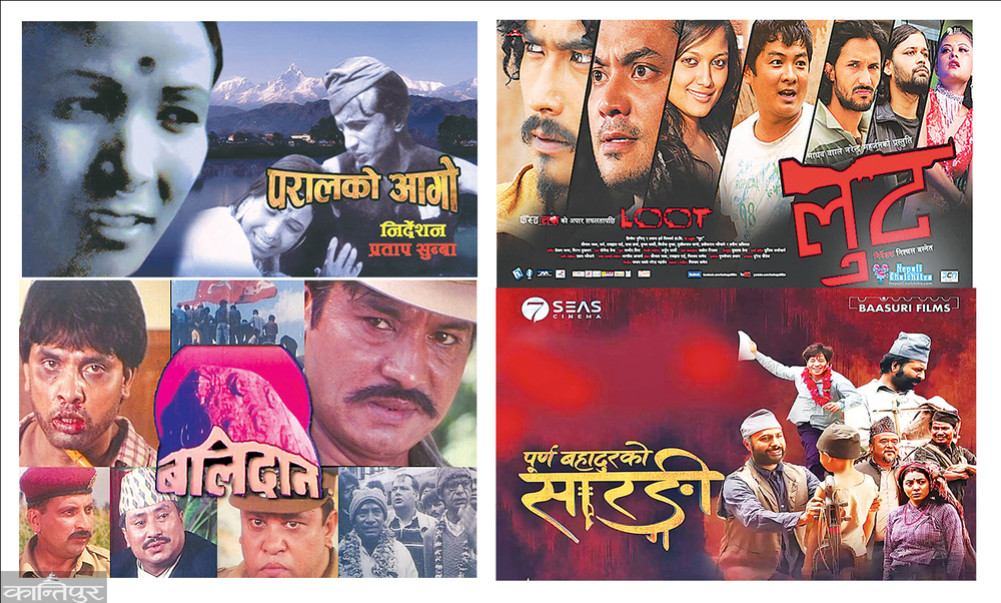
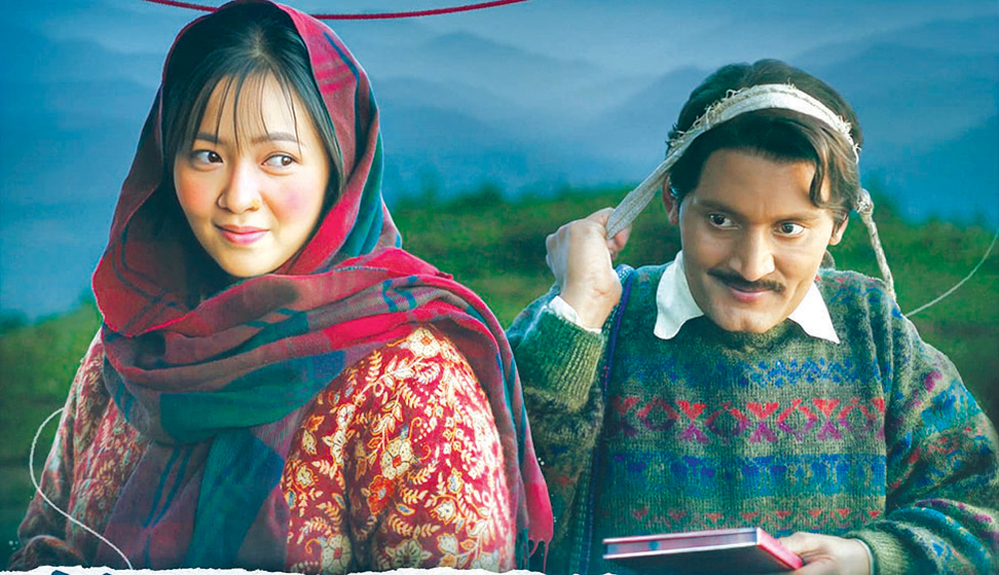
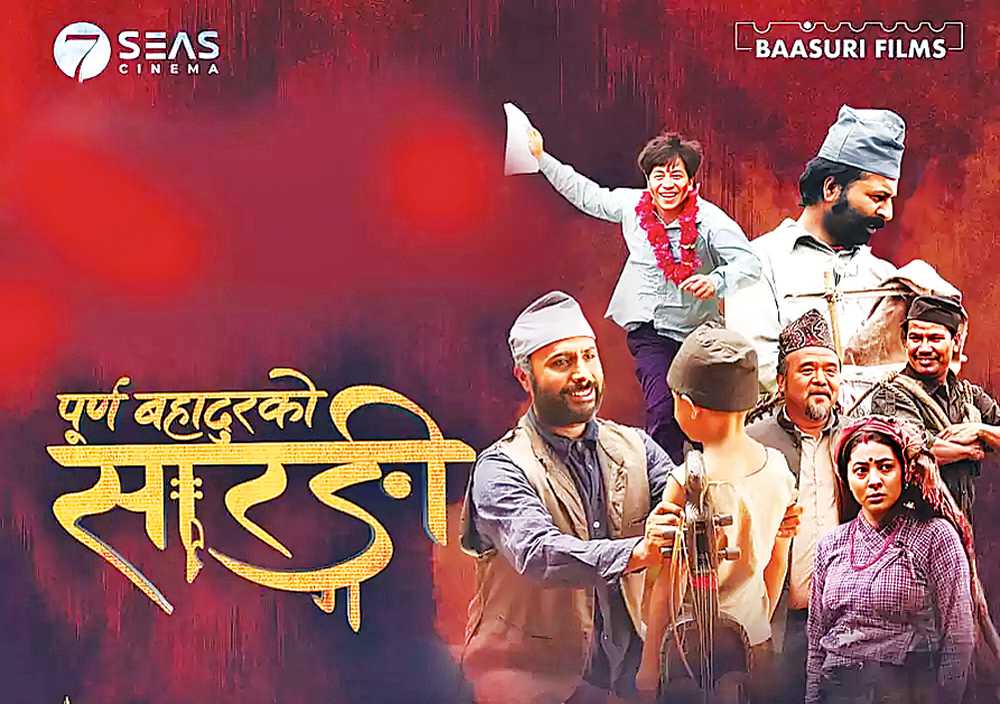
Blockbuster films 'Poorna Bahadur Ko Sarangi' and 'Oonko Sweater' are seen - the audience is engrossed in nostalgia. A person who has entered the city from the village is returning to the village, through the film. Economically and socially, he has concentrated himself in the city, but he has not been able to forget the village. His memory lives on in the villages of Kuineto, Goretto and Sallaghari. She can no longer move around the village and enjoys connecting herself with the village on the pink screen of the film. The mentality of 'going to the village' once a year to perform Kulpuja has survived in the city. In the opinion of
film director Manoj Pandit, the audience has considered the film as 'Village-Puja' at the same level as Kulpuja. Pandit says that the current mainstream of Nepali films is nostalgia. "That's why the film is entering the village with the burden of Koseli on the artist, but the film is exploiting the village-psychology, the village is going to be exploited even more," says Pandit.
The beginning of the Nepali film era was due to the idea of how to make the psychology of Nepali society. Since the beginning of film production to make the people positive towards the panchayat system initiated by King Mahendra Shah, now that it has reached 60 years, the Nepali society has reached the stage of making its own psychological films.
should be the real witness of history - film. It is said that he speaks the language of truth and inspiration. But, what kind of language did Nepali films speak in these past 6 decades? What changes have come in Nepali films? How have the ages changed? How was the unprecedented leap in technology? What is the picture of the time captured through the lens of Nepali film-history? How is the sound and visuals in the background music of the film? Is it shiny or has the color faded and faded?
The film is a hit at the box office. We are excited to enter the Nepali Film Billion Club. However, the film is surrounded by question marks – is the film evaluated only by the arithmetic of the box office? Critics say that the film should be evaluated on the basis of what kind of psychology the film established in the society. Are today's blockbuster films leading society to success? Are the films directed by the market creative and creative?
The highest grossing film in 2081 was 'Poorna Bahadur Ko Sarangi'. Box office says - 'Poorna Bahadur Ko Sarangi' earned Rs 468 million gross and created a 'magnificent' history in film history. According to director Naveen Chauhan, 'Oonko Sweater', which was released in 2082 and is running in halls, has earned 12 crores so far.
But what happens in Nepali films? According to director Manoj Pandit, we are in a complete delusion and if we keep running behind the crores success of 'Poorna Bahadur Ko Sarangi', we will be beaten like strings of Sarangi. He says, 'We are confused by such success. Our films are not made because the craft is strong, the context i.e. time and relevance is becoming more dominant than the craft. If we have to match the context for the film to run, it does not make us creative.
We are watching the film, but what do we need in the film? Are we really enjoying the story or the pain? We like grief and are expressing grief in the form of stories. The film is not a solution to the problem, it is busy churning the pain,' says Pandit.
film 'Moving' and becoming 'beautiful' are different subjects like the sky and the ground. Among 'Content', 'Craft' and 'Context', 'Context' is powerful in Nepali films. Films with poor craft and content are still running because they touch on social psychology. We live in the status quo. Nepali films have become stuck, inertia is a big problem," Pandit said, "There is a lack of imagination in the content. We are telling stories with fatalism that we have to live in problems, thoughtless We are creating
content.'' The comedy was Nepali film Sweater Unne Ranchichangi Dhago. Now let's enjoy the melo-drama. Currently there is despair in the society and comedy does not work in despair. After adding pain in life, the audience also looks for pain and suffering in the film. Earlier it was enough to laugh, now you have to represent the audience.
Earlier there were those who entered the film through dance-song, action-fight. Now the actors who came from the theater are running the film and the story has become a 'hero'. Gurukul, Actor's Studio and Mandala Theater have guided Nepali films – Sunil Pokharel and Anup Baral's educational style is in the mainstream of Nepali films.
acting, knowledge-rich 'genius' actors from Khagendra Lamichhane, Bipin Karki, Dayahang Rai, Sougat Malla, Sarita Giri, Miruna Magar, Vijay Baral, Praveen Khatiwada, Bholaraj Sapkota, Deepakraj Giri to Jitu Nepal are appearing in the film. Like yesterday's 'rejected', tribal actresses are ruling the roost in films today - Miruna Magar or Jasita Gurung or Anjana Barailly or Pashupati Rai or Srijan Subba. In
films, the hero-heroine standard of the 'traditional' style, which seems archaic, has also changed. The audience started looking for a story like in the cinema, the director looked for a character that 'demands the story'. The film is now leaving the face-age and wandering into the story-age.
s have become more diverse in film, perhaps due to the influence of the identity movement. Coming as the 'root' of a tribal-story film is a happy, noble and 'beautiful' subject. "But, now the new Laskar Takk coming in the film has stopped," says Manoj, "the generation of new thinking is not ready yet."
In Manoj's understanding, the film has now come out of the essence of acting. Acting is not seen, but felt on the screen and with the story being 'hero', it has started to focus more on 'face value'. There is a crisis in acting and film writing. Due to this weakness, the film itself is at the point of failure. Why this happened was not noticed in the literature. The sign of literature and film weakened. There are no people who come to film writing after studying literature. This is the time when writers are lost and writers are being searched for in Nepali films. Films are dying due to lack of writers,' says Manoj.
heroism The definition of hero in
literature is Dhiralalit, Dhirprashant, Dhirodatt, Dhiroddhat, who is unconquered, good, characterful, truthful, strong, wise. The 'hero' i.e. protagonist of Nepali films was within this definition, around which the film revolved once upon a time. The heroes reveled in battles, item songs, dances on hills under the blue sky, tears, laughter and love stories. However, now the concept of the main character of the story is changing. In the opinion of
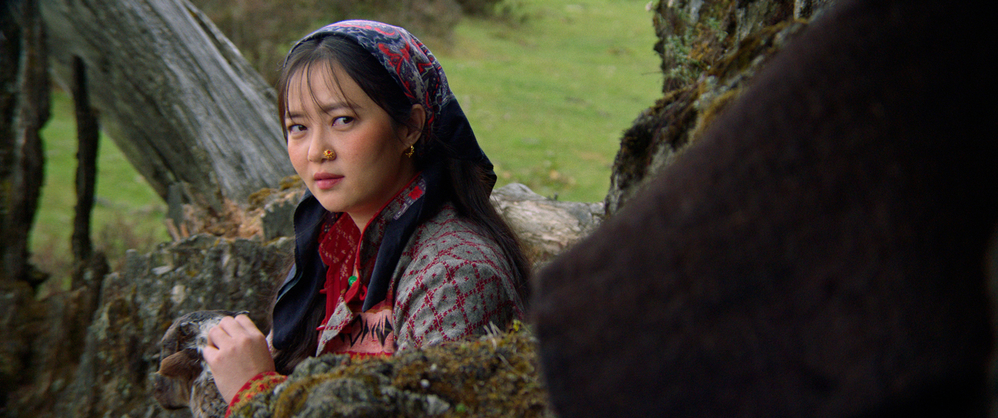
film director Anup Baral, 'hero' and 'hero' are different. A hero may or may not have the qualities of a hero. Many actors were born in Nepali films, they became heroes,' says Anup, 'although the cinematic performance of the hero was not seen.' The new face that was brought to destroy the 'heroism' of Rajesh Hamal, now we are looking for heroism in those same actors. Heroism was to be found in the character. The character should be a hero, the face of the artist has become a hero,' says Manoj.
What is the mainstream of Nepali film and what is inside 'Hero'? In the stories, BP Koirala, Bhawani monks brought Madhesh into the mainstream, but in the film, Madhesh and Madheshi faces were not attached. They played the role of a barber who cuts hair, a cobbler who sews shoes, and a paan shopper who sells paan.
However, Anil Yadav, the Vice President of 'Film Critics Society', is happy that the faces of Madhesh and Madhesi characters have entered the film since a decade ago, who also did his master's thesis on the topic of 'Characteristics of Madhesi characters in Nepali films'. Now Nazir Hussain, Ravindra Jha, Kameshwar Chaurasia, Pramod Agrahari are becoming strong in the film. Anil Yadav says, 'It is not enough, but it is pleasant. Even though it seems that Madhesh are included in the film, most of them aim to sell humor by blowing up the Madhesi characters. The character-portrayal of Madhesi characters in the film is flawed and discriminatory as a whole, now there must be a change.'
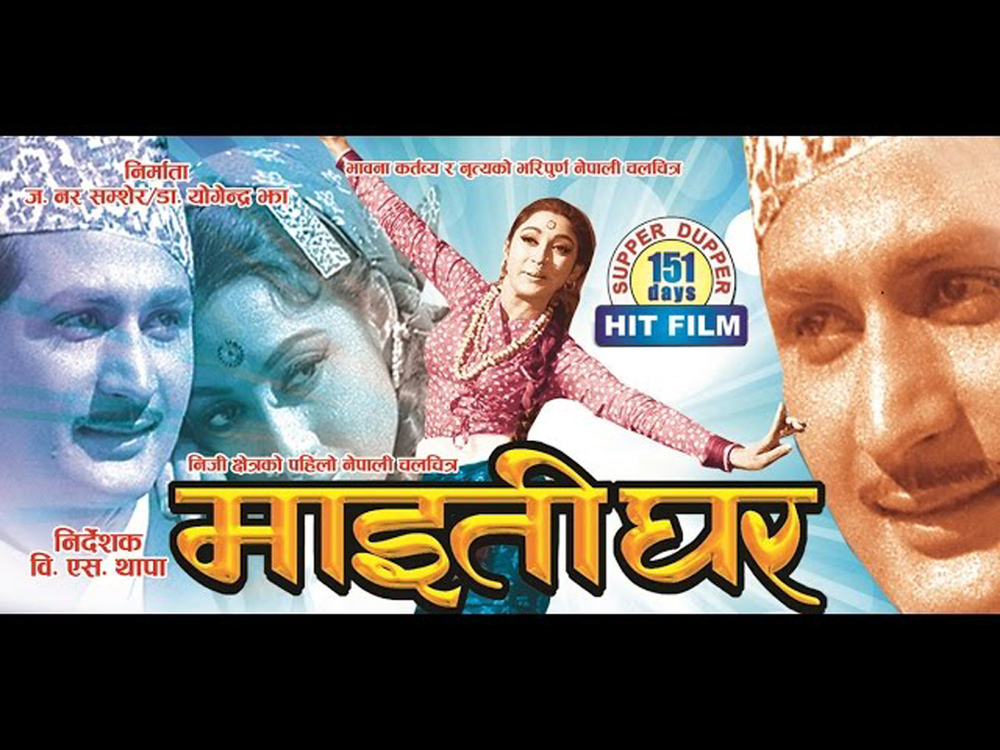
Deepak Rauniyar's 'Rajaganj', Deepak Rauniyar's 'Keti Bhagbo Innoka', which were released recently, have strengthened the comment that characters of Madhesi origin are also 'heroes'. "Looking at Madhesh and Madheshi characters in this film, you do not laugh, but join in serious thought. Is this a sign of a change in the hero?,' says Anil.
video to multiscreen
What is the biggest change in Nepali films? From black-and-white days to colorful and glittering multiscreen times, a single experience of witnessing Neer Shah can tell a big canvas story of this transformation. That change is likely technology. From video-single theater we have reached multiscreen. Neer, who has seen the dynamics of 'cinema making', is sitting on the edge of time and is amazed, he is amazed.
Neer has been a serious witness of Nepali film-change, watching with joy from 'Parivartan' in 2024 to 'Harsh' which is being produced in 2082. After 58 years of dubbing the sound of 'Parivatan' by the 'baa' of a cow in a cow-goth, he dubbed 'Harsh' in a state-of-the-art studio in Nepal, only a few days ago. And after entering Budhanilkanth, Italitatar's house, wandered to the streets of the old days.
Need a village scene during the shooting of 'Parivartan' Film-Unit Budhanilkanth used to come. The location where we are interviewing Neer now, the shooting of 'Parivatan' took place here. "In the past, dubbing was done that way, today there are hundreds of dubbing studios in Nepal," Neer grunts on those days and these days, "Isn't this shooting-memory enough to tell the special change-story of Nepali films?" That analog era, rock and roll and fast-forward and this digital era!
What was seen in Neer' Ekabarai Juni? They are surrounded by the feeling of what they have experienced. “From Parivatan to Harsh – the technical transformation of the dubbing journey has been phenomenal,” Neer reminisces. Reels, negative washing labs, technicians, sheds and characters...! All - all are poor in Neer's brain-wave. "Cinema-history is told by the ancillary changes that come with the technological changes of every era," says Neer. In the days of
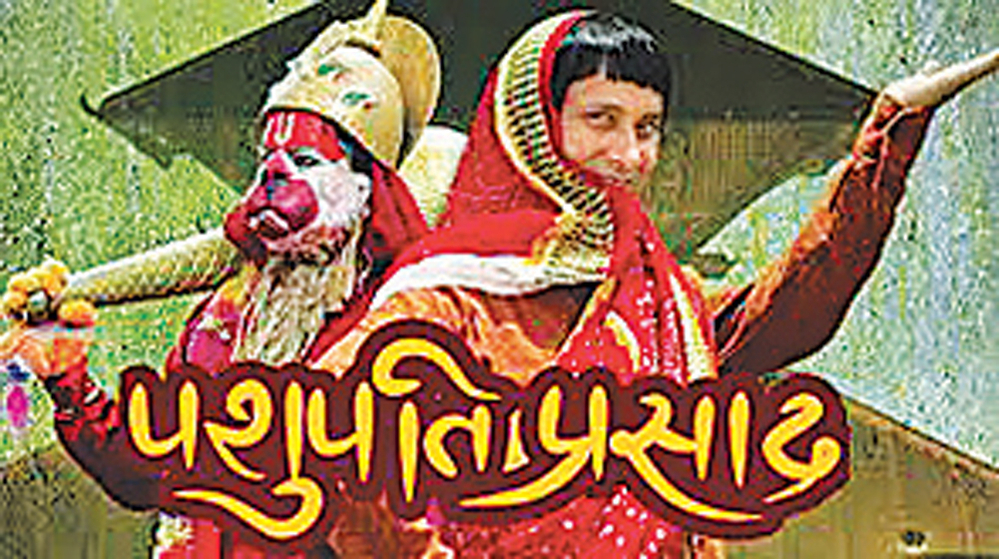
Neer, no one had a camera, no editing room, no print lab! In those days of great sorrow, whatever was there was with the government. Films were shown in Nepal since the Rana period, but the attempt to create a film industry was made only in the Panchayat system of 2028 (whether the Nepali film industry has been formed or not? The debate is on). It was the Panchayati revolution of 2028 - communication plan! Under that plan, the Royal Nepal Movie Institute was established, whose sacred goal was film development. The institute continued for 22 years, some films and documentaries were produced. However, it was privatized in August 2050.
In those days when the state was producing films, the Neer-Smriti of Shahi Nepal Film Institute, Balaju is like this - hundreds of people used to come to the institute seven days a week - to buy reels, to do indoor and outdoor shooting of films, dubbing, editing, watching previews, sensor-mixing, cinema processing in the lab, color analysis, printing.... Especially that temple was the film. But, not now,” asks Neer on the eve of the 25th annual festival (Rajat Mahotsav) of the establishment of the Film Development Board, “Why was the film institute sold? And why did the movie board open? The government does not have the answer to that.'
from era to era
'Satya Harishchandra' and 'Aama' which first? Controversy and entanglement – Nepali film. Film production in Nepali language started in Nepal from 2021. The construction of 'Aama' started by the Ministry of National Guidance was completed in 022. However, outside of Nepal, 'Satya Harishchandra' had become in India (Calcutta) in 2008. The director was D.B. Pariyar History says that its story-screenplay-song-dialogue was of Pariyar. The cost of
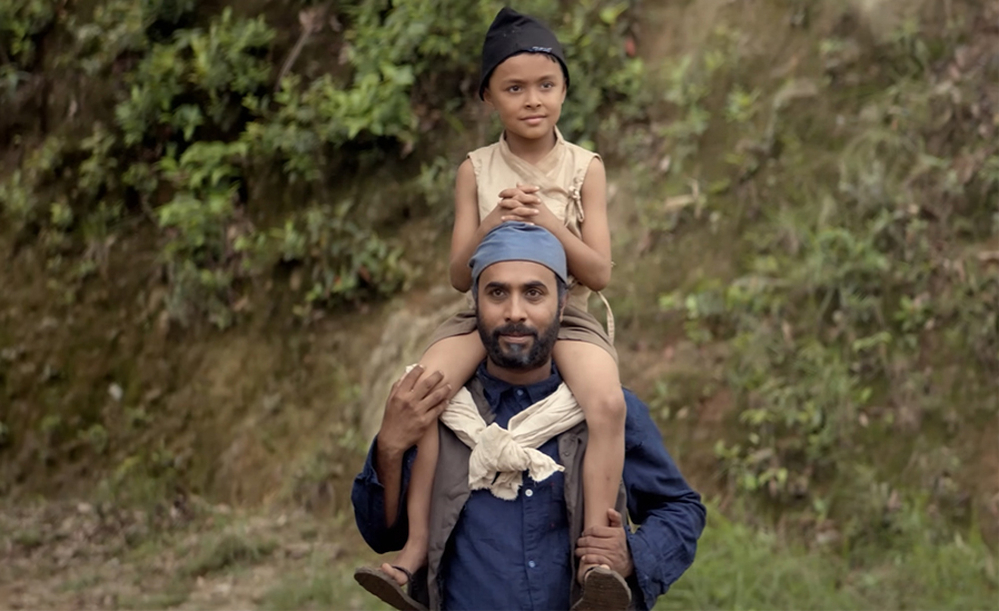
film was – Rs. 1 lakh 3 thousand, in which Pariyar had an investment of 25 thousand. Filming began in October 2007 at Rupshree Studios in Ballygunge, Calcutta. 'Satya Harishchandra' was also screened at 'Jai Nepal Chitraghar' in Kathmandu (Anubhav Ajith, Beginning of Nepali Cinema). Both the films should be considered as the beginning. The debate between the first and the second should be removed now," says Manoj Pandit. Mahendra Shah showed interest in film thinking that he should be involved in society-consciousness, which was a happy early era, becoming a film institute was another era.
is the next era - Bombay to Kathmandu! The 'genius' filmmakers who were coming to Bombay returned to Nepal and started making films.
Now the era of democracy and liberalization has started - after 2046, let's call it the 'VCR-era'. Watching Bombay films on VCRs, reproduced in Nepal, was a major specialty of that era. During that period, action-drama films became dominant - 'heroes' like Rajesh Hamal continued to play 'fights' with 'villains' on screen. After VCR came the VCD/DVD era, the era that influenced us the most, when the seeds of the republic were being planted. The VCD-DVD generation, wary of VCR-reproduction and Bombay-copying, gradually distanced itself from the 'Bombay-style' and influence.
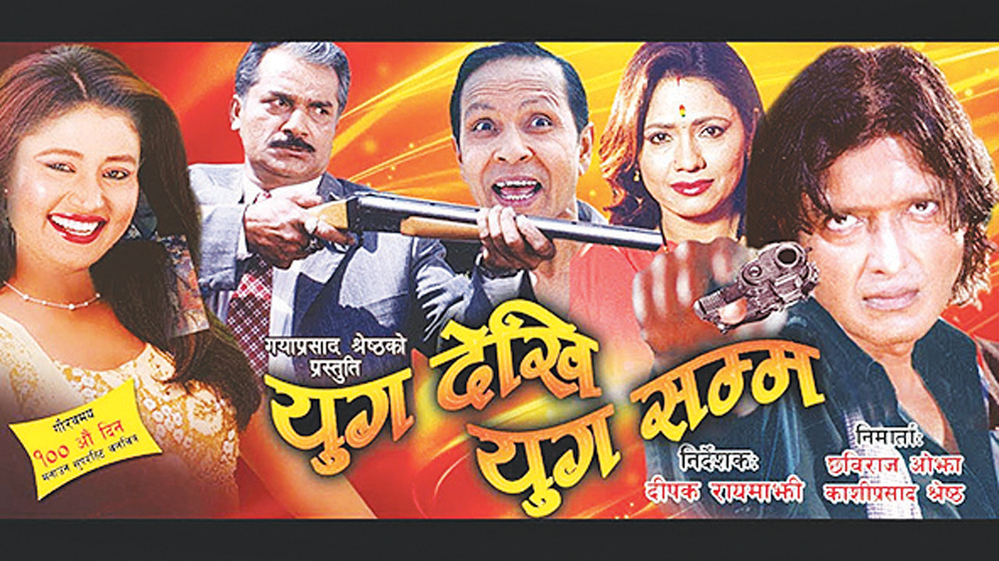
is the next era – OTT i.e. digital, where we live. After entering DVD era from VCR, the blockbuster film is 'Loot'. 'Dasdhunga', 'Lakshya' were made even before that, but 'Loot' set the trend. The Hollywood idea was established in Nepal replacing the Bombay idea – after 'Loot'.
and, Bombay flop in Nepali film, Hollywood hit. Film awareness was seen, but social knowledge-development could not happen in this OTT era. OTT is not only about technology, but also about psychology,” says Manoj. However, the campaign of Naveen Subba, Chringritar Sherpa, Meen Bham was making us enter the 'Global-Blurd', who produced films in Nepali original visual language, who are advocating and discussing that the film should be connected with the society, should have a greater dialogue with the people and should create the identity of Nepali film in the world cinema.
'After the mass movement of 046, the number of films made increased rapidly and we were also accused of Bombay imitation during that period,' says film critic Anup Subedi, 'Film era should be divided into pre-republic and post-republic. The beginning of the post-republican era is the 'loot' film. It was then that originality came to the film and digital technology also started at this time.'
'Originality' - While the discussion is going on, the director of 'Shambala', Meen Bham, has a different opinion on the originality of the film. He said, "If you depend only on the market, the film will not only lose its creativity, it will also lose its existing market." The market demands a 'commodity', but film is not a commodity.
is perhaps the most powerful language-invention of man - film, which raises itself to a higher level of knowledge and consciousness. Now 60 years old Nepali films have to prove themselves creatively mature. The special 'Nepality' of Nepali films is to be displayed on the world stage. Many new subbas, many meen bhams will have to reach the country with Nepali films. For that, it is inevitable to have many viewers who are used to high-class taste.
'They are just like previous films, the current generation is making real films'
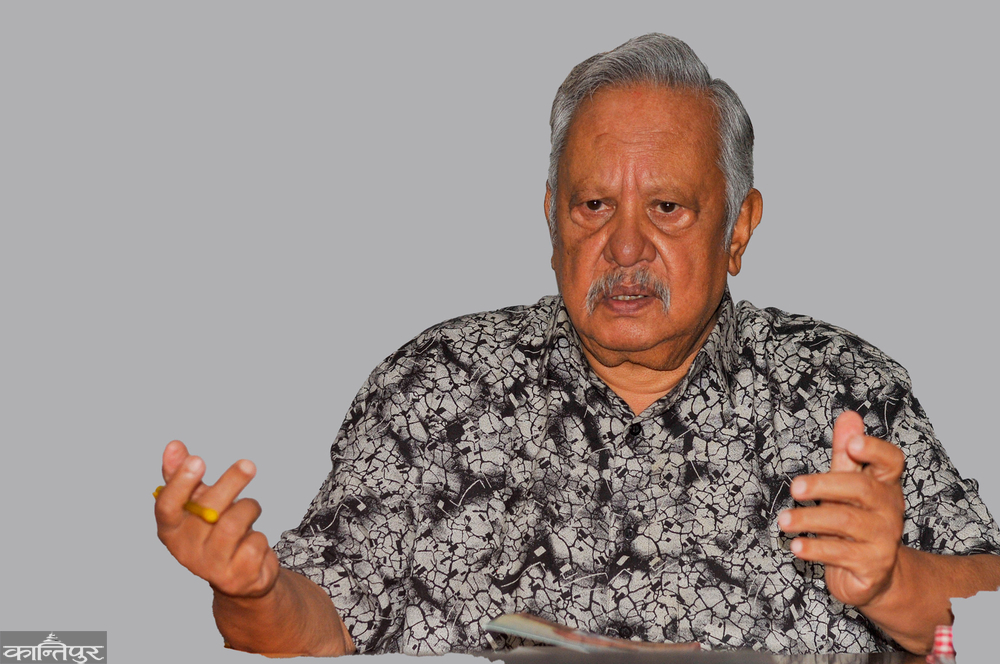 Neer Shah, film director/artist
What has changed in acting in the 60-year journey of Nepali films?
- An unprecedented change has been seen in world cinema. Cinematographers used to say that actors who have played dramas do not have the same qualities as actors who have played movies. But after the entry of English theater actors into Hollywood, where did the level of Hollywood cinema reach? Let's talk about India, Dadasaheb Phalke, the father of Indian cinema, is a stage actor himself. Theater actors understand the basic grammar of acting. The entry of people who understand the grammar of acting gradually increased in the Nepali film industry, it also changed the grammar of acting and acting itself was relanguaged . And, the definition of acting gradually changed. It changed the 'pattern' of acting.
Before there was a recognition or understanding that 'theater actors should not work in films'. Now the film has a cast of theater actors . How have you seen this sweeping change?
– That should have been the case from the start. I am an actor from theater. Other actor friends who played with me in the theater are still acting. At that time, there were not many female artists. The dancing woman, moreover, the one who plays, is a little more accessible in the film, by not being found . We could not enter as heroes, there were many reasons behind that. One reason may be because our background is drama. Our 'beginning' is the wrong part of the film. Because the beginning was wrong, the Bombay style of India came to our film . They are the films made now, not the films made earlier, they are just like films.
Can you say that the films you played and made are not films at all ?
– My films are good films only till the time when the Bombay formula is removed from it . No movie was shown in the theater without Bombay style . While making the film 'Vasudev', I did not use many things in it even though I wanted to. If the situation was like now, I would not have kept much, which I kept then . There is no doubt that Satya Harishchand is the first film made in Nepali language. It is the truth that led us. The first film made in Nepal is 'Aama'. Those films are made for a certain purpose. 3 films were made in Nepal by the then government. However, the government should have tried to make films with Nepali culture and originality. Nepali had rich literature. Even if the film was made on the literary work, how much better it would be . However, that path could not be adopted . How was your struggle to appear on the screen of
films or to be selected for acting?
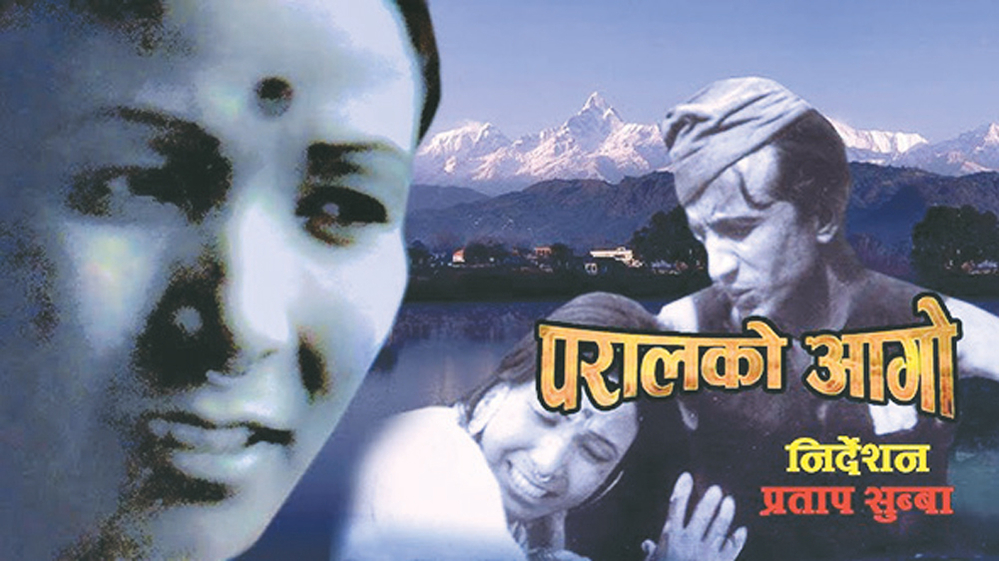
– that was the situation of our struggle. At that time we were not established . Every time I had to give an interview to play a film, there was a line . And, we also went to the movie . By then I had done a film made in Darjeeling, with Pratap Subba. As much as there were changes in content, acting-style, story-telling, many subsidiary changes appeared along with them - mainly in technology . I consider him phenomenal as a filmmaker or a student of film . And, that change is very meaningful .
What are some of the interesting experiences of those days?
- At that time, the shooting of the film was done only occasionally. I was waiting for the day of shooting. The shooting seemed like a celebration or festival to the artist. And, the shooting day was waiting like a festival. Those who went to the shooting thought that they were going to witness the celebration . They used to celebrate . There were only positive things everywhere. That positive thinking seems a little less now . How capable were
directors back then?
– Some directors definitely knew their job . Heerasingh Khatri himself was not only a director but also a strong actor, who came from a theater background . There was also a lot to learn from director Prakash Thapa. He believed that an artist should work in a disciplined way, he had loyalty to his work . Until later, the director who came from the same schooling continued in the film industry.
Do you have any anecdotes or experiences with Raja Mahendra and Virendra Shah about the film?
- After I applied to play in the film, the director asked Mahendra Raja that 'a man named So-and-so has come to play in the movie, will you play him or not?' Which I came to know much later, after someone told me . After Birendra Shah said to prepare a document to develop the film industry in the long term, I and a group of Chakra Bahadur Karkis wrote and submitted a thesis focusing on the formula of film development. One chapter of that thesis is 'Nepal Television'. In the thesis, we wrote that 'If television is also opened in Nepal, it will help the cinema industry a lot' .
It is said that the popular belief of 'hero' has been broken, what is your opinion on this ?
– There were separate lines of heroism. When you watch a movie, the actor who gets to stay in the most important place in your heart after watching it is the hero . An artist who gets lucky enough to live in people's hearts is a hero. How to understand the theory of
protagonist and antagonist?
– This is a character introduction . Villains are also heroes in cinema . Like what to say to Robin Hood ? A commercial product that sells an image should define heroism in a way . What should be understood is that the film is something to be watched from the heart . After entering the hall, everyone watches the movie from the heart - good or bad . However, the audience watches unattached . After looking at it like that, the conscious-subconscious mind of a person keeps that character as its imprint. Your hero and your hero may be different . Every person's hero is different.
What is the change in our heroism face? Rajesh Hamal was the hero then, now it is Dayahang Rai!
– now not face, acting is given priority . Whether you are a star or a megastar, you have to do it when you want to act.
There is a debate that 'Nepali film could not be original, could not be creative'. What do you think ?
– Compared to earlier, our film is very original and creative. It wasn't like that before .
used to be directed by the film market, now the director is trying to bring something new ?
- now an unprecedented change has appeared in the film - in the story-telling, content . The story and the style chosen to tell the story are important now . It also reflects originality . The way text is picturized has also been changed. But, the directors have to work harder to picture it . We were impressed by the
formula, why are the filmmakers who came to establish originality also in the same trend?
- Even if you leave Bombay's formula and catch South Korea's, you leave one formula and catch another. Choosing an original theme will force you to adopt it . As soon as you say original, you need not only villages, mountains, sheep, goats, and cattle, but also the story there. Originality should smell of earth and touch the heart. If the story with the scent of soil is presented in a way that touches the heart, it would be original!
What changes have we made in story telling?
– Previously there was a fight after every 5 stories or a comic scene after every 10 scenes. Every half hour there was a violent scene. That established belief has now been abandoned. Now it has changed! A hero, a heroine, who were in love, with each other and as their helpers there were 2 other characters who were laughing . These were mandatory in the film . After leaving it, the established belief was not erased and ?
What was the last movie you watched that made you happy?
- I liked the movie 'wool sweeter' very much among the ones I watched. I often go to movie theaters to find out my sequences, to see the production and development aspects of it .
Are you happy with recent Nepali film making?
– The way of making earlier films was different. The director of that time had already made sure that this film ends here and connects from here to there. Therefore, the homework of the former filmmakers would have been good . The current producer-director's shot division homework doesn't look good . Dependence on the editor has increased . What is the job of the director if the editor is going to put it together and the cameraman is going to shoot it? The current director should be aware of that. Because now a lot of films are being made, better ones should be made. It is also important how the education of film colleges is being done, from where the change should be initiated . Like, why take a close-up, why a long shot should be logical. And, accordingly, the director has to do more homework on the shots breakdown .
Where are we from the eyes of world cinema ?
– World Cinema saw that Nepal is a country of cinema and some good movies are being made there. Our presence has been felt by world cinema.