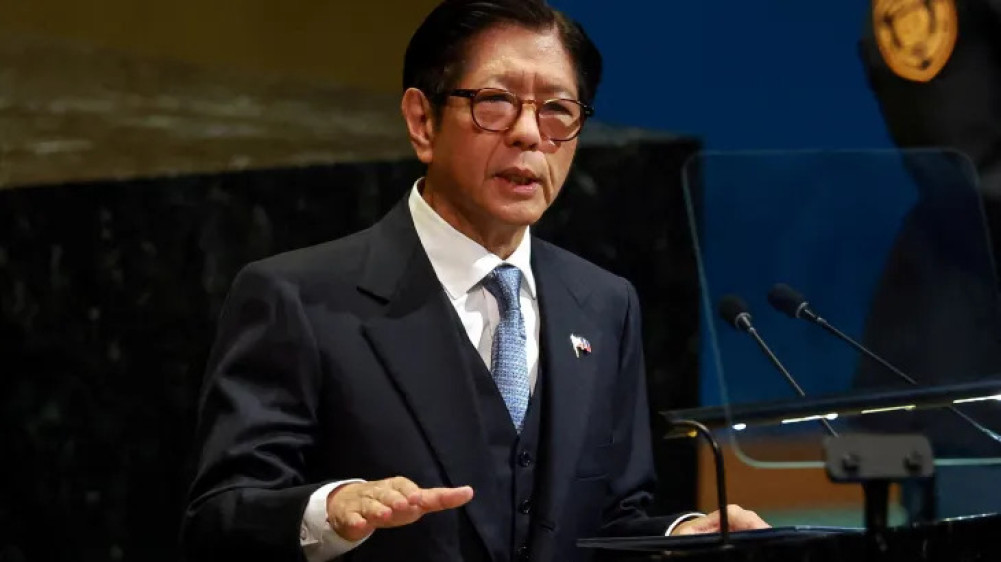
98 percent of the Philippines' fuel comes from the Gulf region.
We use Google Cloud Translation Services. Google requires we provide the following disclaimer relating to use of this service:
This service may contain translations powered by Google. Google disclaims all warranties related to the translations, expressed or implied, including any warranties of accuracy, reliability, and any implied warranties of merchantability, fitness for a particular purpose, and noninfringement.
The Philippines has declared a national energy emergency. The Philippines is the first country to declare an energy emergency due to the US-Israeli-Iranian war. President Ferdinand Marquez Jr. has declared a state of emergency. The war has caused fuel shortages and price hikes in the global market. Asian countries that buy gas and crude oil from West Asia are particularly hard hit. The Philippines gets 98 percent of its fuel from the Gulf region. The price of diesel and gasoline has more than doubled since the war began on February 28. This has caused major problems in daily life. Both consumers and transport operators are worried about the high cost of fuel due to the increase in vehicle fares. A large number of transport workers have been unemployed due to the decrease in the number of vehicles in various areas, including the capital Manila. The increase in fuel prices has increased the price of food. On the other hand, farmers are worried about the shortage and price hike of chemical fertilizers needed for agricultural production. In the Philippines, transport workers, commuters and consumer groups had announced a joint strike starting Thursday.
The Marcos government declared a state of emergency before the strike began. President Marcos said the government had to declare a state of emergency to ensure energy stability and protect its economy.
“The declaration of a national emergency will help the government to act in a coordinated manner through existing laws. This is necessary to combat the challenges created by disruptions in global energy supplies and the domestic economy,” President Marcos said.
He said a special committee has been formed to ensure the smooth supply of basic necessities such as food, fuel, medicine and agricultural products.
The government hopes the one-year state of emergency will allow government officials to mobilize resources, prepay for fuel, distribute it, and provide relief to communities.
Earlier on Tuesday, Energy Minister Sharon Garin said the country has enough oil reserves for 45 days.
Garin said the government is in the process of buying 1 million barrels of oil from Southeast Asia or other countries to increase its reserves.
Similarly, she said there is enough LPG (cooking gas) reserves for 25 days. Consumers in the Philippines are also being hit by the rise in LPG prices.
Similarly, due to the shortage of LNG gas, the country has to rely on coal for about 60 percent of its electricity generation.