Since the start of the war, the lack of chemical fertilizers has posed a challenge to food security.
We use Google Cloud Translation Services. Google requires we provide the following disclaimer relating to use of this service:
This service may contain translations powered by Google. Google disclaims all warranties related to the translations, expressed or implied, including any warranties of accuracy, reliability, and any implied warranties of merchantability, fitness for a particular purpose, and noninfringement.
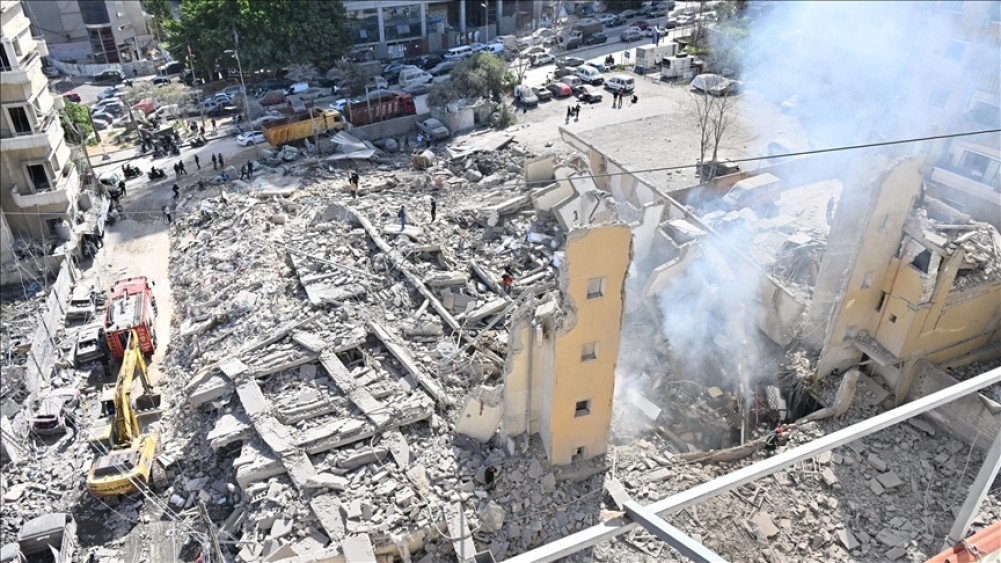
UNICEF said more than 2,100 children have been injured or killed in the past 23 days since the war began in West Asia.
“This is the number so far and is expected to increase as the war continues. This means that an average of 87 people have lost their lives every day since the war began,” said Ted Chaiban, UNICEF’s assistant executive director. “Children in this region are paying a heavy price. Millions of people will be affected if the war continues.”
He called for an immediate end to the conflict, protection of civilians and public infrastructure, access to relief and immediate financial support. UNICEF said the conflict has also had a major impact on the education sector. It has also caused a global crisis.
“With almost a month to go, the impact on the global economy is huge. The prices of gas, oil and fuel have increased,” said Jorge da Silva, executive director of the UN Office for Project Services. He said there are shortages of basic goods such as medicine.
He said that developing countries should pay a high price for it. He said that the shortage of chemical fertilizers since the war began has posed a challenge to food security.