The route carries about 20 percent of the world's oil and gas supplies, reflecting its strategic importance. Blockages in the area have exacerbated global oil and gas shortages and sent prices soaring.
We use Google Cloud Translation Services. Google requires we provide the following disclaimer relating to use of this service:
This service may contain translations powered by Google. Google disclaims all warranties related to the translations, expressed or implied, including any warranties of accuracy, reliability, and any implied warranties of merchantability, fitness for a particular purpose, and noninfringement.
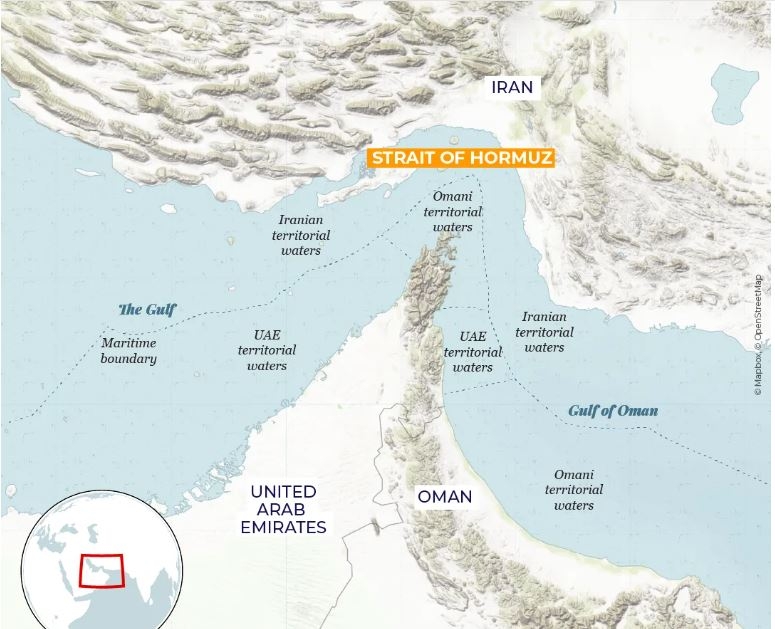
The Gulf region has become a battlefield for war after the US and Israel attacked Iran and assassinated its supreme leader, Ayatollah Ali Khamenei, among other top leaders. The series of attacks and counterattacks that began on February 28 have escalated to the Strait of Hormuz, a vital route for the world's oil and gas transportation. After the attack, Iran has been attacking ships passing through this waterway, causing the route to be almost blocked. Iran has allowed ships from some of its friendly countries to use the route. However, Iran has said that ships passing through this route must obtain its permission and will allow those who have permission to pass freely. Despite Iran's statement, the number of ships passing through this region has dropped significantly due to the fear of war. According to the BBC, only about 100 ships have passed through the region since the war began, compared to 138 ships passing through it daily.
It seems that the movement in this region will not be smooth until the Gulf War is completely stopped. Iran's new Supreme Leader Mojtaba Khamenei has said that the
blockade of the Hormuz region will be maintained. Meanwhile, US President Donald Trump has warned that he will completely destroy Iran's energy centers if the route is not opened without threat within 48 hours. This route carries about 20 percent of the world's oil and gas supply, which reflects its strategic importance. The blockade of this region has increased the shortage of oil and gas worldwide and has caused prices to skyrocket.
Since it is uncertain when the Gulf War will stop, there is talk of finding an alternative to this route. However, to what extent can the damage caused by the closure of the Hormuz waterway be reduced by using other options? An alternative to Hormuz seems to be necessary, especially for the transportation of oil to Kuwait, Qatar, Bahrain and the southern region of Iraq. Option one: Yanbu Pipeline
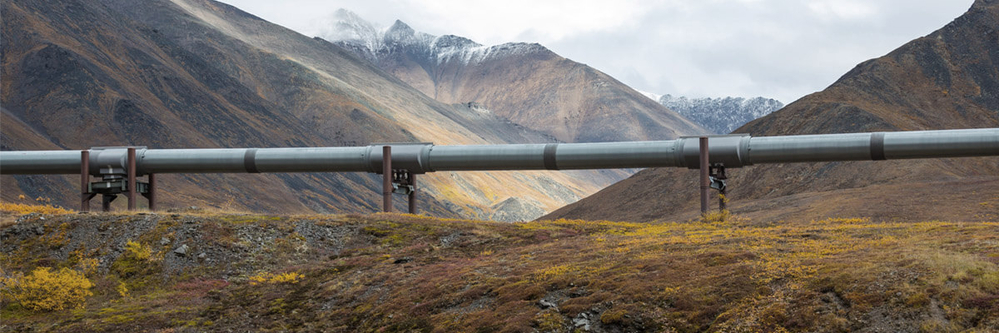
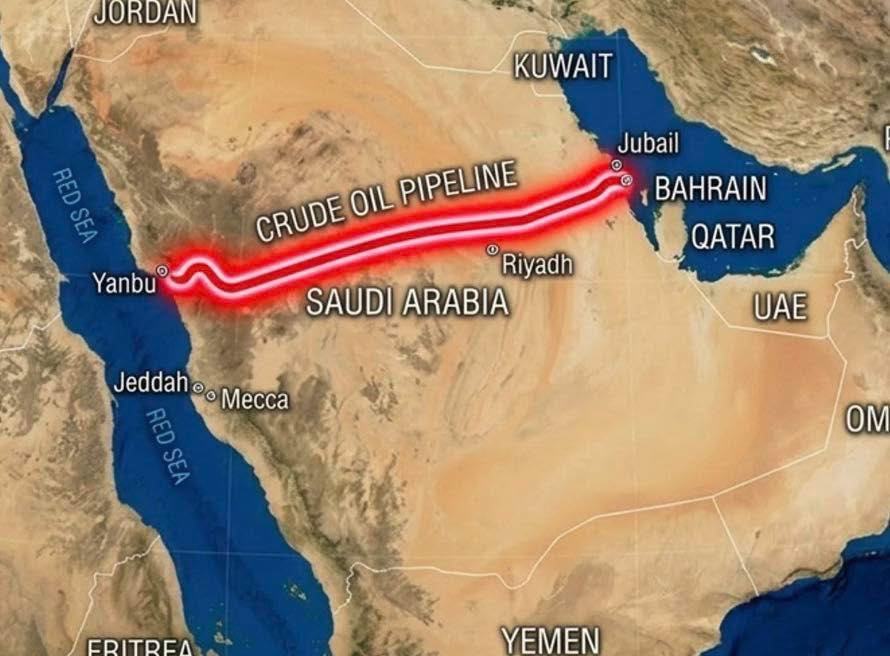
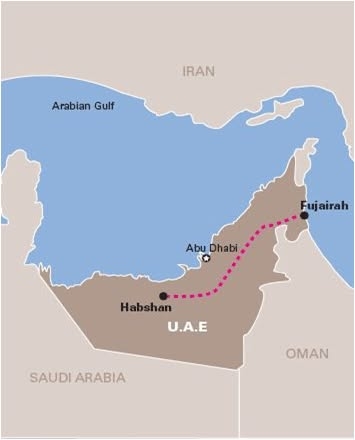
This is Saudi Arabia's east-west pipeline, which is connected to the Red Sea port. Although this pipeline is about 1,200 km long, it is said to be able to carry 7 million barrels of oil per day, in practice it can only transport 30-4 million barrels. Also, it can be used mainly by Saudi Aramco. It is also considered risky due to recent attacks by the Houthi group. Option Two: Fujairah Pipeline The UAE's Fujairah Pipeline is about 400 km long, through which 1.7 million barrels of oil can be transported daily. However, it can only supply about 1.7 percent of the world market demand and this is also limited to UAE oil. Option Three: Kirkuk-Ceyhan Pipeline This is a pipeline in northern Iraq, about 1,650 km long, which is connected to a Turkish port. It is not currently fully operational, but if it becomes operational, it can transport 1 million barrels of oil per day.
 Option Four: Salah and Duqm Ports
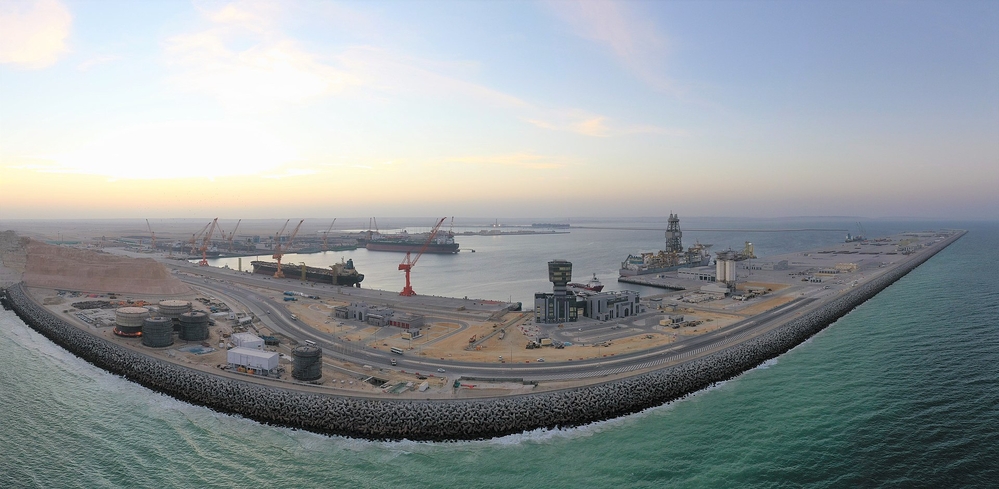
Oman's Salah and Duqm ports could be helpful in supplying oil and gas in the long term. However, this would require connecting the oil fields of other Gulf countries to Oman through pipelines, which would require a large infrastructure and is not immediately feasible.
Option Five: Gwadar Port
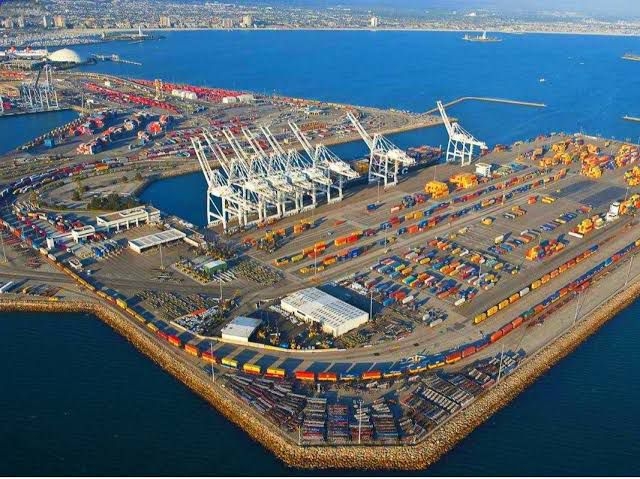
 Although Pakistan's Gwadar Port is accessible by ships, it is not connected to the Gulf oil fields through pipelines. Therefore, it cannot be considered a direct alternative.
Conclusion
Ships and pipelines are the main options for safely transporting large quantities of oil and gas. Even if all the above options are fully utilized, only 60-80 million barrels can be supplied daily. However, about 20 million barrels of oil are transported daily through the Strait of Hormuz.
Based on the volume of supply, even if all the options are utilized, less than half of the transportation through the Strait of Hormuz can be met. Therefore, there is no reliable alternative to the Strait of Hormuz in the current situation.