On Wednesday, the price of Brent crude rose by 8 percent to $111.90 per barrel.
We use Google Cloud Translation Services. Google requires we provide the following disclaimer relating to use of this service:
This service may contain translations powered by Google. Google disclaims all warranties related to the translations, expressed or implied, including any warranties of accuracy, reliability, and any implied warranties of merchantability, fitness for a particular purpose, and noninfringement.
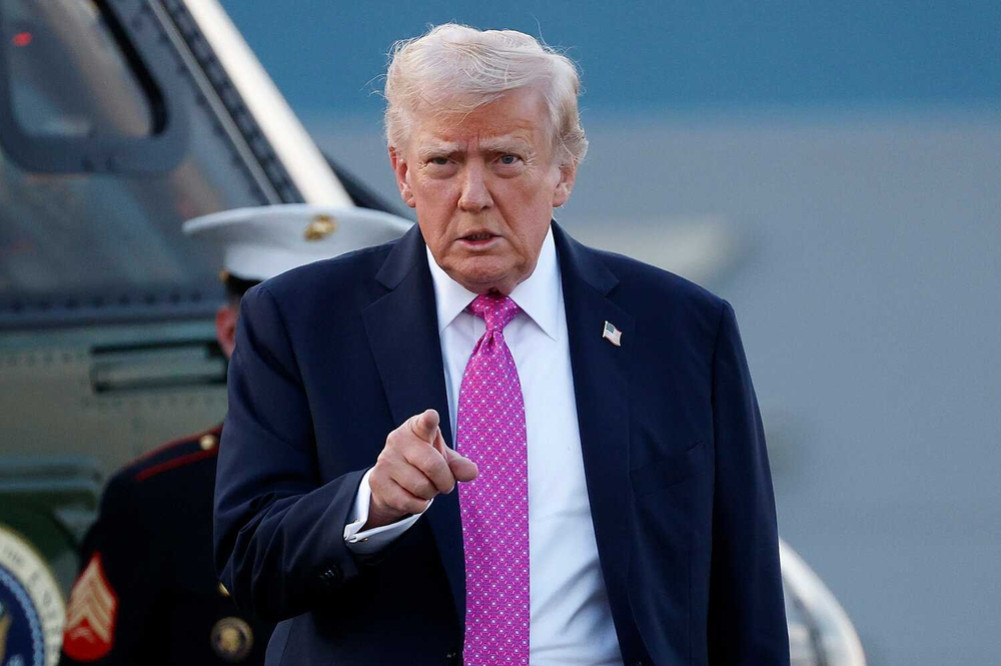
US President Donald Trump has warned Iran not to attack Qatar's energy infrastructure. He warned that if Qatar's infrastructure is attacked, none of Iran's energy infrastructure will be left. Earlier on Wednesday, Iran's missile attack on Qatar's Ras Laffan industrial complex was severely damaged. The Ras Laffan area is the world's largest exporter of LNG gas. Production here has been temporarily suspended since the start of the Iran-Iraq war.
Four of the five missiles fired by Iran were intercepted, but one missile hit the industrial complex.
Iran also attacked energy infrastructure in Saudi Arabia and the UAE on Wednesday. Another attack on Ras Laffan on Thursday morning caused a fire that Qatari officials said was being brought under control.
Earlier, Israel attacked Iran's huge South Pars gas field. Which has pushed up the price of crude oil and natural gas.
Brent crude (crude oil) rose by 8 percent on Wednesday to $111.90 per barrel.
As the US-Israeli-Iran war continues for the 20th day, its impact on the Middle East is being felt globally.
In the early days, both sides attacked each other's military targets. But in recent days, energy infrastructure has been targeted.
The Middle East conflict has raised fuel prices globally. There is a fuel shortage in Asian markets.
Iran's blockade of the Strait of Hormuz has prevented the export of nearly 20 percent of global oil. A large number of oil tankers from various countries are stranded in ports around Hormuz.