American President Trump is dissatisfied after the Supreme Court stopped the plan to deport immigrants
We use Google Cloud Translation Services. Google requires we provide the following disclaimer relating to use of this service:
This service may contain translations powered by Google. Google disclaims all warranties related to the translations, expressed or implied, including any warranties of accuracy, reliability, and any implied warranties of merchantability, fitness for a particular purpose, and noninfringement.
The U.S. Supreme Court has blocked the Trump administration from deporting Venezuelans held captive in North Texas under the 1798 wartime Alien Enemies Act (AEA). The court order continues a previous order temporarily halting deportation proceedings for Venezuelan immigrants held at the Bluebonnet Detention Center in Texas.
Some immigrants have been sent to prisons in El Salvador under the law. The Supreme Court last April decided to stay the move to deport the immigrants until further orders from the court.
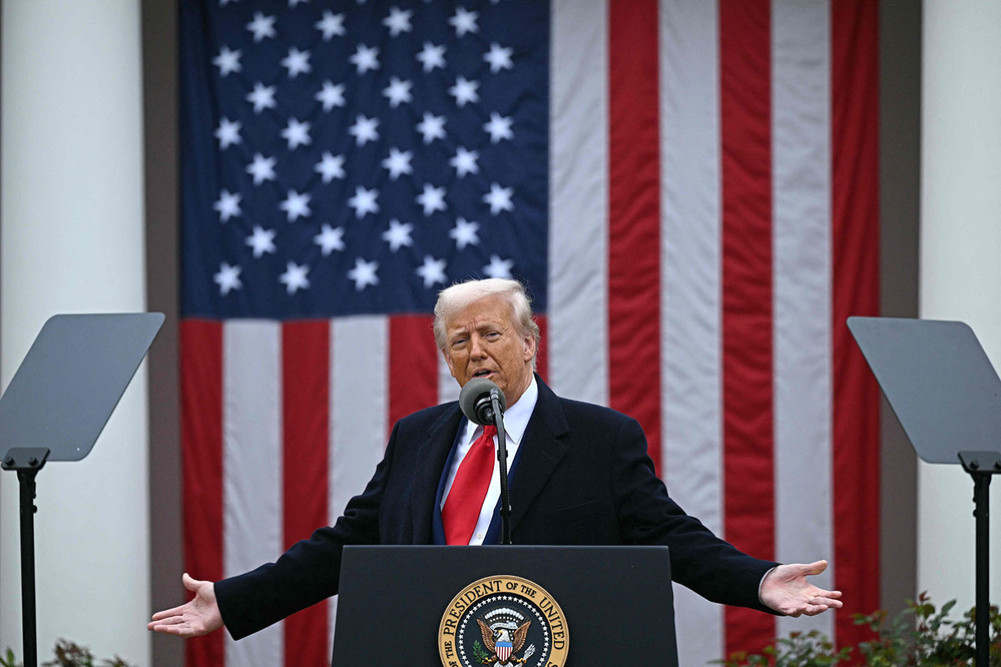
US President Donald Trump expressed dissatisfaction with the Supreme Court's decision on Friday. "The Supreme Court will not allow us to deport criminals from our country," Trump wrote on the social network Truth Social.
A court ruling rejects the government's attempt to send migrants to dangerous prisons in El Salvador. Two Justices Samuel Alito and Clarence Thomas dissented on Friday's order, CBS News reported.
In addition, the court's 'Fifth Circuit Court of Appeals' has canceled the decision stating that it made a mistake by dismissing the prisoners' appeal due to lack of jurisdiction. The Supreme Court has returned the case to the court for further proceedings.
Similarly, the court said that the petitioners did not receive sufficient notice of the US deportation. The court says that the Trump administration plans to deport immigrants from the country within a day. But the judges did not clarify what kind of notice should be given for possible deportation. The court has ordered the 'Fifth Circuit' to make it clear.
"To be clear, we decide today only that the detainees are entitled to more information than they were given on April 18," the order said. The court said lower courts should address such cases "quickly" without addressing whether the Trump administration has the legal authority to deport Venezuelan immigrants under the AEA. But the court has allowed immigrants to be expelled from the country using laws other than 'wartime laws'.
We recognize the importance of the government's national security interests and the need to uphold such interests in a manner consistent with the Constitution. In view of the aforesaid, the lower court should expeditiously dispose of the case relating to AEA," the court said.
Judge Brett Kavanagh agreed with the decision. But he said that the basic question should be addressed immediately by the Supreme Court without returning it to the lower court. He says there are conflicting decisions on whether the government can use the AEA. Last week, a court in Pennsylvania allowed the Trump administration to use the 1798 law.
"The circumstances call for a speedy and final resolution, which perhaps only this court can provide," Kavanagh wrote. Thomas agreed with his statement.
The American Civil Liberties Union (ACLU) filed an emergency appeal in the Supreme Court against the Trump administration's move to deport immigrants under the AEA. In the appeal, it was claimed that the Venezuelan immigrants were notified under the AEA and that a plan was made to deport them within 24 hours.
ACLU attorneys argued that the government's actions did not provide Venezuelan immigrants with a "realistic opportunity" to obtain judicial relief. It was claimed that dozens or hundreds of Venezuelan men would be sent to notorious prisons in El Salvador if the court did not stop them, and they would not be able to identify their 'foreign enemies' or challenge their deportation.
Trump's attempts to deport Venezuelan immigrants using the AEA have also split the federal courts. The 1798 law has only been used three times during the war. Trump declared that all Venezuelans 14 years of age and older were members of the "Train de Aragua" and were not US citizens or legal permanent residents.