We use Google Cloud Translation Services. Google requires we provide the following disclaimer relating to use of this service:
This service may contain translations powered by Google. Google disclaims all warranties related to the translations, expressed or implied, including any warranties of accuracy, reliability, and any implied warranties of merchantability, fitness for a particular purpose, and noninfringement.
It has been confirmed that 30 people were killed in the stampede that took place on Wednesday morning at the ongoing Kumbh Mela in Prayagraj, Uttar Pradesh, India. Indian officials said at least 60 people were injured in the stampede.
According to officials, 25 of the dead have been identified. The injured are being treated at local hospitals, Hindustan Times reported, quoting Baibhav Krishna, DIG of Mahakumbh.
According to the BBC citing eyewitnesses, the stampede broke out after the crowd broke the fences and obstacles at the confluence of the rivers. It is reported that the incident took place between 1 and 2 am on Wednesday morning after some pilgrims tried to cross the fence placed by the police and go to the confluence. It was estimated that around 10 crore people would bathe on Wednesday. According to officials, 30 million people had bathed by 8 am.
Indian Prime Minister Narendra Modi has expressed his condolences through social media. 'The accident at Prayagraj Mahakumbh is very sad. I express my deepest condolences to the devotees who lost their loved ones in this," Modi wrote on social media. He says that he is in touch with the state government about the incident. 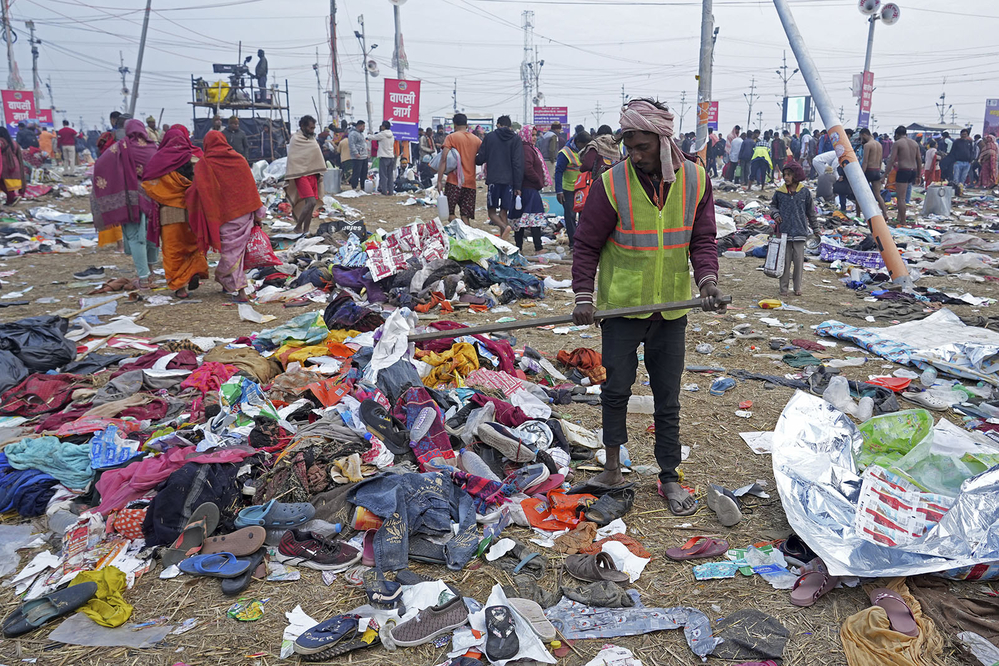
Opposition party leaders have criticized the government for the accident. They claim that the accident happened because they could not manage the devotees at the government fair. Rahul Gandhi, the leader of the main opposition party Congress, claimed that the tragedy happened because of the disorder and the behavior of the administration that only pays attention to VIPs.
Since Kumbh Mela started on January 13, 200 million people have bathed till now. During the 6-week-long fair, Hindu devotees bathe at the confluence of the Ganges, Yamuna and the legendary Saraswati rivers, which are considered the holiest rivers in India.
There is a popular belief that taking a bath at the confluence of the holy rivers will get rid of sins and purify the soul. It is estimated that about 400 million pilgrims will bathe in Kumbh Mela, which lasts for 45 days. It is said that the procession of devotees participating in the fair can be seen from space . 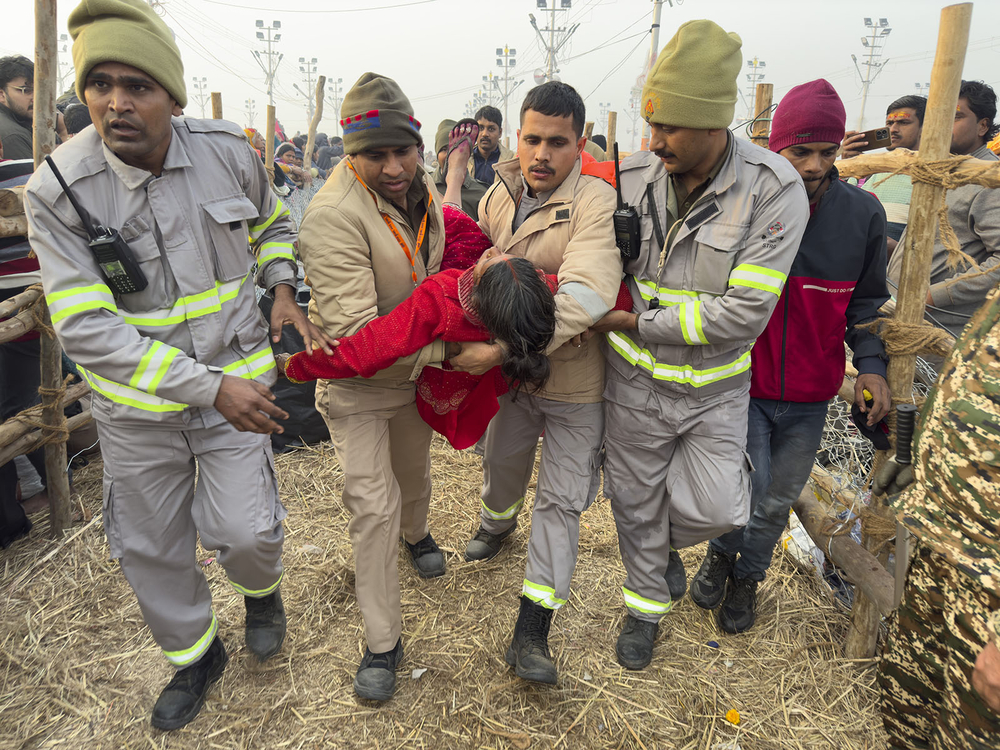
The fair that ends on the day of Shivratri has been recognized as an intangible heritage of humanity by the United Nations agency UNESCO. The origin of the Kumbh Mela is based on the mythological story of the battle between the Gods and the Demons over the Kumbh of nectar created during the churning of the ocean . It is believed that some drops of nectar fell in Prayagraj, Haridwar, Ujjain and Nashik in India during the fight between the two sides over the pot of nectar.
Mela is held in all the four cities, but the biggest fair is held in Prayagraj. Since the battle lasted for 12 astronomical years, the Kumbh Mela is celebrated in four cities every 12 years. It is said . This year's fair is called Mahakumbha because such perfection was seen after 12 Kumbh festivals or 144 years.
In India, religious events, fairs and public places are crowded. Many people have lost their lives in the incidents of stampede that happen frequently during those fairs. Three weeks ago, six people were killed in a stampede at the Tirupati temple in Andhra Pradesh, India.
Last year, at least 121 people were killed in a stampede at a religious sermon in Hathras, Uttar Pradesh. In India, there were 47 road rage incidents between 2021 and 2022. But the number of deaths in those incidents is not certain.

