We use Google Cloud Translation Services. Google requires we provide the following disclaimer relating to use of this service:
This service may contain translations powered by Google. Google disclaims all warranties related to the translations, expressed or implied, including any warranties of accuracy, reliability, and any implied warranties of merchantability, fitness for a particular purpose, and noninfringement.
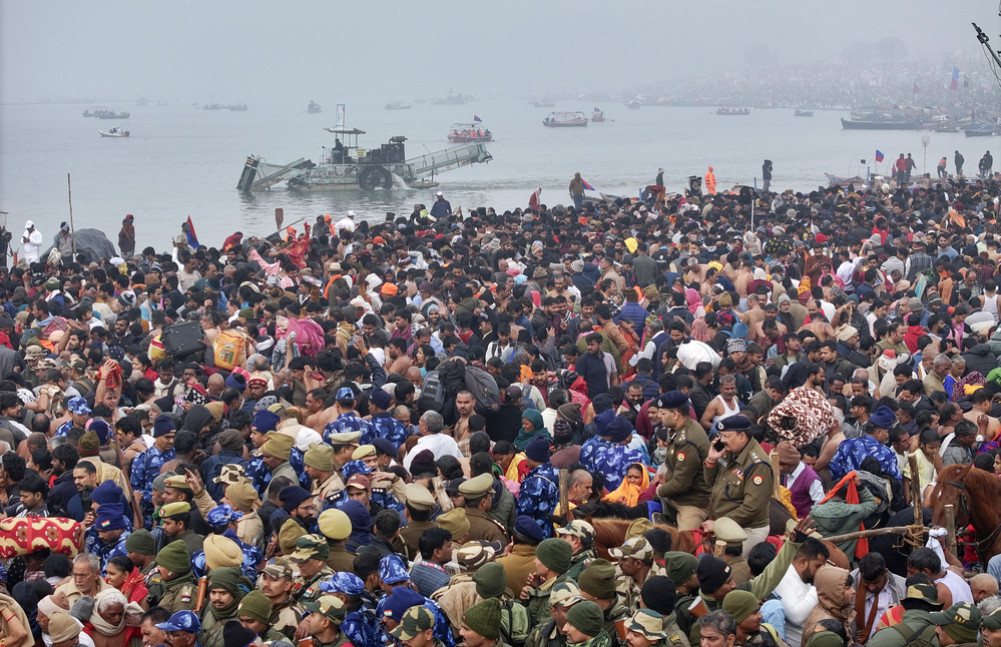
During the Kumbh Mela held every 12 years in Prayagraj, India, more than one crore people took holy bath on Monday. During the fair, which lasts for six weeks from Monday, Hindu devotees bathe at the confluence of the Ganges and Yamuna rivers, which are considered the holiest rivers in India.
There is a popular belief that taking a bath at the confluence of holy rivers will get rid of sins and purify the soul. It is estimated that around 400 million pilgrims will bathe in Kumbh Mela, which lasts for 45 days. It is said that the procession of devotees participating in the fair can be seen from space .
According to local authorities, 10 million pilgrims bathed till noon on Paush Purnima on Monday according to Indian time. Organizers estimate that 2 crore people will bathe on Tuesday.
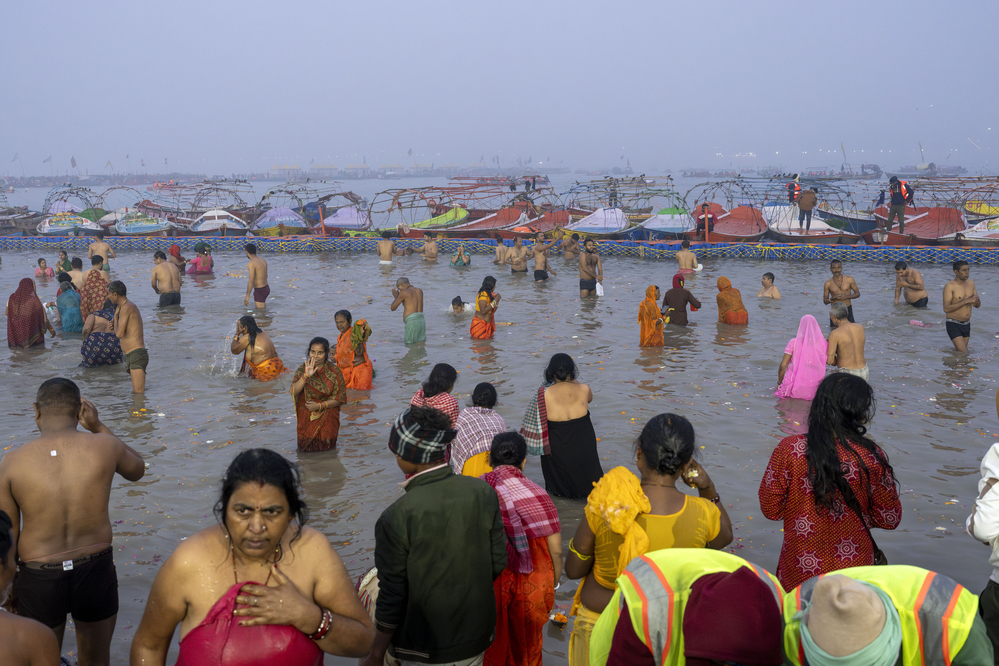 Astrologers have fixed the dates and auspicious times for bathing based on certain planets and constellations . Based on that, it is said that five days other than Monday are auspicious for bathing.
January 1 Makar Sankranti, January 16 Amavasya, February 3 Basant Panchami, January 30 Purnima, February 14 is a special day for bathing in Mahashivratri. The largest of these gatherings is expected to take place on January 16. It is estimated that 5 to 60 million worshipers will bathe on that day.
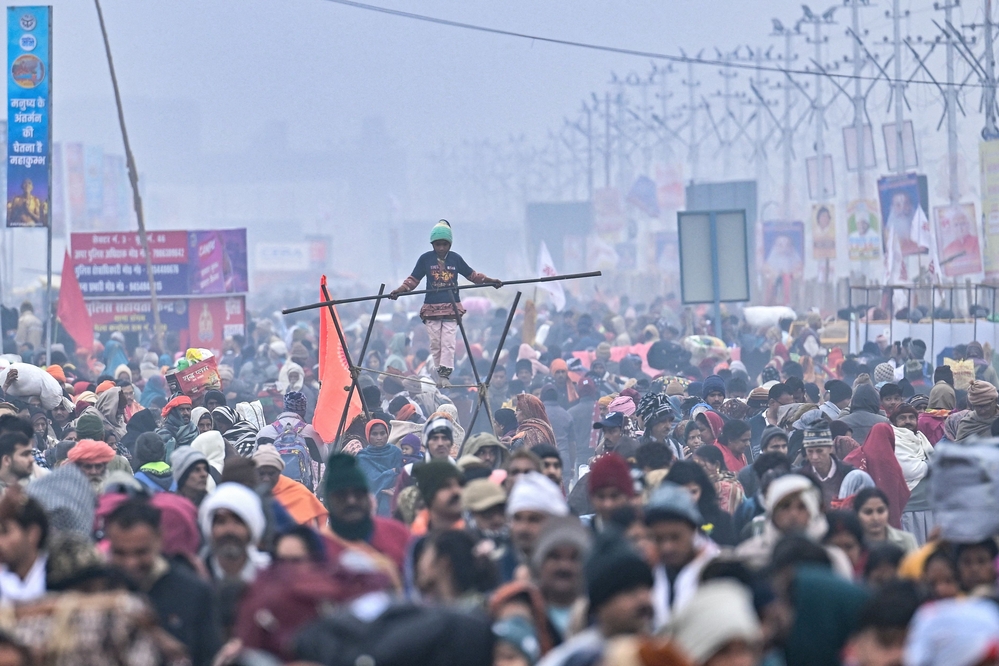 A vast tent city has been constructed on the river bank in an area of 4,000 hectares to accommodate pilgrims and tourists. But even a few hours before the start of the fair, the construction of places for pilgrims and tourists was seen in many parts of the wide ground of Prayagraj, according to the BBC.
Some of the camps established by saints and other worshipers did not have water and electricity supply . Similarly, it is said that there is a problem with toilets and water supply.
Administrative officer Vivek Chaturvedi told the BBC that due to the long duration of the monsoon rains this year, there is less time for the construction work. "Preparations are almost complete and all systems will be in place to welcome visitors," he said. According to
officials, about 200 roads have been widened. According to Indian media, the fair is spread over an area of about 4,000 hectares. 160,000 tents have been installed at that place. 1 lakh 50 thousand toilets have been constructed.
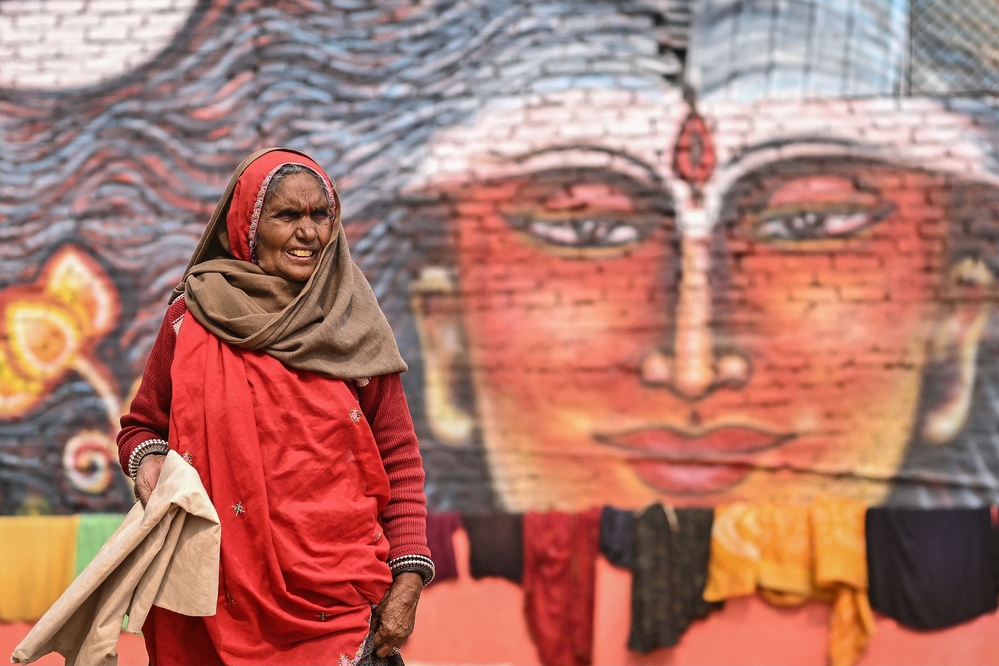 650 kilometers of temporary road has been constructed at the venue of the fair. There are 99 parking spaces for more than 5 million vehicles. 67 thousand street lights have been installed .
200 ATMs and 85 tube wells have been arranged for water. Likewise, 30 floating pontoon bridges have been built to cross the river. More than 40,000 police and security officers have been deployed for the security of the fair. Chaturvedi said that more than 1 lakh volunteers have been mobilized for the management of the
fair. 15 thousand cleaning workers have been arranged.
It is said that the Indian government has arranged to spend 70 billion Indian rupees to organize the festival. According to the local media, Uttar Pradesh state government will earn 2 trillion 50 billion revenue from the fair.
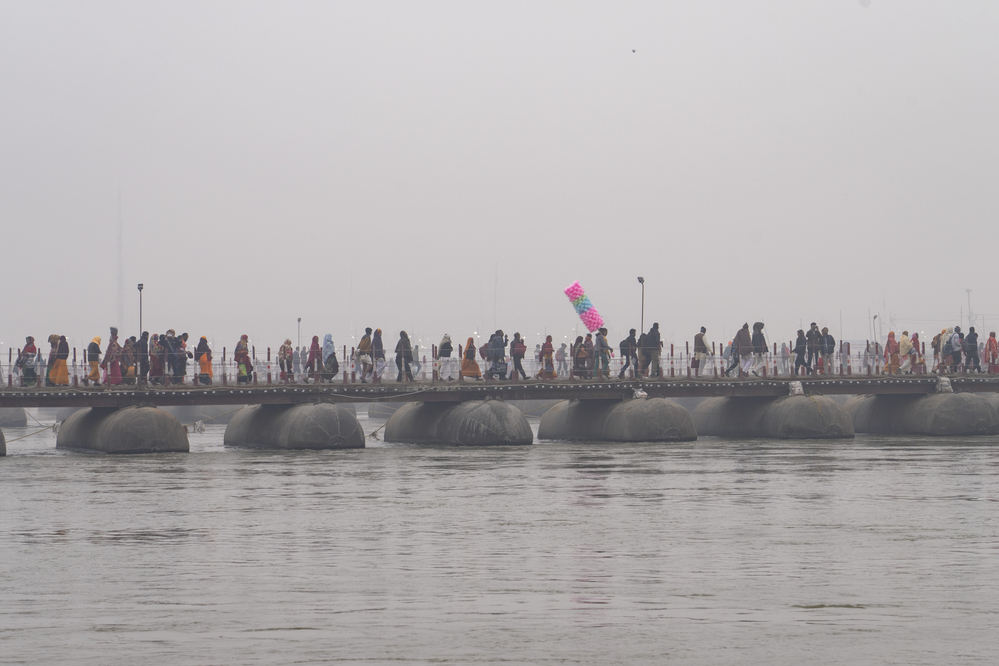 The fair that ends on the day of Shivratri has been recognized by the United Nations agency UNESCO as an intangible heritage of humanity . The origin of the Kumbh Mela is based on the mythological story of the battle between gods and demons over the pool of nectar created during the churning of the ocean . It is believed that some drops of nectar fell in Prayagraj, Haridwar, Ujjain and Nashik in India during the fight between the two sides over the pot of nectar.
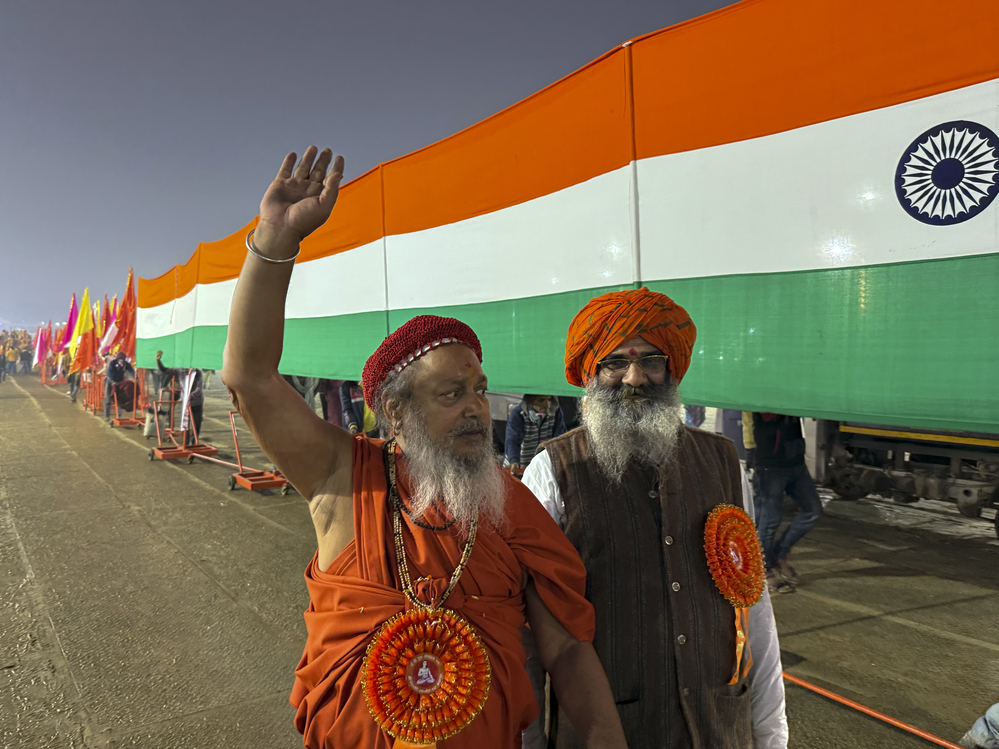 Mela is held in all the four cities, but the biggest fair is held in Prayagraj. Since the battle lasted for 12 astronomical years, Kumbh Mela is celebrated in four cities every 12 years on Earth.
This festival is said to be special because the planets and stars are aligned. This year's fair is called Mahakumbha because such perfection was seen after 12 Kumbh festivals or 144 years.