Only female mosquitoes bite humans. They suck blood to obtain the protein necessary for egg development.
We use Google Cloud Translation Services. Google requires we provide the following disclaimer relating to use of this service:
This service may contain translations powered by Google. Google disclaims all warranties related to the translations, expressed or implied, including any warranties of accuracy, reliability, and any implied warranties of merchantability, fitness for a particular purpose, and noninfringement.
Before a mosquito lands on our body to bite us, it has already ‘read’ various biological signals our body emits from a distance. Whether or not you end up on a mosquito’s list of targets is determined by these very signals.
I consider myself a ‘mosquito magnet.’
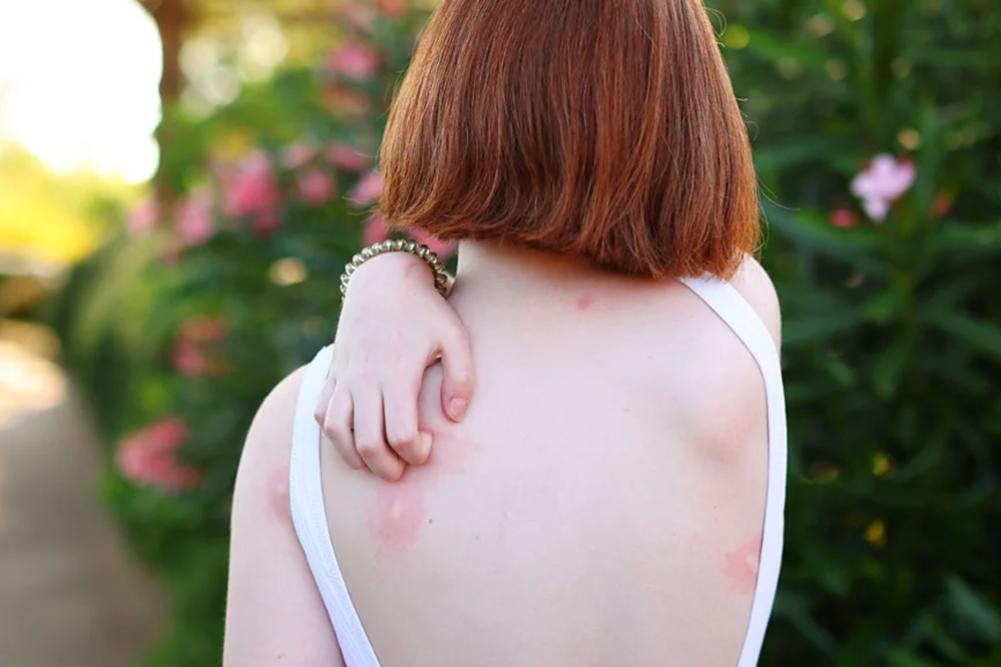
No matter where in the world I go to spend my summer vacation, one thing is certain—I will definitely get bitten by mosquitoes. After that, large, extremely itchy welts appear all over my body, which cause discomfort for weeks.
But nothing happens to the people around me. Some don’t get bitten by a single mosquito. Even those who do only show a small red spot. My friends joke, “Your blood must be really sweet.”
However, scientific research has shown there is some truth to their jokes. Our bodies emit various biological signals through breathing and the skin. These signals determine who mosquitoes bite more. In some people, these signals are so strong that mosquitoes find them extremely attractive.
Carbon dioxide gives the ‘biting’ signal
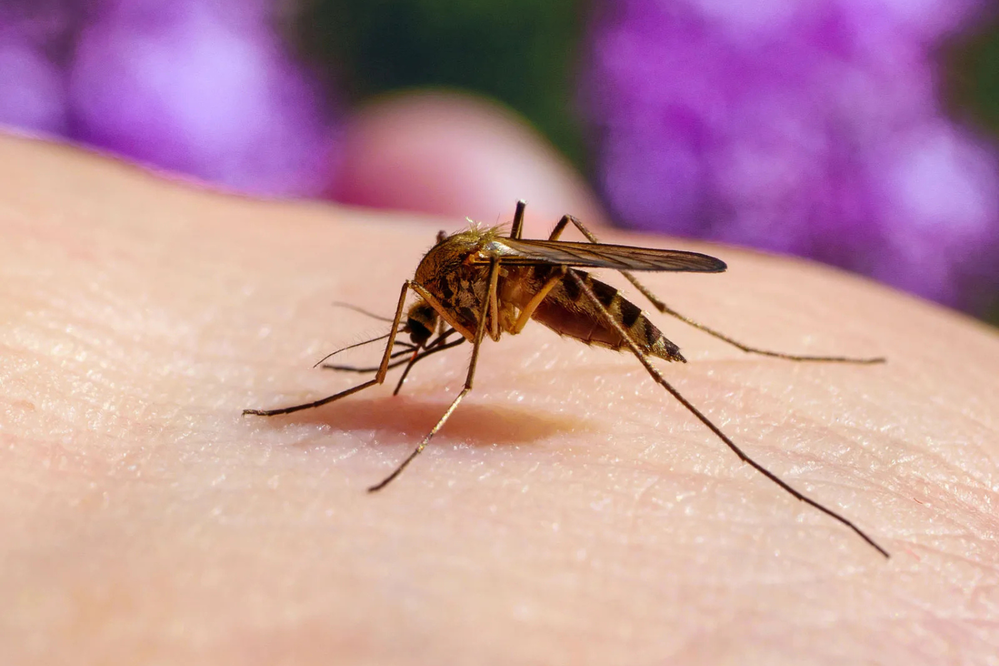
Only female mosquitoes bite humans. They suck blood to obtain the protein necessary for egg development.
From about 10 meters away, mosquitoes can identify their target based on sight and smell. In this process, the carbon dioxide (CO₂) released from human breath and skin becomes an important signal.
The carbon dioxide exhaled by humans activates the mosquito’s olfactory system and triggers its ‘host-seeking’ behavior. Since adults produce more carbon dioxide than children, they are more attractive to mosquitoes.
This is why mosquitoes are attracted not only to humans but also to other sources of carbon dioxide. Therefore, dry ice and bottled carbon dioxide are used in mosquito traps.
Body temperature and odor also increase attraction
Research has shown that mosquitoes are also attracted to body heat and humidity. The carbon dioxide emitted from the body further increases this attraction to warmth.
Similarly, as mosquitoes get closer (within 10 meters), they decide whom to bite based on the odors released from the skin and breath.
According to Professor Steve Lindsay, a public health entomologist at Durham University in the UK, the main thing that attracts mosquitoes is ‘odor.’
He says, “Small but rapidly evaporating chemicals make a big difference. Mosquitoes are creatures that live in a world of chemicals.”
However, for a long time, it was believed that people with ‘sweet blood’ were bitten more by mosquitoes. But scientists have disproved this notion. In reality, mosquitoes are attracted to each person’s unique ‘skin odor.’
Microbes on the skin (the skin microbiome) break down carbohydrates, fatty acids, and peptides to produce volatile organic compounds (VOCs). These substances easily disperse in the air, and mosquitoes can distinguish between them. More than 500 types of such volatile organic compounds are found on human skin.
 Why are some people more attractive?
People who are exercising may be bitten more by mosquitoes for a period of time. During exercise, the body produces more carbon dioxide, the body heats up, and more sweat is produced.
People with larger bodies generally produce more heat and emit more carbon dioxide. Therefore, they can also be more attractive to mosquitoes.
This is why pregnant women are about twice as likely to be bitten by mosquitoes as non-pregnant women. During pregnancy, metabolism increases, breathing volume rises, and body temperature is higher.
Steve Lindsay says, “It’s like there’s a small furnace running inside your body, so your body is even warmer.”
Additionally, if there are higher amounts of ammonia, lactic acid, and especially carboxylic acid on the skin, mosquito attraction increases further.
Researchers at Rockefeller University in the United States had 64 people wear nylon sleeves for six hours and studied the odors collected on them. Mosquitoes clearly preferred the scent of people with higher levels of carboxylic acid.
When researchers created an ‘attraction index’ for each person, the score of the most attractive individual was 100 times higher than that of the least attractive. Even when lifestyles changed, this difference remained the same for years.
According to Lindsay, how attractive you are to mosquitoes is largely determined by genetics.
How to avoid mosquito bites?
According to Professor Heather Ferguson, a medical entomologist at the University of Glasgow in Scotland, there is not enough scientific evidence that eating garlic or taking vitamin B repels mosquitoes.
According to her, using proven mosquito repellents containing DEET, picaridin, or PMD, wearing insecticide-treated long-sleeved clothing and long pants are the most effective measures.
It is important to cover most of your body, as mosquitoes tend to bite exposed areas more. Since the effectiveness of repellents decreases with sweat and over time, they should be reapplied periodically.