This success is believed to further refine Nepal's developing space technology sector.
We use Google Cloud Translation Services. Google requires we provide the following disclaimer relating to use of this service:
This service may contain translations powered by Google. Google disclaims all warranties related to the translations, expressed or implied, including any warranties of accuracy, reliability, and any implied warranties of merchantability, fitness for a particular purpose, and noninfringement.
Aerospace engineering students from Pulchowk Engineering Campus have successfully launched and recovered a rocket built under ‘Project Lakshya’. They informed that the first phase of this project was successfully completed recently.
In this special phase, the rocket's movement, or 'pitch', was tested. The main goal of this research project is to build a rocket that can make vertical landings. This success is believed to further refine Nepal's developing space technology sector. An organization called 'Accelerated Computing' is providing technical and other support to this project.
Earlier, students had also achieved success by flying a similar rocket with the help of Worldlink. The previous project, which was held about a year ago, helped the students gain more experience in rocket science. The current 'Project Lakshya' is a sophisticated effort built on the foundation of that experience.
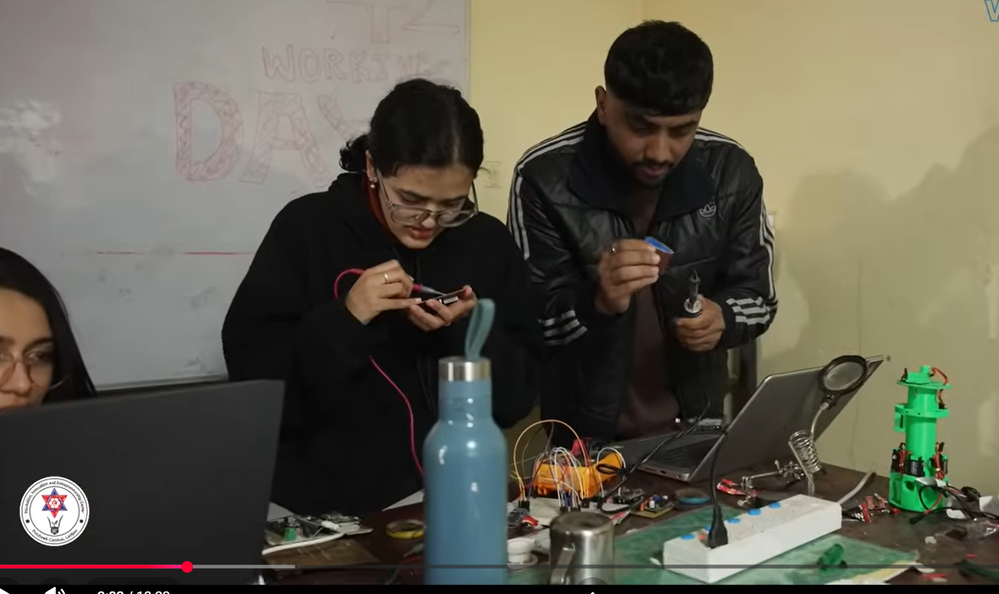
This project is expected to provide great inspiration to young scientists and space technology enthusiasts in Nepal. This tireless effort of the students has indicated that it will open new doors in the field of space technology in Nepal. Last year, students of the 'SRB' rocket team of Pulchowk Engineering Campus launched a rocket under Worldlink's 'Go Beyond' program. The main goal of this project was to take the rocket to an altitude of 10,000 feet, but at that time it had reached above 8,000 feet.
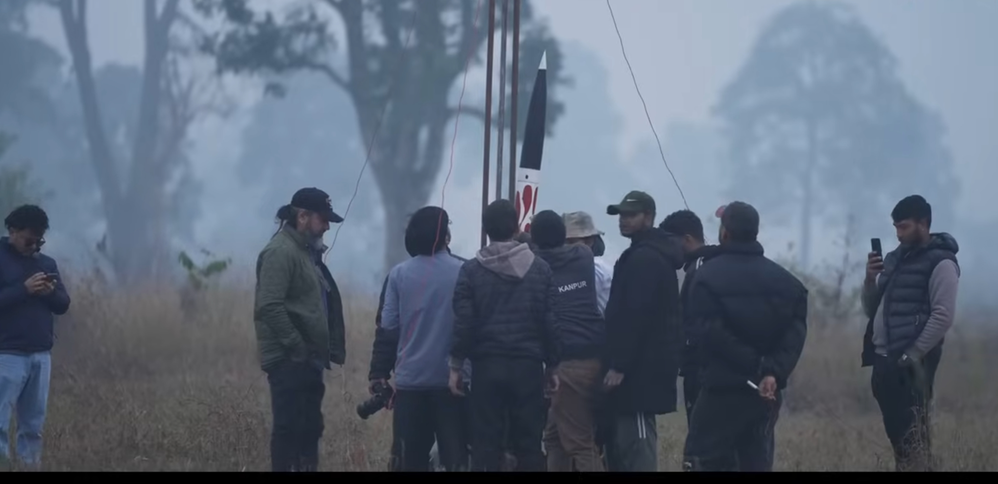
The outer part of the rocket built by the students is made of lightweight fiberglass, and its shape is like a nozzle and a cylinder. It uses solid fuel and a solid fuel oxidizer. The students have been testing materials such as dextrose as fuel themselves.

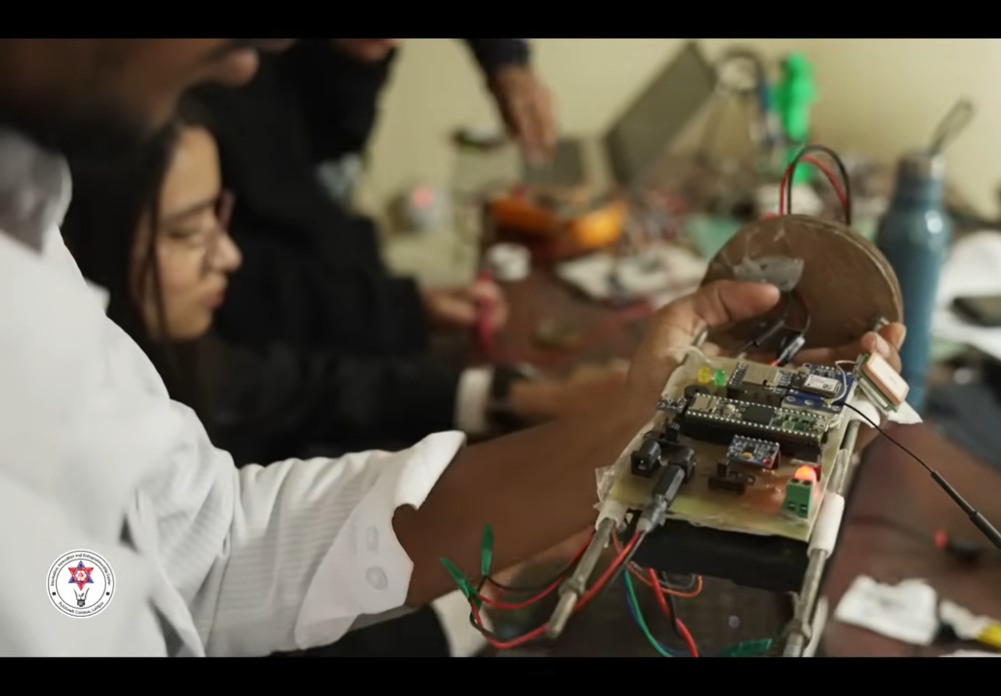
Sensors and a computer are installed on the upper part of the rocket to control the flight and collect data. This avionics system provides information about the altitude the rocket has reached and whether there are any technical problems.