Party President Gagan Thapa has been embarrassed by the claims of leader Arjun Narsingh KC. KC is Thapa's father-in-law. Saying that promoting KC as the leader of the parliamentary party would not send a good message, Thapa is trying to promote one of KC's alternatives, Bhishma Angdembe or Mohan Acharya.
We use Google Cloud Translation Services. Google requires we provide the following disclaimer relating to use of this service:
This service may contain translations powered by Google. Google disclaims all warranties related to the translations, expressed or implied, including any warranties of accuracy, reliability, and any implied warranties of merchantability, fitness for a particular purpose, and noninfringement.
There has been a debate within the Nepali Congress about who should be the leader of the parliamentary party. Should it be an old leader or a young one? Should it be a proportional or a directly elected one? There are debates going on within the party.
Party President Gagan Thapa in particular has been embarrassed by the claims of leader Arjun Narsingh KC. KC is Thapa's father-in-law. Saying that the message of promoting KC as the leader of the parliamentary party would not go well, Thapa is trying to promote one of Bhishma Angdembe or Mohan Acharya as an alternative to KC. KC and Angdembe are both proportionally elected MPs, while Acharya was directly elected from Rasuwa.
According to a party official, Vice President Pushpa Bhusal, General Secretaries Pradeep Poudel and Gururaj Ghimire, and Spokesperson Devraj Chalise had reached KC's residence on Tuesday to convince KC.
KC had said in discussions with officials that he could back down for consensus, but it would not be acceptable if they tried to stop him by making a comment on the father-in-law-son-in-law relationship.
‘The officials came.’ There was a serious discussion on how to create a consensus,’ KC told Kantipur, ‘But if there is an attempt to weaken my political identity by linking family ties to Gagan Thapa’s father-in-law, I will not accept it.’ Otherwise, we can move forward on the basis of consensus.’
Another leader, Bhishma Angdembe, is considered a leader of the then President Sher Bahadur Deuba’s faction. Currently, he has become close to the Thapa-led Central Working Committee that emerged from the special general convention. The party had given Angdembe the responsibility of addressing the first meeting of parliament. During that, he gave the message from the rostrum of parliament that the Congress had changed under Thapa’s leadership.
‘I have a claim, but the party does not know yet who it will make,’ he said, ‘Efforts are being made to build consensus . The leaders are in discussions . I hope it will be decided soon .’
Some leaders within the party are arguing that the party leader should be given to a youth while there is competition among the old leaders. Among the young leaders for the parliamentary party leader, the names of Niskal Rai, Yogesh Gauchan Thakali and Basna Thapa are in the news . Gauchan has reached the parliament for the second time, while Rai and Thapa have been elected for the first time .
‘When a 36-year-old youth is running the country, why shouldn’t the Congress make a leader of the same age group the parliamentary party leader ?’ A party official said, ‘There is also a strong voice that the youth should be given responsibility to make the parliament effective . If the election is held, there may be competition among the youth .’
What do the young leaders in the news for the parliamentary party leader say?
‘I can run the party with pleasure if I get the party leader’
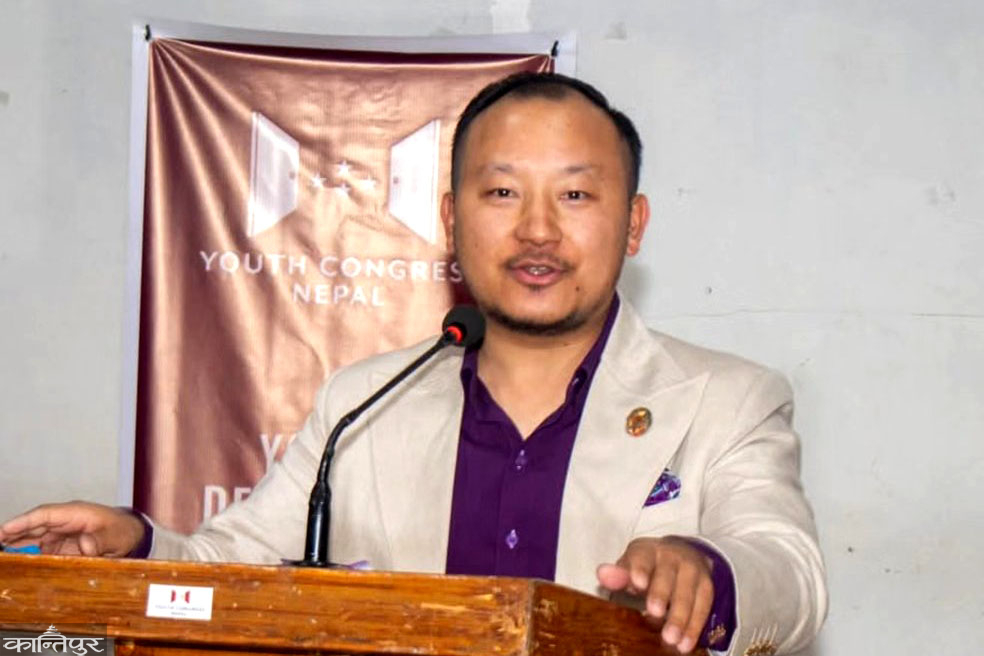
It would be better to give responsibility to the youth. Youth can also run the parliamentary party well. But in a party like ours, the old thinking still prevails. The aspirations of senior leaders are natural and the influence of factional politics is also visible.
If the youth is made the leader of the parliamentary party, the parliament can be made effective. All 38 MPs of the Congress are qualified. Giving responsibility to the youth now sends a positive message inside and outside the party. We can run it with pleasure.
‘I am not interested in becoming the party leader’
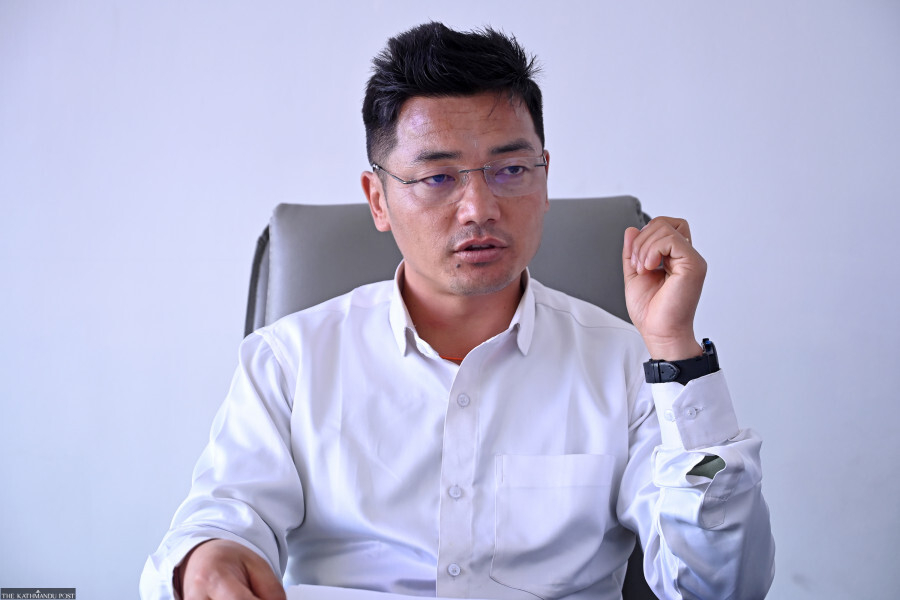
There is talk that the youth should be given the party leader. But I am not personally following this. The decision made by the party is important to me.
Now the party itself is facing a challenge. There is a situation where we need to solve the problem and move forward in coordination. It is right that the youth need to be represented. But party unity should also be paid attention to. It is not enough to just have aspirations, we must move forward by understanding the situation.
‘We can handle whatever responsibility is given’
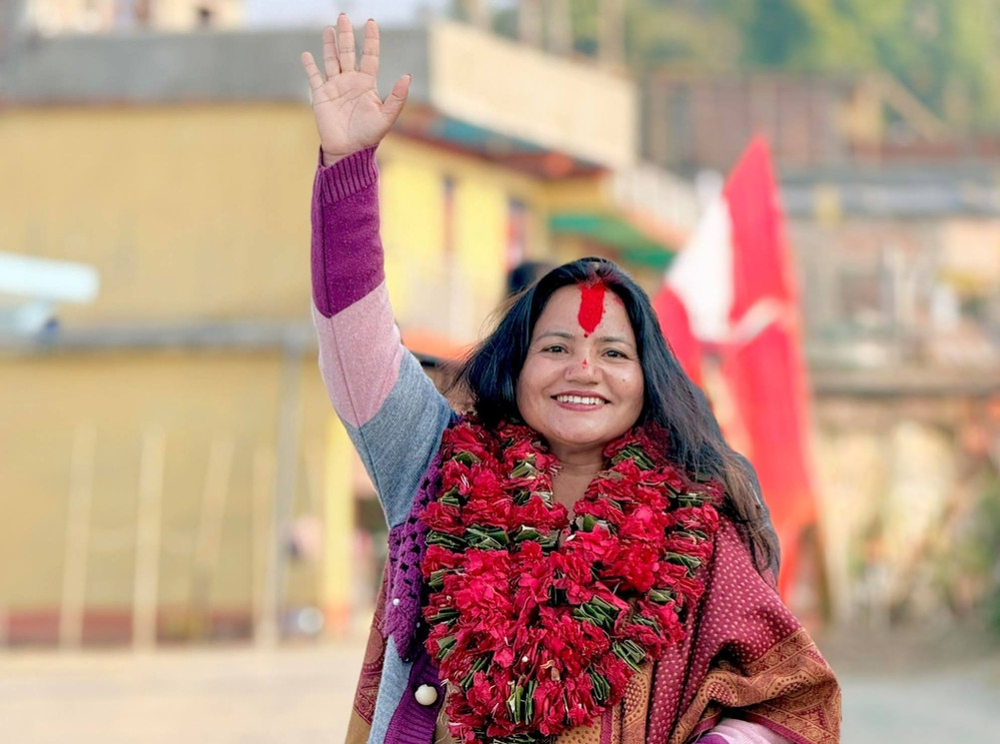
Discussions are ongoing within the party on this issue. Leaders are in consultation. A meeting is expected to be held soon. Since the election is held in the special circumstances following the Genji Rebellion, the voice of representation has also been raised within the party.
This does not mean that only the youth should move forward, leaving senior leaders aside. We, the 38 MPs, are all qualified. Since the position of leader of the parliamentary party is the same, the party will discuss and decide.
I am confident that even if the youth is given a responsibility, we can handle it. The goal of everyone who enters politics is to reach the leadership. We are ready to fulfill whatever responsibility the party gives us.

