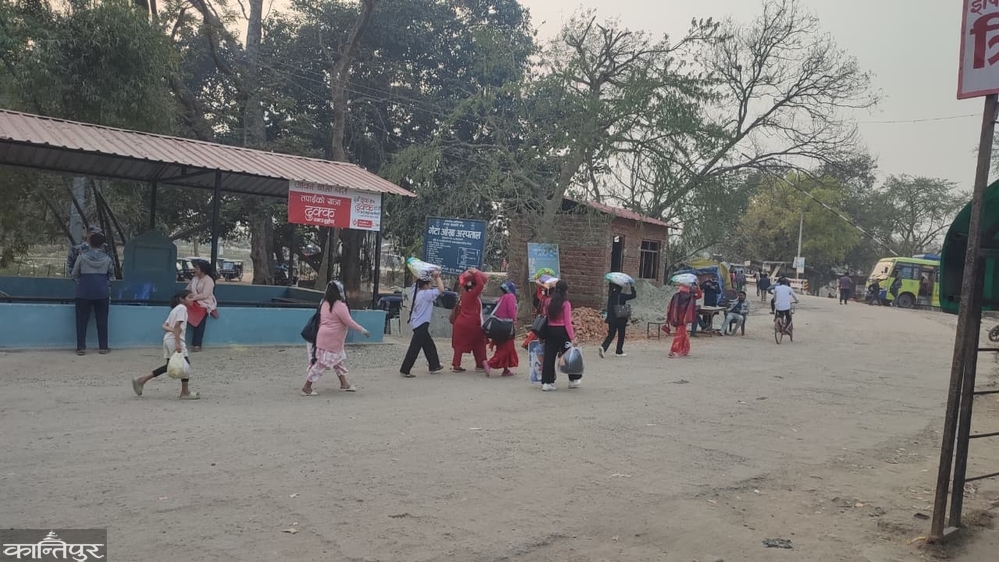
Agriculture, trade, foreign employment, labor, and animal husbandry are the main occupations of the residents here. Rice, wheat, and mustard are cultivated here. However, the conversion of arable land into slums through planning has added challenges to food production.
We use Google Cloud Translation Services. Google requires we provide the following disclaimer relating to use of this service:
This service may contain translations powered by Google. Google disclaims all warranties related to the translations, expressed or implied, including any warranties of accuracy, reliability, and any implied warranties of merchantability, fitness for a particular purpose, and noninfringement.
Urbanization is accelerating in Kailali as it becomes the temporary capital of the Far Western Province. Attariya and Dhangadhi markets are developing as commercial hubs. The number of small and medium industries in this area has increased.
Spread over an area of 3,235 square kilometers, the district is bordered by the Karnali River, Bardiya and Surkhet districts to the east, Kanchanpur and Dadeldhura to the west, and Doti, Dadeldhura and Surkhet to the north. The Mohana River and the Indian state of Uttar Pradesh to the south. Geographically, the district has equal opportunities and challenges. According to the 2078 census, the district has a population of 911,155. There are 13 local levels and five constituencies. There are 551,052 voters in these constituencies.
Agriculture, trade, foreign employment, labor, and animal husbandry are the main occupations of the residents here. Rice, wheat, and mustard are cultivated here. However, the conversion of cultivable land into farmlands through planning has added challenges to food production. Due to this, migration from hill districts to Kailali is increasing. There is a rush of people from all 7 hill districts of the Far West to Kailali in search of education, health, facilities, and employment opportunities. There is also a trend of migration from rural areas in the district (such as Mohanyal and Chure areas) to the cities.
The total population of the district in the 2068 National Census was 775,709. By the 2078 Census, the population had increased to 911,155. In 10 years, 135,446 people have been added. Its annual growth rate is 1.57 percent, which is much higher than the national average growth rate (0.92 percent). This increase seems to be due to migration rather than birth rate. There is an increased risk of people coming down from the hills encroaching on the forest areas of Kailali and the increase in unplanned settlement in the city. Cultivable land is being destroyed rapidly.
Attraction in modern agriculture
Agriculture and border trade have contributed the most to the economy of the district, which is considered the 'food bank' of the Far West. Fishing and animal husbandry are also contributing to the economy here. However, farmers and traders here complain that they are facing various problems. The main problems of farmers here are the extreme shortage of chemical fertilizers during cultivation, inconvenience of irrigation, lack of seeds and not getting proper support price for the produced rice. 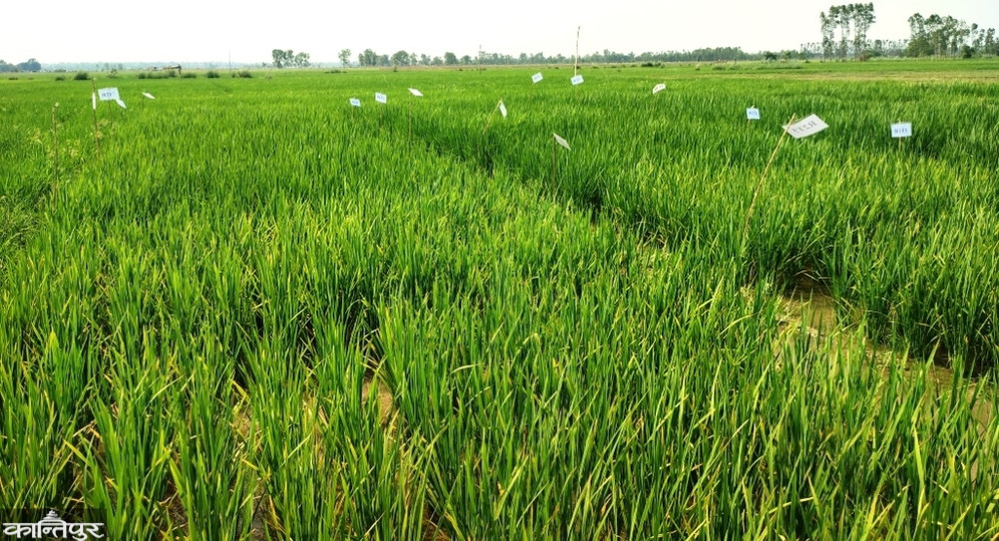
There is a total of 89,935 hectares of cultivable land in Kailali. Currently, 86,450 hectares are being cultivated. According to the latest data from the Agricultural Knowledge Center, 446,031 metric tons of rice were produced in an area of 103,588 hectares in the fiscal year 2082/83.
Last year, 110,014 metric tons of wheat were produced, and this year, production is expected to decrease by 3 to 5 percent. Wheat production is expected to decline as the area under mustard, spring maize and other cash crops expands. Maize and vegetable farming in the district is gradually improving. Maize production is expected to increase by 5 percent this year compared to last year due to the spring maize pocket and promotion program. The increasing use of advanced seeds and technology and the active participation of youth in commercial farming on leased land are expected to increase vegetable production in the district by 3 to 5 percent.
‘We have brought special programs to connect youth with enterprises by changing the traditional agricultural system,’ said Ghanshyam Chaudhary, head of the Agricultural Knowledge Center. ‘Agricultural entrepreneurship program has been launched with a budget allocation of Rs 5.7 million for youth who have returned from abroad and studied agriculture.’ He said that 45 youth have benefited from this so far. The Center has stated that 14 percent of the budget allocated for the agriculture sector in the current fiscal year has been spent so far.
About 10,000 hectares of cultivable land in the district has not yet been irrigated. This year, the Center has stated that 350 units of straw tubers have been distributed under agricultural subsidies. Although there is no problem with improved seeds here, difficulties remain due to the low supply of chemical fertilizers, said Chaudhary, head of the Agricultural Knowledge Center. According to him, to reduce the investment risk of farmers, the insurance program for banana cultivation and spring maize has been made effective in the district.
So far, 200 farmers have insured their crops planted on 255 hectares. Chaudhary said that the main challenges in the agriculture sector are still the farmers' failure to keep systematic records of investment and income, doing business on a small scale, and not being able to identify market demand.
The health situation of the district, which is considered the heart of the province, is improving. Various indicators in the health sector are improving. However, the nature of the disease and the challenges of health management have increased over time. According to the data of the health office, 183 health institutions are operating across the district. Out of which, there are 5 government, 34 private hospitals, 35 health posts, 4 primary health centers, 81 basic health service centers, and 24 community health units. 'Yesterday, there was a lot of outbreaks of communicable diseases,' said Health Office Chief Ramesh Kunwar, 'However, now non-communicable diseases are on the rise.'
Due to the open border, there is an equal risk of infection from India. Lifestyle-related diseases such as heart disease, diabetes and cancer have now become a new challenge for the district, he said. There is still a gap in the access of citizens to health services. There has been an increase in specialist services in urban areas like Dhangadhi and Tikapur. However, citizens of hilly areas like Chure and Mohanyal are limited to basic health services. ‘Even now, there is not a single primary hospital in Chure and Mohanyal rural municipalities,’ said Kunwar. ‘Although basic health services are available there, medical and specialist services have not reached them.’ The presence of specialist doctors is increasing in municipalities like Godavari, Lamki and Bardagoria.
The government has adopted a policy of providing 98 types of medicines free of cost. However, here, there is a discrepancy between the expectations of service recipients and the government list. The demand for common medicines that are not included in the medicines prescribed by the government but are easily sold by the private sector comes from patients. In such a situation, Chief Kunwar said that they are angry because the medicines cannot be provided. The health insurance program has become a problem in the district. The program, which was started for the first time in the country, is slow in the district. According to the health office, only 20 families out of 100 households in the district are covered by health insurance. Service recipients are complaining about not getting good and timely services from the hospital. The hospital has said that it has had to bear losses due to not receiving payment from the insurance board.
Citizens' access to health services has increased after the establishment of private hospitals. Due to the specialist services available in private hospitals in Dhangadhi and Attariya, patients here have no longer have to go to India or Kathmandu. Citizens also raise questions about the private sector. There are public complaints of high fees, unnecessary tests and gender identification of babies. Seti Provincial Hospital is currently forced to bear a load exceeding its capacity. The available manpower for 50 to 100 beds is forced to provide services equivalent to 400 beds.
Dialysis patients are forced to go to Pali and Lucknow in India for general treatment. There is a pressure of patients at the provincial hospital. Kidney patients are forced to wait for months for dialysis at the provincial hospital. Anita Shahi of Gauriganga-2 in the district has been getting her husband's kidney dialysis done for the past two years. 'We are forced to have dialysis twice a week,' she said, 'but we have to wait for months.'
She said that it has been three years since she started dialysis for her kidney patient husband. She said that she was undergoing dialysis at a private hospital in Dhangadhi for a year after not getting a provincial turn. She said that her turn came to the provincial turn eight months after she first registered. ‘It cost three lakhs to get treatment at a private hospital for a year,’ she said. ‘It would have been better if I had been treated at a government hospital, but my turn never came.’ Service recipients here said that they are facing long queues and shortage of medicines to get health insurance services. Although ambulance services are available in accessible areas, it is challenging to get services during the ‘golden hour’ in remote areas.
Health office data has shown gradual improvement in health services. Maternal and neonatal mortality rates have decreased. In the fiscal year 2079/80, there were 15 maternal deaths, but by the fiscal year 2082/083, it has reduced to 4. There has also been an improvement in the neonatal mortality rate. In the fiscal year 2079/080, 153 newborns died, but this number has decreased to 34 in the fiscal year 2082/083.
More than 9,000 people have taken institutional delivery services in Dhangadhi Sub-metropolitan City annually. The percentage of institutional deliveries exceeding 100 confirms that women from other surrounding areas also come to Dhangadhi to seek services. The number of people giving birth in health institutions is also significant in Tikapur Municipality. However, in remote municipalities like Mohanyal and Chure, the rate of institutional deliveries is comparatively low, according to the health office data. Kailali is in the grip of dengue infection. In the fiscal year 2080/081, 1,081 people were confirmed to have been infected. Success also seems to have been achieved in controlling the diarrhea outbreak. In 2079/080, 28,420 people were infected with diarrhea. In the fiscal year 080/081, this number had shrunk to 9,149.
Transition period in education
School-level education in the district is going through a 'transition period'. The educational environment is improving in some places. Community schools are trying to restore their reputation. The potential in the district's education sector is as great as the problems.
Three percent of children in the district are not enrolled in school. The absenteeism rate of those enrolled is high. According to the data of the Education Development and Coordination Unit, SEE results are improving. There has been a 12 percent improvement in 081 compared to the SEE results of 2080. The office expects further improvement this year. Similarly, the results of 12th grade are also improving. There are 567 community schools in the district. Including private ones, there are around 1,000 educational institutions in the district. More than 200,000 students are studying up to class 10 in the district. This year, 18,500 students are participating in the SEE. However, the number of teachers is low in proportion to the number of students. It is even more difficult to find qualified teachers.
‘The number of teachers in Kailali is very low in proportion to the number of students,’ said District Education Unit Chief Ishwori Gyawali, ‘especially at the secondary level, it is difficult to find teachers who teach science, mathematics and technical subjects (computers, civil engineering, agriculture).’ According to him, even in Dhangadhi, which is considered the hub of education, applications are not accepted when advertising for subject-specific teachers. This has raised questions about the quality and output of higher education in the district. 30 percent of the total children in the district are in private schools.
Although the results of private schools are good in book knowledge, there is still a need for improvement in all-round development, says Gyawali.
The main reason for the decline in the educational quality of the district is seasonal migration. Parents from the poor and Dalit communities often take their children with them when they go to Shimla, Bangalore and Kalapahad in India in search of employment. According to Gyawali, the unit head, about 20 percent of students do not come to school for 3 to 6 months a year. Due to being away for such a long time, their learning achievement has not reached more than 30-35 percent. Even when parents leave them in the care of relatives, children are forced to repeat grades and drop out of school. He said that the still existing child marriage and Chhaupadi system in the society are directly affecting the safety and regular learning of girls.
The district's physical infrastructure is good in the education sector. There is no shortage of buildings and classrooms. सुदूरपश्चिमकै तीन नमुना सामुदायिक विद्यालयमध्ये त्रिनगर मावि, धनगढी र दुर्गालक्ष्मी मावि, अत्तरियामै छन् । ती विद्यालयमा विद्यार्थीको अत्यधिक चाप छ । कतिपय विद्यालय विद्यार्थी अभावमा बन्द वा मर्ज हुनुपर्ने अवस्थामा पुगेका छन् । विद्यालयमा शौचालय र खानेपानीको सुविधा पुगे पनि मर्मत–सम्भार र सरसफाइको अवस्था नाजुक छ । शिक्षा क्षेत्रको बेथितिलाई सुधार्न खोज्दा राजनीतिक स्वार्थ सबैभन्दा ठूलो पर्खाल बन्ने गरेको कार्यालयले जनाएको छ । ‘हामीले शिक्षक तालिम, पुस्तकालय र स्मार्ट विद्यालयजस्ता सुधारका काम त गरिरहेका छौं,’ ज्ञवालीले भने, ‘तर वास्तविक सुधारका लागि चाहिने दरबन्दी मिलान र विद्यालय समायोजन (मर्ज) को कार्य भने राजनीतिक स्वार्थका कारण ओझेलमा छ ।’
स्थानीय जनप्रतिनिधिले आफ्नो राजनीतिक फाइदा–बेफाइदा हेर्ने गरेकाले विद्यार्थी नभएका विद्यालयबाट दरबन्दी हटाउन वा विद्यालय गाभ्न समस्या भएको उनको भनाइ छ । उच्च शिक्षामा विज्ञान र प्राविधिक विषयको पढाइ नहुनु र विद्यार्थी स्नातक पढ्न काठमाडौं धाउनुपर्ने बाध्यताले माध्यमिक तहको शिक्षालाई असर गरिरहेको छ । विपन्न र दलित समुदायका बालबालिकाका लागि विशेष हेरचाह र कोचिङ कक्षाको व्यवस्था, लागूऔषधविरुद्धको कठोर सामाजिक अभियान र राजनीतिक हस्तक्षेपमुक्त विद्यालय प्रशासन भए कैलालीको शैक्षिक गुणस्तर सुध्रिनेमा ज्ञवाली विश्वस्त छन् ।
भयावह लागूऔषध सेवन
जिल्लाको शैक्षिक क्षेत्रमा डरलाग्दो चुनौतीका रूपमा लागूऔषध सेवनको समस्या देखिएको छ । १२ देखि २० वर्ष उमेर समूहका बालबालिका लागूऔषधको लतमा फसिरहेका छन् । जसले गर्दा छात्रछात्रा प्रहरी हिरासत वा सुधारगृहमा छन् । यस्तो समस्याले जिल्लामा शैक्षिक उपलब्धि प्रभावित भएको छ । लागूऔषधविरुद्ध विद्यालयले, प्रहरी, स्थानीय तह, समुदाय सबै मिलेर सचेतनामूलक कार्यक्रम सञ्चालन गरिरहेका छन् । तर, खुला सिमानाका कारण समस्या नियन्त्रण बाहिर पुगेको छ ।
गत कार्तिक २३ गते एकै दिन लागूऔषधसहित ८ जना पक्राउ परे । जिल्ला प्रहरी र मातहत प्रहरी कार्यालयले संयुक्त रूपमा उनीहरूलाई पक्राउ गरेका थिए । १८ वर्षीय किशोरदेखि ३१ वर्षीय वयस्कसम्मलाई विभिन्न स्थानबाट पक्राउ गर्दा उनीहरूका साथबाट १ ग्राम ३ सय ७० मिलिग्राम खैरो हेरोइन बरामद भएको थियो । उक्त घटनाको ६ दिनपछि जिल्लामा लागूऔषधसहित ६ जना पक्राउ परे । प्रहरीका विभिन्न टोलीले उनीहरूका साथबाट ५ ग्राम ४ सय २० मिलिग्राम खैरो हेरोइन फेला पारेको जनाएको छ । एक साता अन्तरालमा पक्राउ परेको ठूलो संख्याले पनि कैलालीमा लागूऔषध कति भयावह रूपमा फैलिरहेको छ भन्ने स्पष्ट देखाउँछ ।
भारतसँग खुला सिमाना जोडिएको छिमेकी जिल्ला कञ्चनपुरको अवस्था पनि उस्तै छ । खुला सिमानाका कारण लागूऔषधको कारोबार र प्रयोगको दर बढिरहको छ । प्रदेश प्रहरी कार्यालय पछिल्लो तथ्याङ्कले पनि जिल्लामा लागूऔषध प्रत्येक वर्ष तीव्र गतिमा वृद्धि भइरहेको देखाउँछ । तथ्याङ्क अनुसार आर्थिक वर्ष २०७७/७८ मा लागूऔषध मुद्दामा १ सय ३७ जना पक्राउ परेका थिए । आर्थिक वर्ष २०८०/८१ सम्म यो संख्या ७ सय पुगेको छ ।
जिल्लामा लागूऔषध प्रयोग र कारोबारको पछिल्लो प्रवृत्ति झनै चिन्ताजनक देखिएको छ । चालु वर्षको साउन १ गतेदेखि कात्तिक मसान्तसम्म मात्रै जिल्ला प्रहरीमा ८९ वटा लागूऔषधका मुद्दा दर्ता भइसकेका छन् । यस अवधिमा ५ महिला र १ सय २५ पुरुष गरी १ सय ३० जना पक्राउ परेका छन् । भन उनीहरूको साथबाट १ सय ९३ ग्राम २० मिलिग्राम खैरो हेरोइन (ब्राउन सुगर), ७ किलो ३६६ ग्राम चरेस र ७७ ट्याब्लेट ट्रामाडोल बरामद गरिएको छ ।
प्रहरीका अनुसार पक्राउ पर्नेमध्ये अधिकांश १८ देखि २५ वर्ष उमेर समूहका युवका छन् । पछिल्लो समय महिला र किशोरीसमेत दलदलमा फस्न थालेका छन् । जो सुरुमा लतका कारण र पछि पैसाको लोभमा ओसारपसारमा संलग्न हुने गरेको जिल्ला प्रहरीका सूचना अधिकारी राजकुमार सिंहले बताए ।
बाढीबाट जहिल्यै पीडित
जिल्लाको भौगोलिक बनावट र यहाँका दर्जनौं नदीनालाका कारण वर्षायाममा दर्जनौं बस्ती डुवानमा पर्ने गरेका छन् । चुरेबाट उर्लिएर आउने खोला/नदी समथर भू–भागमा आइपुगेपछि फैलिएर बस्तीमा पस्दा जनजीवन प्रभावित हुने गरेको छ । जिल्लास्थित भजनी नगरपालिकाका अधिकांश वडा जलमग्न हुने गरेका छन् । उक्त पालिकाका बासिन्दा बाढी आउने बित्तिकै हुलाकी सडकमा त्रिपाल टाँगेर बस्छन् । टीकापुर नगरपालिकाका २, ५, ६, ७, ८ र ९ नम्बर वडामा कर्णाली र मोहना नदीको बाढी पस्छ । साथै कटान पनि हुने गरेको छ । कैलारी गाउँपालिकाका ३, ५ र ७ नम्बर वडाका बस्तीमा पनि मोहना र कटैनीको बाढी पस्ने गरेको छ ।
जानकी, जोशीपुर, अत्तरिया र आसपासका गाउँमा बाढी पसेर उठिबास लगाउने गरेको छ । धनगढी उपमहानगरका १५ र १८ नम्बर वडा मोहनाको बाढीका कारण जोखिममा छन् । गौरीगंगा, घोडाघोडी र गोदावरीका होचा भू–भागमा खुटिया, कान्द्रको बाढी पस्ने गरेको छ । भौगोलिक अवस्थिति, नदीको सतहमा बालुवा र गेग्रान भरिनुका साथै हुलाकी राजमार्ग जस्ता अग्ला भौतिक संरचनामा पर्याप्त पानी निकासको व्यवस्था नहुँदा बाढीको जोखिम बढेको हो । बाढी र डुबानको जोखिम हुनुमा प्राकृतिक र मानवसिर्जित कारण जिम्मेवार देखिन्छन् ।
नदीको सतह बस्तीको सतहभन्दा माथि पुगेकाले पानीको बहाव बढ्ने बित्तिकै धार परिवर्तन गरी गाउँ पस्ने गरेको छ । पूर्व–पश्चिम र हुलाकी राजमार्ग निर्माण गर्दा पानीको प्राकृतिक निकासलाई ध्यान नदिई अग्लो सडक बनाइएको छ । पर्याप्त कल्भर्ट र ढल निकासको अभावमा ती सडकहरूले बाँधको काम गरिरहेका छन् ।
भौतिक संरचना उपयोगमा सकस
जिल्लामा पछिल्लो समय भौतिक पूर्वाधार विकासले गति लिएपनि ठूला आयोजनाको कार्यान्वयन र सञ्चालन भने सुस्त छ । त्यस्ता संरचना उपयोगमा नीतिगत अन्योल कायम देखिन्छ । जिल्लामा धनगढीदेखि अत्तरियासम्म ६ लेन सडक निर्माण भएको छ । यस सडकले आवागमनलाई सहज बनाएको छ । साथैं सहरी सौन्दर्य र आर्थिक गतिविधिमा समेत ठूलो परिवर्तन ल्याएको छ ।
जिल्लाको सुदूर दक्षिणका बस्तीलाई जोड्ने राष्ट्रिय गौरवको हुलाकी राजमार्गको अवस्था भने सन्तोषजनक छैन । कतिपय खण्डमा कालोपत्रे भए पनि मोहना, कान्द्रा र काँढा जस्ता ठूला नदीमा पुल निर्माणमा ढिलासुस्ती भइरहेको छ । ठाउँ–ठाउँमा भत्किएको सडकले गर्दा आयोजनाले स्थानीयलाई दिनुपर्ने जति लाभ दिन सकेको छैन । ग्रामीण क्षेत्रका सडकमा लगानी बालुवामा पानी जस्तै भएको छ । जहाँ वर्षेनी ग्राभेल गरिएपनि बर्खा लाग्नेबित्तिकै ती सडकहरू हिलाम्य भएर हिँड्नै नसकिने अवस्थामा पुग्छन् ।
जिल्लाका ठूला आयोजनाको अवस्था कतै उत्साहजनक त कतै निराशाजनक देखिन्छ । गेटाको मेडिकल कलेजको विशाल भौतिक संरचना यस क्षेत्रकै ठूलो उपलब्धिका रूपमा लिइएको छ । अर्बौको लगानीमा भवन र अस्पतालका संरचना तयार भइसकेका छन् । तर कुन मोडालिटीमा सञ्चालन गर्ने भन्नेमा संघीय सरकारको ढिलासुस्तीले गर्दा संरचना प्रयोगविहीन जस्तै बनेका छन् ।
कृषि क्षेत्रमा कायापलट गर्ने लक्ष्य राखिएको रानी–जमरा–कुलरिया सिँचाइ आयोजनाको काम पनि कछुवा गतिमा छ । नहर निर्माण र मुआब्जा वितरणका विवादले गर्दा आयोजनाको समय र लागत दुवै बढ्दै गएको छ । जसले गर्दा किसानले समयमै सिचाइँ सुविधा पाउन सकेका छैनन् । खेलकुद पूर्वाधारमा जिल्लाले मुलुकमै छुट्टै सान बनाएको छ । जसको केन्द्रमा ‘फाप्ला क्रिकेट रङ्गशाला’ रहेको छ ।
धनगढीलाई ‘क्रिकेटको सहर’ का रूपमा विश्वमा चिनाउने उद्देश्यले अघि सारिएको फाप्ला अन्तर्राष्ट्रिय क्रिकेट मैदानको काम अहिले जग्गा व्यवस्थापन र गुरुयोजनाको चरणमा अल्झिएको छ । धनगढी रङ्गशालाको स्तरोन्नति र क्षेत्रीय स्तरका खेल मैदानको निर्माणले केही आशा जगाएको छ । तर, व्यावसायिक खेलकुदका लागि आवश्यक पर्ने कभर्ड हल, पौडी पोखरी र खेलाडीका लागि आवश्यक सुविधा सम्पन्न एकेडेमीहरूको भने अझै अभाव छ । पर्यटन क्षेत्रको ठुलो आयोजना चिसापानी राजकाँडा केवलकार आयोजना रहेको छ ।
कैलालीको चिसापानीमा यसको निर्माण सम्पन्न भएको छ । नेपाली नयाँ वर्षदेखि सञ्चालनमा आउँदै छ । सेती प्रादेशिक अस्पतालको नयाँ ब्लक निर्माणले स्वास्थ्य सेवाको क्षेत्रमा केही राहत पुर्याएको छ । तर, जिल्लाका कतिपय दुर्गम क्षेत्रका वडा कार्यालय र स्वास्थ्य चौकी अझै पनि भाडाका वा जीर्ण भवनबाट सञ्चालित छन् । ठूला सहरमा जथाभावी प्लटिङ र ढल निकासको व्यवस्था बिना भवन निर्माण हुनुले भविष्यमा सहरी सास्ती बढ्ने खतरा उस्तै छ । 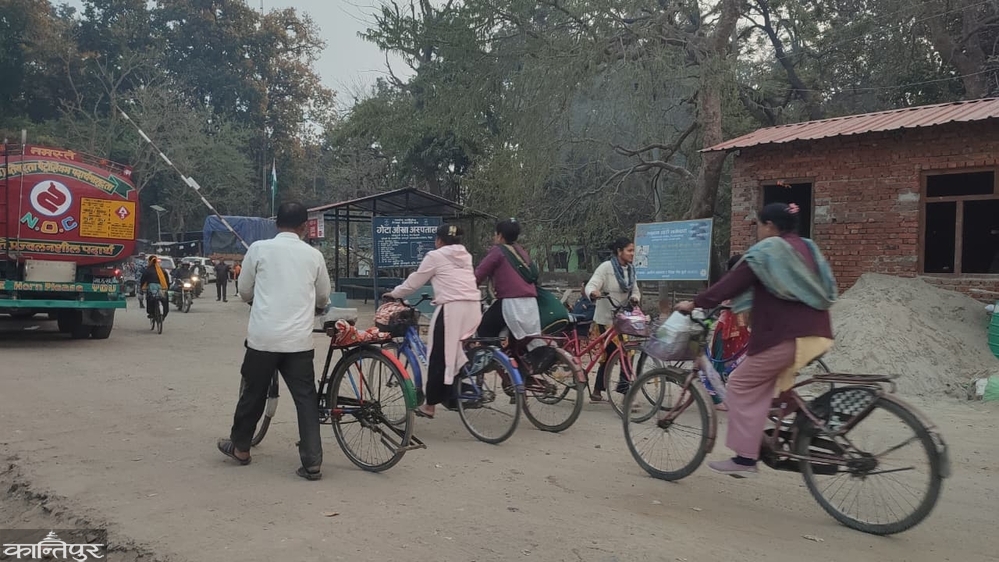
‘फास्ट ट्रयाक’ सुस्त
सुदूरपश्चिमका पहाडी जिल्लालाई तराईसित जोड्न निर्माण थालिएको ‘फाष्ट ट्रयाक’ले गति लिन सकेको छैन । प्रत्येक संसदीय निर्वाचनमा प्रमुख मुद्दा बन्ने गरेपनि निर्माण कार्यले तीव्रता पाएको छैन । धनगढी–खुटिया–दीपायल–चैनपुर–उरै भन्ज्याङ (फास्ट ट्रयाक) मार्ग निर्माण गरेर पहाड र तराईबीच आधा दूरी घटाउने लक्ष्य छ । आयोजना सुरु गरिएको दुई दशक बितिसक्दा समेत गति लिन नसकेको हो । कैलालीको धनगढी–हसनपुरबाट सुरु हुने मार्ग खुटिया, वीपीनगर हुँदै डोटीको दीपायलबाट बझाङको चैनपुर भएर चीन सीमा उरै भन्ज्याङसम्म पुर्याउने लक्ष्य राखिएको छ ।
अहिलेसम्म उक्त मार्ग अन्तर्गत सीमित खण्डमा मात्र काम भइरहेको छ । खुटियाबाट वीपीनगरतर्फ २० र दीपायलबाट वीपीनगरतर्फ १३ किलोमिटर कालोपत्र भइरहेको आयोजना प्रमुख इन्जिनियर शशांक मिश्रले जानकारी दिए । उनका अनुसार हसनपुर–खुटिया खण्डमा कालोपत्र पूरा भइसकेको छ । यसबाहेक ७ वटा पुल निर्माणाधीन छन् । जसमध्ये ५ वटाको निर्माण चालु वर्षभित्रै सक्ने लक्ष्य छ । दीपायलबाट चैनपुरतर्फ अहिलेसम्म निर्माण कार्य सुरु भएको छैन । पहाड र तराईबीच दूरी घटाएर दुर्गम क्षेत्रलाई राष्ट्रिय सडक सञ्जालमा जोड्ने उद्देश्यले आयोजना अघि बढाइएको थियो ।
अहिलेको धनगढी–दिपायल सडक १ सय ८० किलोमिटर छ । उक्त सडकको विकल्पमा २०६४ मा खुटिया–दीपायल द्रुत मार्गको सर्भे पूरा गरेर ट्रयाक खोलिएको थियो । सुरुमा खुटियाबाट दीपायलसम्म ८२ किलोमिटर सर्भे गरिएको थियो । त्यसपछि कैलालीको स्याउलेबाट धनगढीसम्म १० किलोमिटर थप गरियो । त्यसपछि धनगढी–दीपायलसम्म ९२ किलोमिटर द्रुतमार्ग बनाउने निर्णय गरिएको थियो । पहिलो चरणमा खुटिया–वीपीनगर–दीपायल खण्ड निर्माण थालिएको थियो ।
२०७३ मा बिस्तार गरेर धनगढी–खुटिया–दीपायल–चैनपुर–उरै भन्ज्याङ नामकरण गरिएको थियो । आयोजनाको विस्तृत परियोजना प्रतिवेदन (डीपीआर) अनुसार धनगढीदेखि बझाङको थलारासम्म १ सय ८६ किलोमिटरको अध्ययन पूरा भइसकेको छ । उक्त सडक निर्माण पूरा गर्न ९ अर्ब १५ करोड ५३ लाख लागत अनुमान गरिएको छ ।
दिपायल–पातीहाल्ने खण्डमा ५ अर्ब ९४ करोड रुपैयाँ लगानी अनुमान गरिएको छ । खुटिया–दीपायल खण्डमा २ अर्ब ९८ करोड र धनगढी–खुटिया खण्डमा २२ करोड ८२ लाख लागत अनुमान गरिएको छ । बझाङको चैनपुर बजार र उरै भन्ज्याङ सम्म जोड्ने लक्ष्य राखिए पनि अझै डीपीआर पूरा नभएको आयोजना प्रमुख मिश्रले जनाए । उनका अनुसार आयोजनामा अहिलेसम्म १ अर्ब ७७ करोड खर्च भइसकेको छ ।
रोजगारी भारत र खाडीमा
सुदूरपश्चिमको आर्थिक र व्यापारिक केन्द्र भएपनि जिल्लामा पछिल्लो समय औद्योगिक उत्पादन र आन्तरिक रोजगारी सिर्जनाको पाटो कमजोर देखिएको छ । ६ लेन सडक, भव्य सरकारी भवन र चिल्ला सडकले सहरको स्वरूप बदलिदिए पनि ती संरचनाले स्थानीय युवालाई रोजगारी दिन नसक्दा जिल्लाको उर्जाशील जनशक्ति पलायन हुने क्रम तीव्र बनेको छ । धनगढी र अत्तरिया जस्ता मुख्य सहर अहिले उत्पादनमूलक उद्योगको केन्द्र बन्नुको साटो बाहिरबाट ल्याइएका सामान बेच्ने ’ट्रेडिङ हब’ मा सीमित छन् ।
जिल्लामा चामल तथा तेल मिल, इँटा भट्टा र साना प्रशोधन उद्योग सञ्चालनमा भएपनि तिनले माग अनुसारको ठूलो संख्यामा रोजगारी सिर्जना गर्न सकेका छैनन् । सरकारले घोषणा गरेका औद्योगिक क्षेत्र र विशेष आर्थिक क्षेत्रका योजना वर्षौंसम्म कागजमै सीमित छन् । निजी क्षेत्रले ठूलो लगानी गर्न डराइरहेको अवस्था छ, जसको प्रत्यक्ष मार यहँका युवामा परिरहेको छ ।
जिल्लामा रोजगारीको अभाव कैलालीका ग्रामीण भेगका अधिकांश युवा अझै पनि आफ्नो र परिवारको दुई छाक टार्नका लागि ‘ऋण–दान’ गरेर भारतीय सहर मुम्बई, दिल्ली र पन्जाब जान बाध्य छन् । खेतीपातीको सिजन सकिने बित्तिकै गाउँ खाली हुने र युवा जति मजदुरीका लागि भारत पलायन हुन गरेका छन् । पछिल्लो समय कैलालीबाट तेस्रो मुलुक र विकसित राष्ट्रमा जाने लहर उत्तिकै बढेको छ । आर्थिक हैसियत भएका र ऋण खोज्न सक्ने युवाको रोजाइ कतार, साउदी र दुबई जस्ता खाडी मुलुक बनिरहेका छन् । शैक्षिक प्रमाणपत्र भएका युवा जापान, कोरिया, अस्ट्रेलिया र युरोपका लागि मरिहत्ते गरिरहेका छन् ।
जिल्लाका स्थानीय तह नागरिकलाई सेवा दिने र स्थानीय विकास गर्ने संवैधानिक मर्मबाट विमुख भई राजनैतिक कार्यकर्ता व्यवस्थापन र बजेट सिध्याउने अखडामा परिणत भएका छन् । महालेखा परीक्षकको प्रतिवेदनले अनुसार नदीजन्य पदार्थको राजस्वमा सेटिङ, रसिद गायब पार्ने प्रवृत्ति, जनप्रतिनिधिको दोहोरो सुविधा मोह र मापदण्ड विना बाँडिएका योजना र रकमले स्थानीय सरकारप्रतिको जनविश्वासलाई कमजोर बनाएको छ । कैलालीको जोशीपुर गाउँपालिकाबाहेक अन्य सबै पालिकाहरू वित्तीय अनुशासनमा कमजोर देखिएका छन् ।