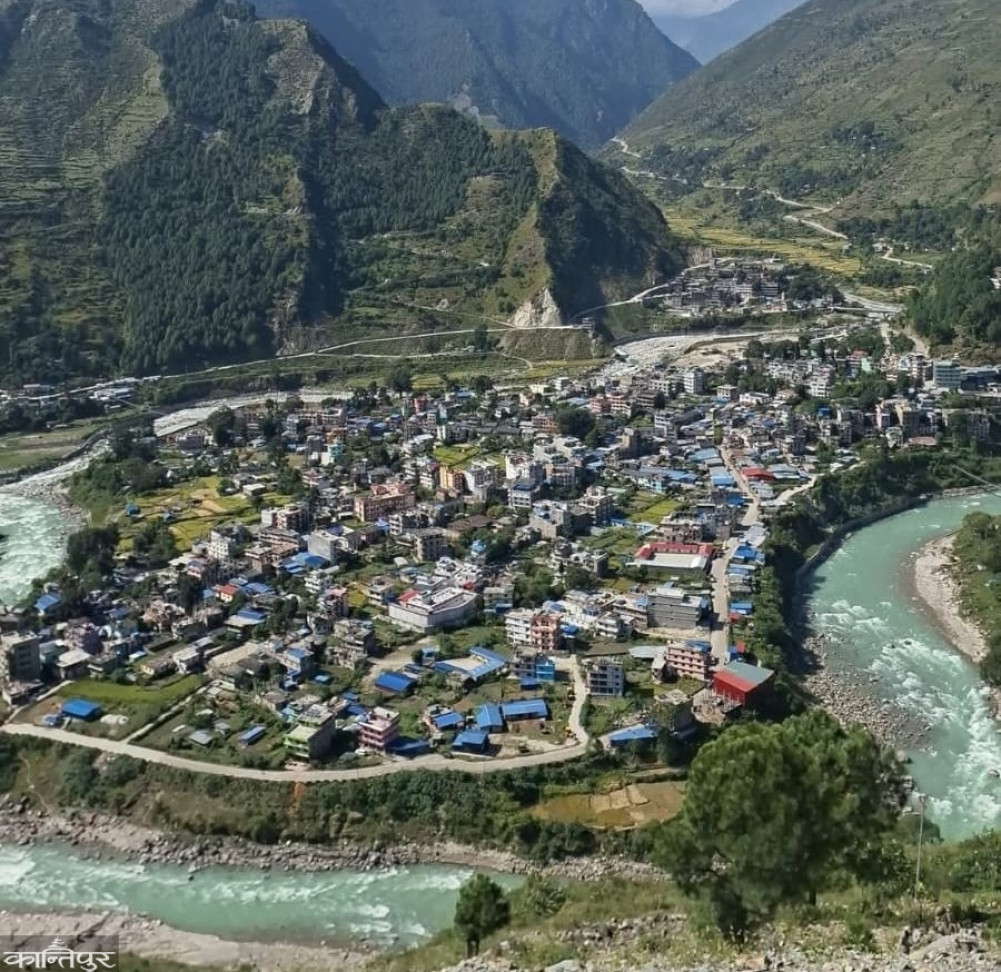
In Bajhang, which holds immense potential in herbs, agriculture, animal husbandry, and hydropower, the lack of basic services, employment, and infrastructure has made life difficult for locals.
We use Google Cloud Translation Services. Google requires we provide the following disclaimer relating to use of this service:
This service may contain translations powered by Google. Google disclaims all warranties related to the translations, expressed or implied, including any warranties of accuracy, reliability, and any implied warranties of merchantability, fitness for a particular purpose, and noninfringement.
Bajhang, the largest district in the Far Western Province in terms of area, is also rich in biological and cultural diversity. Despite its potential in agriculture, herbs, water resources, minerals, and tourism, poverty, illiteracy, and backwardness have become the national identity of this district.
The district has an area of 3,422 square kilometers and a population of about 189,085. The lower part of the district, which is 830 meters above sea level, extends from Deura to the 7,311-meter Saipal Himal. Geographical, biological and climatic diversity is found in every district. Based on the climate, it is 60 percent cold, 30 percent temperate and 10 percent subtropical, so one can experience the climate from the Terai to the Himalayas.
The basis of livelihood is herbs and agriculture
In terms of exports, herbs are the most exported item from Bajhang. In terms of value, the largest share of this is yarchagumba. According to a study by Nepal Rastra Bank, yarchagumba worth 4.92 billion is traded annually in 11 districts of Nepal, including Bajhang. Of which, one billion rupees worth of Yarchagumba is collected from Bajhang alone. Apart from Yarchagumba, 37 types of herbs including Satuwa, Banalsun, Katuki, Red Mushroom, Pakhanved, Amla, Tejpat are exported from Bajhang. Herbalists say that the value of which is around two billion rupees annually.
Due to overexploitation, unorganized and unscientific collection practices, and changes in seasonal cycles due to climate change, the availability of herbs has started decreasing in recent years. ‘Herbs are the biggest source of foreign income in Bajhang,’ says Dan Bahadur Surmeli, president of the Bajhang Chamber of Commerce and Industry, who is also a herbalist. ‘If we look at the situation 10 years ago and now, the production of herbs has decreased significantly.’ On the one hand, due to various reasons, the production of herbs has decreased, and on the other hand, because middlemen dominate the business, collectors say that middlemen are taking more advantage than those who collect herbs at the risk of their lives. Due to the large-scale smuggling through the Tibetan border, even the state has not been able to collect the revenue it should have.
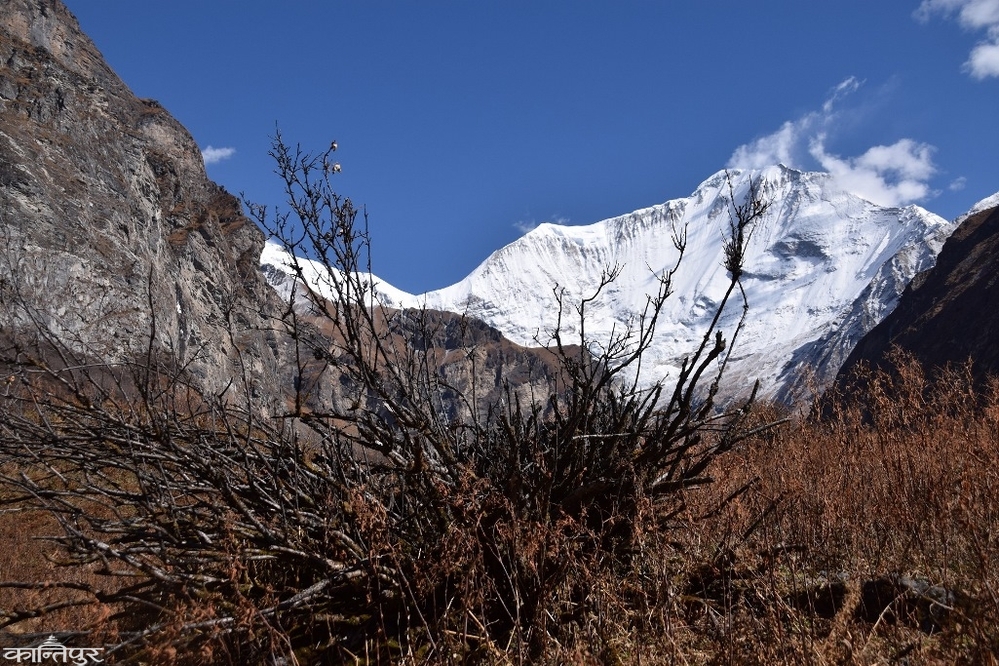
The main occupation of this district is agriculture and animal husbandry. Main crops such as rice, wheat, millet, corn, sorghum, potatoes, and barley are produced in this district. Local varieties of rice like Hansraj Basmati rice, Thapacini, Range, Black Khutudi, Chiudi, Rangi, Marsi, which are native to Bajhang, are famous even outside the district for their taste and health. However, its commercial production has not been possible. After herbs, the most exported product from Bajhang is the sheep raised in the Himalayan region. Rajendra Dhami, former chairman of Saipal Rural Municipality, says that the annual turnover of sheep, which is transported to Dhangadhi, Chitwan, Pokhara, and Kathmandu for sale, is more than 70 million rupees.
Mountain climbing and mountain tourism are overlooked
Among the 77 districts of Nepal, Bajhang has the highest mountainous terrain (above 5,000 meters). The mountain ranges like Saipal, Nappa, Yoga, and Kapachuli are located in this district. Bordered by Tibet of China in the north, Doti in the south, Bajura-Humla in the east, and Baitadi-Darchula in the west, this district has the potential for mountain climbing, cross-border trade, religious and mountain tourism.
The Seti River, the main river of the Far Western Province, originates from the Saipal area of this district. There are dozens of lakes here like Khaptad Lake, Surmasarovar, Majha Lake, Nilkhatti Lake, and waterfalls like Seti Falls, Datola Falls, Chankeli, Paltichada, and hot springs, which have the potential for tourism and natural medicine.
The Dhadar Masta temple, considered the origin of the Masto culture, is also located in Bajhang. Khaptad National Park, Surmasarovar, Saipal Himal, and other areas are attractive from both a spiritual and touristic perspective. The ancient religious-commercial route from the Ganges to Kailash-Mansarovar passes through here. Mangal Khadka, Secretary of the Tourism Information Group, Bajhang, says that this region can become a center of world tourism if the diverse lifestyles, arts, cultures and skills of different ethnic groups can be combined with the tourism industry.
Hydropower: A ray of hope
Part of Nepal's largest reservoir project, Paschim Seti, also falls in Bajhang. Even if we leave aside this most debated and unfinished project, Bajhang has the highest electricity generation capacity of 688 megawatts in this province.
The Kalanga Hydropower Project with a capacity of 65 megawatts has been completed and is operational with private sector investment. Another 25 megawatt project is under construction in Sunigad Khola in Bajhang. The project, which is being built by private sector company Omega Energy Developer Pvt. Ltd., aims to generate 17 MW of electricity from Lower Sunigad and 8 MW from Upper Sunigad, is nearing completion.
The 210 MW Chainpur Seti Hydropower Project, which is being built by Nepal Electricity Authority itself, is also under construction. The construction of the 87 MW Seti River 3 semi-reservoir project has also progressed. The project has reached the construction stage after distributing land compensation.
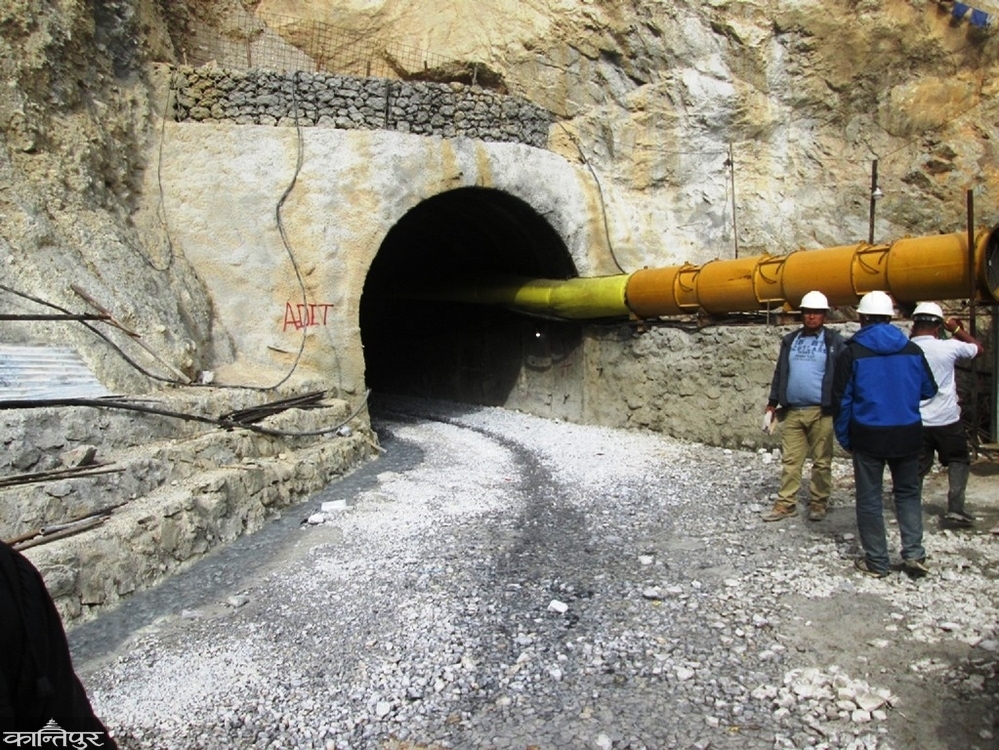
The construction process of the 140 MW Upper Seti project to be built in Saipal Rural Municipality has been started by the private sector Samriddhi Hydro Power Company. Similarly, the 165 MW Seti Khola Hydropower Project, which is said to be built on the Seti River, has not been in the construction process for two decades.
Locals say that the completed, under-construction and initial construction hydropower projects have raised hopes for the development of Bajhang. ‘When all the projects are completed, Bajhang will definitely become a hub for electricity export,’ says Birendra Malla, one of the founders of the Kalanga Hydropower Project, ‘This is also helping in the construction of other infrastructure here.’ He said that if the potential of Bajhang’s electricity production is realized, the local residents will earn income through shares and the local government through revenue, and this will make the local economy dynamic.
Taklakot Road, an unfulfilled dream of decades
The construction of this road, which has been under discussion since 2047 BS, has recently become the main topic of speeches of almost all political parties. Locals hope that if this road is opened, it will attract a stream of Indian tourists to visit Kailash Mansarovar, a famous pilgrimage site for Hindus, Buddhists and Bonbos, and that trade opportunities with Tibet will open up.
The Chainpur-Taklakot road has been a topic of debate as an election agenda in every election. It subsides after the election. This is the trilateral road connecting China and India at the closest distance. Leaders say that once the road is completed, it will work for the prosperity of not only Bajhang but also the entire Sudurpaschim Province.
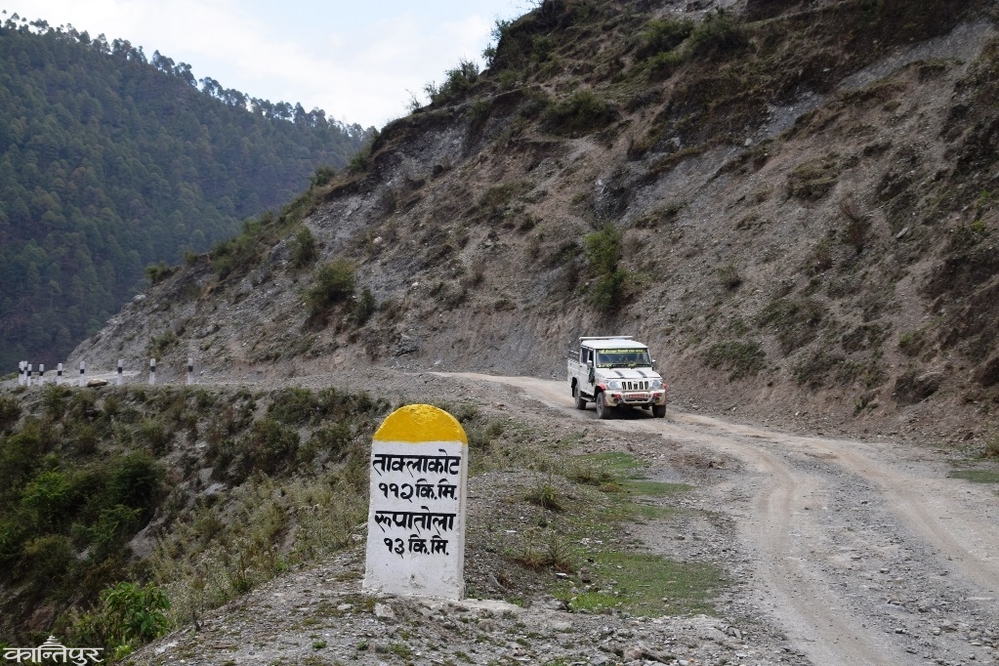
Leaders have assured that if the Taklakot road is opened, it will open a big door for trilateral trade and will bring a big stir in various sectors including trade and tourism. However, the pace of construction of this road is very slow. Currently, work is underway to widen the 18-kilometer road from Chainpur to Ruwatola and to open a track in the 32-kilometer area from Ruwatola to Dhuli. Despite the completion of the contract period several times, the construction of this road has not been completed.
Voters' demands: Education, health, drinking water and employment
There are 126,903 voters in Bajhang for the elections to be held on Falgun 21. The highest number of voters is 19,431 in Bungal Municipality, while the lowest number is 1,503 in Saipal. The municipality with the second largest number of voters is Jayaprithi Municipality. There are 15,107 voters here. Among the rural municipalities, the highest number of voters is 12,868 in Kedarsyun, while there are 11,856 voters in Thalara. Similarly, there are 11,679 in Khaptad Chhana Rural Municipality, 11,218 in Bitthad Chir Rural Municipality, 10,864 in Chhabis Pathivera Rural Municipality, and 9,522 in Durgathali Rural Municipality. There are 9,509 voters in Bajhang's Masta rural municipality, 7,756 in Talkot, and 5,590 in Surma rural municipality. The demands that voters have made to the candidates have been the same for decades. The locals of most of the municipalities have been demanding improvements in the quality of health and education in their villages, easy availability of drinking water and irrigation, and safe and reliable road transport. 'Bajhang has potential on one hand. But the basic problems of the people are the current issues,' says Lal Bahadur Bohara, assistant campus chief of Jayaprithi Campus. 'What can be done with just potential? The leadership so far has not been able to solve the basic problems of the people.' He expressed concern over the villages becoming empty every day due to lack of employment, saying, 'At least if we create an environment where people can work in their own villages, it seems that people will consider it a great achievement.'
The hardships on the roads are always the same.
The biggest expectation of Bajhang voters is a safe road that runs all year round. The Jayaprithi Highway, the only highway connecting Bajhang to the outside world, is blocked for months during the winter and monsoon seasons. Due to the deterioration of the road in places, it takes seven to eight hours to cover the 108-kilometer road from Khodpe in Baitadi to Chainpur, the headquarters of Bajhang. During the rainy season, landslides block the road almost every day, causing inconvenience to passengers, while the road, which is the lifeline of the district, is blocked for a long time, causing patients referred from outside the district to lose their lives on the road every year. When transportation is disrupted, shortages of essential goods such as medicine, food, gas, and oil, and abnormal price increases are common in Bajhang.
Although 11 out of 12 municipalities in the district are connected to the road network, rural roads are blocked even during normal rainfall. As a result, the suffering of the residents of rural areas is on one side, while the risk of accidents on roads built against engineering standards is the same. In the past three years, 36 people have lost their lives in accidents on local routes in Bajhang.
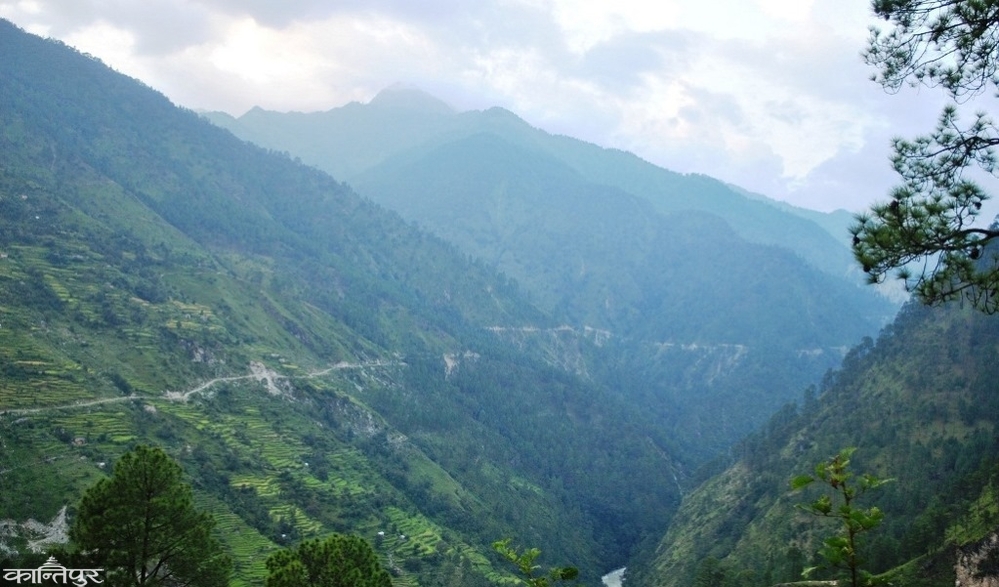
Climate-related disasters are increasing, debate is zero
Candidates who have been seeking votes in past elections by promising to solve the problems of education, health, drinking water, roads, and employment if they win are trying to garner votes by presenting the same agenda in this election. On the issue of environment and disasters, which have been seen as a major challenge in the district recently, the candidates are silent.
Although the debate has been going on for a long time to declare the northern part of the district as a Saipal conservation area to protect the Himalayan biodiversity that is in danger due to climate change and overexploitation, this issue has not become a candidate's agenda this time as in previous elections.
Due to indiscriminate collection of herbs, poaching, deforestation, fires, and annual accumulation of garbage, the biodiversity of the northern Himalayan region of Saipal, Surma and other rural municipalities, which are considered the head of Bajhang, is in danger, and the people of Bajhang have been demanding special arrangements for its protection.
Bajhang is the district with the highest snow cover among the 77 districts of Nepal. Of the total area of this district, 30 percent of the land (about 1,270 square kilometers) is at an altitude of more than 5,000 meters above sea level. In recent times, the environment, biodiversity, and ecosystem of the Himalayan region have been at risk due to rapidly increasing human activities and abnormal weather changes. The locals here have been directly affected. It is becoming increasingly difficult for the poor, disadvantaged groups and women, who depend on natural resources here, to make a living, while the damage caused by various climate-related disasters has also started increasing every year.
The environment of Saipal, which is the main source of water not only in Bajhang but also in the Seti River watershed, is deteriorating day by day. ‘The area rich in unique and unique biodiversity has started turning into a pile of garbage devoid of life and vegetation,’ said Gang Bahadur Singh, president of the Community Forest Users Federation, Bajhang. ‘Our leaders have never been serious about such a sensitive issue. The environmental awareness of the leaders of this district, which has been given ample potential by nature, has never been revealed.’ He accused the leaders and people’s representatives of being sensitive to the environment and trying to end the existence of the district by using dozers indiscriminately.
साइपाल संरक्षण क्षेत्र बनाउने विषय उम्मेदवारको चुनावी एजेन्डा बन्न नसकेकोप्रति संरक्षणकर्मीहरु मात्रै नभएर स्थानीयको पनि गुनासो छ । यहाँको उत्तरी क्षेत्रका बासिन्दाको आयआर्जनको प्रमुख स्रोतको रुपमा रहेको जडीबुटीको उत्पादन वर्सेनि घट्दै गएर मजदुरीका लागि विदेशिनेको संख्या बढ्दै गएकोले यो क्षेत्रको व्यवस्थापनमा संघ र प्रदेश सरकारले ध्यान दिनु जरुरी भैसकेको उनीहरुको भनाई छ । ‘पहिला एक जनाले एकै दिनमा सात/आठ सय यार्सा पाउने ठाउँमा अहिले दिनभरी खोजे पनि सात/आठ वटा भेटाउन मुस्किल पर्छ। अरु जडीबुटी पनि त्यसैगरी सकिएको छ,’ साइपाल गाउँपालिकाका प्रेमबहादुर बोहराले भने, ‘यो जडीबुटी मात्रै घटेको हैन हाम्रो रोजीरोटी पनि काटिँदै छ । जडीबुटी पाउन छाडे पछि अहिले मजदुरी गर्न इन्डिया जानु परिरहेको छ ।’
उनले स्थानीय सरकारले हिमाली क्षेत्रमा भैरहेको मनपरी नियन्त्रण गर्न नसकेका कारण यस्तो भएको बताउँदै संघ र प्रदेश सरकारले यस क्षेत्रको व्यवस्थापनमा अग्रसरता लिनुपर्नेमा त्यहाँ जाने भावी जनप्रतिनिधि मौन हुनु दु:खद भएको बताए । ‘सबैले यसै गरी वेवास्ता गरेका कारण यस्तो अवस्था भएको हो ? यहाँको संरक्षण हुनु पर्छ भन्नेमा कुनै नेतालाई चासो छैन,’ उनले भने ।
बझाङको उत्तरी क्षेत्रमा विभिन्न जातका दुर्लभ र बहुमुल्य जडीबुटी पाइने जंगल, फराकिला घाँसे मैदान, ताल तलैया र सानाठूला गरी २ सय भन्दा बढी हिमाली चुचुराहरु छन् । यद्यपि हालसम्म यहाँका सबै हिमालको अध्ययन, नापजाँच र नामाकरण हुन सकेको छैन । यी हिमालहरुबाट बग्ने हिमनदी पग्लिने र सुक्ने क्रम तीव्ररुपमा हुँदै गएको स्थानीय बताउँछन् । बाह्रैमास जम्ने यस्ता हिमनदी पग्लिएर खोलामा बाढी आउन थालेका कारण वर्सेनि खोलामा बगेर यस क्षेत्रका थुप्रै स्थानीयले ज्यान गुमाउने गरेका छन् । अस्वभाविक मौसमी परिर्वतन र मनमौजी मानवीय गतिविधिका कारण पानीका स्रोत सुक्दै जान थालेको, जडीबुटी र वन्यजन्तु एकपछि अर्काे गर्दै हराउन थालेका छन् । वर्सेनि हजारौंको संख्यामा पुग्ने जडीबुटी संकलक, भेडापालक र सिकारीहरुले खाना पकाउनका लागि दाउरा बनाउँदा यहाँको जंगल प्रत्येक वर्ष उजाडिने क्रम बढेको छ ।
अत्यन्तै ठूलो क्षेत्र र विकट भूगोल भएका कारण स्थानीय तहको सक्रियताले मात्रै यो क्षेत्रको संरक्षण असम्भव भएको जनप्रतिनिधिको अनुभव छ । ‘हामीले संरक्षण र व्यवस्थापनको लागि थुप्रै प्रयास गरेका हौं । तर हाम्रो स्रोत र जनशक्तिले यो असम्भव जस्तै देखियो,’ साइपाल गाउँपालिका पूर्वअध्यक्ष राजेन्द्र धामीले भने, ‘स्थानीयको जिविकालाई असर नगर्ने गरी संरक्षण क्षेत्र घोषणा नगरी नहुने भएको छ । यसको लागि प्रदेश र संघ सरकारले नै पहल गर्नु पर्छ ।’ उनले सरकार र समुदायको साझेदारीमा साइपाल क्षेत्रको संरक्षण गर्नुपर्ने बताए । 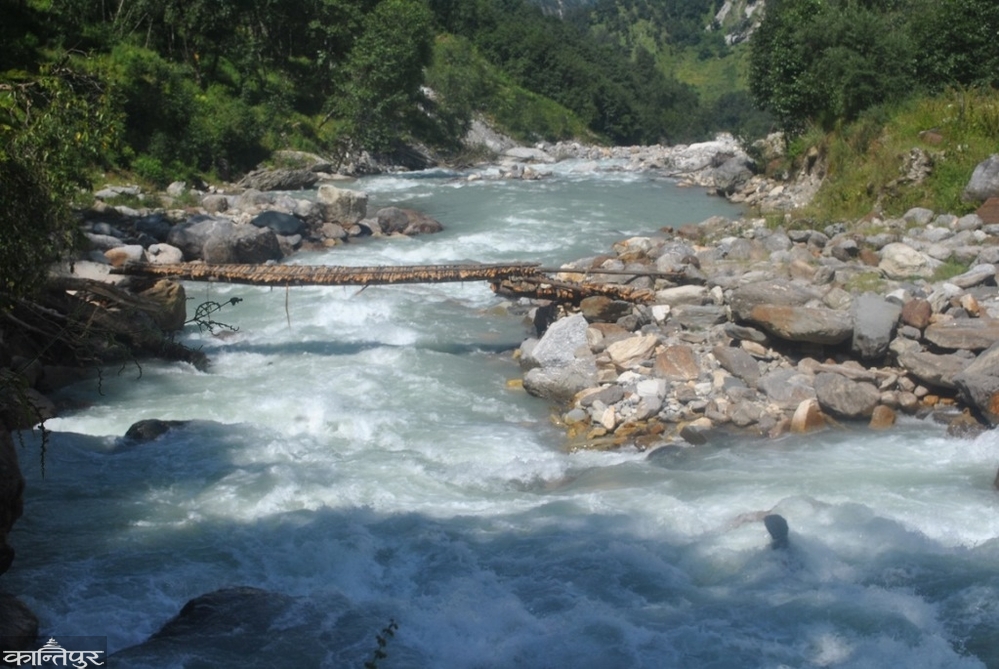
आठ/दश वर्ष अघिसम्म सूर्मा, साइपाल, तलकोटलगायतका हिमाली क्षेत्रमा पर्ने गाउँपालिकाका गाउँघरमै देखिने डाँफे, कालिज जस्ता पन्छीहरु, रतुवा, घोरल, झारललगायत मृगहरु उच्च हिमाली भेगमा पनि देखिन छाडेका छन् । जंगली जनावर र पन्छीहरु लोप हुनुको पछाडि चोरीसिकार, वन विनास र अनियन्त्रित मानवीय चाप भएका कारण यस क्षेत्रलाई संरक्षण क्षेत्रको रुपमा घोषणा गरिनुपर्ने भन्दै संघीयता कार्यान्वयन हुनुपूर्व जिल्ला परिषद्ले पटक पटक निर्णय गरेको थियो ।
संघीयतापछि पनि जिल्लाका १२ वटै स्थानीय तहका जनप्रतिनिधिसहितको जिल्ला सभाले २०७५ सालमा निर्णय गरी साइपाल संरक्षण क्षेत्र घोषणा गर्नका लागि संघ र प्रदेश सरकारलाई अनुरोध गरेको थियो । बझाङका साइपाल, सूर्मा, छबिसपाथीभेरा गाउँपालिका र बुंगल नगरपालिकाका उत्तरी क्षेत्रलाई समेटेर संरक्षण क्षेत्र घोषणा गरिनुपर्ने स्थानीयको माग छ । साइपाल गाउँपालिकामा रहेका करिब चार सय परिवारलाई अन्यत्र स्थानान्तरण गरेर यो क्षेत्रलाई निकुञ्ज वा आरक्षको रुपमा स्थापना गर्नुपर्ने आवाज पनि लामो समयदेखि उठ्दै आएको छ ।
वर्सेनि हजारौंको संख्यामा मानिसहरु यहाँ पुग्ने भएकोले यस क्षेत्रमा सालिन्दा थुप्रिदै गएको फोहोरको मात्रा अस्वभाविक रुपमा बढ्दै गएको अध्ययनहरुले देखाएका छन् । अन्तराष्ट्रिय एकिकृत पर्वतीय विकास केन्द्र (इसिमोड) ले बझाङको साइपाल गाउँपालिकाभित्र पर्ने यार्चा संकलन क्षेत्रमा मात्रै गरेको अध्ययनले साइपालका पाटनमा ४० हजार क्विन्टल भन्दा बढी फोहोर जम्मा भैसकेको देखाएको थियो ।
जिल्लाभरीका जडीबुटी संकलन हुने हिमाली पाटनमा १ लाख ६० हजार क्विन्टल फोहोर जम्मा भएको अनुमान छ । यो मात्रा हरेक वर्ष बढ्दै गएको छ । इसिमोडले २०७६ सालमा गरेको यो अध्ययनमा सहकार्य गरेको स्थानीय गैरसरकारी संस्था साहारा नेपालका दिनेश रोकायाका अनुसार यार्चा संकलनको समयमा पाटन पुग्ने प्रत्येक व्यक्तिले मदिरा तथा पेय पर्दाथका बोतल, क्यान, जुता, चप्पल, लगाउने र ओड्ने ओच्याउने कपडा, पाल, पलाष्टिकलगायतबाट त्यही छोड्ने भएकोले वर्सेनि फोहोरको परिमाण बढ्दै गएको हो ।
सुशासन भाषणमा मात्रै सीमित
सडक, स्वास्थ्य, शिक्षा रोजगारीबाहेक बझाङका मतदाताले जनप्रतिनिधिसँग सधै अपेक्षा गर्ने तर अहिलेसम्म प्राप्त नगरेको कुरा हो सुशासन । विकास निर्माणका काममा हुने ढिलाई, गुणस्तहीन निर्माण र झन्झटिलो सेवा प्रवाहबाट मुक्ति दिने आश्वासन उम्मेदवारहरुले हरेक निर्वाचनमा दिने गरेको भए पनि बझाङमा यसको कार्यान्वयनमा भने प्रगति नभएको स्थानीयको गुनासो छ ।
‘प्रदेश सरकारबाट योजना माग गर्नु पऱ्यो भने पहिले दलाललाई कमिसन बुझाउनु पर्छ । स्थानीय सरकारका जनप्रतिनिधिले पार्टीबाहेक अरुलाई योजना त के व्यक्तिगत सिफारिससम्म दिँदा पनि दु:ख दिने गरेका छन्,’ खप्तडछान्ना गाउँपालिकाका पुष्प रोकाया भन्छन्, ‘चुनावका बेला भ्रष्टाचार शून्य बनाउँछौं भन्छन् । चुनाव जिते पछि आफै कमाउधन्दा चलाउँछन् ।’ उनले निर्वाचनका बेला ठूलो परिमाणमा पैसा खर्च गरेर जित्ने र निर्वाचन पछि आफुले लगानी गरेको रकमको साँवाब्याज समेत असुल्ने प्रवृति राजनीतिक संस्कार जस्तै बन्न थालेकोप्रति चिन्ता व्यक्त गरे ।