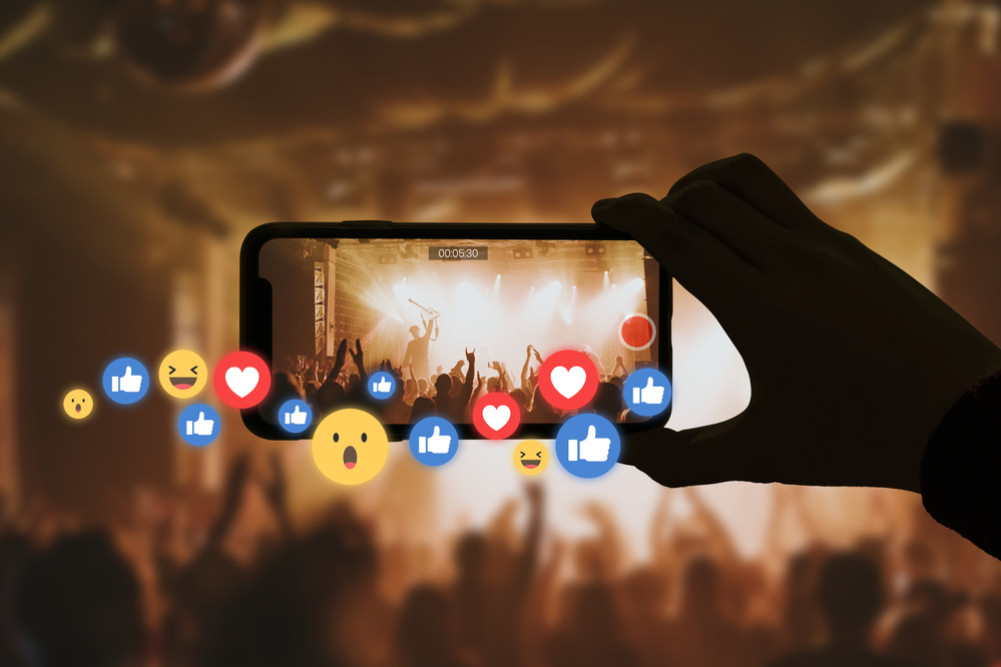
Before spreading viral content, seeking the truth is not just a matter of personal caution—it is an essential practice of social responsibility and human morality.
We use Google Cloud Translation Services. Google requires we provide the following disclaimer relating to use of this service:
This service may contain translations powered by Google. Google disclaims all warranties related to the translations, expressed or implied, including any warranties of accuracy, reliability, and any implied warranties of merchantability, fitness for a particular purpose, and noninfringement.
Nepali society has advanced significantly in the wave of modernization. With the rapid expansion of digital technology, social media has become an important social institution in contemporary society. Facebook, TikTok, YouTube, Instagram, and online news platforms have accelerated information exchange, public opinion formation, and public debate. Some people have used these networks positively, turning them into a means of income generation. Some have become sources of inspiration for others by utilizing their abilities, skills, and expertise, while others are busy becoming controversial by posting gossip or negative content about others.
The trend of photos, videos, accusations, or personal incidents going viral on social media without verification is having serious social, psychological, and moral impacts on individuals and communities. In this process, both women and men are becoming victims. Therefore, the dissemination of digital content should not be understood merely as a technological issue, but as a sociological question related to power relations, gender structures, social control, morality, and justice.
The behavior of spreading unverified information, making personal photos or videos public, and accusing someone without evidence on social media weakens social unity. In such situations, individuals participate in the ‘crowd’s reaction’ and do not think sufficiently about the consequences of their actions, which not only weakens social unity but also increases distrust, fear, and conflict in society.
Such incidents are indirectly having a negative impact on society. As a result, it appears that people who seem physically fine are increasingly becoming mentally distressed and troubled, which is negatively affecting social relationships and customs.
Michel Foucault emphasized the relationship between power and social control. According to his perspective, power is not limited to the state or law—it also operates within the family, schools, media, and daily social interactions. The process of people observing, commenting, evaluating, and publicly criticizing each other on social media can take the form of a modern ‘surveillance society.’ One person may become deeply interested in the private and professional lives of many others—what did someone wear? Where did someone go? What did they post on social media? What comments did others make on it? This person works day and night on these matters without pay.
The poem ‘Enemy’ by poet Manu Manjil comes to mind. The poet says—the enemy gossips about him day and night, regardless of hunger or thirst. That is why the poet thanks his enemy through poetry. Today’s society is also becoming like this. The tendency to be more interested in others than in oneself, to take unnecessary stress, and to be suspicious is gradually increasing. Even those who never help anyone are seen wasting their precious time by reacting to others’ photos and videos on social media.
Especially in Nepali society, there is more surveillance and commentary on women’s or men’s clothing, relationships, speaking style, lifestyle, behavior, and personal lives. This reproduces power structures, where social control is maintained over individuals’ independent decision-making. The feminist sociological perspective helps to understand gender inequality in the digital world. In a patriarchal society, there is a tendency to control women’s bodies, sexuality, marriage, love relationships, and social behavior more than men’s. When private photos or videos related to a woman go viral, her character is questioned, she is blamed, and she faces social exclusion. Such behavior makes it difficult for women to seek justice, share their experiences publicly, and participate freely in digital platforms.
However, the problem of digital violence or unverified accusations is not limited to women. Men are also becoming victims due to false accusations, edited videos, misleading headlines, rumors, or mob decisions. Even if the accusation against a person is not true, society begins to view them based on a negative identity. A single video or post spread on social media can have long-term effects on a person’s reputation, employment, family relationships, and social identity. Even if the truth comes out later, it is difficult to remove the negative image spread through digital platforms.
Let us look at a recent incident involving an education officer. In such incidents, rather than focusing on who is at fault, it is important to recognize that these events do not affect only one person—they also have direct or indirect impacts on the people connected to them, their family, relatives, children, office, workplace, group, reputation, prestige, economic, social, and moral aspects. As a result, they face problems at every step.
In the Nepali context, incidents of short videos of road accidents, domestic disputes, love affairs, marital problems, or fights in public places going viral are increasing. Instead of helping people in distress, some are busy filming and posting these incidents. However, Nepali social values and norms say that we should help people in pain and distress.
Some content on social media, even if old, is presented as if it is related to new events. Some videos show only one side of the incident, which can lead viewers to the wrong conclusion. When social media users share content without understanding the source, date, context, or statements of the concerned parties, misinformation spreads. This promotes a culture of ‘mob justice,’ where emotional reactions become more influential than legal investigation and evidence. Just recently, farmers brought tomatoes to Maitighar to distribute for free in protest against low prices. In the process, a few people in the crowd started throwing them on the street in protest. Then, the entire crowd threw all the tomatoes on the road as a form of protest. The mentality of people in crowds often leads to unexpected outcomes.
Social media can also be considered a modern public sphere. But when this space becomes a medium for spreading rumors, insults, hatred, and unverified accusations, the quality of public discourse declines. Therefore, digital citizenship should emphasize not only freedom of expression but also responsibility, fact-checking, respect for privacy, and protection of human dignity. From a moral perspective, every individual has the right to respect, privacy, and justice. Making others’ photos, videos, or private information public without permission, making insulting comments, or spreading accusations without evidence is morally wrong. Freedom of expression is not the right to attack others’ reputation and security. Schools, colleges, families, media, and communities need to raise awareness about digital literacy, media ethics, and responsible online behavior. If an incident is related to crime or violence, it is more appropriate to inform the relevant legal authorities than to pass judgment on social media.
Therefore, although viral content may seem attractive for a moment, it can have long-term effects on a person’s life. Whether women or men—everyone has equal rights to respect, privacy, and justice. Only the practice of not sharing unverified content, protecting the identity of victims, not making accusations without evidence, and engaging in reasoned dialogue can make the digital society safe, ethical, and just.
Seeking the truth before spreading viral content is not just a matter of personal caution—it is an essential practice of social responsibility and human morality. Therefore, one should not follow rumors; it is necessary to understand the facts.