Nepal has implemented various small and fragmented taxes, such as luxury tax, infrastructure development tax, green tax, and road maintenance and improvement fee, which has made the tax system unnecessarily complex and inefficient.
We use Google Cloud Translation Services. Google requires we provide the following disclaimer relating to use of this service:
This service may contain translations powered by Google. Google disclaims all warranties related to the translations, expressed or implied, including any warranties of accuracy, reliability, and any implied warranties of merchantability, fitness for a particular purpose, and noninfringement.
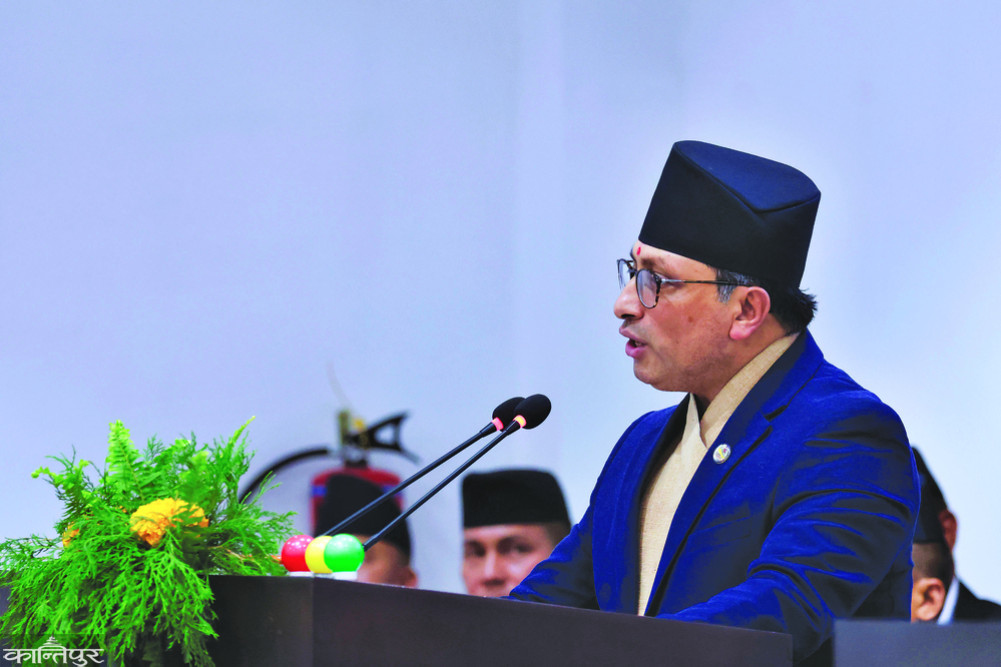
The second phase of tax reform in Nepal has begun with Finance Minister Swarnim Wagle presenting the budget for the fiscal year 2083/84 in the joint meeting of the Federal Parliament on 15 Jestha 2083. Among the various reform programs announced in the budget, the proposed reforms in the Value Added Tax (VAT) system are particularly important . The aim of these measures is to strengthen the VAT system, improve tax compliance, expand the tax base, and make the overall VAT system more effective .
Key proposals for VAT reform
The main problem related to VAT implementation in Nepal is the lack of a culture of issuing and receiving invoices . The success of any VAT system depends on the system of issuing and receiving tax invoices correctly throughout the supply chain . However, even after almost three decades of VAT implementation in Nepal, the market has not established a situation where the right type of invoice is issued and received . Some traders do not issue invoices, some do not issue the right type of invoice, and some say that they should pay 13 percent more than the required invoice . In view of this weakness, various measures have been proposed in the budget to promote invoice compliance:
An important proposal in this regard is the Consumer Incentive Program. According to this arrangement, in order to encourage consumers to ask for bills, consumers who purchase goods and services through digital payment methods will receive an immediate incentive of 10 percent of the VAT paid. Since the discount will be provided at the time of issuance of tax invoices, it is expected to strengthen voluntary tax compliance by encouraging consumers to ask for tax invoices.
To encourage consumers to ask for bills, in Rwanda there is a system where 10 percent of the VAT paid by consumers is deposited in their bank accounts or mobile wallets, while in our country, consumers receive a 10 percent discount immediately. Therefore, our system is a step forward and can become a model for countries that have problems with issuing and receiving VAT bills.
The government has also announced the launch of a tax invoice lottery program to further encourage the culture of giving and receiving invoices. This type of arrangement was implemented at the time of VAT implementation in 2054 BS. Invoice collection booths were set up at various places in Kathmandu to run the tax invoice lottery program. And, a team consisting of representatives of the Inland Revenue Department, Consumer Forum and Federation of Nepalese Chambers of Commerce and Industry would open the lottery once a month, which was broadcast live on the 'Image Channel'.
Another important reform is related to the expansion of the electronic invoice system. Taxpayers have been provided with the ability to issue invoices electronically according to the standards and procedures determined by the Inland Revenue Department. In addition, it has been proposed to issue electronic invoices to certain categories of taxpayers specified by the department and to make direct linkage to the department's central invoice monitoring system mandatory. Alternatively, arrangements can be made to issue electronic invoices using billing software provided by the department.
In order to maintain the reliability of the electronic invoice system, if software that can delete, change or manipulate transaction data is found to be used, the taxpayer concerned will be fined Rs. A provision has also been made for a fine of 5 lakhs.
The experience of countries including Rwanda has shown that an electronic invoice system can bring significant improvements in tax compliance. Such a system facilitates the verification of invoices by providing real-time transaction information and reduces the possibility of collusion by reducing direct contact between taxpayers and the tax administration.
The budget also aims to facilitate tax compliance in districts where there is no Internal Revenue Office. Taxpayers in such districts can submit their tax details and tax amounts through the relevant local level or the Treasury and Accounts Controller's Office. It has been proposed that those bodies should send the received details and tax payment information to the relevant Internal Revenue Office within seven days.
Similarly, if it is necessary to correct errors in the tax return submitted within the stipulated time, the taxpayer can make amendments within seven days of submitting the return. Since tax refund is a fundamental element of VAT, a proposal to automate the tax refund system with the aim of making it effective has also been included in the budget.
The budget also proposes to broaden the tax base by imposing VAT on electricity services. The budget also proposes to impose 5 percent VAT on ride-sharing services and electricity services supplied to end consumers, which is not entirely consistent with the basic principles of VAT, international good practice, and Nepal's nearly three-decade-long VAT experience. This arrangement should be reviewed next year as any deviation from the existing single-rate VAT system could create unnecessary complexity and administrative and compliance challenges.
Similarly, there is also a proposal to establish multiple rates after publication of a notice in the Nepal Gazette. Such a provision weakens the predictability, transparency, stability, and good governance of tax policy. From the perspective of good tax policy, it is appropriate for tax rates to be determined by law, not by administrative decisions.
The budget also proposes to study the feasibility of multiple-rate VAT. However, given the challenges facing the VAT administration at present, it seems necessary to prioritize the effective implementation of the existing VAT system rather than studying structural changes that would add complexity.
The current state of VAT implementation is worrisome. Of the total VAT returns submitted in the fiscal year 2081/82, 62.41 percent were credit returns and 20.37 percent were zero returns, while the share of debit returns paid to the government was only 17.22 percent.
Similarly, the state of tax compliance is also not satisfactory. In Ashar 2082, about 45.49 percent of VAT registered taxpayers had not submitted their VAT returns within the stipulated time.
The structure of VAT registration also raises serious questions. In a well-implemented VAT system, the share of voluntary registrations is generally only about 15 percent of the total registrations. However, in some fiscal years, it is also seen that taxpayers who voluntarily register account for more than half of the total newly registered taxpayers.
The situation of VAT refunds is equally worrying. In developing countries, VAT refunds generally account for about 10 percent of total VAT collection. However, in Nepal, VAT refunds in the fiscal year 2081/82 were less than 1.50 percent of total VAT revenue collection.
All these indicators indicate that VAT implementation is not effective. Therefore, the first priority of tax policymakers should be to solve these implementation-related problems.
Special VAT exemption arrangement
The budget has also brought a special relief program to encourage voluntary tax compliance and resolve outstanding VAT liabilities.
Under this arrangement, taxpayers who have not collected, filed, submitted or paid VAT in the past will be able to get exemption from interest, fines, additional fees and late fees if they fulfill certain conditions. Generally, to get such exemption, the taxpayer will have to submit the outstanding details and pay the principal tax amount and an additional amount equal to 1 percent of it within the stipulated time.
This relief arrangement has been made applicable to some cases pending under the tax assessment, revised tax assessment, administrative review, judicial appeal and revenue leakage laws. These measures are expected to facilitate dispute resolution, increase revenue collection and encourage taxpayers to regularize their tax liabilities and resolve the problems that have been pending in the implementation of VAT for years. A situation should be created for its full implementation through widespread publicity.
Single-rate and multi-rate VAT: Comparative analysis
There was a wide debate on single-rate and multi-rate VAT during the budget formulation process. The single-rate VAT system has several advantages. It is easy for taxpayers to understand and comply with and also reduces the administrative burden on the tax administration. Such a system is generally more efficient, transparent, predictable, stable and good governance-friendly. It helps to mobilize the necessary revenue to finance essential public services such as education, health, infrastructure, security and social protection without creating disputes over the classification of goods and services.
Conversely, a multi-rate VAT system creates disputes over the classification of goods and services. It allows special interest groups to create pressure to set tax rates in their favor. As a result, the risk of intermediation, corruption and administrative discretion may increase.
Similarly, a multi-rate system complicates tax invoicing, accounting systems, tax returns, testing and compliance processes. It increases both compliance costs for businesses and administrative costs for the government.
A multi-rate VAT also creates opportunities for tax evasion and revenue leakage. Unscrupulous taxpayers may misclassify goods and services to avail themselves of lower rates. In addition, the difference in input and output tax rates may generate large tax refund claims.
For example, if a taxpayer has paid 13 percent VAT on his purchases and imports, but has collected only 10 percent VAT on sales, he can continuously create additional input tax deductions. As a result, he can claim a large amount of VAT refund. And, the government can lose significant revenue.
Multi-rate VAT can cause distortions and inconsistencies in production, consumption and investment decisions. Such a system is less efficient from an economic point of view, administratively complex, less transparent and difficult to manage. Ultimately, it can weaken revenue mobilization and negatively affect the overall effectiveness of the tax system.
On the other hand, multi-rate VAT cannot be used effectively as a tool for uniformity and economic development. This is because the rich benefit more than the poor from imposing a low rate on any goods and services to relieve the poor. Similarly, with the VAT tax deduction and tax refund system, those who fall within the tax net are completely exempted from the burden of this tax. On the other hand, those who are exempt from tax must bear the tax burden as they cannot claim deductions or refunds on their inputs.
Therefore, Nepal should strive to maintain a broad-based single-rate VAT system. It is necessary to build a national consensus on this issue and put an end to the recurring debate on multi-rate VAT once and for all.
The way forward
Taxes are often compared to ‘double-edged swords’. If properly designed and implemented, a tax system can be a powerful instrument for economic growth, social justice, and national development. Through an effective tax system, the government can mobilize the necessary domestic resources for public services such as education, health, infrastructure, security, and social protection. It also contributes to encouraging productive investment, curbing harmful consumption, promoting equality, and maintaining macroeconomic stability.
However, a poorly designed or implemented tax system can also have the opposite effect. यसले लगानीलाई निरुत्साहित गर्न, व्यवसाय सञ्चालन लागत बढाउन, कर छलीलाई प्रोत्साहन गर्न, बजारमा विकृति ल्याउन तथा सरकारप्रतिको जनविश्वास कमजोर बनाउन सक्छ ।
त्यसैले कर सुधारका कार्यक्रमहरू गहन विश्लेषणमा आधारित, सरोकारवालासँगको व्यापक परामर्शबाट विकसित तथा राष्ट्रिय सहमतिका आधारमा कार्यान्वयन गरिनु आवश्यक हुन्छ ।
हालका अर्थमन्त्री प्रतिष्ठित अर्थशास्त्री हुन्, जसले राष्ट्रिय तथा अन्तर्राष्ट्रियस्तरमा आर्थिक नीति तथा सुधारसम्बन्धी व्यापक अनुभव हासिल गरेका छन् । उनको नेतृत्वमा नेपालले आफ्नो भ्याट प्रणाली तथा समग्र कर संरचनाको व्यापक आधुनिकीकरणको महत्त्वपूर्ण अवसर प्राप्त गरेको छ ।
आगामी तीनदेखि चार वर्षभित्र चरणबद्ध रूपमा कार्यान्वयन गरिने मध्यमकालीन कर सुधार रणनीति तयार पार्नु आवश्यक छ । यस्तो रणनीतिले नेपालमा आधुनिक, दक्ष, पारदर्शी तथा अन्तर्राष्ट्रिय रूपमा प्रतिस्पर्धी कर प्रणाली स्थापना गर्न मद्दत पुर्याउन सक्छ ।
भ्याट सुधारका सम्भावित क्षेत्रहरू
भ्याट व्यवस्थामा गर्नुपर्ने सम्भावित सुधारहरू निम्न प्रकार छन्–
भ्याटको मर्म तथा अन्तर्राष्ट्रिय असल अभ्यासअनुसार यस करलाई सकेसम्म फराकिलो कर आधारमा लागू गर्नुपर्छ । नेपालमा प्रारम्भमा सरल संरचनामा भ्याट लागू गरिएको भए पनि समयक्रममा विभिन्न छुटहरू प्रदान गर्दै करको आधार क्रमशः संकुचित हुँदै गएको छ । दोस्रो चरणको कर सुधारका क्रममा विद्यमान छुटहरूको पुनरावलोकन गरेर करको आधार विस्तार गरिनु आवश्यक छ ।
त्यसैगरी विभिन्न सरकारी निकायको सिफारिसका आधारमा कर छुट दिने प्रचलनले अनावश्यक रूपमा करदाताको अनुपालन लागत र सरकारको संकलन लागत बढाउँछ । साथै मिलेमतो र भ्रष्टाचारको सम्भावना पनि बढाउने गर्छ । त्यसैले राष्ट्रिय दृष्टिकोणले कुनै वस्तु वा सेवामा छुट दिनैपर्ने भए त्यस्तो छुटलाई स्पष्ट रूपमा छुट सूचीमा समावेश गरी स्वतः लागू हुने व्यवस्था गर्नुपर्छ । र, सरकारी निकायको सिफारिसका आधारमा छुट दिने प्रचलन अन्त्य गर्नुपर्छ ।
कर कट्टी भ्याट प्रणालीको आधारस्तम्भ भएकाले यसलाई पूर्ण रूपमा कार्यान्वयन गर्नुपर्छ । करदाताले व्यावसायिक प्रयोजनका सबै इनपुटमा तिरेको भ्याट समयमै कट्टा गर्न पाउने अधिकार सुनिश्चित हुनुपर्छ । हाल निर्यातकर्ताबाहेक अन्य करदाताले इनपुट कर आउटपुट करभन्दा बढी भए चार महिनापछि मात्रै फिर्ता माग गर्न सक्ने व्यवस्था छ, जसले नगद प्रवाहमा नकारात्मक असर पार्छ, यो अन्तर्राष्ट्रिय अभ्याससँग पनि मेल खाँदैन । त्यसैले निर्यातकर्ता र गैरनिर्यातकर्ता दुवैलाई इनपुट कर आउटपुट करभन्दा बढी भएको अवस्थामा तुरुन्त कर फिर्ता पाउने व्यवस्था गर्नुपर्छ ।
त्यसैगरी, सेवा निर्यातसम्बन्धी शून्य दर नियमहरूलाई गन्तव्य सिद्धान्तसँग मिलाउनु आवश्यक छ । यदि सेवा नेपाल बाहिर आपूर्ति गरिएको छ भने नेपालमा एजेन्ट, प्रतिनिधि वा सम्पर्क कार्यालयको उपस्थिति मात्रैका आधारमा सेवा शून्य दरबाट वञ्चित गर्नु उपयुक्त हुँदैन ।
कर फिर्ता संयन्त्र सरल, पारदर्शी, स्वचालित र करदातामैत्री हुनुपर्छ । फिर्ता योग्य करलाई अन्य कर दायित्वसँग समायोजन गर्न सकिने व्यवस्था हुनुपर्छ । र, कानुनी समयसीमाभित्र फिर्ता नदिइए वार्षिक १५ प्रतिशत ब्याज भुक्तानी गर्ने व्यवस्था प्रभावकारी रूपमा लागू गर्नुपर्छ । करदाताले अनलाइनमार्फत फिर्ता दाबी पेस गर्न, अवस्थाको अनुगमन गर्न र रकम सिधै बैंक खातामा प्राप्त गर्न सक्ने प्रणाली विकास गर्नुपर्छ ।
नेपालले विदेशी पर्यटक, कूटनीतिक नियोग, अन्तर्राष्ट्रिय संस्था तथा वैदेशिक सहायताअन्तर्गतका परियोजनाका लागि प्रभावकारी भ्याट फिर्ता व्यवस्था पनि सुनिश्चित गर्नुपर्छ ।
अर्कोतर्फ, सरकारी निकायले आपूर्तिकर्तालाई भुक्तानी गर्दा ३० प्रतिशत भ्याट सिधै राजस्व खातामा जम्मा गर्ने हालको व्यवस्था भ्याटका आधारभूत सिद्धान्त र अन्तर्राष्ट्रिय अभ्याससँग असंगत भएकाले खारेज गर्नुपर्छ ।
अन्तर्राष्ट्रिय अभ्यासले वस्तु र सेवाका लागि एकीकृत दर्ता सीमा (थ्रेसहोल्ड) अपनाउनुपर्ने आवश्यकता औंल्याउँछ, जसलाई मुद्रास्फीतिका आधारमा समय–समयमा समायोजन गर्नुपर्छ । यस सन्दर्भमा वस्तु र सेवाका लागि रु. १ करोडको दर्ता सीमा कायम गर्नुपर्छ ।
भ्याटमा व्यापक सुधार गरेर विश्वमै नमुनाका रूपमा स्थापना गर्ने सन्दर्भमा वस्तु तथा सेवामा लाग्ने अन्य करहरूको समायोजन पनि त्यत्तिकै महत्त्वपूर्ण छ । युरोपेली संघ, पश्चिम अफ्रिकी राष्ट्रहरूको आर्थिक समुदाय लगायतका क्षेत्रीय संगठनले आफ्ना सदस्यले वस्तु र सेवामा विस्तृत आधार भएको भ्याट लगाउने र त्यसको सहायकका रूपमा सीमित वस्तुमा अन्तःशुल्क मात्रै लगाउने व्यवस्था सुझाएका छन् । त्यसक्रममा विभिन्न देशले वस्तु तथा सेवामा लगाइएका बिक्रीकर लगायतका विभिन्न वस्तुगत कर खारेज गरेर एउटै भ्याट मात्रै लगाएका छन् ।
उदाहरणका लागि दक्षिण कोरियाले १ जुलाई १९७७ मा वस्तु कर, मनोरन्जन कर लगायतका ८ कर खारेज गरेर १३ प्रतिशतको भ्याट लागू गरेको थियो । र, पछि यस करको दरलाई १० प्रतिशतमा झारेको थियो । त्यसैगरी भारतले १ जुलाई २०१७ मा साबिकमा केन्द्र, प्रदेश तथा स्थानीय तहमा लागू गरिएका विभिन्न १७ वस्तुगत करहरू र २३ सेसहरूको सट्टा १ जुलाई २०१७ देखि वस्तु तथा सेवा करको नामले एउटै भ्याट लगाइएको थियोे ।
नेपालले पनि २०५४ सालमा साबिकको बिक्रीकर, ठेक्का कर, होटल कर तथा मनोरन्जन कर खारेज गरेर एउटै भ्याट लागू गरेको थियो । यसले झन्डै दुई दशकसम्म औसतमा वार्षिक १८ प्रतिशतले राजस्व वृद्धि गरेको थियो । तर, समयक्रममा नेपालले विलासिता कर, पूर्वाधार विकास कर, हरित कर, सडक मर्मत तथा सुधार शुल्कजस्ता विभिन्न साना र विखण्डित कर लागू गरेको छ । यसले कर प्रणालीलाई अनावश्यक रूपमा जटिल र असक्षम बनाएको छ । यस्ता करलाई एकीकृत गरेर विस्तृत आधारमा एउटा भ्याट र त्यसको सहायकका रूपमा अन्तःशुल्क लाग्ने व्यवस्था गरिनुपर्छ ।