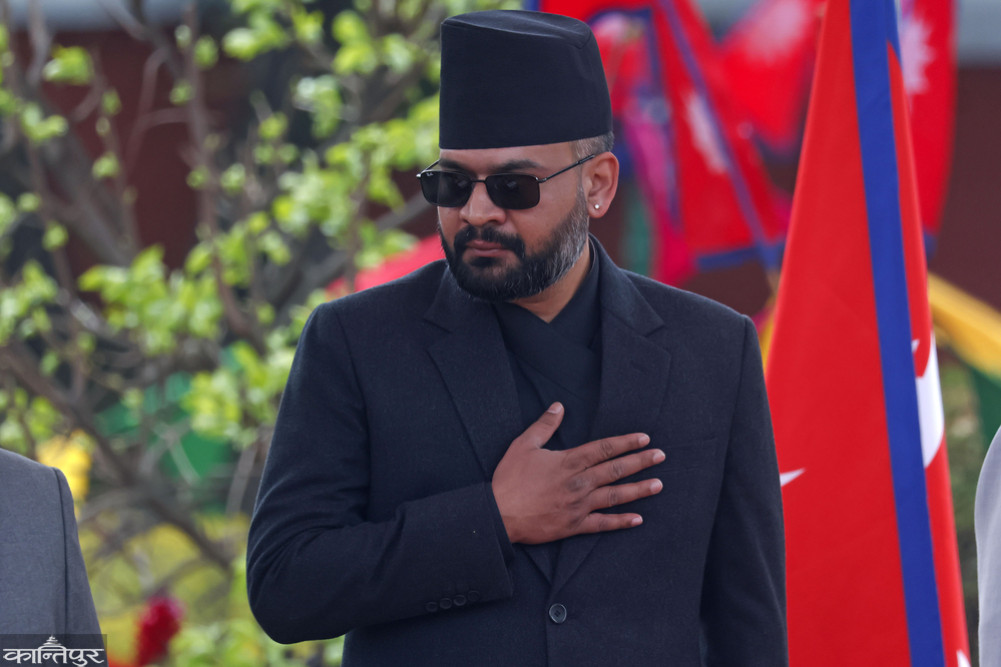
The Dalit community does not need sympathy, but social justice and equal rights. We are equal citizens of the state. Our rights are not a gift or a favor, but a constitutional right.
We use Google Cloud Translation Services. Google requires we provide the following disclaimer relating to use of this service:
This service may contain translations powered by Google. Google disclaims all warranties related to the translations, expressed or implied, including any warranties of accuracy, reliability, and any implied warranties of merchantability, fitness for a particular purpose, and noninfringement.
Respected Prime Minister Balendra,
Warm greetings.
The news of the government under your leadership's decision to formally apologize for the historical injustices committed against the Dalit community has given us a new ray of hope.
We express a positive view of the decision. The state acknowledging past mistakes and apologizing to the victimized community is a symbol of mature and responsible political culture. This can help restore trust between the state and the citizens. However, history has proven time and again that forgiveness alone is not enough. Along with forgiveness, concrete reforms, structural changes and effective implementation are necessary. Because the Dalit community has been forgiving under compulsion and duress since history. Now they need justice.
Respected Prime Minister,
The problem faced by the Dalit community is not limited to social thinking alone. This problem is deeply rooted in the political, economic, educational and administrative structures. Therefore, the solution must also be multidimensional, coordinated and long-term.
First of all, the issue of representation is extremely important. The representation of the Dalit community from the federal parliament to the local level in Nepal is still not satisfactory, it is discriminatory. The presence of Madhesi Dalits, Dalit women and Dalits from remote areas is particularly weak. Although the constitution provides for inclusive representation, in practice Dalits are kept away from the decision-making process. Therefore, we have a clear demand from the government - to implement special policies and mandatory arrangements to ensure the meaningful and effective participation of the Dalit community. Change is not possible with numerical presence alone. It is necessary to ensure real access to the decision-making process.
It is impossible to imagine an end to discrimination under the leadership of those who have been structurally and systematically imposing discrimination and injustice for generations. However, the issue of forgiveness can be accepted.
Second, it is essential to ensure equal opportunities in the education sector. Education and awareness are the main basis of social change. However, many children from the Dalit community are still deprived of quality education. The school dropout rate is high due to economic deprivation, social discrimination and structural weaknesses. The government should prioritize free education, special scholarships, residential schools, technical and vocational education programs for Dalit children from primary to higher education. In addition, a strict monitoring and accountability education system should be developed to ensure a discrimination-free environment in schools and universities.
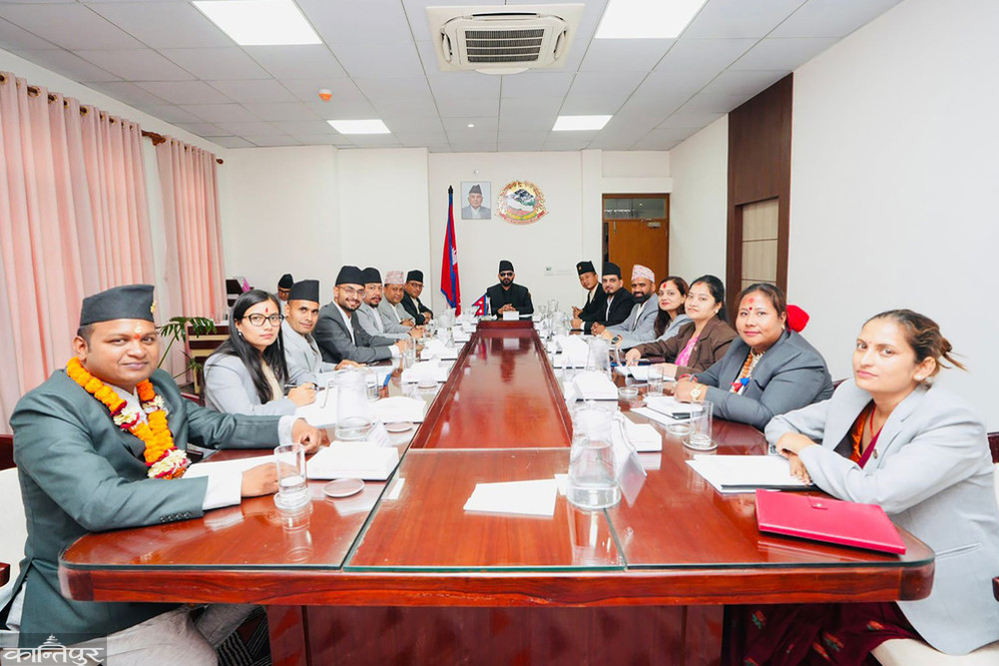 Third, the issue of employment and economic empowerment is extremely important. Because the Dalit community has been systematically deprived in this matter since history. The history of the Dalit community being traditionally tied to limited professions has not yet completely ended. Unequal access to and discrimination in employment opportunities still exists. In the absence of free service and financial earnings, all professions were for Dalits, but when they were linked to financial earnings and benefits, all professions shrank in their hands. However, discrimination persists with Dalits in terms of professions. Therefore, the government should run self-employment programs, concessional loans, skill development and entrepreneurship promotion programs for Dalit youth. A policy should be brought to create employment in collaboration with the private sector. In addition, effective implementation of mandatory reservation in government services should be ensured.
Fourth, strict enforcement against untouchability and caste discrimination is necessary. Although untouchability is a crime in Nepal, in practice, incidents of violence, insults, and boycotts against Dalits are still taking place. In such a situation, the government should adopt a 'zero tolerance' policy. Strict action should be taken against the guilty and an effective mechanism should be created to provide immediate justice and relief to the victims. Action should also be taken against the officials of the concerned bodies who delay or misbehave in registering Dalit cases. In addition, a national campaign should be launched in the same manner to increase social awareness.
Fifth, it is indispensable to ensure the right to land and housing. Many Dalit families are still landless. And, they are forced to live in unsafe housing. Every housing program introduced by the government in the past was unsuccessful and discriminatory. Lack of land ownership has weakened the economic and social condition of Dalits. The government should give separate priority to the Dalit community through land reform programs. Access to safe housing, basic services, and infrastructure should be ensured. Because the Dalit Musahar community, which acquired land by clearing forests, today does not have land. They are landless squatters. So much so that they have to suffer without housing. And, the feudal landlord class of yesterday is taking advantage of this politically even today.
Sixth, attention should be paid to the protection of cultural respect and identity. The Dalit community has its own rich cultural identity, art and traditions. However, they have been neglected and unprotected for a long time. The government should bring a special program without discrimination for the protection and promotion of Dalit culture, art and traditions, which will strengthen self-respect, self-respect, social justice and harmony.
We expect some clear commitment from the government – that forgiveness should not be just a formality but should be adopted as the beginning of structural reforms. A mechanism for regular dialogue and consultation with the Dalit community should be created. Inclusion and social justice indicators should be made mandatory in every ministry. And, a transparent and accountable system should be developed for assessing progress.
We want to say clearly – the Dalit community does not need sympathy, but social justice and equal rights. We are equal citizens of the state and our rights are not a gift or favor. This is our constitutional right, in which we also have significant contributions and sacrifices. However, due to the caste system, it is not properly evaluated.
(Rebels are involved in research, writing and campaigning on issues of inclusion, caste system and socio-political issues of marginalized communities)